
Why Contractor Selection Matters for Your Home
Your roof and siding are among the largest investments you’ll make in your property. A quality installation protects everything beneath it, controls energy costs, and maintains your home’s structural integrity for decades. Choose the wrong contractor, and you’re looking at premature failure, costly repairs, water damage, and headaches that compound over time.
We’ve been serving the Louisville and Kentuckiana area since 1989, and we’ve encountered countless homeowners who wish they’d spent more time vetting their contractor before signing a contract. The difference between a reputable professional and a fly-by-night operator often becomes painfully obvious only after work begins or after the warranty period expires.
This checklist exists to help you avoid that regret. We’ll walk through the warning signs that separate experienced, trustworthy contractors from those who prioritize quick cash over quality workmanship.
Understanding Common Roofing and Siding Contractor Red Flags
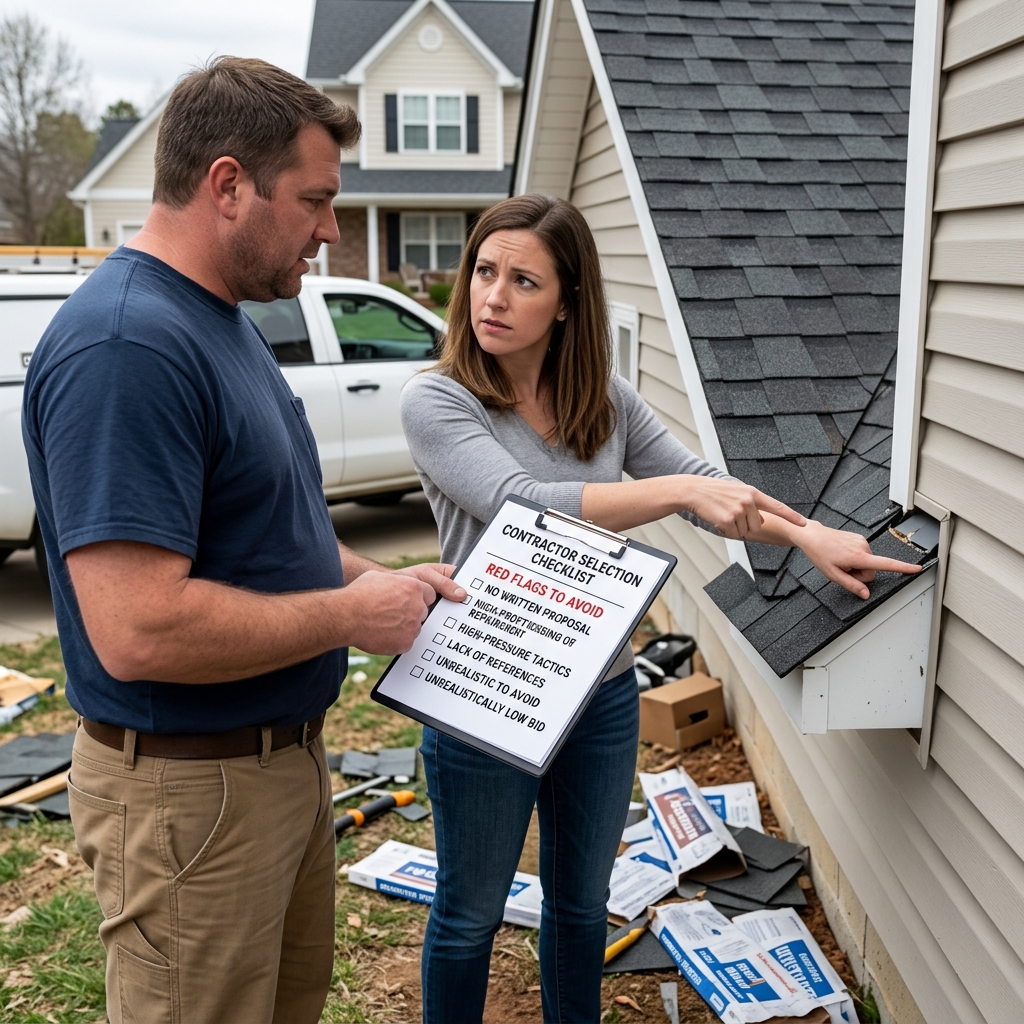
Some red flags are obvious; others are subtle enough that busy homeowners miss them entirely. Recognizing these patterns early saves you time, money, and stress.
No physical business address or office presence. A legitimate contractor maintains a verifiable location. If a roofer only communicates via mobile phone and meets you in parking lots, that’s a significant concern. You need a place to track them down if something goes wrong.
Lack of online presence or reviews. In 2026, every credible contractor has a website and professional social media profiles. Check Google Maps, the Better Business Bureau, and industry review sites. Look for patterns in customer feedback, not just star ratings.
Starting work immediately or requesting full payment upfront. Established contractors follow a professional timeline: inspection, written proposal, scheduling, and payment terms tied to project milestones. Someone pressuring you to hand over cash before work begins is signaling financial instability or worse.
Unwillingness to provide a written estimate. A professional estimate includes materials, labor, timeline, warranty terms, and cleanup responsibilities. Verbal quotes or vague “ballpark figures” are protection for them, not you.
Using high-pressure sales tactics or creating false urgency. “This offer expires today” or “I’m only in your area this week” are classic manipulation techniques. Legitimate contractors have work year-round and don’t need artificial deadlines to secure jobs.
Subcontracting everything without disclosure. While some subcontracting is standard, contractors should be transparent about who’s performing the work. Hidden subcontracting arrangements often mean reduced oversight and accountability.
Action step: Before meeting any contractor, search their name plus “complaints” or “lawsuit” on Google. If red flags appear in the first few results, move on.
Licensing and Insurance: Non-Negotiable Requirements
This is where emotion must step aside and due diligence takes over. Licensing and insurance aren’t bureaucratic hassles; they’re your legal protection.
Verify active licensing. Kentucky’s Residential Contractor Commission (RCC) maintains a public database of licensed contractors. Enter the company name or license number and confirm it’s current. If a contractor can’t provide their license number readily, that’s a warning sign.
Confirm workers’ compensation and liability coverage. Ask for certificates of insurance directly from the carrier, not just from the contractor. A typical roofing contractor carries general liability insurance (minimum $1 million) and workers’ compensation. If a roofer gets injured on your property and they lack coverage, you could face personal liability.
Understand what their insurance actually covers. Some policies have exclusions or limited coverage for specific situations (storm damage, for instance). Request details before signing anything.
Check for bonding. A surety bond protects you if the contractor disappears mid-project or fails to complete work. Not all states require bonding for roofers, but it’s a sign of financial stability when it’s present.
Uninsured contractors might seem cheaper upfront, but you’re exposing yourself to massive risk. If someone gets hurt, your homeowner’s insurance won’t cover it. If the work fails, you have no recourse.
Action step: Call the contractor’s insurance agent directly to verify coverage. Don’t rely on documents the contractor provides.
Pressure Tactics and Unrealistic Pricing Warnings
One of the fastest ways to identify an unreliable contractor is to notice how they handle pricing and your decision timeline.
Extremely low bids. If one estimate comes in 30-50% below others, something’s wrong. Either they’re using inferior materials, cutting corners on labor, or planning to add surprise charges later. Quality roofing and siding work costs what it costs.
“Storm chaser” contractors offering too-good-to-be-true damage claims. After severe weather, opportunistic roofers flood neighborhoods claiming every home qualifies for insurance-covered replacement. While legitimate storm damage exists, these operators often pressure homeowners to file questionable claims, then disappear if the insurance company denies coverage.
Demanding cash payments or checks only. Professional contractors accept credit cards, checks, and financing options. They have nothing to hide with payment trails.
Creating artificial scarcity. “I can only fit you in this week” or “I have one more opening this month” are sales tactics designed to rush your decision. Real contractors book out weeks in advance without manufactured urgency.
Reluctance to put promises in writing. If they’re unwilling to document warranty terms, material specifications, or timeline commitments in your contract, they’re preserving wiggle room for themselves.
We price our work fairly based on materials, labor, and market conditions in Kentuckiana. We don’t compete on being the cheapest option; we compete on delivering quality that lasts decades and protecting your home properly.
Action step: Get at least three written estimates from different contractors. If one is significantly lower, ask why before assuming it’s the better deal.
Lack of References and Proven Track Record
References separate contractors who deliver from those who merely promise.
Unwillingness to provide recent customer references. Ask for at least three homeowners or commercial clients whose work was completed in the past two years. A contractor confident in their work will provide these freely.
References that are friends or family members. Legitimate references are independent customers with no relationship to the contractor beyond the business transaction.
No portfolio or before-and-after photos. Quality contractors document their work visually. Siding installations, roof replacements, and storm damage restoration should all have photographic evidence available.
Inability to discuss previous projects in detail. When you call a reference, listen for specific details. Did the contractor show up on time? Did they communicate clearly about changes? Did the work hold up over time? Vague answers suggest the reference didn’t actually have that experience.
No certifications or manufacturer partnerships. We’re proud to be an Owens Corning Platinum Preferred Contractor, a designation earned through training, quality standards, and customer satisfaction metrics. Similar certifications from other manufacturers indicate commitment to excellence.
New company with no history. There’s nothing inherently wrong with newer contractors, but they should have verifiable work history, training credentials, or prior experience within your local market. “Just started this year” combined with other red flags should concern you.
Action step: Contact at least two references and ask specifically about communication, timeline adherence, and how the contractor handled any problems that arose.
Communication Problems and Hidden Costs
Professional contractors communicate clearly and proactively. Poor communication during the sales process predicts problems during the project.
Difficulty reaching them or slow response times. If they’re slow to return calls or emails before signing a contract, they’ll be worse afterward when you’re paying the bill.
Vague contract language. Your contract should specify:
- Exact materials and brands being used
- Square footage or scope of work
- Start and completion dates
- Payment schedule tied to milestones
- Warranty terms and what’s covered
- Cleanup and site restoration responsibilities
- What happens if weather delays the project
Contracts with blanks, unclear terms, or references to “standard industry practices” leave room for disputes.
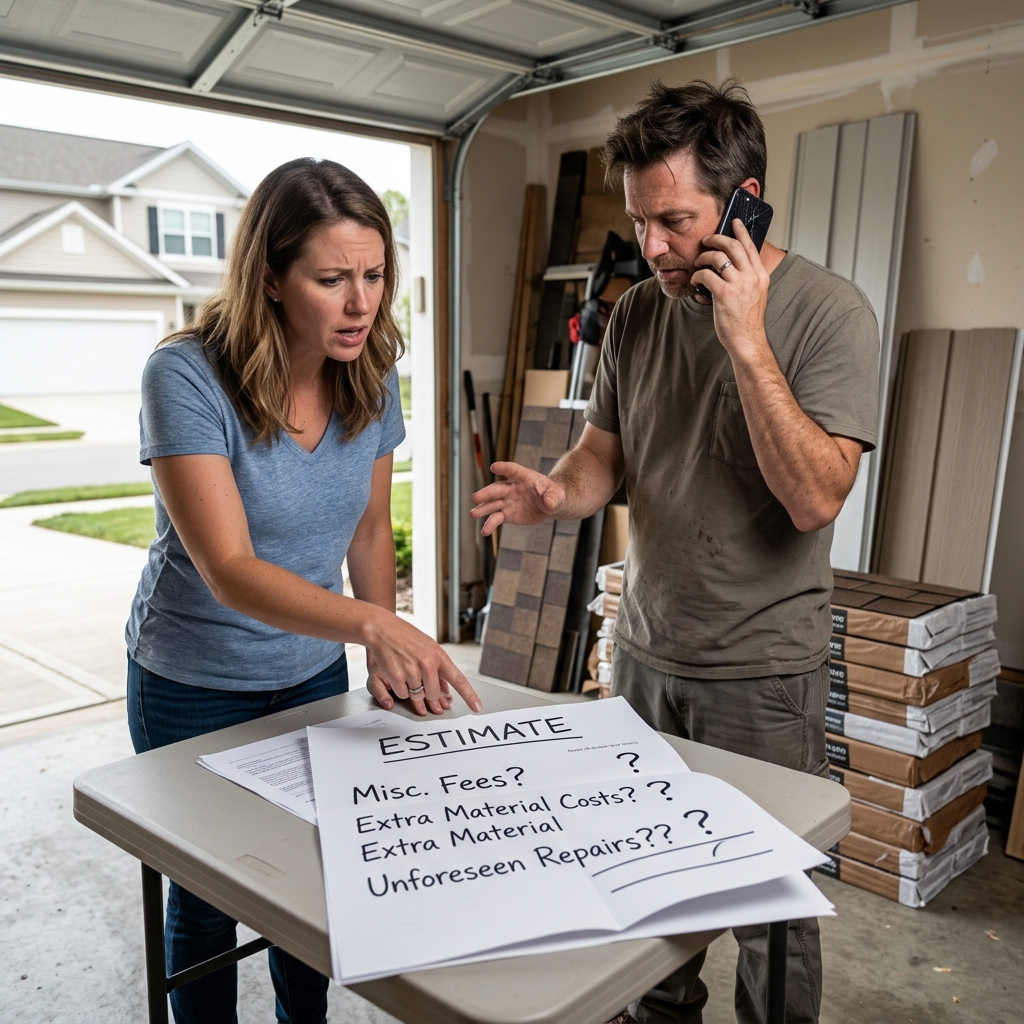
No written change order process. If modifications become necessary mid-project, they should require a written change order detailing the scope change, cost adjustment, and timeline impact. Without this, you might discover extra charges at the end.
Hidden costs that appear after work starts. Legitimate contractors identify complications during inspection and discuss them before work begins. If your estimate suddenly balloons because of “unexpected issues,” that contractor should have caught them beforehand or explained the contingency upfront.
Reluctance to explain their process. Before work begins, you should understand how they’ll protect your property, where they’ll stage materials, how they’ll handle debris, and what to expect daily. Evasive answers suggest they haven’t thought it through or don’t care about your experience.
We provide virtual consultations and instant estimates to ensure you understand the scope, timeline, and costs before any commitment. Our communication approach means no surprises.
Action step: Ask your contractor to walk you through their daily process on a roof or siding project. Their level of detail reveals their professionalism.
Our Commitment to Transparent, Professional Service
We’ve built our reputation over 37 years by doing what we say we’ll do, communicating honestly, and treating every project like it’s our own home.
Our process starts with a thorough inspection. We identify the actual condition of your roof, siding, or whatever exterior system needs attention. We don’t pressure you into work you don’t need. If a repair will extend the life of your existing system cost-effectively, we say so. If replacement is the right choice, we explain why.
Our estimates are detailed and comprehensive. You know exactly what materials we’re using, which Owens Corning products are included, what the timeline looks like, and what your warranty covers. We answer questions fully and explain trade-offs between material options clearly.
We manage our schedule professionally. When we commit to start dates, we honor them. When weather or complications arise, we communicate immediately and adjust expectations. Our customers aren’t left wondering where we are or when we’re coming back.
Our team is trained, insured, and focused on doing this work right. We’re not a franchise operation or a crew that changes weekly. You get consistency and accountability.
How We Protect Your Investment with Proper Credentials
Our Owens Corning Platinum Preferred Contractor status isn’t a marketing badge we display casually. It represents measurable standards in training, customer satisfaction, and quality workmanship.
To earn and maintain this certification, we:
- Complete annual training on the latest roofing materials and installation techniques
- Maintain documented quality standards that are regularly audited
- Achieve high customer satisfaction ratings through third-party surveys
- Stay current on manufacturer warranties and coverage terms
- Follow strict safety protocols and best practices
We also carry comprehensive general liability insurance (protecting you if someone is injured on your property) and workers’ compensation coverage (protecting our team). We provide proof of both before any work begins.
Our roofing and siding installations come with manufacturer warranties on materials plus our own labor warranty. That means you’re protected on both fronts. If a shingle fails or siding cracks due to faulty installation, we take responsibility.
We’re bonded through the state, which adds another layer of financial protection if anything goes wrong. If you hire a contractor without these credentials and something fails, you’re often left with no recourse except small claims court.
Action step: Request copies of our current insurance certificates and verification of our Owens Corning Platinum Preferred status before scheduling your project.
Why Jeff Home Improvements Stands Out in Kentuckiana
We’re deeply rooted in the Louisville area. Our family has been solving roofing and siding problems for nearly four decades. We know the local climate challenges: heavy spring storms, humidity, ice dams in winter. We understand how these conditions age roofing and siding differently than contractors who work in other regions.
Our storm damage restoration work speaks for itself. When severe weather strikes Kentuckiana, we show up immediately, document damage for insurance claims, and handle the repairs with the same care we give routine replacements. We’ve helped hundreds of homeowners recover from storms without the stress of dealing with unfamiliar contractors.
We offer virtual consultations, which means you get expert guidance without scheduling someone to visit your home immediately. Our instant estimate system gives you pricing and timeline information quickly so you can compare options and plan your budget.
We don’t vanish after the job is complete. If questions arise during the warranty period, we’re here. If adjustments are needed, we address them.
Our residential and commercial expertise means we work on everything from suburban homes to multi-unit properties. That versatility reflects deep knowledge across different building types and code requirements.
Making Your Final Contractor Decision with Confidence
You’ve identified the red flags. You know what to look for. Now apply these standards consistently across every contractor you consider.
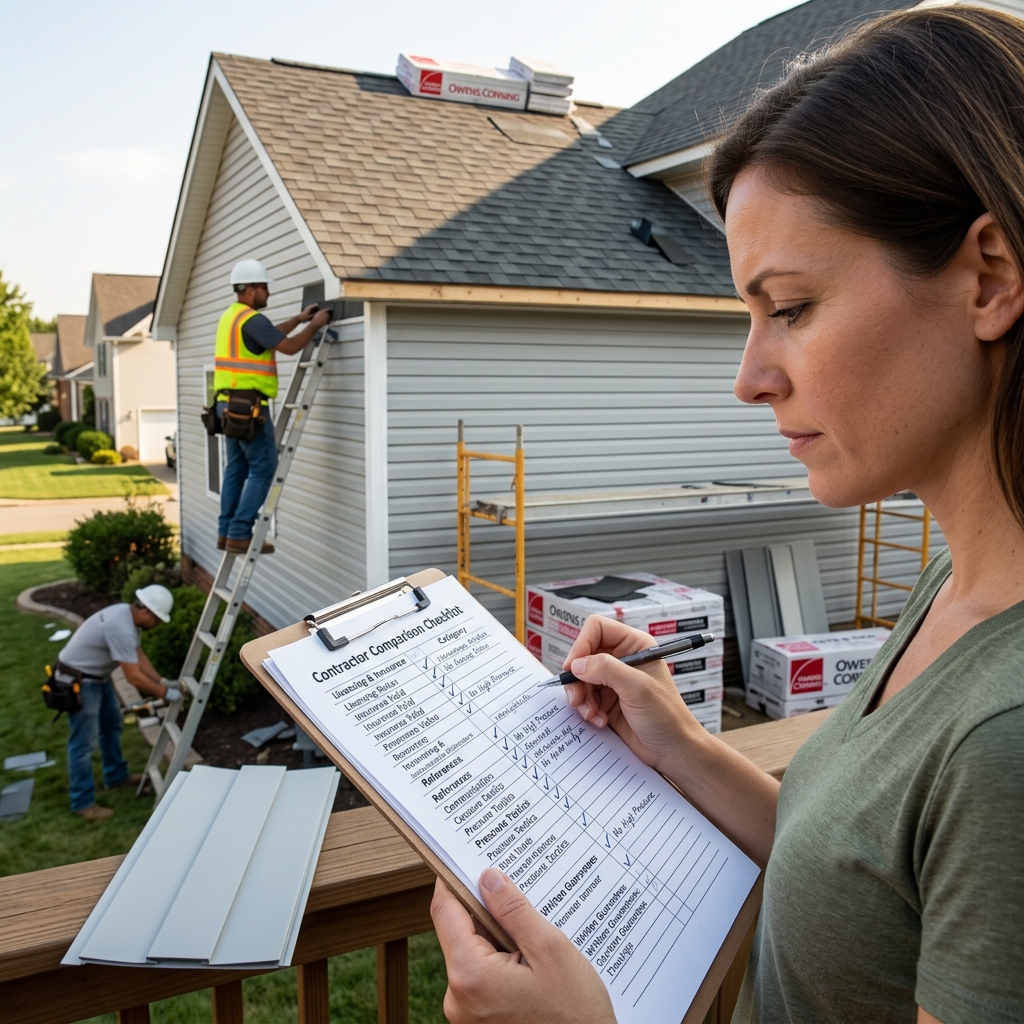
Create a simple checklist before meeting anyone:
- Verify licensing through the Kentucky RCC database
- Request and review certificates of insurance
- Ask for three recent references and actually call them
- Request a detailed written estimate with specifications
- Review their contract thoroughly before signing
- Confirm they carry workers’ compensation coverage
- Check online reviews and the Better Business Bureau
- Ask about certifications and manufacturer partnerships
- Verify their physical business address
When you evaluate contractors honestly against these criteria, the decision becomes clearer. The ones who pass are the ones worth hiring.
We’re confident that when you vet Jeff Home Improvements against this checklist, you’ll find a contractor who meets every standard. Our track record, credentials, and commitment to transparent service are exactly what protects your home and your investment.
Your roof and siding will last 20-50 years depending on materials and maintenance. The contractor you hire today sets the quality foundation for all those years. Choose carefully, verify thoroughly, and you’ll avoid the costly mistakes and headaches that poor contractor selection creates.
Contact us today for a free in home, no obligation quote on your roof




 INDIANA
 KENTUCKY