
Why Homeowners Leave Exterior Systems Mismatched and Disconnected
Most homeowners approach exterior upgrades the way they handle home maintenance: one emergency at a time. A vinyl window fails in the master bedroom, so you call a contractor. Six months later, hail damage strikes the roof. A year passes, and you notice the gutters aren’t draining properly. Each repair gets handled by whoever’s available, often at different times and sometimes by different contractors.
This piecemeal approach creates a disconnect. The new windows don’t coordinate with the existing siding color. The gutters weren’t sized to match your roof’s pitch and drainage needs. Flashing details don’t align between systems. What should be a cohesive exterior envelope becomes a mismatched collection of separate fixes.
The root cause is simple: homeowners typically don’t think of their exterior as an integrated system. We see a roof, siding, windows, and gutters as independent components rather than parts of one protective barrier. Contractors who handle only one specialty reinforce this thinking. They solve their piece of the puzzle without considering how it fits with the rest.
Actionable takeaway: Before calling separate contractors for individual projects, map out your entire exterior’s condition. Note which elements truly need replacement and which could wait. This inventory becomes the foundation for coordinated planning.
The Problem With Tackling Upgrades Separately
Handling siding, windows, and gutters as separate projects creates real financial and functional costs. When contractors work independently, sealing and flashing details don’t align between systems. Water can exploit gaps that form where different materials meet, leading to moisture damage inside walls that won’t surface for months or years.
Energy efficiency suffers too. New high-performance windows paired with old, drafty siding mean you’re only addressing part of the insulation problem. Your heating and cooling system still works overtime. The investment in better windows doesn’t deliver full returns because the broader envelope remains compromised.
Budget impacts are significant. Three separate projects mean three separate mobilizations, three separate permit consultations, and three contractor markups. You might get quotes of $12,000 for new windows, $8,500 for vinyl siding, and $3,200 for gutters handled separately. Combined, you’re paying for three separate business costs that a coordinated project could absorb more efficiently.
Scheduling headaches multiply when contractors work independently. One crew needs access to your exterior for two weeks. Another can’t start for a month. Material deliveries don’t align. Your home’s appearance stays in transition longer. Neighbors see constant activity rather than a focused renovation effort.
The biggest hidden cost is missed opportunities for better design. When professionals see your entire exterior at once, they spot solutions that single-specialty contractors miss. Better water management strategies. Superior color and material combinations. More efficient installation sequences that reduce labor time.
Actionable takeaway: Get a full exterior assessment from one contractor who handles multiple disciplines. Request a written summary showing which projects should happen together and why, rather than accepting three separate recommendations.
Our Integrated Approach to Exterior Transformation
We’ve been serving the Louisville and Kentuckiana area since 1989, and our approach has always centered on seeing your exterior as one system. When you contact us about new siding, we evaluate how that impacts your gutter capacity and window performance. If you need storm damage repair, we assess the entire affected area rather than just the visible damage.
Our team includes roofing specialists, siding experts, and window technicians who communicate throughout every project. We’re Owens Corning Platinum Preferred Contractors, which means we maintain rigorous standards across all exterior installations. This certification applies to our complete scope, not just one product line.
The integrated model works like this: we schedule a virtual consultation to understand your goals and assess your exterior. Our team documents current conditions, identifies problems, and proposes solutions that work together. We create a master plan showing which elements should be addressed first, second, and third. The sequencing matters. Installing new windows before siding removal protects them during that process. Installing new siding before gutters ensures proper drainage alignment. Coordinating the timeline reduces disruption and catches problems early.
We coordinate material selections to ensure visual harmony. Your new vinyl siding color, window trim style, and gutter system all complement each other and your home’s architecture. We specify products that work together functionally. Gutters are sized for your roof pitch and rainfall patterns. Flashing transitions are detailed before installation begins. Window installations account for your new siding thickness and slope.
Our project management system keeps one schedule, one crew coordinator, and one point of contact for your entire exterior transformation. No more managing multiple contractors or wondering why different teams aren’t communicating.
Actionable takeaway: Request our integrated exterior assessment instead of calling separate specialists. We’ll provide one comprehensive plan with priorities and timing, not three separate bids competing against each other.
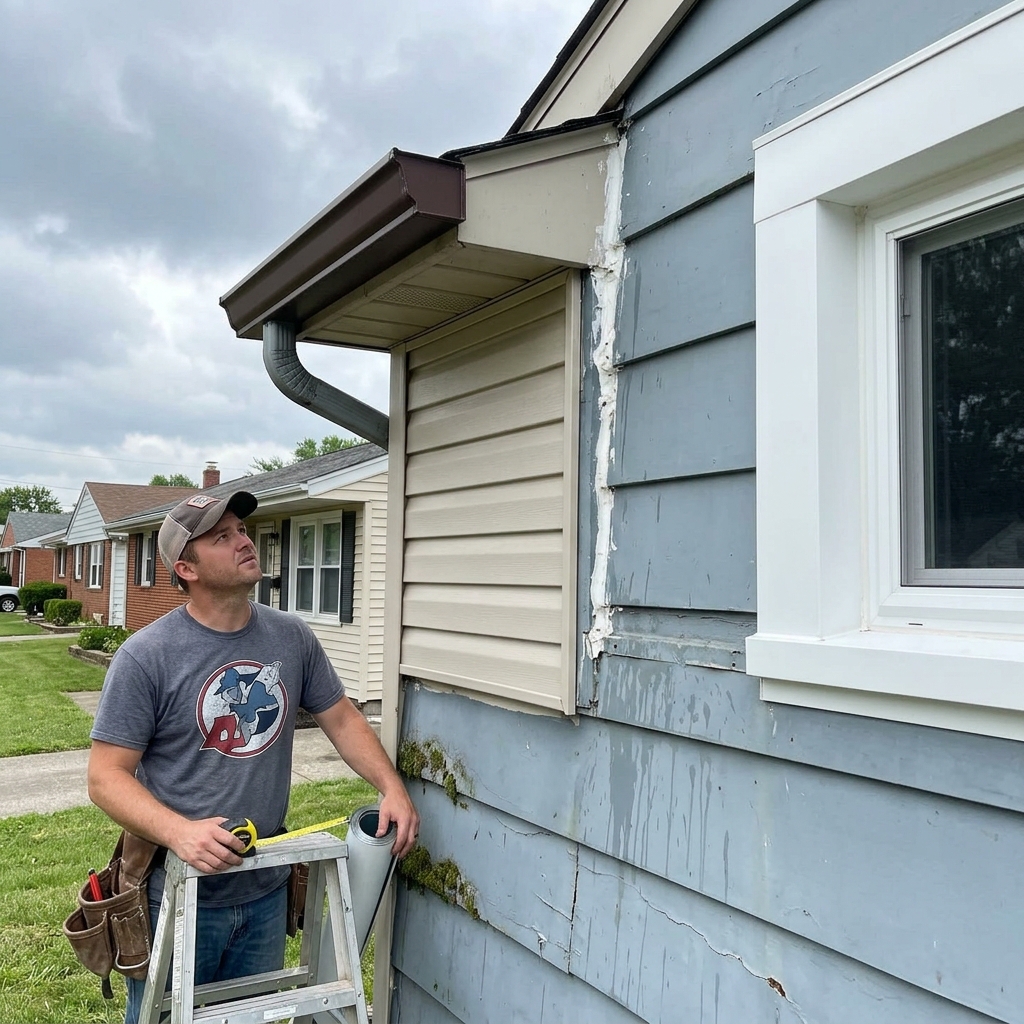
Siding Replacement as Your Foundation Investment
Vinyl siding is the foundation of a coordinated exterior upgrade. Unlike roofing or gutters that primarily manage water, siding is your home’s primary weather barrier. It’s the first line of defense against wind, UV damage, and moisture. When siding fails, water finds paths into walls that create structural problems over years.
Most homes in the Louisville area benefit from vinyl siding replacement after 25-30 years or following storm damage. Modern vinyl siding performs far better than products from even 15 years ago. Today’s options resist fading, withstand higher wind speeds, and install more efficiently than earlier generations.
The key advantage of siding as your starting project: it influences everything else. New siding determines your color palette. Its profile and style shape window trim selections. Its surface condition and installation details affect how gutters connect. Its wall thickness and insulation value factor into overall energy efficiency gains.
When we replace siding, we address underlying issues simultaneously. We inspect sheathing and framing for damage. We install new house wrap or weather barrier with enhanced moisture protection. We ensure proper ventilation gaps behind the siding. These details only get done properly when you’re opening up the wall system.
We coordinate window sizing and installation with new siding. Existing windows sometimes need resizing when siding changes the exterior wall profile. New windows install cleanly into new openings rather than retrofitting into old frames. The flashing creates clean transitions instead of compromises between materials.
Actionable takeaway: If your siding is 25+ years old or shows visible damage, start your coordinated project here. Getting new siding planned before purchasing windows lets us specify the right window sizing and flashing details.
Window Installation for Energy Efficiency and Curb Appeal
New windows deliver both functional and aesthetic returns. Functionally, modern vinyl window installation dramatically reduces heating and cooling costs. Older single-pane or early double-pane windows lose significant energy through glass and frames. New Low-E coated glass reflects heat back into winter months and reflects summer heat outward. Insulated frames prevent thermal transfer that old aluminum or wooden frames allow.
The curb appeal impact is equally important. Windows are the face of your home. New vinyl windows with clean lines, bright frames, and uniform appearance transform how your property looks from the street. They signal to neighbors and potential buyers that the home is well-maintained.
In a coordinated upgrade, window installation timing matters. If you’re replacing siding first, we size new windows for the wall profile before siding installation. This gives us clean openings, proper flashing, and no gaps between siding and window frames. If siding and windows install together, we coordinate crews so one doesn’t damage the other’s work.
Material selection connects to your overall design. Vinyl window color should complement your new siding and shutters. Frame styles should match your home’s architectural character. We help homeowners avoid choosing styles that clash with their overall aesthetic.
Energy efficiency gains multiply when windows coordinate with other exterior improvements. New insulated siding, proper air sealing, and ventilated gutters work together with efficient windows to create a sealed thermal envelope. Your HVAC system doesn’t work as hard. Energy bills drop noticeably, especially in Kentucky winters.
Actionable takeaway: Choose window styles and colors during your siding consultation, not in isolation. The coordinated approach ensures your windows complement rather than compete with your new exterior appearance.
Gutter Systems and Protection That Work Together
Gutters are the nervous system of your exterior, collecting water from the roof and directing it away from your home’s foundation and walls. Undersized gutters cause overflow during heavy rain, sending water down siding and into soil around foundations. Improperly graded gutters trap debris and create standing water. Disconnected gutters, often installed without considering roof size or pitch, fail during the heavy spring rains common in Kentucky.
Our gutters installation process starts with calculations based on your roof’s square footage and your area’s rainfall patterns. Louisville receives about 45 inches of annual precipitation, with concentrated periods during spring and fall. Properly sized gutters handle peak flow rates during these periods without overflowing.
When coordinating with new siding and windows, gutter sizing and positioning can be optimized. We know exactly where new siding ends and what the soffit and fascia configuration will be. This lets us design gutter systems that integrate cleanly rather than retrofitting onto existing structures. We specify gutter guards or protection systems at the same time, preventing debris buildup that requires constant maintenance.
Gutter guards deserve attention in coordinated projects. They eliminate leaves, twigs, and debris that clog conventional gutters. During heavy rain, water flows freely into gutters without obstruction. The initial investment is higher, but maintenance costs drop dramatically. Most homeowners find gutter protection pays for itself within a few years through eliminated cleaning expenses and reduced pest problems.
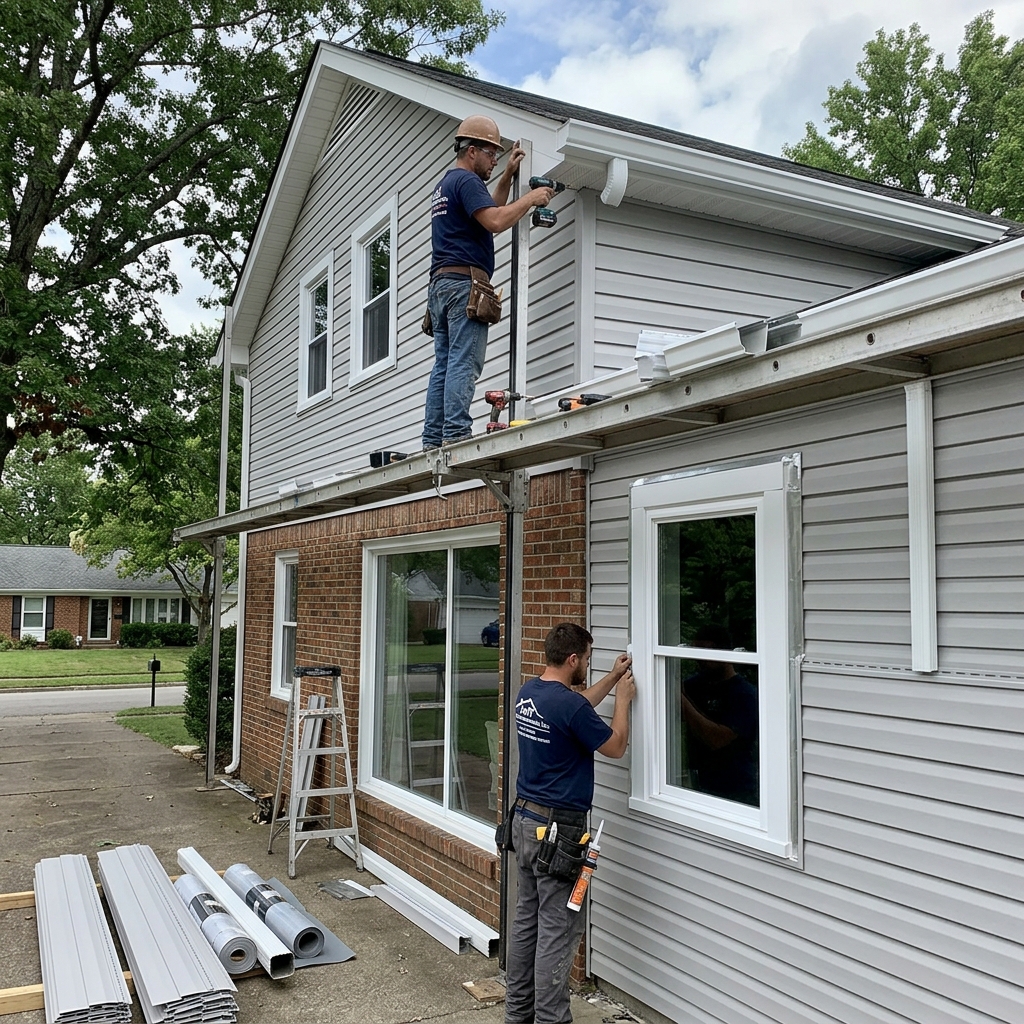
The soffit and fascia components that support gutters integrate with your siding project. New siding often calls for new fascia boards. These elements should be specified together so color, material, and installation details align.
Actionable takeaway: Have gutters sized during your exterior assessment, not after siding installation. Proper sizing based on your roof configuration prevents water management problems that expensive repairs won’t fix later.
The Cost Advantage of Coordinated Projects
The financial case for coordinated exterior upgrades is compelling when you account for all factors. Separate projects typically cost 20-30% more than coordinated ones. This difference comes from multiple sources.
Mobilization costs are significant. Each contractor charges to set up crews, position equipment, and establish site safety. When all work happens together, one mobilization handles multiple trades. Your cost drops accordingly. Permit and inspection costs consolidate. Your city charges one review fee instead of three, and inspectors visit once to evaluate the entire project rather than three separate times.
Material procurement is more efficient. A contractor handling siding, windows, and gutters purchases everything at once, often negotiating better pricing through volume purchases. Three separate contractors lack this buying power. Delivery costs consolidate. Materials arrive on a coordinated schedule rather than in multiple shipments with separate delivery fees.
Labor efficiency matters too. Crews that understand the full scope of work plan their sequences strategically. Rough openings are prepared once rather than visited by multiple teams. Cleanup happens systematically rather than repeatedly. This efficiency reduces labor hours even though the actual work quantity stays the same.
Financing options improve with coordinated projects. Many lenders offer better rates for comprehensive home improvements than for single-purpose repairs. You might qualify for a renovation loan at favorable terms when the scope exceeds $20,000, whereas three separate projects might not individually reach that threshold.
Long-term maintenance costs drop significantly. Problems that would develop from misaligned systems get prevented during coordinated installation. Water leaks that would damage framing don’t occur. Energy efficiency gains compound over years, reducing utility bills month after month. Warranty coverage often improves when multiple systems install together from one contractor rather than separately from different sources.
Actionable takeaway: Request a coordinated project estimate alongside separate bids. Calculate the total five-year cost including maintenance, energy usage, and potential repairs. The coordinated approach typically shows substantial savings.
How We Manage the Complete Exterior Upgrade Process
Our project management process ensures coordination from first conversation through final inspection. We start with a virtual consultation where you describe your goals and concerns. We discuss your timeline, budget parameters, and priorities. We schedule an in-person assessment where our team photographs and documents your exterior’s current condition.
Following the assessment, we develop a comprehensive plan showing all recommended work, sequencing, material specifications, and costs. This plan explains why certain elements should happen before others. We outline the timeline, identifying start and completion dates for each phase. Most complete exterior upgrades take 4-8 weeks depending on scope and weather conditions.
Our team then manages permits and inspections. We handle Louisville building code compliance, secure necessary permits, and coordinate inspector visits. You don’t need to navigate bureaucratic processes. We ensure all work meets code and qualifies for final sign-off.
During execution, one crew coordinator serves as your primary contact. They manage daily schedules, coordinate material deliveries, and handle any questions or changes. They ensure crews from different trades communicate so their work aligns. Daily work summaries keep you informed about progress.
Quality control happens continuously. We inspect each phase before moving to the next. New siding installation is verified before window crews begin. Window installation is complete and sealed before gutter installation starts. Final inspection by our team and the city ensures everything meets standards.
We provide detailed warranties for all work, covering materials and labor according to manufacturer specifications. We explain warranty coverage in writing so you know what’s protected and for how long. For most exterior upgrades, warranties extend 5-10 years depending on specific products and services.
Actionable takeaway: Ask potential contractors about their project coordinator system. You should have one person managing the entire project, not separate coordinators for different phases.
Real Results From Louisville Properties
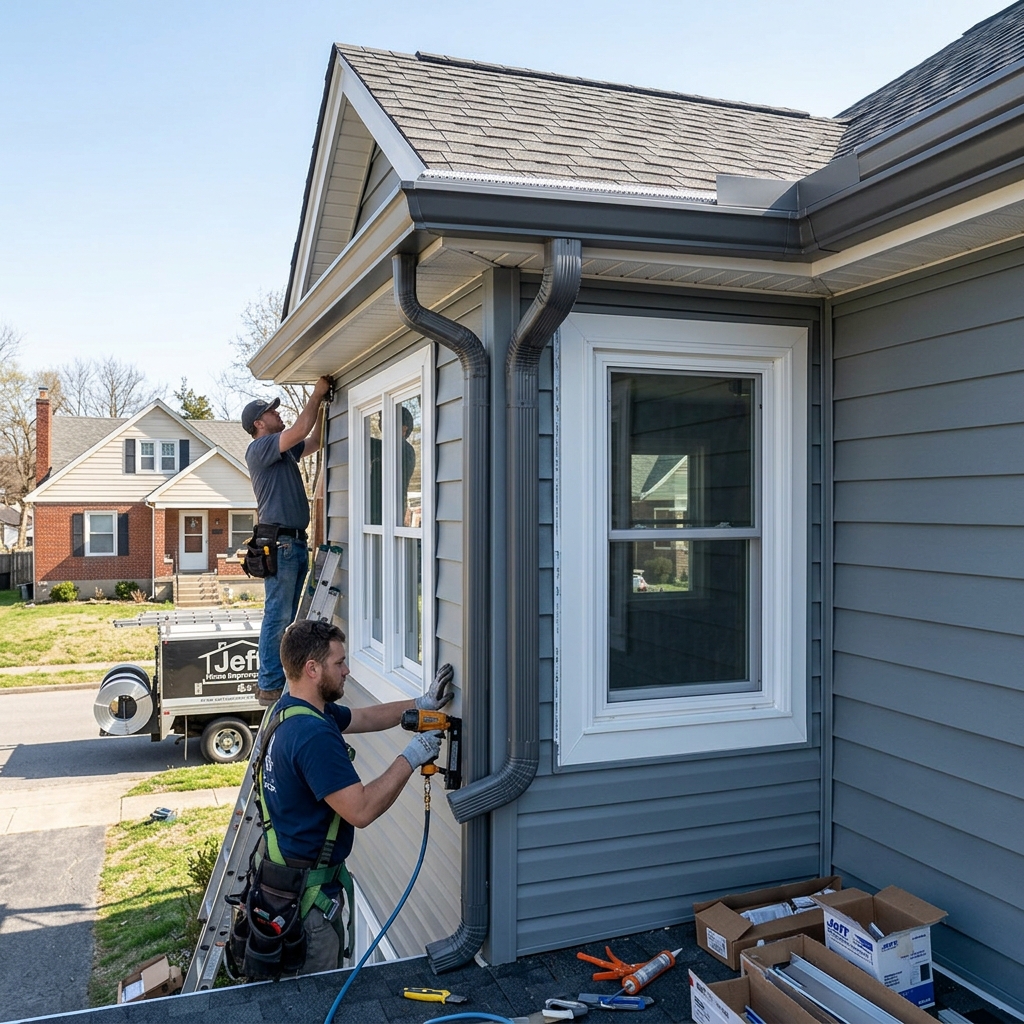
We’ve completed thousands of coordinated exterior upgrades across the Kentuckiana area. The results demonstrate the value of integrated planning.
A St. Matthews home built in 1975 had original vinyl siding showing significant fading and warping. The homeowners wanted to refresh the exterior and improve energy efficiency. We replaced siding with modern vinyl in a slate gray color, upgraded windows to high-efficiency units with matching trim, and installed new gutters with guards. The project took six weeks and ran 25% under what separate contractors had quoted. Two years later, their energy bills had dropped $1,200 annually. The home’s appearance had transformed so dramatically that neighbors initiated their own exterior projects.
A commercial property in Old Louisville needed storm damage restoration plus long-overdue maintenance updates. Hail had damaged the roof and siding. The gutters were undersized and clogged with decades of debris. We replaced the roof, installed new siding in historically appropriate colors, and upgraded gutters with protection systems. The work coordinated so efficiently that despite the storm damage scope, the project timeline compressed to four weeks. The property owner appreciated having one contractor manage all exterior systems and one warranty covering everything.
A Frankfort Avenue home undergoing significant interior renovation needed exterior work to match. The owners wanted to modernize the appearance while preserving the home’s character. We specified period-appropriate vinyl siding profiles, installed new windows with traditional muntain patterns, and specified gutters in matching materials. The coordinated approach ensured the exterior renovation complemented the interior work timeline. The result attracted multiple qualified buyers and sold for above asking price.
Actionable takeaway: Ask your contractor for references from coordinated projects similar in scope to yours. Speaking with homeowners who managed multiple systems through one contractor provides valuable insight into the actual experience.
Protection Plans and Warranty Coverage
Our warranty structure covers all aspects of coordinated exterior upgrades comprehensively. Roofing work carries manufacturer warranty plus labor warranty. Siding installations include 10-year material and labor coverage. Window installations include sealed unit warranty and installation warranty. Gutter systems include product warranty and workmanship warranty.
What distinguishes our approach is unified warranty management. If a problem develops where siding, windows, and gutters meet, you don’t argue about which contractor’s warranty applies. We own the entire interface and handle problems regardless of where they fall technically. This eliminates the finger-pointing that homeowners sometimes experience when multiple contractors share a project boundary.
We offer optional extended protection plans that cover maintenance and minor repairs beyond standard warranty periods. These plans typically cover gutter cleaning twice annually, siding and window inspections, and minor repairs up to specified dollar amounts. Extended plans are cost-effective for homeowners who value predictable maintenance expenses.
Manufacturer warranties vary by product. Owens Corning roofing products we install carry strong manufacturer backing since we’re Platinum Preferred Contractors. Vinyl siding manufacturers typically warrant against defects for 10 years. Window manufacturers warrant sealed units for 10 years and frames for similar periods. We document all warranties in writing and provide you with original documentation for future reference.
Actionable takeaway: Review warranty coverage details before signing contracts. Understand what each warranty covers, for how long, and what maintenance requirements you must perform to keep warranty protection valid.
Getting Started With Your Exterior Consultation
Beginning your coordinated exterior upgrade is straightforward. Contact us through our website at https://jeffroof.com or call directly to schedule your virtual consultation. We’ll discuss your property, goals, and timeline during an initial conversation. We’ll explain our process and answer questions about how coordinated upgrades work.
Following the consultation, we schedule an in-person assessment where our team evaluates your exterior’s current condition. We take measurements, photograph areas of concern, and document existing systems. We ask about past repairs, water intrusion problems, and your priorities for improvement. This assessment typically takes two to three hours.
We then develop your comprehensive upgrade plan. This document includes detailed recommendations, material specifications, cost estimates, sequencing strategy, and timeline. We explain why elements should be done in recommended order. We outline what you should expect during each phase. We answer questions about warranty coverage, financing options, and maintenance expectations post-project.
Once you approve the plan, we manage everything from permits through final inspection. We coordinate with the city, manage material deliveries, oversee installation quality, and handle warranty documentation. Your role is to provide access and communicate any changes or questions to your project coordinator.
Most homeowners find the coordinated approach reduces stress and delivers better results than managing multiple contractors independently. You get professional exterior systems that work together, integrated warranties that cover interfaces, and a simpler process from start to finish.
Start your exterior transformation today. Reach out to schedule your virtual consultation. We’ll assess your complete exterior, develop an integrated plan, and help you understand how coordinated improvements deliver both better function and appearance for your Louisville area property.
Contact us today for a free in home, no obligation quote on your roof




 INDIANA
 KENTUCKY