
Why Your Roof’s Lifespan Matters in Louisville’s Climate
Your roof is your home’s first line of defense against Louisville’s unpredictable weather. Unlike homeowners in stable, mild climates, we in the Kentuckiana region face heavy spring storms, humid summers, freeze-thaw cycles, and rapid temperature swings. Understanding how long your asphalt shingle roof should last isn’t just academic—it directly affects your repair budget, your insurance coverage, and your family’s safety.
A roof failure at the wrong time can mean water damage in your attic, mold growth in walls, and thousands of dollars in unexpected repairs. We’ve worked with hundreds of homeowners who didn’t know their roof was near the end of its life until leaks appeared. Knowing what to expect helps you plan replacements before emergencies happen.
The Kentuckiana climate is harder on roofing than many other regions. Our combination of moisture, temperature extremes, and severe weather events compresses typical roof lifespans compared to drier parts of the country. This is why we focus specifically on how regional factors shape durability and what you can do to extend your roof’s years of service.
Typical Asphalt Shingle Roof Lifespan Explained
Most asphalt shingle roofs are rated to last between 20 and 30 years under normal conditions. Manufacturer warranties typically cover 15 to 25 years, depending on the quality of the shingles and installation. However, the actual lifespan you’ll see varies significantly based on your specific environment.
Three main categories affect lifespan:
- Three-tab (or strip) shingles: 15 to 20 years. These basic asphalt shingles are affordable but more vulnerable to wind damage, UV breakdown, and moisture penetration.
- Architectural (or laminate) shingles: 20 to 25 years. They’re thicker than three-tab and offer better impact resistance and weather protection.
- Premium or high-performance shingles: 25 to 30 years or more. These include enhanced materials and installation methods that resist algae, UV damage, and severe weather.
When we quote a roof replacement, we base our timeline expectations on these ranges, but we always adjust for Kentuckiana’s specific climate challenges. We’ve seen three-tab roofs last only 15 years in our region and architectural shingles hold up for the full 25 years when properly maintained and installed.
The difference between a roof that lasts 15 years and one that lasts 25 years often comes down to installation quality and proactive maintenance. We recommend scheduling inspections every three to five years to catch problems early.
How Kentuckiana’s Weather Impacts Your Roof’s Longevity
Louisville sits in a climate zone that tests roofing materials aggressively. We experience temperature fluctuations of 80 degrees or more between winter and summer, which causes shingles to expand and contract constantly. This repeated stress weakens granules, lifts edges, and eventually leads to leaks.
Our humid summers accelerate algae and mold growth on roof surfaces, especially on north-facing slopes where moisture lingers. Algae doesn’t just discolor your roof; it traps moisture against the shingles and speeds up decay. Spring storms bring heavy rain and high winds that can tear shingles loose or create pooling areas where water sits and penetrates.
The freeze-thaw cycle is particularly damaging. Water enters small cracks in shingles or underneath lifted edges, then freezes and expands at night. This pushes shingles further apart, letting more water in. After several winters, this repeated freeze-thaw damage compounds, and you’re left with a roof that fails much earlier than the national 20 to 30 year estimate.
Ice dams form frequently in Louisville during winters, where warm air from attics melts snow on the roof edge, and the runoff refreezes at the gutter line. This creates a barrier that forces water back up under shingles, causing leaks that may not appear until weeks later. We’ve seen ice dam damage shorten roof life by 5 to 8 years when homeowners don’t address ventilation and insulation issues.
Severe weather events—hail, derechos, and straight-line winds—are common enough in our region that many of our customers have dealt with storm damage at least once. Even “minor” hail damage that isn’t immediately visible can create entry points for water and accelerate roof failure.
Common Factors That Shorten Roof Life in Our Region
Beyond climate, several preventable factors commonly reduce roof lifespan in our area.
Poor ventilation is the single biggest culprit we see. If your attic doesn’t have adequate airflow, hot, moist air gets trapped under the roof deck. This heat prematurely ages shingles from underneath, and moisture promotes mold and rot. We’ve found that homes with inadequate ventilation often see roof failure 5 to 10 years earlier than expected. If your attic feels hot and humid in summer, or if you see ice dams regularly in winter, ventilation is likely your issue.
Improper installation can cut years off a roof’s life. Shingles that are nailed too high, too low, or with too few nails don’t seal properly and can lift or tear. Valleys that aren’t flashed correctly become water entry points. When we inspect older roofs, we frequently find installation mistakes that should have been caught years ago. Our Owens Corning Platinum Preferred Contractor certification means we follow strict installation protocols to prevent these problems.
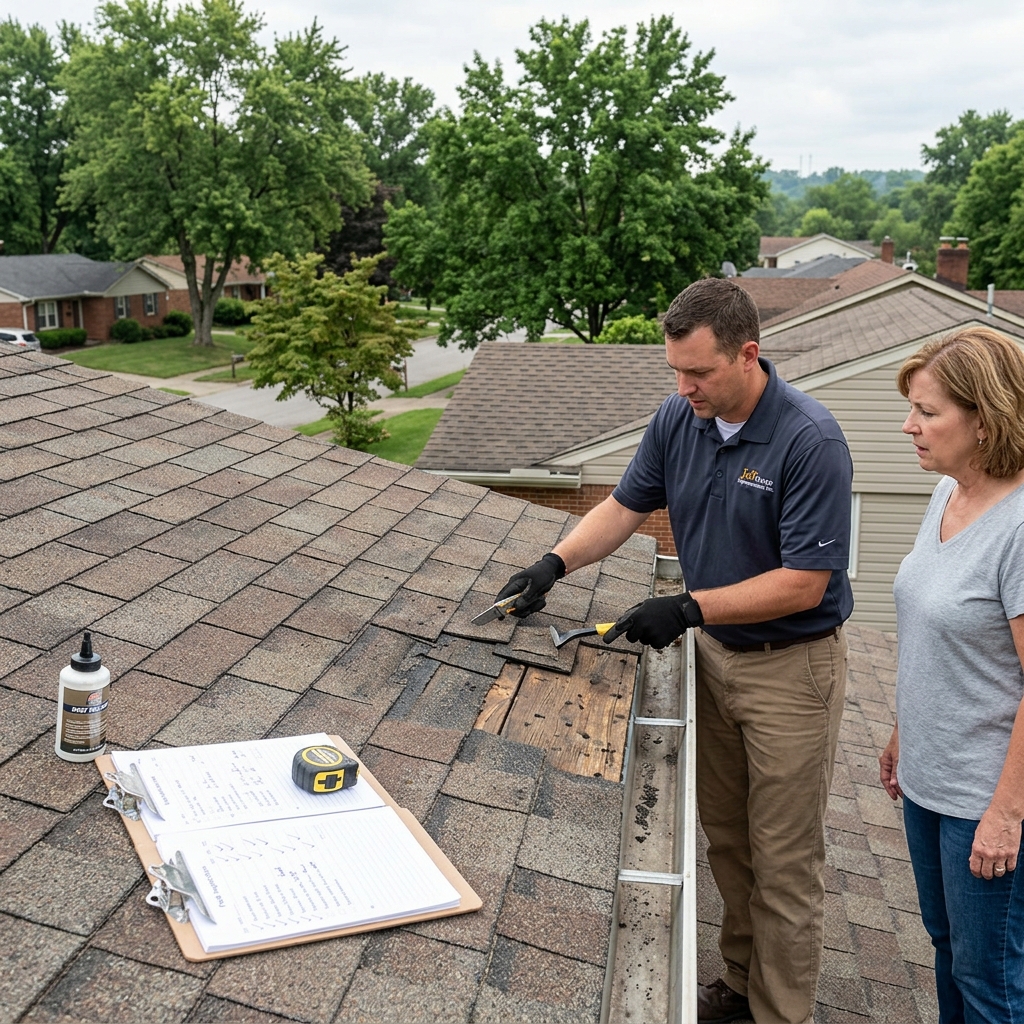
Gutters that are clogged or pull away from the roofline cause water to pool at the edges and back up under shingles. Debris-filled gutters also add weight that stresses fasteners and causes sagging. Regular gutter cleaning and inspection is essential, and we offer gutter guard systems that keep debris out and water flowing freely.
Flashing failures are common around chimneys, vents, and skylights. Metal flashing can rust, crack, or separate from the roof, creating leaks that damage interior framing. Once flashing fails, water damage spreads quickly.
Lack of maintenance speeds deterioration. A roof that goes 10 years without inspection, gutter cleaning, or debris removal will fail noticeably earlier than one that receives regular care.
Signs Your Asphalt Roof is Nearing the End
Watch for these specific warning signs that your roof is approaching the end of its usable life.
Granule loss is one of the earliest indicators. Run your hand along a gutter downspout after rain or look in your gutters for dark, gritty material. Granules protect shingles from UV and weather; when they wash away, the asphalt underneath becomes exposed and degrades rapidly. Significant granule loss usually means you have 2 to 5 years left before leaks start.
Curling or cupping shingles appear as edges that lift up or the center that sags inward. This happens as shingles age and lose flexibility, especially in areas with poor ventilation or extreme temperature swings. Curled shingles don’t seal properly and let wind-driven rain penetrate.
Visible cracks, tears, or bald spots where shingles have broken off are clear signs of advanced wear. Once shingles start actively failing, water will find its way inside.
Sagging or uneven roof lines suggest structural issues, often caused by water damage or ventilation problems that have rotted the roof deck underneath. Sagging is serious and requires immediate professional assessment.
Leaks in your attic, water stains on ceilings, or mold spots are definitive proof that your roof has failed in at least one area. By the time you see interior water damage, the underlying problem has likely existed for weeks or months.
Active moss or algae growth isn’t just cosmetic. It indicates moisture retention and will accelerate deterioration if left unchecked.
If you see any of these signs, schedule an inspection right away. Early detection often means you can make targeted repairs before a full replacement becomes necessary.
The Jeff Home Improvements Roof Inspection Advantage
Our inspection process is more thorough than what most homeowners expect. We don’t just peek at your roof from the ground or make a quick assessment from the attic.
We conduct a full physical inspection, actually walking your roof (safely and carefully) to examine shingles, flashing, valleys, vents, and the roof deck condition. We look for granule loss, checking both gutters and downspouts. We assess ventilation by examining attic airflow, soffit vents, and ridge vents. We inspect gutters and downspouts for clogs, rust, or separation. We identify any visible signs of water damage or previous repairs.
We then provide a detailed report with photos, highlighting any areas of concern and recommending specific actions. We prioritize findings by urgency so you know what needs immediate attention versus what can wait. For many homeowners, this inspection becomes a baseline that helps them plan budgets over the next 5 to 10 years.
We also offer virtual consultations and instant estimates through our website. If you’d prefer not to have us on-site right away, we can discuss your roof’s age, condition, and any recent issues via phone or video, and provide preliminary guidance on replacement timing.
Our goal with every inspection is to give you clear, honest information so you can make decisions on your timeline and budget, not on emergency pressure.
Premium Roofing Options That Extend Durability
If you’re ready for a roof replacement, material choice significantly affects how long your new roof will last in our climate. We install high-performance roofing systems that outperform basic asphalt shingles.
Premium architectural shingles use multiple layers and enhanced asphalt formulations that resist UV breakdown and algae growth. They handle wind speeds up to 110 mph and impact from hail better than standard shingles. These typically last 25 to 30 years in Kentuckiana.
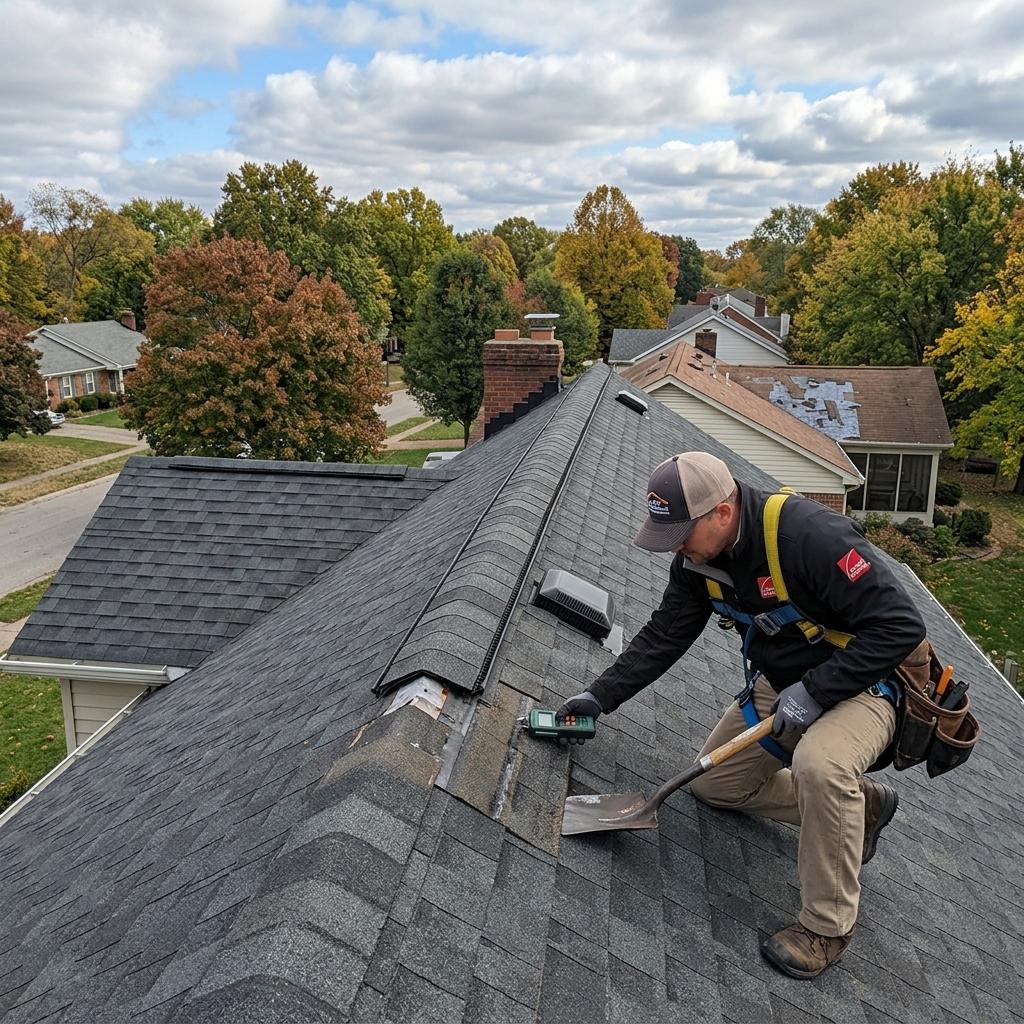
Dimensional or luxury shingles add even more durability and aesthetic appeal. They’re thicker, heavier, and engineered to resist weather extremes. Some premium lines include algae-fighting granules and come with extended warranties.
Impact-resistant shingles are worth considering if you live in an area prone to hail or falling debris. They’re more expensive upfront but can save you money on insurance premiums and repairs after storm damage.
Metal roofing is another option for homeowners seeking maximum longevity. Metal roofs last 40 to 70 years and handle Kentuckiana storms exceptionally well. They’re more expensive initially but rarely need repairs and have excellent resale value.
As an Owens Corning Platinum Preferred Contractor, we specialize in their premium shingle lines, which combine superior materials with our expert installation to maximize durability and warranty coverage.
The right material choice depends on your budget, roof age, and long-term plans for your home. We help you weigh the upfront cost against expected lifespan and maintenance needs.
Preventive Maintenance We Recommend for Kentuckiana Homes
The best way to extend your roof’s life is consistent preventive maintenance. Here’s what we recommend.
Schedule roof inspections every 3 to 5 years, or immediately after severe storms. Early detection of small problems prevents expensive water damage.
Clean gutters and downspouts at least twice per year, ideally in spring and fall. We offer gutter guard systems that significantly reduce debris accumulation while keeping water flowing freely. Guards are especially valuable in Kentuckiana where leaves and pollen accumulate quickly.
Trim tree branches that hang over your roof. Branches damage shingles, drop debris into gutters, and create shade that promotes algae and moss growth.
Check your attic ventilation regularly. Make sure soffit and ridge vents are clear of debris or blockage. Poor ventilation is one of the most common causes of premature roof failure in our region.
Have flashing around chimneys, vents, and skylights inspected and re-sealed if needed. Caulking and flashing deteriorate over time and should be refreshed as part of regular maintenance.
After storms with hail or high winds, do a visual inspection from the ground or have us check for damage. Small dents or lifted shingles may not seem important but become entry points for water.
Pressure washing can remove algae and moss, but only low-pressure washing should be used on asphalt shingles. High-pressure washing strips granules and damages shingles. If you hire someone for this service, specify low pressure.
These maintenance steps cost relatively little and extend roof life by 5 to 10 years in many cases. They also help us catch issues before they become emergencies.
Storm Damage Protection and Rapid Restoration Services
Kentuckiana’s storm season means many homeowners will eventually face hail, wind, or water damage to their roofs. How quickly you respond determines whether you face isolated repairs or widespread replacement.
We provide storm damage repair and restoration services on an emergency basis. After major storms, we prioritize calls from homeowners and can often have an inspector at your property within 24 hours. We document damage thoroughly with photos and measurements, which is essential for insurance claims.
Our storm damage process includes:
- Emergency tarping to prevent further water intrusion
- Comprehensive damage assessment and documentation
- Insurance claim support and photo evidence
- Rapid repairs or replacement as needed
- Follow-up inspections to ensure water hasn’t entered your home
We’ve handled hundreds of storm damage cases and know how insurance companies evaluate roof damage. We help ensure you get the coverage you’re entitled to and that repairs are completed to standard.
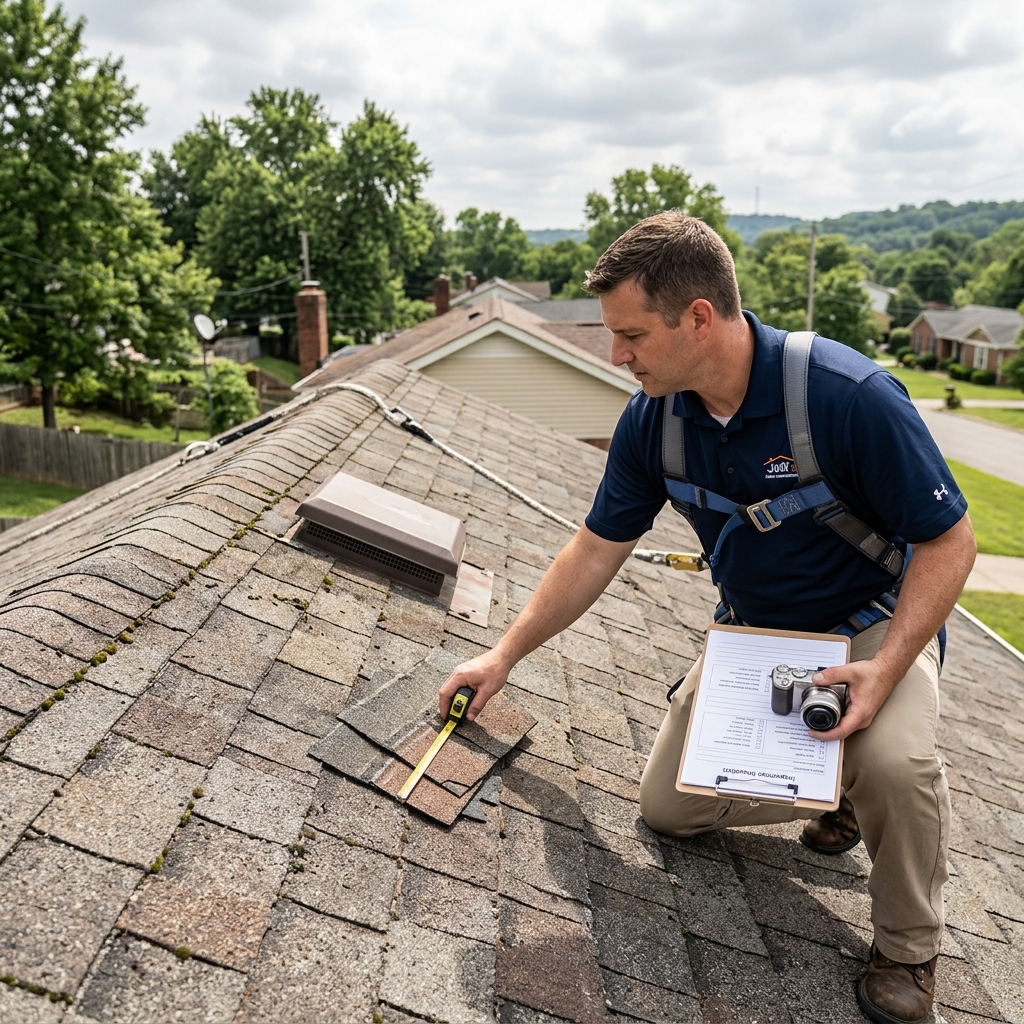
For homeowners with roofs nearing the end of their expected life, storm damage can actually trigger replacement at a time when you were already planning it. Understand your insurance coverage and how deductibles work so you can make informed decisions if a storm hits.
Why Upgrading Your Roof Makes Financial Sense
Replacing an aging roof is one of the highest-return home improvements you can make, especially in Kentuckiana where severe weather is common.
A new roof protects your most valuable asset. Water damage from a failed roof can rot framing, ruin insulation, promote mold growth, and damage ceilings, walls, and possessions. Repair costs from neglected roof leaks often exceed the cost of a complete replacement.
New roofing improves your home’s market value and curb appeal. Buyers are immediately reassured by a recent roof installation and warranty. A home with a 20-year-old roof often faces negotiating pressure or appraisal reductions.
Your homeowners insurance may offer premium discounts for new roofs. Some insurers reduce premiums for homes with roofs less than 10 years old, especially if you choose impact-resistant materials. Get quotes from your insurer before replacement to understand potential savings.
Energy efficiency can improve with the right roofing choices. Lighter-colored shingles reflect more heat, potentially reducing cooling costs in summer. Better ventilation that comes with a new roof installation also helps regulate attic temperature.
A roof replacement is a major investment, but the protection and peace of mind it provides justifies the cost. Most new roofs we install represent insurance against costly water damage, not an extravagance.
Our Owens Corning Platinum Installation Process
Being an Owens Corning Platinum Preferred Contractor means we meet rigorous standards for installation quality, customer service, and warranty support.
Our installation process begins with detailed measurements and material selection. We walk your roof, identify any structural issues, and explain exactly what we’re replacing and why. We order premium Owens Corning shingles and materials matched to your home’s style and your climate needs.
Installation follows a strict protocol:
- Removal of old roofing down to the deck
- Inspection and repair of the roof deck if needed
- Installation of quality underlayment for additional weather protection
- Shingle installation with the correct nail placement, spacing, and fastener type
- Proper flashing installation around all vents, chimneys, and skylights
- Final inspection and clean-up
We don’t rush installations. A typical residential roof takes us 2 to 4 days depending on size and complexity. We protect your landscaping, clean up daily, and conduct a final walk-through with you before we consider the job complete.
Owens Corning’s warranty support is substantial. Premium shingles come with extended manufacturer warranties covering material defects for 15 to 25 years. Because we’re a Platinum Contractor, we can also extend certain warranty benefits to our customers.
The investment in quality materials and careful installation reduces callbacks, extends roof life, and gives you genuine peace of mind. We stand behind our work and your roof will be built to last.
Schedule Your Free Roof Assessment Today
If your roof is 15 years old or older, showing any signs of wear, or if you want to plan ahead for replacement, contact us for a free assessment. We’ll inspect your roof thoroughly, explain what we find, and discuss timing and options with no pressure or hidden agendas.
Call us or visit our website to schedule your inspection. We offer virtual consultations if you prefer to start that way. Based on what we find, we can provide an accurate estimate for repairs or replacement and discuss how to proceed on your timeline.
Our team has been serving Kentuckiana homeowners and commercial property managers since 1989. We understand our region’s climate challenges and know how to install roofs that withstand them. Let us help you understand your roof’s condition and plan the right solution for your home.
Contact us today for a free in home, no obligation quote on your roof




 INDIANA
 KENTUCKY