
Why Storm Damage Claims Overwhelm Most Louisville Homeowners
Storm season in Kentucky brings unpredictable weather, and when hail, wind, or torrential rain strikes your home, the damage compounds quickly. The roof leaks, siding gets torn, gutters separate from the fascia, and suddenly you’re facing thousands in repairs. What makes this worse isn’t just the physical damage—it’s the confusion that follows. Insurance paperwork, coverage limits, adjuster appointments, and contractor selection all pile up at once, leaving most homeowners unsure where to start.
We’ve helped hundreds of Louisville-area property owners navigate this exact situation since 1989. Over the decades, we’ve learned what works and what doesn’t when it comes to filing claims, documenting damage, and getting the repairs done right. This guide walks you through the entire process, step by step, so you can make informed decisions and recover faster.
Storm damage claims fail or come up short for a few consistent reasons. Most homeowners don’t understand their policy limits, don’t photograph damage correctly, and don’t involve a qualified contractor early enough. By the time they call for help, weeks have passed and evidence has degraded.
Insurance companies receive thousands of claims after major weather events. Without professional documentation and a clear timeline, yours can easily get lost in the shuffle or receive a lower payout than justified. Homeowners also underestimate the total scope of damage. A roof can hide water intrusion inside attics and walls. Siding damage can lead to mold if not addressed quickly. Gutters that seem “dented but functional” can cause foundation issues over time.
The emotional weight adds another layer. You’re already stressed about damage to your home, so the prospect of fighting with insurance companies feels overwhelming. Many homeowners give up or accept the first settlement offer without understanding whether it covers the full scope of repairs. This is where having a trusted contractor on your side makes all the difference.
What to do next: Schedule a free virtual consultation with us as soon as damage occurs. We’ll give you an honest assessment of what you’re looking at and help you understand what insurance typically covers for your type of damage.
Understanding Your Coverage: What Insurance Actually Pays For
Your homeowner’s insurance policy covers sudden, accidental damage from named perils. For storm damage, this typically includes wind, hail, lightning, and heavy rain. What your policy does not cover includes general wear and tear, poor maintenance, or damage that develops over time.
Most policies use one of two payment methods: actual cash value (ACV) or replacement cost value (RCV). ACV accounts for depreciation, meaning a 10-year-old roof will pay out less than a 2-year-old one, even if both sustain identical damage. RCV pays what it actually costs to replace the damaged item with a new one of similar quality, without depreciation. Your deductible also matters significantly. A $1,000 deductible means you pay the first $1,000 of repairs; the insurance covers the rest. Higher deductibles lower your premiums but mean you pay more out of pocket after a claim.
Coverage limits cap how much the insurance company will pay. If your home’s roof coverage limit is $15,000 and storm damage costs $25,000 to repair properly, you have a $10,000 gap unless you have additional coverage. Some policies include optional endorsements like wind or hail deductibles that differ from your standard deductible.
Understanding these details before a storm hits saves enormous frustration afterward. Review your policy now, note your deductible and coverage limits, and call your agent if anything is unclear.
The Critical First 48 Hours After Storm Damage Strikes
The hours immediately after a storm define how well your claim proceeds. Your first priority is safety: ensure no one is in danger from falling debris, exposed electrical wiring, or structural instability. If the roof is severely damaged or interior water is actively entering, shut off electricity to affected areas and move valuables away from the leak.
Once you’re safe, take photos and video from multiple angles. Document everything: roof shingles, siding, gutters, landscaping, and interior water stains. Your phone camera is fine. Take wide shots and close-ups. If there’s active water intrusion, capture that too. These images become evidence for your claim and proof of damage scope.
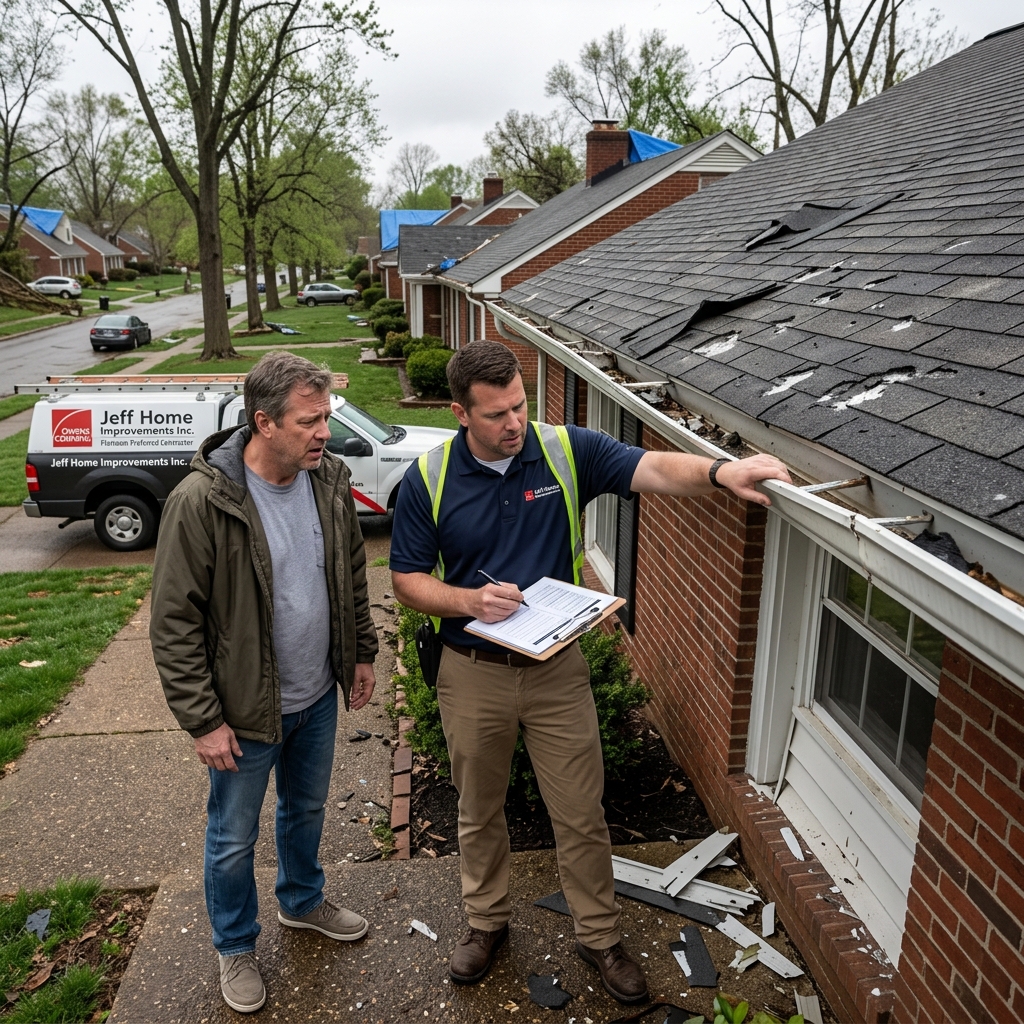
Next, call your insurance company. Most insurers have 24/7 claims lines. Provide your policy number and a brief description of what happened. Ask when an adjuster will contact you and what documentation they need. Many companies now process claims digitally, so ask if you can submit photos online.
After reporting to insurance, call us. We’ll schedule a prompt inspection, even before the adjuster arrives. This early assessment protects you: we’ll identify all damage, note conditions that require urgent attention, and create documentation that supports your claim. We can also advise you on temporary repairs (like tarping the roof) to prevent additional water damage while the claim processes.
Actionable step: Save your insurance company’s claims number and the adjuster’s contact information in your phone immediately after reporting. You’ll reference this repeatedly over the coming weeks.
How We Document Damage to Maximize Your Insurance Claim
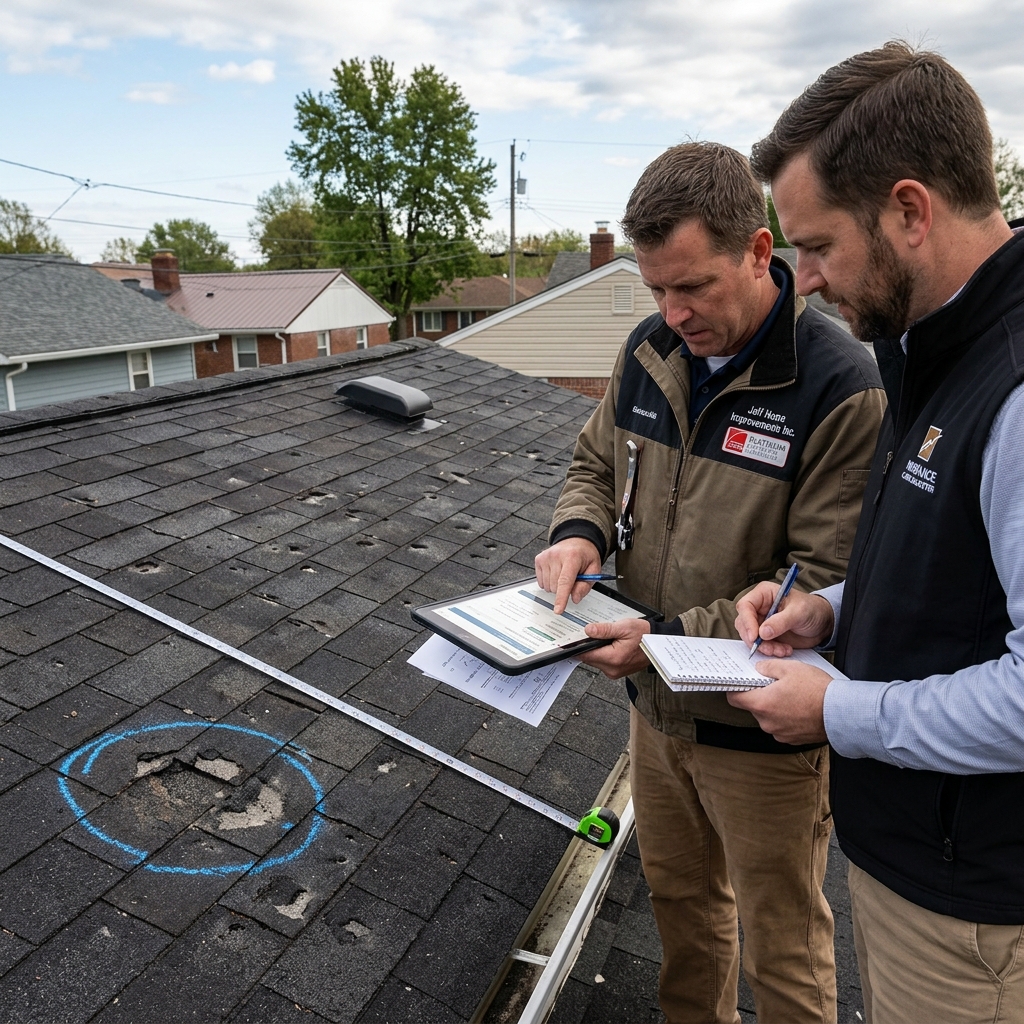
Professional damage documentation is one of the strongest tools in your corner during the claims process. When we inspect storm damage, we create a detailed report that includes measurements, photos, diagrams, and repair cost estimates. This documentation becomes part of your claim file and carries significant weight with adjusters because it comes from an licensed contractor.
Our process starts with a thorough exterior inspection. We photograph every affected surface from multiple distances and angles. We measure damage dimensions. For roof damage, we inspect from the roof itself and from the attic, documenting missing shingles, exposed plywood, damaged flashing, and any water intrusion. For siding, we check for dents, cracks, splits, and compromised seals. We examine gutters, downspouts, and soffit. We note the condition of vents, ridge caps, and chimney flashing.
We then generate an estimate that breaks down labor and materials by section. This estimate serves dual purposes: it shows the insurance adjuster what repairs actually cost in your area, and it gives you a clear understanding of the final scope of work. We also document pre-existing conditions that are not covered, so there’s no confusion later about what the claim should and shouldn’t include.
With this level of detail, adjusters have fewer reasons to dispute your claim or lowball the settlement. They see that a licensed professional has already assessed the damage and costed the repairs. This reduces their liability and speeds the claims process.
Our Process for Handling Storm Repairs From Start to Finish
Once your claim is approved and you’ve selected us to handle repairs, we manage every phase so you can focus on getting your life back to normal. Our approach is systematic and transparent from day one.
First, we schedule a pre-work consultation. We review the insurance settlement with you, confirm what’s covered and what isn’t, and discuss any gaps. If the settlement falls short of the full repair cost, we explain your options: accept the payout and do partial repairs, pay the difference out of pocket, or explore supplemental coverage options.
Next, we order materials. We’re an Owens Corning Platinum Preferred Contractor, so we source high-quality shingles, siding, and other materials that meet or exceed insurance guidelines. We secure these materials promptly to avoid delays.
Work begins with proper site preparation. We set up protective coverings for landscaping, establish parking and equipment staging areas, and ensure neighbors aren’t negatively impacted. We then execute repairs in a logical sequence, typically starting with roof work, followed by siding, gutters, and soffit as needed.
Throughout the project, we document progress with photos and maintain regular communication with you. If we discover additional damage during work (which sometimes happens once we open up affected areas), we inform you immediately and work with the insurance adjuster to adjust the claim if warranted.
We perform final quality inspections before cleanup and project closeout. We confirm all work meets building codes, that seams and seals are watertight, and that the finish is aesthetically consistent. We remove all debris and leave your property cleaner than when we arrived.
Next action: When you’re ready to move forward with repairs, we’ll provide a detailed project timeline so you know exactly what to expect and when the work will be complete.
Working Directly With Your Insurance Adjuster
We serve as a liaison between you and your insurance company throughout the process. This relationship is professional but straightforward: we’re here to ensure the claim is handled fairly and that repairs are completed to the insurer’s standards and yours.
When the adjuster inspects damage, we attend the appointment. We’re present to answer technical questions, point out damage the adjuster might miss, and ensure the assessment is thorough. If the adjuster’s initial estimate seems low, we provide our own documentation showing why the scope of work is larger. This isn’t confrontational; it’s simply presenting facts. Adjusters appreciate professionals who can clearly explain damage and costs.
If the adjuster’s estimate differs from ours, we discuss the discrepancies professionally. Sometimes it’s a disagreement about the extent of damage; sometimes it’s about material pricing or labor costs in your area. We provide market data, building codes, and technical standards to support our position. Most disputes resolve through these conversations without requiring additional escalation.
In rare cases where an adjuster and contractor genuinely disagree on scope or cost, your policy typically allows for appraisal or mediation. We’ve handled this process before and know how it works. We’ll guide you through it if needed.
Why Professional Assessment Increases Your Claim Value
Insurance adjusters assess damage objectively, but they work within tight time constraints and often evaluate multiple properties daily. They may miss secondary damage that becomes apparent once primary repairs begin. A professional contractor brings specialized knowledge about how storm damage affects different building systems and materials.
When we assess a roof, for example, we look beyond visible shingle damage. We inspect flashing seals around penetrations, check soffit and fascia for wind damage, examine gutters for dent patterns indicating impact force, and look inside the attic for water stains or leaks that suggest interior damage. We understand how hail damage progresses and which materials are most vulnerable. We know that a single split in siding can allow moisture into wall cavities, potentially causing mold or structural damage that isn’t visible from outside.
Adjusters often rely on what they can see from the ground and through photographs. We climb onto roofs, enter attics, and inspect every detail. When we find damage that the adjuster missed or underestimated, we document it thoroughly. This additional documentation supports a supplemental claim, increasing your total payout to cover the full scope of necessary repairs.
We’ve also assisted dozens of customers with roof replacement warranties and coverage questions, so we understand how warranty claims interact with insurance claims. We make sure you’re not double-paying for coverage or missing benefits you’re entitled to.
Common Mistakes That Reduce Storm Damage Payouts
We’ve seen homeowners inadvertently reduce their insurance settlements by making preventable errors. Knowing these mistakes helps you avoid them.
The first major mistake is delaying the claim. Insurance policies require you to report damage “promptly.” Waiting weeks or months weakens your position. By then, weather may have worsened existing damage, you’ll have difficulty remembering details, and the insurer may question why you waited. Report damage within 24-48 hours of discovery.
A second error is accepting the adjuster’s initial estimate without question. Adjusters sometimes miss damage. Have a contractor assess the property independently. If the professional assessment reveals additional damage, your adjuster can issue a supplemental estimate.
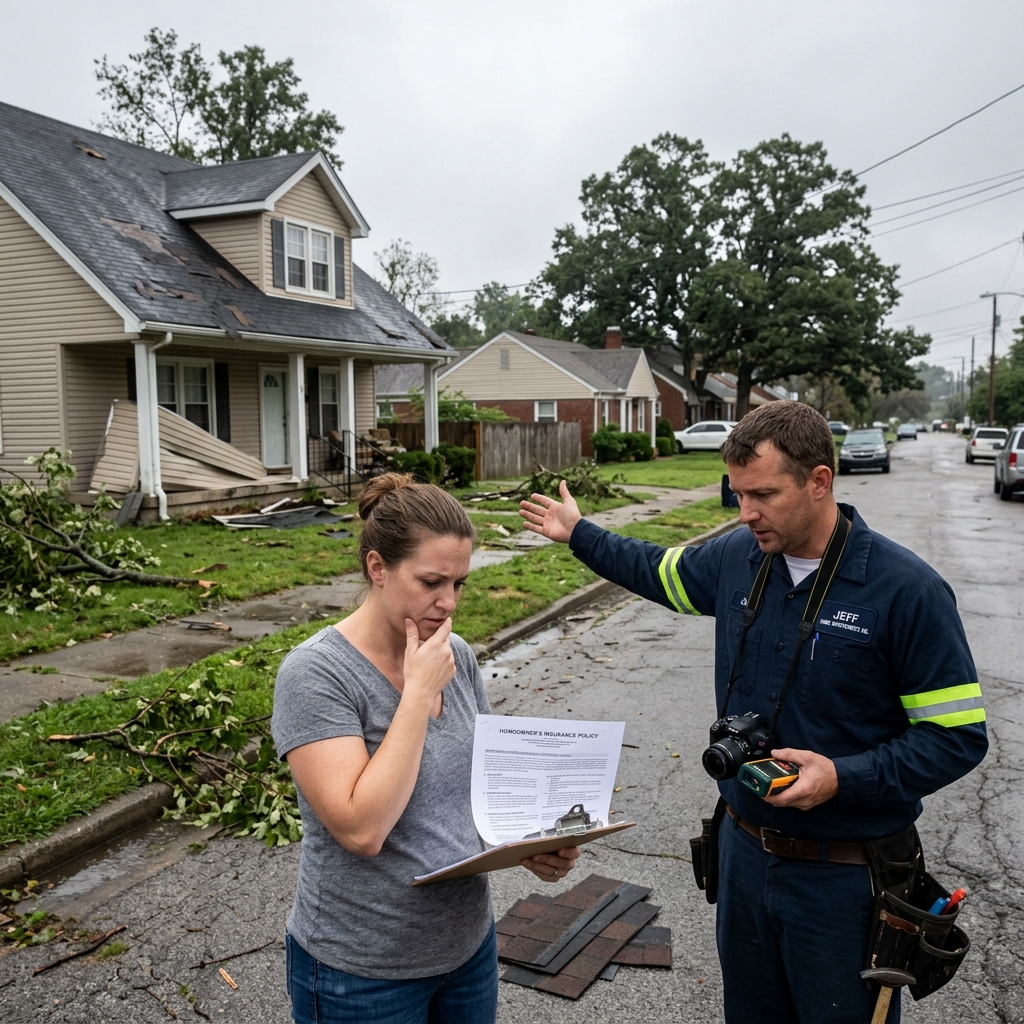
Hiring an uninsured or underqualified contractor creates massive problems. Some contractors intentionally inflate repair costs to inflate insurance claims, which is fraud. Others do subpar work that later fails. Insurers sometimes send inspectors to verify that repairs match the claim estimate. If work is shoddy, you’ll be liable for bringing it up to standard. We’re fully licensed and insured, so your repairs meet all building codes and insurance requirements.
Another mistake is performing partial repairs yourself before the insurance inspection. This can be seen as accepting the damage without proving its full extent. Even if you’re capable of DIY repairs, wait until the adjuster has assessed everything. Then make temporary repairs (like tarping a leak) to prevent additional damage.
Finally, many homeowners fail to keep detailed records. Write down the date you reported the claim, the adjuster’s name, every conversation you have, photos you submitted, and costs you’ve incurred. This trail protects you if disputes arise.
Quality Materials and Workmanship for Long-Term Protection
Your insurance settlement represents the funds available for repairs, but how those funds are used determines whether repairs last or fail prematurely. We prioritize quality in both materials and labor because a quick, cheap fix often costs more in the long run.
As an Owens Corning Platinum Preferred Contractor, we install roofing products that carry strong warranties and proven durability. Owens Corning shingles are engineered for Kentucky’s weather, including hail resistance and wind performance. We don’t cut corners by installing budget-grade materials that might void warranties or fail within a few years.
Our installation standards exceed industry minimums. Every shingle is fastened correctly. Every seam is sealed properly. Flashing is installed with multiple layers of protection. Gutters are secured to proper specifications with adequate slope for drainage. When we finish a repair, it’s built to last another 20-30 years, not just until the warranty expires.
We also provide guidance on roofing mistakes to avoid so you understand the difference between acceptable and superior craftsmanship. This knowledge helps you evaluate contractors and understand why some bid lower than others.
Investing in quality during the repair process means you won’t face recurring damage from the same storm two years later. Your home stays protected, your insurance won’t see claim after claim from the same property, and your property value remains strong.
We Handle the Entire Restoration Process for You
From the moment you contact us after storm damage, we become your advocate and project manager. You don’t have to juggle insurance companies, adjusters, permit requirements, and contractor coordination. We do that.
Our full-service approach includes initial damage assessment, insurance claim support, detailed documentation, permit acquisition if needed, material ordering, professional repair execution, quality inspections, and final project closeout. We handle communication with your adjuster, address any scope adjustments that arise during work, and ensure every detail meets your expectations and insurance guidelines.
This comprehensive approach is why hundreds of Louisville homeowners have called us first after storm damage. You get the assurance that a family-owned business with 35+ years of experience is managing your restoration. You’re not dealing with a large national contractor that treats your claim as one of thousands. You’re working with local professionals who know Kentuckiana building codes, local material suppliers, and the unique challenges of our climate.
If you’ve experienced storm damage or are concerned about your home’s vulnerabilities, we’re ready to help. We offer free virtual consultations and instant estimates on our website. Contact us today for a professional assessment and peace of mind. Visit our storm damage repair page to learn more about our services, or call to schedule your consultation immediately.
Contact us today for a free in home, no obligation quote on your roof




 INDIANA
 KENTUCKY