A roof replacement can begin with damage, but the finished project can point in a completely new direction. That was the case for a Louisville homeowner who came to Jeff Home Improvements after a storm damaged the existing shingle roof.
The homeowner found us through Google and needed a clear solution for a roof that could no longer stay as it was. We replaced the damaged shingles with a metal roof, giving the home a new roofing system and a noticeably different exterior appearance.
For us, this project stands out because the story is not limited to replacing what was lost. It shows how an unexpected roofing problem can lead to a different material choice and a fresh result.
A Storm Changed the Plan
The original roof was asphalt shingles, and storm damage created the need for replacement. That put the homeowner in a position many property owners know well: a major exterior project suddenly became a priority.
We focused on solving the problem in front of us. Rather than returning the home to the same shingle roofing, the client moved forward with metal roofing for the replacement.
That choice gave the project a clear before-and-after story. The home began with a storm-damaged shingle roof and finished with a new metal roof installed by our team.
“We took a storm-damaged shingle roof in Louisville and replaced it with a new metal roofing system.”
A Different Direction for the Replacement
Roof damage often starts the conversation, but material choice shapes the final result. For this Louisville project, moving from shingles to metal changed the look of the home while addressing the need for a full roof replacement.
We see value in giving homeowners a solution that fits the situation they are facing. Here, the solution was straightforward: remove the damaged roof and complete the replacement with metal.
That shift made the completed project easy to recognize. Instead of recreating the previous roof, we helped the homeowner move forward with a different roofing material after the storm.
It is a useful example for other Louisville homeowners who may find themselves facing a similar decision after severe weather. Roof replacement can be an opportunity to consider a different material when that option matches the homeowner’s goals.
The Result That Mattered Most
A completed roof is important, but we also pay attention to how the homeowner feels once the work is done.
In this case, the customer was happy with the hard work our team put into the replacement. That response gave the project a satisfying finish after it began with storm damage and an unexpected roofing need. We were glad to deliver a completed metal roof and leave the homeowner pleased with the effort behind the work.
For us, that is what turns a roofing job into a project worth sharing.
Ready to Replace a Storm-Damaged Roof in Louisville?
If your Louisville home has storm damage and replacement is becoming the next step, we can help you explore a metal roofing solution. Contact us to request a quote or schedule a visit for your property. We can review your roofing needs and help you move from storm damage toward a completed replacement with a local team ready to put in the work.
A roof leak was the first sign of trouble at this Sellersburg, IN, home. The homeowner had worked with us before, so when water started getting in and damaged wood became part of the concern, they called our team again.
What began as a leak call quickly became a larger roofing project. Once we got into the roof system, the wood underneath needed serious attention. Rather than covering damaged material and moving on, our crews removed the existing roofing, replaced the decking, and installed a new asphalt shingle system over a solid surface.
That change beneath the shingles became the most important part of the job.
The Leak Was Only the Visible Symptom
Roof leaks can be frustrating because the spot where water shows up inside does not always reveal the full condition of the roof above it. On this Sellersburg project, damaged wood had to be addressed along with the shingles.
Our crews at Jeff Home Improvements replaced all of the decking underneath the roofing. The aerial progress photos tell that story clearly. With portions of the roof opened up, the new wood surface became visible before the final roofing materials went on.
For a homeowner, this is the kind of work that can make a major difference in the finished repair. New shingles need a dependable surface beneath them. By replacing the decking, we were able to move forward with the roof installation on sound wood instead of leaving damaged sections in place.
The finished roof has a clean, consistent appearance from edge to edge. From above, the Peppercorn color creates a sharp contrast with the green lawn, landscaping, dark driveway, and outdoor living space around the home. More important, the visible transformation reflects the work completed underneath.
This was not a surface-level shingle swap. We addressed the damaged wood first, rebuilt the roof deck, and then completed the new shingle installation.
That sequence matters.
It gave the homeowner a finished roof that looked complete from the outside while also resolving the damaged material uncovered during the leak project.
Returning for a Client We Had Served Before
There is something meaningful in being called back by a previous client. They already knew our team and chose us again when a roof leak created a new problem at their Sellersburg home.
By the end of the project, the customer was beyond happy with our work. That reaction came after a job that required more than replacing shingles. We took care of the damaged wood, replaced the decking underneath, and installed the new Owens Corning Peppercorn roof to complete the transformation.
For other Sellersburg homeowners, this project is a good reminder that a leak deserves attention before more wood is affected. Water intrusion can point to damage that is not fully visible from the ground or from inside the home.
We can inspect the problem, identify damaged roofing materials, and recommend the next step based on what we find. Getting the roof checked early can help you make a clear plan before the damage spreads farther.
A bright blue tarp covering one side of a roof sends a clear message: the home needs help, and the next rainfall could make matters worse. That was the scene at this Louisville, KY, property after a small wind and rain storm left the roof leaking.
The homeowner found us through an internet search and reached out for help. We came out right away and moved forward with the solution the property needed: a full roof replacement.
When a Small Storm Reveals a Bigger Need
Roof trouble does not always begin with dramatic weather. In this case, a smaller Louisville storm brought enough wind and rain to expose a leak. Once water starts entering a home, waiting can allow the problem to spread beyond the roofing surface.
Our immediate priority was to help the client address the active concern. From there, the project shifted from short-term protection to a lasting replacement. Roof replacement and storm-related roofing work are central services we provide for homeowners across Louisville and the surrounding Kentuckiana area.
The before image captured the condition clearly. A large blue tarp covered part of the roof, while the remaining section showed the existing asphalt shingles. From above, the contrast made the need for a complete, unified roofing surface easy to see.
Turning an Urgent Call Into a Complete Solution
We replaced the roof so the homeowner would no longer be relying on temporary protection. The completed aerial image shows a consistent shingle roof from edge to edge, giving the home a clean, finished appearance.
This was a straightforward goal with real importance behind it. The client needed the leak handled, and we provided a complete replacement rather than leaving the property vulnerable after the storm. The finished installation replaced the exposed, temporary condition with a complete roof over the home.
The surrounding property also shaped the visual story.
This Louisville home sits on a green, tree-lined lot with nearby houses close enough to reflect a familiar neighborhood setting. The finished roof fits the home naturally while replacing the uneven, partially covered look seen before our work.
A Happy Result for the Homeowner
The homeowner was happy with the completed work. That reaction mattered because this project started with an unexpected leak and the stress that follows water entering a home. We helped turn that urgent moment into a finished roof and a completed solution.
At Jeff Home Improvements, we have served Louisville and the Greater Kentuckiana area as a family-owned company since 1989. Our roofing work includes repairs, replacements, inspections, and storm damage service, giving local homeowners experienced support when wind and rain expose a problem.
Schedule a Louisville Roof Visit
When wind or rain exposes a leak at your Louisville home, request an estimate or call our Louisville office. We can schedule a visit, review the roof, and help you take the next practical step before another storm gives the leak more room to spread.
For one homeowner in New Pekin, IN, the damage was serious enough to require a full replacement. We first connected through Google, then arrived with a clear goal: remove the damaged roofing and restore dependable coverage over the home.
The roof covered a long ranch-style layout, with intersecting sections near the front entry and side gable. Every slope, edge, and transition needed careful attention so the finished system would look unified from the driveway.
Turning Storm Damage Into a Clear Plan
We approached the property as a complete replacement rather than a limited patch. After removing the old roofing, we installed protective underlayment across exposed areas and moved methodically from section to section.
The in-progress photo shows our crew working across the broad front slope.
Our crews worked hard while managing ladders, safety equipment, supplies, and active work zones around the home. That behind-the-scenes coordination helped us maintain steady progress, which mattered to a homeowner who wanted the property protected again without unnecessary delay.
The completed roof gives the home a fresh, updated appearance. From the front, the new gray roofing complements the siding, shutters, and white trim. From above, even asphalt shingle lines carry across the main roof, entry section, and adjoining gable.
The aerial view reveals details that are harder to see from the lawn. Multiple planes, vents, edges, and transitions all meet across the structure. We completed each area with a consistent finish, giving the entire home one cohesive look from every angle.
The homeowner was very happy with our work and especially pleased with how quickly we completed it. That response captured the result we wanted.
We restored the roof after storm damage, refreshed the exterior, and kept the replacement moving with a hardworking crew.
A Timely Reminder for New Pekin Property Owners
After severe weather moves through Indiana, visible or suspected roof damage deserves prompt attention. We recommend scheduling an evaluation so the property owner can understand the condition and move toward an appropriate repair or replacement plan.
This project shows what focused execution can accomplish.
We began with storm damage, organized the installation across a broad ranch-style structure, and finished with a clean surface that looks sharp from the road and from above. Simple goal, careful work, strong result.
Request a Roof Visit in New Pekin, IN
We are ready to help New Pekin homeowners facing storm damage or planning a full roof replacement. Request an estimate to schedule the next step and understand what your roof needs before another severe storm places the home at greater risk.
After a storm left this New Pekin ranch home with roof damage that called for more than a limited repair, the homeowner turned to Google and found Jeff Home Improvements. Their goal was clear: restore dependable protection and bring the exterior back to a clean, finished appearance.
From the street, the home already had a strong, coordinated palette.
Gray vinyl siding, black shutters, a black front door, white trim, and broad lawn areas gave the property a classic look. The damaged roofing stood between that exterior and the polished result the homeowner wanted.
A Full Replacement for Connected Roof Sections
This was a single-story, ranch-style home set on an open residential lot with a large gravel driveway and mature trees. Its roof included several connected planes, long ridge lines, a front-facing gable, plumbing vents, and a larger metal exhaust flue.
Because the storm-related damage was significant enough to require full roof replacement, we completed new roofing across the main structure and every connected section. Our focus was consistent coverage from one plane to the next, with careful attention around each roof penetration and along the visible ridges and hips.
We installed dark charcoal dimensional asphalt shingles across the entire roof.
Their layered profile adds texture while keeping the overall appearance crisp and uniform. Matching ridge-cap shingles completed the ridges and hips, helping each roof section read as part of one finished system.
Around the plumbing vents and metal flue, we fitted the roofing to maintain a neat, consistent appearance. Those smaller areas matter. When they are handled carefully, the finished roof looks intentional from every angle rather than pieced together.
A Stronger Exterior From Every View
The completed roof shows even shingle coverage, straight courses, clean edges, and consistent color across the connected planes. Aerial views highlight the long ridge lines and the way the charcoal shingles carry smoothly across the full structure.
At street level, the new roof ties directly into the home’s existing colors.
The charcoal tone works especially well with the gray siding and black exterior accents.
White trim adds contrast, while the new roofing gives the whole property a more updated and complete appearance. The result feels balanced rather than overly dramatic, which suits the ranch-style design.
Most importantly, we fully replaced the storm-damaged roofing and restored the home’s weather protection. The homeowner was very happy with the completed work, and the finished views show why.
Every section now shares the same clean courses, dark tone, and orderly roof lines.
Planning a Roof Replacement in New Pekin?
Storm damage can affect more than one visible area, especially on homes with connected roof planes and long ridge lines. A full evaluation can help determine when replacement is the right path for dependable protection and a consistent exterior finish.
If your New Pekin home has storm-related roof damage, request a roof replacement quote from us. Schedule an on-site visit so we can review the roof, discuss the condition of each section, and help you take the next step before further weather puts the property at greater risk.
Understanding the Roof Repair vs. Replacement Decision
When you spot a leak or notice missing shingles, your first instinct might be to patch the problem. That’s reasonable, but it’s not always the best long-term choice for your home. The decision between roof repair and roof replacement depends on several factors that go beyond the initial damage you see.
We guide Louisville homeowners through this decision every week. The core question is simple: will repairs give you reliable protection for years to come, or are you just delaying an inevitable replacement? Answering honestly requires looking at your roof’s age, the extent of damage, your budget, and your risk tolerance.
A quick repair might save a few hundred dollars now, but a roof that’s nearing the end of its lifespan will demand repeated attention and leave you vulnerable to weather events. The Kentuckiana region experiences significant spring storms, humidity swings, and temperature fluctuations that strain aging roofing systems. By understanding what triggers a replacement decision, you can avoid costly surprises and protect your investment.
Key Signs Your Roof Needs Replacement Rather Than Repair
Your roof sends clear signals when it’s ready to retire. Learning to recognize these signs helps you act before minor issues cascade into major damage.
Widespread missing or damaged shingles is the most obvious red flag. If you’re seeing shingles curling, cracking, or gone entirely across multiple sections, patching individual spots won’t solve the underlying problem. The remaining shingles are likely near the same stage of deterioration.
Multiple leaks in different areas tell a different story than a single leak from a storm. One leak might come from a localized problem like a loose flashing or an isolated weak spot. Multiple leaks scattered across the roof suggest the entire roof is failing and no longer repelling water effectively.
Granule loss is another critical indicator. Run your hand along a gutter and feel for sand-like particles. Asphalt shingles naturally shed granules over time, but accelerated granule loss means the protective layer is eroding faster than normal. Once you lose that protective coating, the shingle deteriorates quickly.
Sagging or visible structural issues demand immediate replacement, not repair. If your roof appears to dip or bow in any section, your decking or support structure has been compromised by water damage. This situation is dangerous and won’t improve with patching.
Moss or algae growth, while not immediately dangerous, suggests trapped moisture and poor drainage. Heavy moss accumulation can trap water and accelerate decay. In our humid Kentucky climate, moss problems typically indicate the roof isn’t shedding water as it should.
When you spot any combination of these signs, [roof replacement] becomes the practical choice over repeated repairs.
Age of Your Roof: A Critical Factor
Roof age is often the deciding factor in the repair vs. replacement equation. Standard asphalt shingle roofs are designed to last 20 to 25 years under normal conditions. If your roof is approaching or past this window, replacement makes sense even if the damage seems manageable.
Think about it from a practical standpoint: if your roof is 23 years old and you spend $2,000 fixing a leak, you’re probably getting only one or two years of use before the next failure occurs. Then you’re back on a ladder or calling a contractor again.
We typically recommend checking your paperwork to find your roof’s installation date. If your home’s records don’t show this information, a professional inspection can estimate the age based on shingle condition and style. Homes built in the Louisville area in 2002 or earlier are likely due for roof evaluation right now in 2026.
Newer roofing materials like architectural shingles or premium brands may extend to 25 to 30 years. If you’re considering a replacement, choosing quality materials from our [Owens Corning Platinum Preferred Contractor] certification means you’re investing in durability.
Age alone doesn’t automatically mean you need replacement, but combined with other damage signs, it tips the scales decisively. A 24-year-old roof with multiple leaks isn’t a candidate for repairs; it’s time for a fresh start.
Extent of Damage: Comparing Repair-Only vs. Replacement Scenarios
The scope of damage is where repair and replacement truly diverge in practicality and cost-effectiveness.
Repair scenarios work well when damage is limited and localized. A single tree branch puncturing the roof after a storm, one loose flashing around a chimney, or a small section of damaged shingles from wind are all excellent candidates for repair. The surrounding roof is sound, and addressing the specific problem restores full function.
Replacement becomes necessary when damage affects 30 percent or more of your roof. If you’re looking at damage across multiple slopes or in multiple locations, the cost of individual repairs starts approaching replacement expense. Moreover, when you repair an old roof extensively, you end up with a patchwork of old and new materials that don’t age uniformly.
Consider this scenario: a hailstorm damages 40 percent of your roof. You could replace the damaged sections, but you’ve now got new shingles next to 20-year-old shingles that might fail shortly after. Your roof looks inconsistent, performs unevenly, and you’re likely to face another major repair in a few years anyway.
Storm damage in the Louisville area happens regularly. Hail, high winds, and ice damage can compromise large roof sections simultaneously. Our storm damage assessments help determine whether repairs or [roof repair vs replacement] evaluation makes sense. If half your roof is damaged and the other half is aging, complete replacement provides better overall protection and peace of mind.
Cost Comparison: Short-Term Repairs vs. Long-Term Roof Replacement
Initial cost is often the first number homeowners focus on, but it rarely tells the full financial story.
A roof repair typically costs between $300 and $1,500 depending on the damage. Replacement for an average Louisville home runs $8,000 to $15,000 depending on size, slope, and material choice. That’s a significant upfront difference, and for budget-conscious homeowners, the repair option looks immediately attractive.
However, the math changes when you factor in timeline and frequency. If your roof requires repairs every 2 to 3 years, you could spend $1,000 per year on maintenance over a 10-year period. That’s $10,000 in repair costs before you eventually face replacement anyway. Meanwhile, a $12,000 replacement provides guaranteed protection for 20+ years without the ongoing maintenance expense.
There’s also the hidden cost of risk. An aging roof that requires constant patching leaves you vulnerable to catastrophic failure. A sudden heavy rainstorm could cause water damage costing tens of thousands of dollars in interior repairs, mold remediation, and contents damage. That’s not just expensive; it’s disruptive to your family or business.
Insurance considerations matter too. Some insurers charge higher premiums for homes with aging roofs, and they may deny claims related to damage on a roof they deem unmaintainable. A new roof often qualifies for insurance discounts that offset some replacement costs.
When we meet with Louisville homeowners to discuss cost, we look at the complete financial picture. A replacement with quality materials is an investment that protects your home’s value and eliminates years of uncertainty.
Energy Efficiency and Weather Protection Benefits
A new roof does more than keep water out. Modern roofing materials and installation techniques improve how your home manages temperature and weather stress.
Newer shingles often feature reflective coatings that reduce heat absorption in summer. This can lower cooling costs, which matters significantly in our humid Kentucky climate where air conditioning runs hard from June through September. Some premium materials can reduce roof surface temperature by 20 to 30 degrees compared to aged dark shingles.
Proper installation also improves ventilation and moisture management. An old roof may have inadequate ventilation or damaged ventilation systems that allow humid air to accumulate in your attic space. This creates ideal conditions for mold growth and accelerates wood decay. A replacement with modern ventilation keeps your attic dry and your insulation performing at design capacity.
Weather protection is enhanced through updated flashing, sealing, and installation standards. We use current best practices to seal valleys, penetrations, and edges where most leaks originate. Aged roofs were often installed with techniques that don’t meet today’s standards for wind and water resistance.
Gutter integration matters too. We coordinate roof replacement with gutter and gutter guard installation to ensure comprehensive water management. Water that doesn’t get diverted away from your foundation through proper gutters runs down your exterior walls and can seep into basements or crawl spaces.
For Louisville properties facing regular storm challenges, a new roof with modern materials and installation provides measurably better protection and efficiency than patching an aging system.
Why Our Comprehensive Roof Assessment Makes the Difference
The decision between repair and replacement is only as good as the assessment behind it. We don’t rely on a quick walk-around or phone estimate to recommend such a significant investment.
Our comprehensive roof assessment uses multiple evaluation methods. We examine shingle condition, check for underlying damage to decking and framing, assess ventilation, review flashing and transitions, and evaluate drainage patterns. This detailed approach reveals problems hidden from surface inspection.
We take photos throughout the assessment so you can see exactly what we’re seeing. This transparency helps you understand the recommendation. If we recommend repair, we show you why the surrounding roof is sound. If we recommend replacement, we show you the deterioration patterns that drove that decision.
We also consider your home’s specific situation. Factors like roof pitch, attic insulation, ventilation setup, and exposure to prevailing weather patterns all influence how quickly roofs age and fail. A south-facing roof in direct sunlight ages faster than a north-facing roof on the same home.
Our assessment includes a detailed estimate showing material costs, labor, timeline, and warranty information. You’re never left guessing about what the work involves or what protection you’re getting.
We offer virtual consultations and instant estimates using photo analysis and measurements, which provides preliminary guidance without waiting days for an in-person appointment. This technology helps busy Louisville homeowners get answers quickly.
Storm Damage and Louisville Weather Considerations
The Kentuckiana region experiences weather patterns that accelerate roof aging and create damage scenarios you won’t see in more moderate climates.
Spring brings severe thunderstorms with hail, high winds, and occasional tornadoes. Hail damage appears as small dents or dimples in shingles that compromise the protective granule coating. You might not notice hail damage immediately, but it accumulates over years and leads to accelerated degradation.
Summer humidity creates challenges that dry climates don’t face. Moisture gets trapped in attics and under shingles, promoting mold growth and wood decay. Proper ventilation becomes critical for roof longevity.
Winter ice dams form when heat escapes through inadequate attic insulation, melting snow on the roof. Water runs to the cold eaves, refreezes, and backs up under shingles. This cycle forces water into your home and damages the sheathing beneath.
Fall leaves clog gutters and trap moisture against the roof surface. Without proper gutter protection, water accumulation leads to leaks and vegetation growth.
When you’ve experienced significant storms in Louisville, professional damage assessment becomes essential. What looks like isolated damage might be part of a larger pattern. We see many roofs where storm damage is the final factor pushing an already-aging roof into replacement territory.
Insurance claims for storm damage often cover replacement cost, especially if you have comprehensive coverage. This timing can make replacement more affordable than you’d expect if a damaging storm has recently impacted your property.
The Long-Term Value of Choosing Roof Replacement
Replacement is an investment, but it’s an investment with measurable returns beyond just avoiding leaks.
Your home’s resale value is directly tied to roof condition. Real estate appraisers note roof age as a critical factor. A home with a newer roof commands higher value and sells faster than an identical home with an aging roof. If you’re planning to sell within 5 years, roof replacement often returns 60 to 80 percent of its cost through increased home value.
Peace of mind has real value too. Instead of worrying about the next leak or scheduling emergency repairs, you have a system designed to protect your home reliably for two decades. That’s freedom from uncertainty and the stress of unexpected expenses.
Structural protection prevents catastrophic damage. Water intrusion doesn’t just cause interior damage; it compromises the wooden framing and structural elements that hold your home together. Preventing that damage through a protective new roof is far cheaper than dealing with structural repairs later.
Energy savings continue year after year. Lower cooling costs in summer and better insulation performance in winter add up over time. The efficiency benefits compound across the 20+ year lifespan of a new roof.
If you own rental property, a new roof reduces maintenance calls and protects your investment. Tenants are happier with a reliable roof, and you avoid emergency repairs that disrupt business.
From every angle, choosing replacement instead of repeated repairs is the choice that protects your long-term interests.
We’re proud to carry the designation of Owens Corning Platinum Preferred Contractor. This certification isn’t just a badge; it represents a commitment to quality and training that protects your investment.
Owens Corning Platinum status requires meeting rigorous standards for installation quality, customer service, and business practices. We’ve passed comprehensive audits and maintain ongoing education on the latest installation techniques and material innovations.
This designation gives you direct access to Owens Corning’s comprehensive warranty programs. Standard warranties cover defects in materials, but as a Platinum Preferred Contractor, we can offer extended warranties that cover labor as well. That means you’re protected if anything goes wrong with your roof for the contracted period.
We have priority access to Owens Corning’s premium product lines, including their top-tier architectural shingles and specialty products. These materials offer superior durability and aesthetic options compared to standard shingles.
Our team receives ongoing training on Owens Corning products, which translates to proper installation that maximizes product performance. Shingles are only as good as their installation, and training matters significantly.
We also benefit from Owens Corning’s supply chain reliability. We’re confident we can source the materials your roof needs and maintain consistent quality across projects. This matters when you need to match existing materials or when supply chain disruptions affect other contractors.
Choosing us for [roof replacement] means you’re getting Owens Corning quality backed by our expertise and that Platinum Preferred Contractor accountability.
Getting Your Free Virtual Consultation and Instant Estimate
Starting the conversation is simple, and we’ve made it convenient for busy Louisville homeowners.
Our virtual consultation process works with photos and information you provide. Share pictures of damaged areas, your roof’s general condition, and we can analyze the situation remotely. We ask about your home’s age, dimensions, and any previous roof work. From this information, we generate an instant estimate showing preliminary costs and options.
This approach saves you time. No need to schedule an appointment and wait days for a contractor to visit. You get preliminary answers within hours, allowing you to make informed decisions on your timeline.
If the virtual consultation suggests repair might work, we’ll confirm that. If replacement looks necessary, we show you material options, pricing, and timeline estimates. You can compare options and decide what makes sense for your situation.
Many homeowners want an in-person assessment after the virtual consultation to confirm findings or discuss final details. We’re always happy to schedule a thorough site visit for homeowners ready to move forward.
Our estimates include everything needed to understand the project: material specifications, labor scope, timeline, cleanup and disposal, warranty details, and financing options if needed. No surprise add-ons or hidden costs.
The estimate is yours to keep and review. We encourage you to get second opinions if that helps you feel confident. We’re confident our quality, pricing, and professionalism will speak for themselves.
Make the Right Choice for Your Louisville Home
The choice between roof repair and replacement isn’t purely financial. It’s about protecting your home, managing risk, and making a decision that serves your interests over the coming years.
If your roof is under 15 years old with isolated damage, repair is likely the right choice. If it’s approaching 20 years old, has multiple damage areas, or has required previous repairs, replacement provides better protection and value.
We’ve served Louisville homeowners since 1989, and we’ve guided countless families through exactly this decision. We’ve seen what happens when repairs delay a necessary replacement, and we’ve seen the satisfaction on homeowners’ faces when they choose a new roof and the problems finally stop.
Your home deserves protection. The weather in Kentucky doesn’t get easier on aging roofs, and delayed decisions often become emergency decisions that cost more and offer fewer options.
Reach out for your free virtual consultation and instant estimate. Share photos of your roof, and we’ll give you clear guidance on whether repair or replacement makes sense for your situation. There’s no obligation, and you’ll get answers fast.
We’re here to help Louisville homeowners make the right choice for their homes. Contact us today to see why so many Kentuckiana property owners trust us with their roofing needs.
The Challenge of Finding a Trustworthy Commercial Roofing Partner
Choosing a commercial roofing contractor feels riskier than it should be. Your roof protects thousands of dollars of inventory, equipment, and operations. A subpar installation or repair creates liability issues, warranty gaps, and potential water damage that cascades through your building for years.
Most Louisville business owners face the same friction: contractor websites all look professional. References can be carefully curated. Pricing quotes vary wildly without clear explanation. You cannot easily verify licensing, insurance depth, or whether someone actually has experience with your specific roof type and age.
The real problem is information asymmetry. Roofers understand roofing; you understand your business. That gap makes it easy for contractors to oversell unnecessary work or underbid and cut corners later. You need a partner who is transparent about what your roof actually needs and stands behind their work long-term.
This guide cuts through the noise. We will walk you through exactly what separates reliable commercial contractors from risky ones, how to evaluate capabilities honestly, and why certain certifications and partnerships matter more than marketing claims.
What Sets Apart Premium Commercial Roofing Contractors
The strongest commercial roofing contractors share specific attributes that go beyond basic licensing. Here is what actually matters when evaluating firms:
Manufacturer Partnerships and Certifications
We prioritize our status as an Owens Corning Platinum Preferred Contractor. This is not a participation trophy. Owens Corning vets contractors through rigorous standards around installation quality, customer service response times, and ongoing training. Platinum status requires documented proof of excellence, not just application fees.
When a contractor carries this designation, you gain extended warranty benefits and direct manufacturer support if disputes arise. That protection matters for a 20-year roof investment.
Insurance and Bonding Depth
Reputable commercial contractors carry general liability coverage exceeding $1 million and workers compensation insurance that is current and verifiable. Many also carry builder’s risk and completed operations coverage. Ask to see certificates of insurance directly from the carrier, not just promises.
Bonding protects you if the contractor abandons the job or fails to pay suppliers. For commercial projects, bonding amounts should match or exceed the contract value.
Local Market Experience and Track Record
A Louisville contractor who has worked primarily in other regions will not understand our specific weather challenges, local code enforcement quirks, or how our humidity affects different roofing materials. Look for firms with documented local projects spanning at least 10-15 years. We have served the Kentuckiana area since 1989, which means our teams understand exactly how Louisville weather ages roofs and which solutions actually survive our seasonal swings.
Transparent Communication and Documentation
Premium contractors provide detailed written estimates that specify materials, labor, timeline, and warranty terms. They explain what they found during inspection and why they recommend specific solutions. They also set clear expectations about project disruptions, access needs, and cleanup schedules.
How We Evaluate Commercial Roofing Excellence
Our evaluation process mirrors what you should demand from any contractor you interview. We use a multi-step framework that prevents surprises and builds confidence.
Comprehensive Roof Inspection Protocol
We begin with a thorough physical inspection using both ground-level observation and drone or aerial access where needed. This is not a 20-minute walk-through. We photograph existing conditions, test drainage, check flashing integrity, assess interior signs of damage, and document material age and condition. This inspection forms the foundation for honest recommendations, not upselling.
Material and System Analysis
Every roof has a lifespan. A 15-year-old asphalt composition roof in Louisville’s climate is approaching end-of-life, while a 10-year-old metal or membrane roof may have 10-15 years remaining. We assess your specific system’s remaining useful life and then discuss repair versus replacement economics with actual numbers. Sometimes a smaller repair buys you 3-5 more years cheaply. Other times, replacement avoids escalating emergency repairs that cost far more.
Scope Definition and Cost Justification
Rather than present a single estimate, we show the real tradeoffs. Upgrading to a higher-wind-rated system costs more upfront but reduces insurance premiums. Installing advanced gutter guards prevents costly interior water damage from clogged gutters. Adding ventilation extensions improves system longevity. Each recommendation includes the benefit it delivers so you decide what aligns with your priorities.
Timeline and Disruption Planning
Commercial projects require operational continuity. We plan around your business hours, coordinate access carefully, and minimize foot traffic on the roof. We also provide realistic timelines so you can arrange any needed business adjustments.
Why Owens Corning Platinum Preferred Contractors Lead the Market
Our Platinum Preferred status reflects a commitment that extends far beyond installation day. Here is what this partnership actually means for your project.
Owens Corning Platinum contractors maintain strict quality standards for material handling, installation technique, and workmanship. The manufacturer conducts periodic audits and customer satisfaction surveys. Poor reviews or quality complaints can result in status revocation, so every contractor wearing this badge has real financial incentive to perform consistently.
The warranty benefits are tangible. Owens Corning backs Platinum installations with extended manufacturer warranties that cover material defects and workmanship. If a defect emerges, the manufacturer stands behind it without making you fight with the contractor. This protection is valuable because roofing disputes often involve complex technical questions where manufacturer expertise resolves disagreement.
Platinum contractors also gain priority access to Owens Corning technical support, training, and product innovations. That means our teams stay current on best practices and can troubleshoot unusual problems faster. When a new material or technique improves performance, we learn about it and evaluate whether it benefits our clients.
Perhaps most important, this partnership signals stability. Contractors earning Platinum status are typically well-established, financially sound firms that have passed financial and operational background checks. Owens Corning does not grant Platinum status to fly-by-night operations or contractors with bankruptcy histories.
What Our Customers Say About Our Commercial Roofing Services
Our reputation comes from completed projects and long-term client relationships. Here are consistent themes from the commercial property managers and business owners we work with:
Reliability Under Pressure
Commercial clients often call us during emergencies: storm damage discovered mid-shift, a roof leak threatening a data center, or unexpected deterioration discovered during an inspection. They appreciate that we respond quickly, diagnose the actual problem (not just the visible symptom), and provide rapid stabilization options. When your business is losing money by the hour due to a roof leak, that responsiveness matters.
Honesty About Scope
Managers tell us repeatedly that we recommend repair when replacement is not yet necessary, even though replacement generates higher revenue. That honesty builds trust. One commercial client had us inspect their roof expecting a replacement recommendation (based on age alone), but we identified that 5-7 more productive years remained with modest preventative maintenance. Saving them $200,000 today earned their loyalty for two decades.
Professional Project Management
Business operations require predictability. Clients appreciate detailed schedules, communication about changes, and accountability for cleanup and site safety. We do not surprise you with extended timelines or unplanned access disruptions. We show up prepared with the right materials and crew size to execute efficiently.
Warranty Performance
Clients value the security of knowing manufacturer-backed warranties protect their investment and that we are available to address any legitimate issues that emerge within the warranty period. We document everything and provide permanent records so future owners inherit the same protection.
The Jeff Home Improvements Advantage for Your Business
We have spent over 35 years building a commercial roofing practice focused specifically on the Kentuckiana region. This deep local specialization creates advantages competitors cannot replicate.
Local Expertise Translates to Longer-Lasting Roofs
Louisville weather presents specific challenges: intense humidity and temperature swings that accelerate aging, spring storm systems that generate impact damage, and occasional wind events that test roof-to-wall connections. We design systems knowing exactly how these conditions stress different materials. A metal roof installed in Arizona follows different principles than one in Kentucky. Our teams know the difference and apply regional best practices automatically.
Rapid Emergency Response
We are based locally in the Kentuckiana area. That means storm damage calls do not go to a call center two states away. We respond personally, assess actual conditions quickly, and can often stabilize emergency situations the same day. For commercial properties losing revenue during downtime, that speed is invaluable.
When you need commercial roof replacements, we work with your timeline constraints. We can structure phased projects, work during off-hours for sensitive operations, or coordinate with your existing maintenance vendors. We understand that your building serves a business function, and our job is supporting that function, not disrupting it.
Integrated Exterior Solutions
Many commercial properties need coordinated work beyond roofing: siding repairs after storm damage, window replacements to improve efficiency, gutter and gutter guard systems to protect foundation and landscaping. We provide these services with the same quality standards and local expertise, reducing your need to manage multiple contractors.
Storm Damage and Emergency Roofing Response Capabilities
Commercial properties are vulnerable during severe weather, and storm damage often reveals pre-existing weaknesses. Our storm damage repair services address both immediate emergency needs and underlying vulnerabilities.
Rapid Stabilization and Assessment
When a storm strikes, your first need is stabilization: tarping exposed areas, clearing debris, and preventing water intrusion. We maintain emergency response capacity with rapid dispatch. Within hours, our crews assess damage extent and provide options: temporary protection if repair is possible, or full replacement if damage is extensive.
Insurance Documentation and Collaboration
Commercial storm damage typically involves insurance claims. We provide detailed damage photography, written assessments of repair versus replacement costs, and written estimates that insurers can review. We also work directly with adjusters, providing technical expertise on damage cause and scope. This collaboration often accelerates claim approval and ensures recommendations align with coverage.
Preventive Hardening After Initial Repair
After we address the storm damage itself, we often identify vulnerabilities: impact damage that exposed underlying materials, loose flashing that became a failure point, or roof attachment standards that barely meet code. We discuss upgrades that prevent future damage: higher wind ratings, reinforced connections, or additional ice dam protection. These improvements reduce future claims and protect your building long-term.
Commercial properties operate as systems. A failing roof affects walls and interiors. Missing gutter guards cause water damage around foundations. Deteriorating siding creates weather penetration. We address these interconnected needs with coordinated solutions.
Siding and Weather Barriers
Commercial siding takes a beating: UV exposure, thermal movement, moisture infiltration around fasteners. We install vinyl siding that resists impact damage and maintains appearance for 20+ years. For older buildings, siding work often reveals underlying structural or moisture issues. We address root causes, not just surface appearance.
Window and Door Systems
Aging windows create thermal inefficiency, air leakage, and water infiltration. New windows improve HVAC efficiency and reduce energy costs. We recommend systems matched to your building’s exposure: high-impact resistant windows for storm-prone areas, low-E coatings for south or west-facing exposure, and proper installation that prevents future water damage.
Gutter and Drainage Protection
Gutters that clog become gutters that damage. Leaves, pollen, and debris block drainage, causing water overflow that damages fascia, siding, and foundation landscaping. Gutter guards eliminate this maintenance burden and prevent the water damage that follows. For commercial properties, clean gutters also improve building appearance and reduce property management time.
Virtual Consultation Process and Instant Estimates
We designed our virtual consultation and instant estimate process specifically for busy commercial property managers who cannot always accommodate on-site visits.
Digital Intake and Photo Review
You can initiate a consultation online by describing your roof condition, uploading photos from multiple angles, and answering key questions about building size, age, and current issues. Our team reviews this information and provides initial observations within 24 hours.
Virtual Walk-Through
For most commercial projects, a virtual consultation combined with detailed photos provides sufficient information for a preliminary estimate. Our expert can discuss observations in detail, ask clarifying questions, and explain preliminary findings. If in-person inspection is needed for final recommendation, we schedule that efficiently.
Instant Estimate Generation
Based on virtual review and site information, we generate detailed estimates that specify scope, materials, labor, timeline, and warranty terms. These estimates are binding when you are ready to proceed, not vague ballpark figures. You receive the same transparency and detail as if we had conducted a full on-site inspection, but saved weeks of scheduling.
Conversion to Scheduled Service
Once you approve an estimate, we schedule your project with minimal back-and-forth. You receive a detailed project timeline, crew information, and pre-service communication so you can coordinate with your team.
How to Select the Right Contractor for Your Commercial Project
Use this practical checklist when evaluating commercial roofing contractors for your Louisville property:
Verification Questions
Ask each contractor for their Owens Corning status (or equivalent manufacturer partnership). Request current certificates of insurance and bonding from their carriers directly, not company-provided documents. Verify their Kentucky contractor licensing through the state database. Ask for references from commercial clients in Louisville, not just residential or out-of-state projects.
Site Visit and Inspection Approach
Observe how thoroughly they inspect your roof. A 15-minute walk-through is insufficient for honest evaluation. Quality contractors spend 30-60 minutes documenting conditions with photos, testing drainage, checking interiors, and assessing material age. They should explain their findings in plain language, not jargon.
Estimate Clarity
Compare estimates side by side. Weak estimates say “roof repair, labor and materials” with a single price. Strong estimates itemize materials, specify labor hours, explain why recommendations make sense, and detail warranty coverage. If estimates vary wildly, ask the lowest bidder why their price is so much lower. Cheap estimates often hide problems that emerge after the project starts.
Communication and Timeline
During your evaluation conversations, notice whether the contractor listens or lectures. Do they ask about your priorities or just push their preferred solution? Do they explain tradeoffs honestly or oversell? Good contractors ask good questions because every property is different.
Financial Stability Indicators
A contractor operating from a professional office, maintaining substantial equipment inventory, carrying multiple trucks, and employing full-time crews signals financial stability. Contractors operating from personal trucks with no permanent location present higher risk. Neither is inherently bad, but stability matters for warranty support and the ability to handle emergencies.
The Clear Choice for Louisville Commercial Roofing
After evaluating options, the practical choice becomes clear: partner with a locally-based, Owens Corning Platinum Preferred Contractor with deep Louisville market experience and integrated exterior service capabilities.
We bring 35+ years of Kentuckiana operations, Platinum Preferred contractor status backed by Owens Corning’s manufacturer support, and transparent evaluation processes that prioritize honesty over upselling. We understand exactly how Louisville weather stresses roofing systems and design installations that survive it. Our rapid emergency response, professional project management, and integrated exterior solutions reduce the complexity of managing commercial property maintenance.
You cannot eliminate roof risk entirely, but you can eliminate contractor risk by choosing someone with credentials, local track record, and manufacturer backing. That is the Jeff Home Improvements advantage.
Contact us today for a virtual consultation or on-site evaluation. We will provide detailed findings and clear recommendations, with no pressure to buy. If we determine your roof has years of life remaining, we will tell you that too. That honesty is how we have earned three decades of commercial client loyalty in Louisville.
Your roof is one of the largest investments you’ll make as a Kentuckiana homeowner. A quality residential roof replacement can cost anywhere from $8,000 to $25,000 or more, depending on materials and square footage. That’s precisely why understanding warranty protection matters so much. The difference between manufacturer and contractor warranties isn’t just fine print; it directly affects how protected you are if something goes wrong months or years after installation.
Many homeowners focus primarily on material selection and installation cost, then overlook the warranty structure entirely. This is a costly mistake. A roof can fail due to defective materials, poor installation workmanship, or a combination of both. If you don’t understand which warranty covers which problem, you could find yourself paying out of pocket for repairs that should have been covered.
Think about this scenario: Five years after your roof installation, you notice premature shingle granule loss. Is this a material defect covered by the manufacturer? Is it an installation issue covered by the contractor? Or is it normal wear and conditions not covered by either? The answer depends on which warranty you selected and what you actually negotiated. We’ve seen too many homeowners discover gaps in their protection when they need it most. That’s why we spend time upfront explaining exactly what each warranty covers and how they work together.
Your next step: Before choosing a roofing contractor, request a detailed warranty comparison document that specifies material coverage, workmanship coverage, and duration.
Understanding Manufacturer Warranties on Roofing Materials
Manufacturer warranties protect you against defects in the roofing materials themselves. When Owens Corning or another major manufacturer issues a warranty, they’re guaranteeing that their shingles, underlayment, or other components meet their specifications and won’t fail prematurely due to manufacturing defects.
Here’s what a typical manufacturer warranty covers:
Material defects: Blistering, cupping, cracking, or granule loss caused by manufacturing flaws
Workmanship in manufacturing: Issues arising from how the shingles were made, not how they were installed
Limited replacement or repair: The manufacturer may replace defective materials or issue credit toward repairs
What’s critical to understand is the difference between full replacement warranties and limited warranties. A full 30-year manufacturer warranty sounds comprehensive, but many homeowners don’t realize it’s actually non-prorated. This means if your shingles fail in year 20, the manufacturer replaces them at full value. However, most residential shingles come with limited warranties that depreciate over time. A limited warranty might cover 100% of material costs for the first 10 years, then decrease to 50% coverage by year 20.
As an Owens Corning Platinum Preferred Contractor, we work with premium manufacturer products that offer strong warranty protection. But here’s what we’ve learned: manufacturer warranties don’t cover installation mistakes. If your gutters weren’t properly angled, creating water pooling, that damage isn’t a material defect. If flashing was installed incorrectly around a chimney, allowing water intrusion, the manufacturer won’t cover that either.
Actionable insight: Ask your contractor which manufacturer warranty tier they recommend and why. Don’t assume the longest warranty is always the best choice; understand what’s actually covered.
What Contractor Warranties Actually Cover and Protect
This is where we step in with protection that manufacturer warranties simply can’t provide. A contractor warranty, sometimes called a workmanship warranty, covers the quality of installation. It protects you if problems arise because of how the roof was installed, not because of material defects.
Our contractor warranties typically cover:
Installation defects: Improper fastening, incorrect underlayment installation, or faulty flashing work
Sealing and waterproofing: Gaps or failures in roof sealing that allow water intrusion
Compatibility issues: Problems arising from incompatible material combinations or installation methods
Labor and service: Re-repair or corrective work needed to bring the installation to proper standards
A contractor warranty is only valuable if the contractor is still in business and willing to stand behind their work. This is one reason we pride ourselves on being a long-established, family-owned business serving the Louisville and Kentuckiana area since 1989. When you get a warranty from Jeff Home Improvements, you’re getting protection from a contractor with decades of local presence and reputation to protect.
The duration of contractor warranties varies significantly. Some contractors offer 5-year workmanship warranties. We provide more extensive coverage because we’re confident in our installation standards. Our warranty reflects our commitment to doing the job right the first time. We also make sure homeowners understand that contractor warranties are only effective if you maintain the roof properly and allow authorized contractors to perform any repairs or inspections.
Key takeaway: A contractor warranty protects your investment against installation errors. The contractor’s stability, reputation, and local presence directly determine whether that warranty is actually worth the paper it’s written on.
Comparing Coverage Depth: Material vs Workmanship Protection
The real protection comes when manufacturer and contractor warranties work together. Let’s walk through some real-world scenarios we encounter regularly in Kentuckiana:
Scenario 1: Premature Granule Loss You notice significant granule loss in year 8. Manufacturer warranty covers this as a material defect. Cost: $0 from your pocket. The manufacturer replaces the defective shingles or reimburses material costs.
Scenario 2: Leaks Around a Chimney Flashing Water appears in your attic around the chimney six months after installation. The shingles themselves are fine, but the flashing was improperly sealed. Manufacturer warranty doesn’t apply; this is an installation issue. Your contractor warranty covers the corrective work at no cost to you. Without it, you’d pay $500-$1,500 for repair.
Scenario 3: Wind Damage with Installation Issues A severe storm lifts shingles from your roof. Some are damaged by the wind (typically not covered by either warranty; that’s what homeowner’s insurance addresses), but during inspection, the contractor discovers inadequate fastening that contributed to the problem. The installation defect becomes part of the claim, and the contractor warranty ensures proper re-nailing standards going forward.
Scenario 4: Combination Problems Gradual water intrusion causes both material degradation and reveals that the roof deck had inadequate ventilation (installation oversight). Both warranties may be involved, but coordination matters. A reputable contractor manages these claims together, working with manufacturers and insurance companies to ensure full coverage without gaps.
The depth of coverage also depends on what’s explicitly excluded. Both manufacturer and contractor warranties typically don’t cover normal weathering, acts of God (severe storms or natural disasters), improper maintenance, or damage from animals or accidents. Understanding these exclusions prevents disappointment when you file a claim.
Action item: Request a side-by-side comparison of what your chosen contractor’s warranty excludes. Ask specifically about storm damage, water intrusion from external sources, and maintenance-related issues.
Warranty Duration and Transfer Benefits Explained
Duration matters, but differently than homeowners often assume. A 30-year warranty sounds better than a 10-year warranty, but if you’re selling your home in 15 years, you’ll never use the last 15 years of coverage. Conversely, if you plan to stay in your home long-term, a longer duration provides genuine value.
Manufacturer warranties on residential roofing typically last:
Architectural shingles: 20-30 years, depending on grade and product line
Standard three-tab shingles: 10-20 years
Premium products: May extend to 50 years for specific premium lines
Here’s the critical distinction: many manufacturer warranties are transferable to subsequent homeowners, but the coverage terms change. The original homeowner might have full coverage for 25 years, but the second homeowner might have limited coverage for the remaining years. This affects resale value. A home with a robust, transferable warranty is more attractive to buyers because they inherit that protection.
Contractor warranties are typically non-transferable. When you sell your home, the new owner doesn’t inherit our workmanship warranty. This is standard across the industry because the warranty depends on our ongoing relationship with you and our commitment to service the property we installed. If you’re planning to sell soon, this matters less. If you’re building long-term equity in your Kentuckiana home, it matters more.
We structure our warranties to be clear about what transfers and what doesn’t. Some contractors bury these terms in fine print; we explain them upfront. Our goal is ensuring you understand exactly what protection you have today and how it changes if circumstances shift.
Practical next step: When comparing contractors, ask whether warranty terms remain if you sell your home within five years. This small detail significantly impacts your resale position.
Our Comprehensive Warranty Approach as Your Local Partner
We’ve structured our warranty program specifically for Kentuckiana homeowners. We understand the climate challenges here: heavy spring storms, humid summers, and temperature fluctuations that stress roofing materials. Our warranty reflects that understanding.
We typically provide:
Manufacturer warranty: Full coverage of the specific materials we install, whether Owens Corning Platinum products or other premium lines
Workmanship warranty: Comprehensive coverage against installation defects, typically extending 10+ years depending on project scope
Labor guarantee: If any covered warranty claim occurs, we handle the repair work at no labor cost to you
Storm damage protection: We coordinate with insurance companies and manufacturers to maximize your coverage when weather events occur
What makes our approach different is that we don’t simply hand you warranty documents and disappear. We maintain detailed records of your installation, conduct complimentary annual inspections for the first few years, and proactively reach out if we notice potential issues developing. This preventative approach catches small problems before they become warranty claims.
We also simplify the claims process. When something goes wrong, you contact us first. We inspect, document, and manage communication with manufacturers or insurance companies. You shouldn’t have to navigate technical warranty language or fight with manufacturers to get what’s rightfully yours. That’s our job.
As part of the Owens Corning Platinum program, we meet rigorous standards for contractor training, quality control, and customer service. This certification directly impacts the warranties we can offer. We can’t provide premium manufacturer warranties without maintaining these high standards, and we maintain these standards because we’re committed to the quality that makes warranties unnecessary.
What this means for you: When you choose us, you’re getting not just warranty documents but an active partner committed to protecting your investment long-term.
Claims Process: How We Simplify Your Protection
A warranty is only as good as its claims process. We’ve seen homeowners frustrated by manufacturers requiring extensive documentation, multiple inspections, or unreasonable timelines. We’ve built our process to remove that friction.
Here’s how our warranty claims typically work:
Step 1: Contact Us You notice an issue and contact Jeff Home Improvements. We respond quickly because you’re not just a customer; you’re a neighbor we’ve served for years.
Step 2: Professional Inspection We send a technician to evaluate the problem. This person has extensive experience identifying whether an issue is material defect, installation related, normal wear, or something else entirely. This inspection is complimentary.
Step 3: Documentation and Assessment We document findings with photos and detailed notes. We determine which warranty applies and what the coverage terms are. This step is crucial because incorrect categorization could result in claim denial.
Step 4: Claim Submission If manufacturer warranty applies, we submit the claim with full documentation. We coordinate with manufacturers and provide any additional information they require. If the issue is workmanship-related, we simply schedule corrective work.
Step 5: Authorization and Resolution Once approved, we either perform the repair (workmanship issues) or coordinate with the manufacturer (material issues). You receive regular updates and know exactly when resolution will occur.
What distinguishes this process is accountability. We don’t disappear after your roof is installed. We have a vested interest in ensuring your warranty protection actually works because our reputation depends on it. A claim denied due to poor documentation reflects poorly on us, not just you.
Immediate action: Ask prospective contractors how many warranty claims they filed last year and what percentage were approved. This reveals whether their warranty is actually meaningful.
Long-Term Value: Why Our Warranty Structure Wins
Let’s look at total cost of ownership over 20 years. Suppose you have a $15,000 roof installed with two different warranty options.
Option A: Standard Contractor (budget choice)
Lower upfront cost: $13,000
Limited workmanship warranty: 5 years
Standard manufacturer warranty: 20 years, but with limited coverage structure
Year 8: Minor flashing issue costs $600 out of pocket (outside workmanship window)
Year 15: Granule loss requires $2,000 in repairs (manufacturer dispute over coverage)
Total 20-year cost: $15,600
Option B: Jeff Home Improvements (comprehensive choice)
Slightly higher upfront cost: $15,000
Robust workmanship warranty: 10+ years
Premium manufacturer warranty with full coordination
Year 8: Same flashing issue covered 100% (still within our warranty period)
Year 15: Granule loss handled through coordinated manufacturer warranty with zero out-of-pocket cost
Total 20-year cost: $15,000
The numbers show that comprehensive warranty protection often pays for itself within the first decade. More importantly, you avoid the stress and uncertainty of warranty disputes. You know exactly what’s covered.
This is especially valuable if you’re in an area like St. Matthews or other Kentuckiana communities where severe weather is common. Storm damage claims become dramatically smoother when you have a contractor who understands how to navigate manufacturer claims and work with insurance companies.
The real long-term value comes from peace of mind. You invested in a new roof to protect your home. A strong warranty ensures that protection extends across years of potential issues. You can plan your finances knowing you have professional support if problems arise.
Bottom line: While comprehensive warranties may cost more upfront, they consistently deliver lower lifetime costs and eliminate financial surprises.
Choosing Jeff Home Improvements for Guaranteed Peace of Mind
When you’re evaluating roof replacement options in Louisville and Kentuckiana, you’re ultimately answering one question: Who do I trust to protect my home and my investment?
Choosing between manufacturer and contractor warranties isn’t really an either-or decision. You need both working together. The question is whether your contractor understands how to make them work together and whether you can trust that contractor to stand behind their work for years to come.
We’ve been serving the Louisville and Kentuckiana area since 1989. That longevity isn’t accidental. We’ve built our reputation by standing behind every roof we install. Our Owens Corning Platinum Preferred Contractor status means we meet the highest standards for contractor training, quality control, and customer service. When you get a warranty from us, it’s backed by a company with four decades of local presence and deep commitment to this community.
We don’t offer warranties because it sounds good on marketing materials. We offer them because we’re confident in our installation standards and because we understand that homeowners deserve protection. We also understand that warranty language can be confusing, which is why we take time to explain exactly what you have, how it works, and what happens if you need to file a claim.
When you contact us for a roof replacement consultation, we’ll walk you through warranty options specific to your project. We’ll answer questions about coverage, duration, transferability, and claims process. We’ll show you exactly how our warranty structure protects you where manufacturer warranties can’t.
The investment in your home deserves protection that’s real, comprehensive, and backed by a contractor who’ll still be here when you need us. That’s what we provide. Ready to learn more about how we protect your roofing investment? Contact Jeff Home Improvements today for a free instant estimate and detailed warranty explanation.
Contact us today for a free in home, no obligation quote on your roof
Why Roofing Warranty Coverage Matters for Your Investment
A new roof isn’t a small purchase. Depending on your home’s size and the materials you choose, you’re looking at an investment ranging from $5,000 to $25,000 or more. That’s why understanding what actually gets protected after installation day matters so much.
Most property owners focus on choosing between shingles, metal, or tile without realizing that the warranty picture is equally important. A cheap roof with exceptional coverage beats an expensive roof with gaps in protection. The difference between a manufacturer warranty and a workmanship guarantee can mean the difference between a full replacement at no cost and paying out of pocket for repairs that should have been covered.
We’ve helped hundreds of Louisville-area homeowners sort through warranty confusion. The pattern we see repeatedly: people assume one warranty covers everything, only to discover later that their specific problem falls into a coverage gap. Understanding the distinction upfront prevents frustration down the road.
Action item: Before signing any roofing contract, request a written summary of both the material and labor warranties you’ll receive.
Understanding Manufacturer Warranties on Roofing Materials
Manufacturer warranties cover defects in the roofing materials themselves, not how they’re installed. Owens Corning, GAF, CertainTeed, and other major manufacturers stand behind their shingles, underlayment, and other products against manufacturing flaws.
These warranties typically include:
Defective shingles or membranes
Premature granule loss or blistering
Manufacturing defects that cause leaks
Material degradation beyond normal wear
Manufacturer coverage usually lasts 10 to 50+ years depending on the product line. Premium architectural shingles often carry longer warranties than basic three-tab options. As an Owens Corning Platinum Preferred Contractor, we work with some of the industry’s most robust material warranties, which we can detail during your consultation.
The catch: manufacturer warranties require proper installation. If materials are installed incorrectly, the manufacturer can deny the claim. This is where workmanship warranties become critical. You can have perfect shingles installed backwards or with insufficient nailing, and a material defect claim will go nowhere.
What to do next: Ask your contractor which manufacturers they prefer and why. Premium manufacturers often invest more in material testing and stand behind their products longer.
What Workmanship Warranties Actually Cover and Protect
Workmanship warranties, also called labor warranties or installation guarantees, cover the quality of the installation work itself. They protect against leaks, improper flashing installation, inadequate ventilation, and other issues caused by how the roof was built, not what it’s made from.
These guarantees typically cover:
Improper nailing or fastening
Poor flashing installation around chimneys, vents, and valleys
Inadequate ventilation or insulation installation
Leaks resulting from installation errors
Improper sealing or caulking
Structural or support issues
Workmanship warranties vary widely by contractor. Some offer one year, others five years, and reputable firms offer 10 years or longer. The length directly reflects how confident a contractor is in their crew’s skill and attention to detail.
We stand behind our work with comprehensive workmanship protection because our installation standards are high. When you work with us, you’re getting crews trained to manufacturer specifications and held accountable for precision work. That commitment shows in the warranty terms we offer.
Key takeaway: Never accept a roofing contract without a written workmanship warranty. If a contractor won’t put it in writing, that’s a red flag about their confidence in the installation quality.
Key Differences Between Material and Labor Guarantees
The practical differences come down to three factors: who pays the claim, what triggers coverage, and how long you’re protected.
Coverage trigger: Material warranties activate when a shingle fails due to a manufacturing defect. Workmanship warranties activate when installation errors cause problems. A leak from a defective shingle is a manufacturer claim. A leak from improper flashing installation is a contractor claim.
Claim process: With manufacturer warranties, you contact the roofing material company directly. With workmanship warranties, you contact your contractor. Manufacturer claims often require inspections and testing. Workmanship claims usually involve the contractor sending a crew to repair or assess the issue.
Duration: Material warranties often extend 20, 30, or even 50 years depending on the product. Workmanship warranties typically last 5 to 10 years, though some contractors like us offer longer terms. The thinking is that if an installation problem exists, it usually shows up within the first decade.
Cost responsibility: Material defects are the manufacturer’s problem. Installation failures are the contractor’s responsibility. Neither should be your financial burden if both warranties are in place.
Here’s the real-world scenario: You notice a leak along your roof’s north side three years after installation. A roofer inspects and determines it’s caused by improper flashing installation at a valley. The material is fine, the workmanship is the issue. Your contractor’s warranty should cover the repair cost. The manufacturer’s warranty is irrelevant here.
Next step: Request both warranties in writing before work begins, with clear definitions of what each covers and for how long.
How Jeff Home Improvements Backs Our Roofing Work
We’ve been serving the Louisville and Kentuckiana area since 1989, and our warranty approach reflects decades of experience and a commitment to standing behind every project.
Our standard workmanship warranty covers 10 years on all roof installations. This includes labor for repairs related to installation errors, improper flashing, ventilation issues, or other workmanship-related problems. We include this automatically, not as an upsell.
Beyond our own guarantee, we’re an Owens Corning Platinum Preferred Contractor, which means our customers benefit from the manufacturer’s backing on Owens Corning materials. This dual protection, combined with our installation standards, creates comprehensive coverage that protects your investment from both material and labor perspectives.
We also provide virtual consultations and instant estimates, so you can understand your warranty coverage before committing to anything. During that conversation, we walk through exactly what’s covered and for how long.
Our crews follow manufacturer installation specifications precisely. We don’t cut corners on nailing patterns, ventilation requirements, or flashing techniques. That rigor is why we’re confident offering the warranty terms we do, and why we rarely see warranty claims because the work is done right the first time.
What to do: Schedule a virtual consultation with us to discuss your specific roofing needs and the warranty protection you’ll receive. We’ll provide detailed coverage information upfront.
Comparing Coverage Limits and Duration Across the Industry
Industry standards vary widely, and understanding where different contractors fall on the spectrum helps you compare meaningfully.
Budget contractors often offer one to three years of workmanship coverage, sometimes with significant exclusions. Their lower prices reflect lower overhead, less experienced crews, and minimal warranty liability.
Mid-range contractors typically offer five to seven years of workmanship warranty with straightforward coverage terms. Material warranties depend on the shingle quality they choose.
Premium contractors and those with strong manufacturer relationships often offer 10 to 15+ years of workmanship protection. They use higher-grade materials with longer manufacturer warranties and employ installation crews trained to exacting standards.
Manufacturer warranties break down similarly. Basic shingles may carry 10 to 15-year non-prorated warranties, meaning defects are fully covered but coverage decreases over time. Premium shingles from manufacturers like Owens Corning often include 30 to 50-year limited warranties with prorated coverage.
Here’s what that means in practice: A basic shingle warranty might cover 100% of material costs in year one, decreasing to zero by year 15. A premium warranty might cover 100% for 20 years, then gradually decrease. When you’re comparing bids, asking about warranty duration and whether coverage is prorated is essential.
We recommend always choosing the longest workmanship warranty you can find paired with premium material warranties. The additional protection cost is minimal compared to the potential repair costs if problems arise after cheaper warranties expire.
Action item: Request a written warranty comparison from all contractors bidding your project. Look at duration, coverage scope, and whether they’re prorated or non-prorated.
What Happens When You Need to File a Warranty Claim
Understanding the claims process before you need it prevents surprises and delays if problems arise.
For workmanship claims with us, the process is straightforward. Contact our office with details about the issue you’ve noticed. We schedule an inspection, usually within a few days. Our crew assesses whether the problem falls under workmanship warranty coverage. If it does, we repair or replace the affected area at no cost. If the issue is outside warranty scope, we provide a quote for repairs.
Manufacturer claims are more involved. You typically contact the roofing material company’s customer service with photos and details of the defect. They may require inspection by a third-party assessor. If they determine it’s a manufacturing defect, they authorize the contractor to repair or replace the affected materials. Some manufacturers cover labor; others cover only material costs.
Common claim scenarios we handle:
Leaks from improperly installed flashing (workmanship warranty)
Insufficient ventilation causing ice dam issues (workmanship warranty)
Improper nailing leading to wind damage (workmanship warranty)
Defective shingle batches showing premature granule loss (manufacturer warranty)
The key advantage of using a long-established contractor like Jeff Home Improvements is that we handle the claims process with manufacturers on your behalf. We have relationships with material suppliers and know how to navigate claims efficiently. You’re not left managing paperwork and coordinating inspections on your own.
Important: Keep your warranty documentation in an accessible place and photograph your roof after installation. Documentation helps claims move faster if needed.
Why Choosing the Right Contractor Secures Your Warranty Benefits
Here’s a critical reality many homeowners miss: warranty coverage is only valuable if the contractor still exists when you need to claim it and if they maintain the financial stability to cover claim costs.
Fly-by-night operators offering rock-bottom prices often don’t survive long. When you need a warranty repair five years later, that company might be gone. A manufacturer won’t repair installation errors the original contractor made, so you’re stuck paying out of pocket.
We’ve been family-owned and operating in the Louisville area since 1989. That longevity means warranty claims 10 years from now will be handled by the same organization that installed your roof. We’re not going anywhere, and we have the financial backing to honor our commitments.
Additionally, contractor selection determines whether you actually benefit from manufacturer warranties. Manufacturers reserve the right to deny claims if installation wasn’t performed to their specifications. When you hire a contractor who cuts corners on nailing patterns, underlayment, or flashing techniques, you risk having a legitimate defect denied because installation was substandard.
As an Owens Corning Platinum Preferred Contractor, we meet rigorous training and performance standards. Our crews install to manufacturer specs consistently, which means manufacturer warranty claims rarely encounter denial due to installation issues.
Reputation also matters. Licensed, insured contractors with strong reviews and industry certifications carry professional liability insurance and bond requirements that protect you further. That’s different from a cash-only operator with no business registration.
What to verify: Before hiring, confirm the contractor is licensed, insured, and bonded in Kentucky. Ask for references from projects completed at least five years ago and contact those customers about their post-installation experience.
Common Warranty Gaps That Leave Homeowners Unprotected
Even with both material and workmanship warranties in place, gaps exist that leave you vulnerable.
Normal wear and weather: Warranties don’t cover normal aging or weathering. A roof that lasts 20 years and then deteriorates isn’t a warranty claim; it’s end of life. Most warranties explicitly exclude normal wear.
Lack of maintenance: If you ignore gutter cleaning, moss growth, or ventilation problems, manufacturers can deny claims. They require reasonable maintenance as a condition of coverage. Neglecting your roof can void protection.
Improper repairs: If someone other than your original contractor or an authorized professional performs repairs, you may void remaining warranty coverage. This is especially important with manufacturer warranties.
Storm damage: Most warranties specifically exclude weather-related damage like hail or severe wind. That’s why separate storm damage insurance or optional storm damage riders matter.
Improperly installed additions: If you later add a chimney, skylight, or vent without professional installation, damage around those additions won’t be covered.
Transferability limitations: Many workmanship warranties don’t transfer if you sell the home. The new owner loses coverage. Material warranties often transfer, but workmanship warranties frequently don’t. Clarify this before purchase if you think you might sell.
Hidden defects discovered late: If an installation issue isn’t discovered until after warranty expiration, you typically can’t claim it as a pre-existing defect.
The strongest protection against gaps is choosing a contractor who provides transparent, comprehensive warranty terms and who explicitly addresses exclusions upfront. We document what’s covered and what isn’t so there’s no confusion.
Action: Ask your contractor to highlight warranty exclusions in writing. If something isn’t clearly stated as covered, assume it isn’t.
Our Commitment to Long-Term Roofing Protection
Beyond standard warranties, we approach long-term protection as a core business philosophy.
We invest in training and equipment that exceeds industry minimums. Our crews use pneumatic tools calibrated to manufacturer specifications for consistent fastening. We install ice and water shields, proper ventilation systems, and flashing details that exceed basic code requirements. This over-specification means problems rarely emerge during the warranty period or beyond.
We also maintain detailed records of every installation. Photos, material lots, crew assignments, and installation dates are all documented. If a warranty claim arises years later, we have the proof of proper installation. This documentation protects you because we can quickly demonstrate the issue isn’t workmanship-related.
We offer virtual consultations where we can explain warranty details specific to your roof. Material choice, installation complexity, your specific roof pitch and climate exposure, and local building codes all affect what warranties are available and what makes sense for your situation.
For commercial clients and those with larger residential projects, we discuss extended protection options. Some premium material warranties can be enhanced, and some contractors offer additional labor warranty extensions available at installation time.
Our relationship with you extends beyond the invoice. We provide guidance on maintenance that preserves warranty coverage and recommend inspections after severe weather to document condition. This proactive approach prevents gaps from becoming problems.
Next step: If you have an existing roof and want to understand what coverage remains, we can assess and advise on options.
How to Maximize Your Roofing Warranty Protection
Getting maximum value from your warranty starts before installation and continues through the roof’s lifespan.
At selection: Choose premium materials with the longest manufacturer warranties you can afford. The difference in material cost between a 15-year and 50-year warranty is modest, but the protection difference is substantial. Choose a contractor offering 10+ years of workmanship warranty, preferably non-prorated.
During installation: Attend the pre-installation walkthrough and ask questions. Understand what warranty documents you’ll receive. Take photos of the completed roof and document the installation date. Request copies of warranty paperwork before the crew leaves.
Post-installation: Schedule a maintenance inspection annually, especially after severe weather. Photograph any damage or concerns before contacting your contractor or manufacturer. Keep gutters clean and ensure your attic has proper ventilation. Follow any maintenance recommendations in your warranty documentation.
Documentation: Store warranty papers in a safe, accessible location. Include them in your home file or digital records. If you sell, provide warranty documents to the new owner if transferable, and clarify what coverage transfers and what doesn’t.
Claim preparation: If you suspect a warranty issue, document it with photos and detailed descriptions. Contact your contractor promptly rather than waiting. The sooner a potential issue is assessed, the more straightforward the claims process becomes.
Manufacturer selection: When possible, choose materials from manufacturers with strong reputations for warranty claims. Some companies are known for fighting claims; others handle them promptly and fairly. Your contractor’s experience with specific manufacturers is valuable insight.
We’re here to guide you through every step. From your initial virtual consultation where we discuss warranty options, through installation, to any future warranty service needs, we manage the complexity so you don’t have to. Our goal is ensuring your roofing investment remains protected for decades.
Final action: Schedule a consultation with us to discuss your roofing needs and understand the comprehensive warranty protection you’ll receive. We’ll provide written warranty terms before any work begins.
Your roof is one of your home’s most critical systems. When it needs replacement, you face a major decision: tackle it yourself or hire professionals. We understand the appeal of DIY projects, but roof replacement sits in a different category. The stakes are high, the skill requirements are substantial, and the financial consequences of mistakes can be severe.
At Jeff Home Improvements Inc., we’ve served Louisville and the Kentuckiana area since 1989. We work with homeowners every day who initially considered going the DIY route but quickly realized why professional installation matters. This article breaks down the real differences between DIY and professional roof replacement, helping you make an informed choice for your home.
Roof replacement isn’t like installing new flooring or painting a bedroom. Your roof protects everything beneath it from weather, pests, and structural damage. One mistake can cost tens of thousands of dollars in water damage, mold remediation, and additional repairs.
DIY roof replacement requires mastery of several technical skills:
Safely accessing and working at heights for extended periods
Reading and interpreting roof framing to identify structural issues
Understanding proper decking removal without damaging underlying structures
Installing underlayment, flashing, and ventilation to prevent water infiltration
Following building codes specific to Kentucky
Most homeowners lack experience with even two or three of these elements. You might install shingles correctly but miss a critical flashing detail that leads to water damage in five years. You could cut corners on ventilation that voids your new roof’s warranty or creates moisture problems in your attic.
The learning curve is steep, and the margin for error is small. Professional roofers spend years developing this expertise through hands-on training and thousands of hours on the job.
Why Professional Installation Matters for Your Louisville Home
Louisville’s climate presents specific roofing challenges that demand expertise. We experience significant rainfall throughout the year, occasional ice storms, and intense summer heat. These conditions require precise installation techniques that many homeowners underestimate.
Professional installation means several critical advantages:
Structural Assessment: Before installation begins, we evaluate your roof’s structural integrity. Hidden damage, wood rot, or inadequate framing becomes apparent during professional inspection. We address these issues before they compromise your new roof’s performance.
Material Selection: We recommend roofing systems matched to your home’s specific needs. As an Owens Corning Platinum Preferred Contractor, we specify products designed for durability and performance in Kentucky’s climate. The shingles you buy at a big box store might not be the best choice for your particular roof pitch, ventilation setup, or exposure.
Proper Ventilation and Flashing: These elements separate professional work from mediocre installations. Poor ventilation creates moisture buildup that shortens your roof’s life by years. Improper flashing around chimneys, vents, and valleys causes the leaks that plague DIY projects.
Building Code Compliance: Kentucky building codes exist for good reason. Professional contractors know exactly which codes apply to your specific property and installation type. Non-compliant installations can prevent you from obtaining permits, selling your home, or filing insurance claims when damage occurs.
When you hire us, you’re getting decades of accumulated knowledge applied directly to your project. That expertise protects your investment far beyond the initial installation cost.
Timeline Comparison: DIY vs. Professional Roof Replacement
Timeline is where DIY reality crashes into expectations. Most homeowners dramatically underestimate how long roof replacement takes.
DIY Roof Replacement Timeline
A typical residential roof replacement involves 1,500 to 2,500 square feet of material. Working alone or with a helper on weekends, you’re looking at:
Planning and material procurement: 1-2 weeks
Permit applications and inspection scheduling: 1-3 weeks
Old roof removal: 2-4 weekends (depending on roof complexity)
Underlayment and decking repairs: 1-3 weekends
New shingle installation: 2-4 weekends
Flashing and finishing details: 1-2 weekends
Final inspections and cleanup: 1 weekend
This assumes no complications, no injuries, no weather delays, and good coordination with inspectors. Most DIY projects stretch to 2-3 months, leaving your roof partially exposed to rain, your home vulnerable, and your weekends consumed.
Professional Roof Replacement Timeline
We complete most residential roof replacements in 3-7 business days, depending on roof size and complexity. Here’s why:
Our crews work with precision and speed developed over thousands of installations
We schedule work during optimal weather windows
Multiple team members work simultaneously on different sections
We have all materials pre-planned and on-site
We handle inspections as part of our process without delays
The speed matters beyond convenience. Your home spends minimal time with a partially removed roof. Weather exposure is minimized. The project moves from disruption to completion quickly.
For a complex roof with multiple valleys, dormers, and chimney work, professional installation might take 5-7 days versus 6-10 weeks of DIY work spread across two months.
Quality and Warranty Protection: A Critical Difference
This section separates the professional choice from the DIY gamble. Quality standards and warranty protection create a massive gap between approaches.
Manufacturing Warranties
Shingle manufacturers provide 20-50 year warranties on their products, but these warranties have conditions. Most require professional installation by certified contractors. When you install shingles yourself, you typically void the manufacturer’s warranty entirely. If your roof develops a defect in year three, you’re responsible for the full replacement cost.
We’re an Owens Corning Platinum Preferred Contractor, which means our installations meet rigorous standards. Your roof comes with full manufacturer warranties backed by professional installation.
Workmanship Warranties
Professional contractors stand behind their work with explicit warranties covering labor and installation quality. We guarantee our workmanship for 10 years. If installation defects cause problems during that period, we fix them at no cost.
DIY installations carry zero workmanship warranty. If you discover problems six months after installation, the cost of correction falls entirely on you.
Insurance and Documentation
We maintain comprehensive general liability insurance and workers’ compensation coverage. Your project is protected if injury or property damage occurs. You’re also given detailed documentation of materials, specifications, and installation details that prove proper installation to future buyers or insurance companies.
DIY work creates liability gaps. If someone is injured on your property during installation, your homeowner’s insurance may not cover it. Future home buyers will question the roof’s installation quality, potentially reducing your home’s value.
The warranty difference alone justifies professional installation. A 10-year workmanship warranty plus full manufacturer coverage versus zero warranty is a fundamental protection gap.
Safety Considerations and Insurance Requirements
Roof work is genuinely dangerous. The National Safety Council reports that falls from height account for thousands of serious injuries annually. Ladders are involved in tens of thousands of emergency room visits each year.
Physical Hazards
Working on a roof exposes you to:
Falls from height (the primary risk)
Foot punctures and cuts from nails and sharp edges
Heat exhaustion during summer work
Slips on wet or icy surfaces
Strain injuries from carrying heavy materials upward
One misstep while carrying materials or walking a steep pitch can result in catastrophic injury or death. Professional roofers train extensively in fall protection, use safety harnesses, and follow established protocols that minimize these risks. Their experience reading roof conditions prevents many accidents before they happen.
Liability Insurance
Here’s where it gets legally complex. If you’re injured on your own roof, your homeowner’s insurance generally won’t cover medical costs, as workers’ compensation insurance doesn’t apply. You’d be relying on health insurance, which typically doesn’t cover injuries from at-home renovation projects classified as “work.”
If someone else is injured helping you, you could face liability claims exceeding your homeowner’s policy limits. That helper’s injury could become a lawsuit against you.
Professional contractors carry workers’ compensation and liability insurance that protects everyone involved. The risk transfers from you to insured, certified professionals.
Building Permits and Inspections
Most jurisdictions require permits for roof replacement. Permitted work includes safety inspections ensuring proper installation. Unpermitted DIY work might be discovered during a future home sale inspection, requiring costly corrections or creating liability issues with buyers.
Cost Analysis: Hidden Expenses of DIY Projects
The apparent cost savings of DIY roof replacement evaporate when you factor in hidden expenses and risk.
Material Costs
You might pay $8,000-$15,000 for shingles, underlayment, and flashing for a typical Louisville home. Professional contractors often negotiate better pricing due to volume purchasing, potentially reducing material costs below what you’d pay retail.
Heavy-duty ladder and stabilization equipment: $400-$800
Fall protection harness and anchoring system: $200-$500
Roofing nailer and compressor: $300-$600
Measurement tools, chalk lines, and safety equipment: $200-$400
Many homeowners buy these tools for one project, then they sit unused. Rental costs for specialized equipment add up quickly over a multi-week project.
Time Investment
Your time has value. If you earn $35-$50 per hour, two months of weekends represents 10-15 hours weekly for 8 weeks. That’s $14,000-$30,000 in foregone earnings or leisure time. Most people don’t calculate this opportunity cost.
Repair Costs from Mistakes
Small errors in DIY installation become expensive repairs:
Improper flashing around a chimney costs $500-$1,500 to repair professionally after water damage is discovered
Voided manufacturer warranty means a premature roof failure is your full financial responsibility
Structural damage from missed roof decay requires framing repair at $3,000-$8,000
A single significant mistake can exceed the cost difference between DIY and professional installation.
Insurance and Liability
If injury occurs during DIY work, uninsured medical costs or liability claims can reach tens of thousands of dollars. Workers’ compensation insurance for a temporary helper costs $400-$600 for the project duration, but most DIYers skip this protection.
When we complete your roof replacement professionally, the actual total cost typically runs only 10-20% higher than DIY material expenses, while transferring all risk, ensuring quality, and protecting your warranty.
Our Proven Roof Replacement Process at Jeff Home Improvements
We’ve refined our roof replacement process through decades of work across Louisville and Kentuckiana. Our systematic approach ensures quality and predictability.
Step One: Comprehensive Inspection and Estimate
We start with a thorough roof inspection identifying structural issues, necessary repairs, and material recommendations. We offer virtual consultation and instant estimates, allowing you to review options without scheduling visits. We evaluate your roof’s pitch, exposure, ventilation, and specific needs before recommending a solution.
Step Two: Material Selection and Planning
As Owens Corning Platinum Preferred Contractors, we specify premium materials engineered for Kentucky’s climate. We discuss color, durability ratings, and warranty options with you before purchase. We order materials well in advance, ensuring availability and preventing delays.
Step Three: Permitting and Scheduling
We handle all permit applications and coordinate with local building departments. We schedule inspections and arrange timing that minimizes weather risk and property disruption.
Step Four: Professional Installation
Our trained crews remove old roofing material carefully, inspecting and repairing decking as needed. We install underlayment, flashing, and ventilation to precise specifications. Each section receives quality verification before moving to the next phase.
Step Five: Final Inspection and Documentation
We conduct final inspections, coordinate building department sign-off, and provide you with complete documentation of materials, warranties, and installation details.
This systematic process eliminates the guesswork and risk associated with DIY work. You know exactly what’s happening at each stage.
What to Expect During Your Professional Installation
Understanding the installation process reduces anxiety and helps you prepare your home.
Pre-Installation Preparation
We’ll ask you to move vehicles away from the home and secure outdoor belongings. We notify neighbors of upcoming work and establish a schedule. Typically, we provide 3-5 days advance notice before crews arrive.
Removal Phase
Crews begin by removing old roofing material carefully. Dumpsters stay on-site for debris. We inspect decking for damage, identifying repairs needed before new roof installation. This phase typically takes one full day for standard residential roofs.
Installation Phase
Once decking is verified and repaired, we install underlayment and begin new shingle installation. Modern roofing materials install relatively quickly with experienced crews. Flashing around chimneys, vents, and valleys receives extra attention since these areas are most prone to leaks. We install ridge vents or other ventilation systems to ensure proper air circulation in your attic.
Weather Considerations
We monitor weather closely. If rain is forecasted, we ensure critical areas are covered. We don’t install in temperatures below 50 degrees, as shingles become brittle. If unexpected weather stops work, we resume at the next safe opportunity, maintaining momentum to complete the project quickly.
Quality Verification
Throughout installation, our crew leads verify work quality. We don’t move to the next section until current work meets our standards. Final inspection includes walking the entire roof, checking every detail.
Project Completion
Once installation is complete and building inspections are passed, we perform final cleanup, removing all debris and protecting your property. We provide you with warranty documentation, material specifications, and information about your new roof’s care and maintenance.
The entire process typically completes within a week, leaving your home protected and your roof guaranteed.
Why We’re Louisville’s Trusted Roofing Partner
Jeff Home Improvements Inc. has served Louisville and Kentuckiana since 1989. Our reputation reflects decades of quality work and satisfied customers.
Certified Professional Standards
We’re Owens Corning Platinum Preferred Contractors, a designation earned through rigorous training, quality standards, and customer satisfaction metrics. This certification means our installations represent the highest standards in the industry. It’s not a claim we make; it’s a standard we meet consistently.
Comprehensive Services
Beyond roof replacement, we offer residential and commercial roofing, storm damage repair and restoration, vinyl siding and window installation, and gutter and gutter guard protection. We solve multiple exterior needs through one trusted contractor relationship.
Local Expertise
We understand Louisville’s climate, building codes, and seasonal challenges. We’ve worked through Kentucky winters and humid summers. We know which roof systems perform best locally and how to design installations that handle regional weather patterns.
Transparent Communication
We provide virtual consultations and instant estimates so you understand options and costs upfront. No surprises during installation. No unexpected charges. Our team keeps you informed throughout the process.
Results-Driven Work
Our trusted roofing experts have completed thousands of successful installations across Kentuckiana. We stand behind every project with workmanship warranties and comprehensive coverage.
When you choose Jeff Home Improvements Inc., you’re choosing experience, expertise, and accountability. We’ve built our reputation on quality work and customer satisfaction, and we protect that reputation on every project.
Getting Your Roof Replacement Started Today
If your roof needs replacement, don’t let DIY uncertainty delay a critical decision. Professional installation protects your home, your investment, and your peace of mind.
Schedule Your Consultation
Contact us today for a virtual consultation or in-person inspection. We’ll evaluate your roof’s condition, discuss material options, and provide an instant estimate. There’s no obligation, and you’ll have clear information to make the right decision for your home.
Call us at your earliest convenience or visit https://jeffroof.com to request your consultation. We serve Louisville and throughout Kentuckiana with rapid scheduling and responsive communication.
Your roof is too important for guesswork. Let us bring decades of professional expertise to your project and protect your home the right way.
Contact us today for a free in home, no obligation quote on your roof

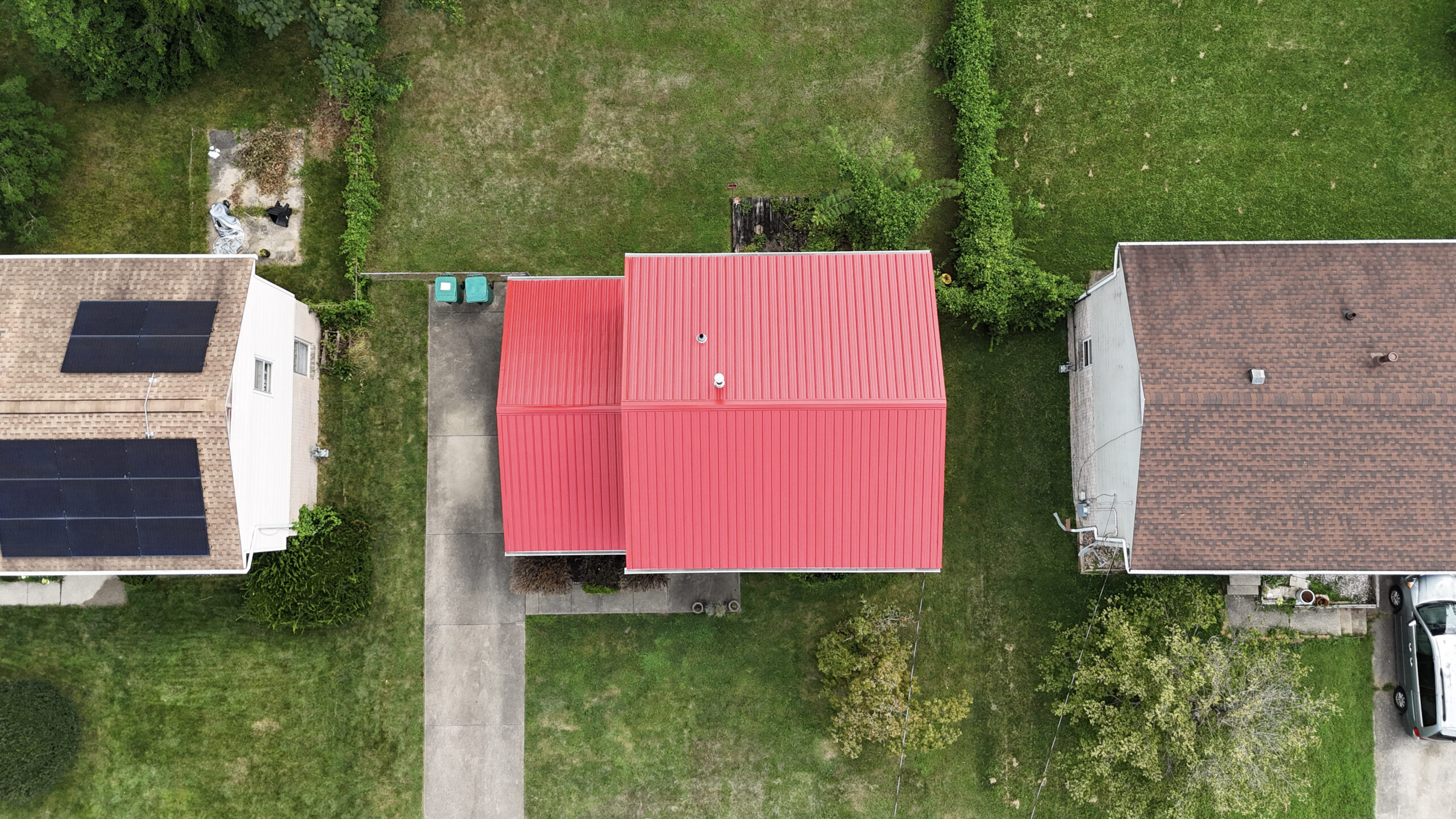
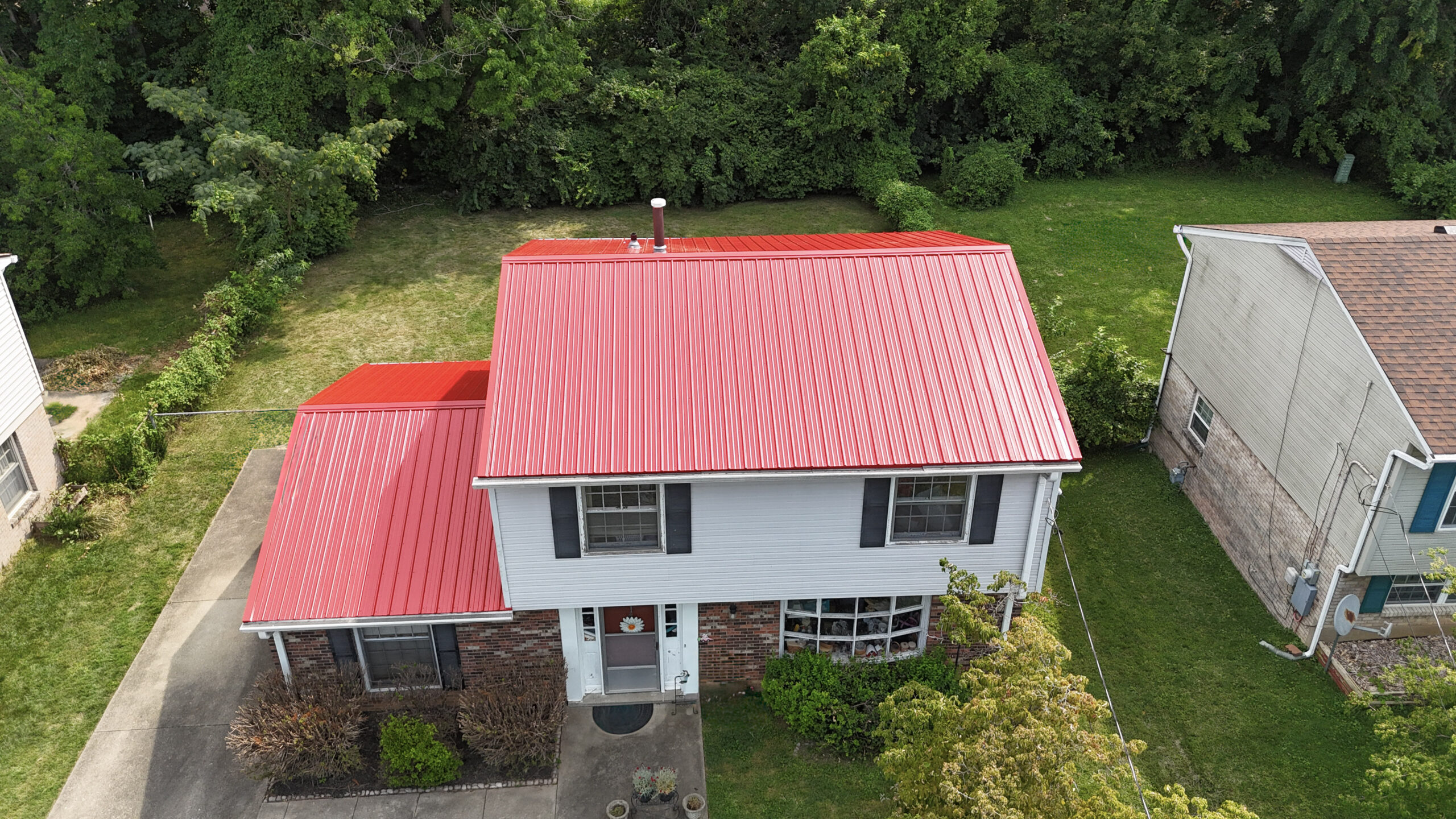
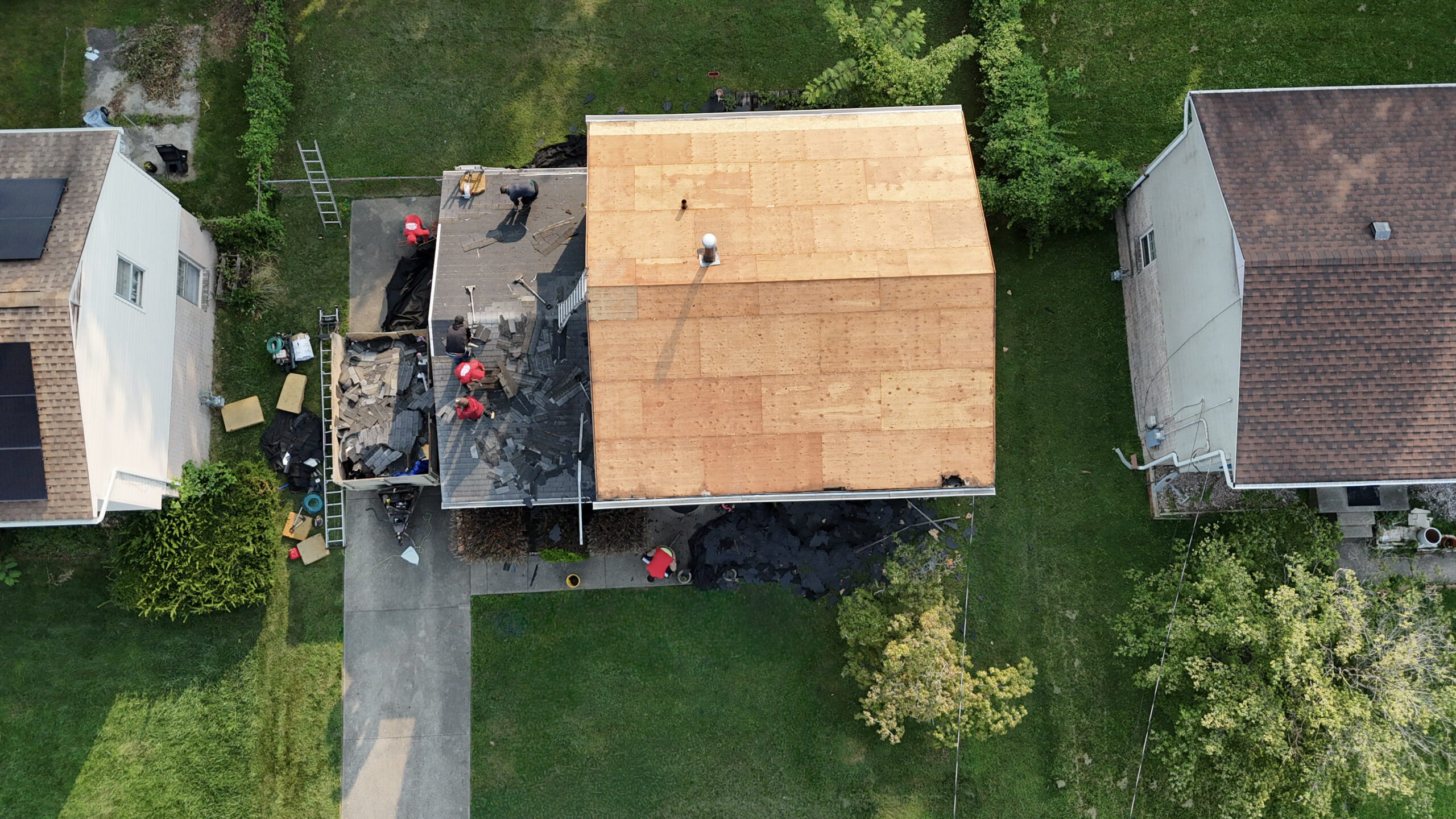
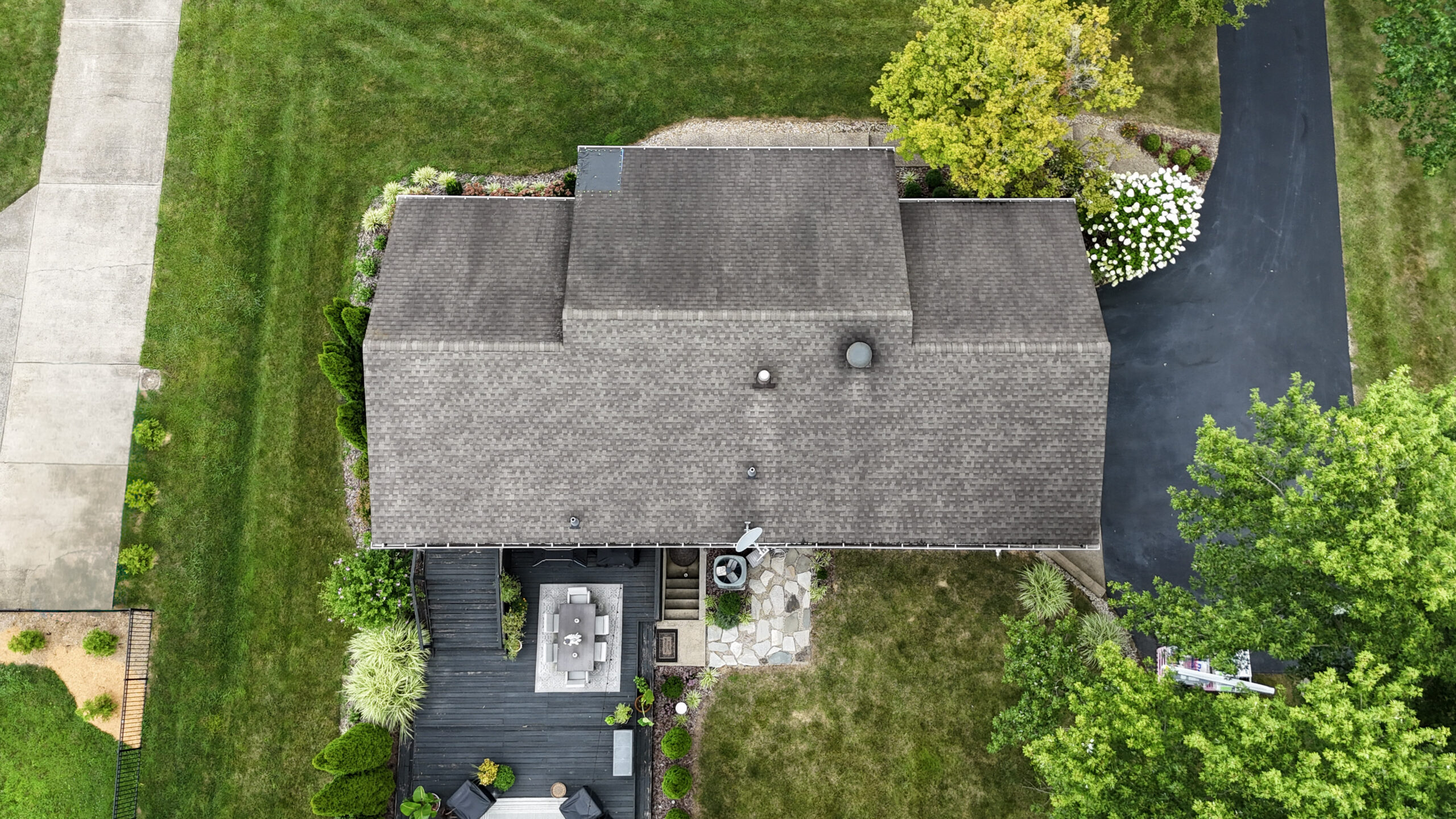
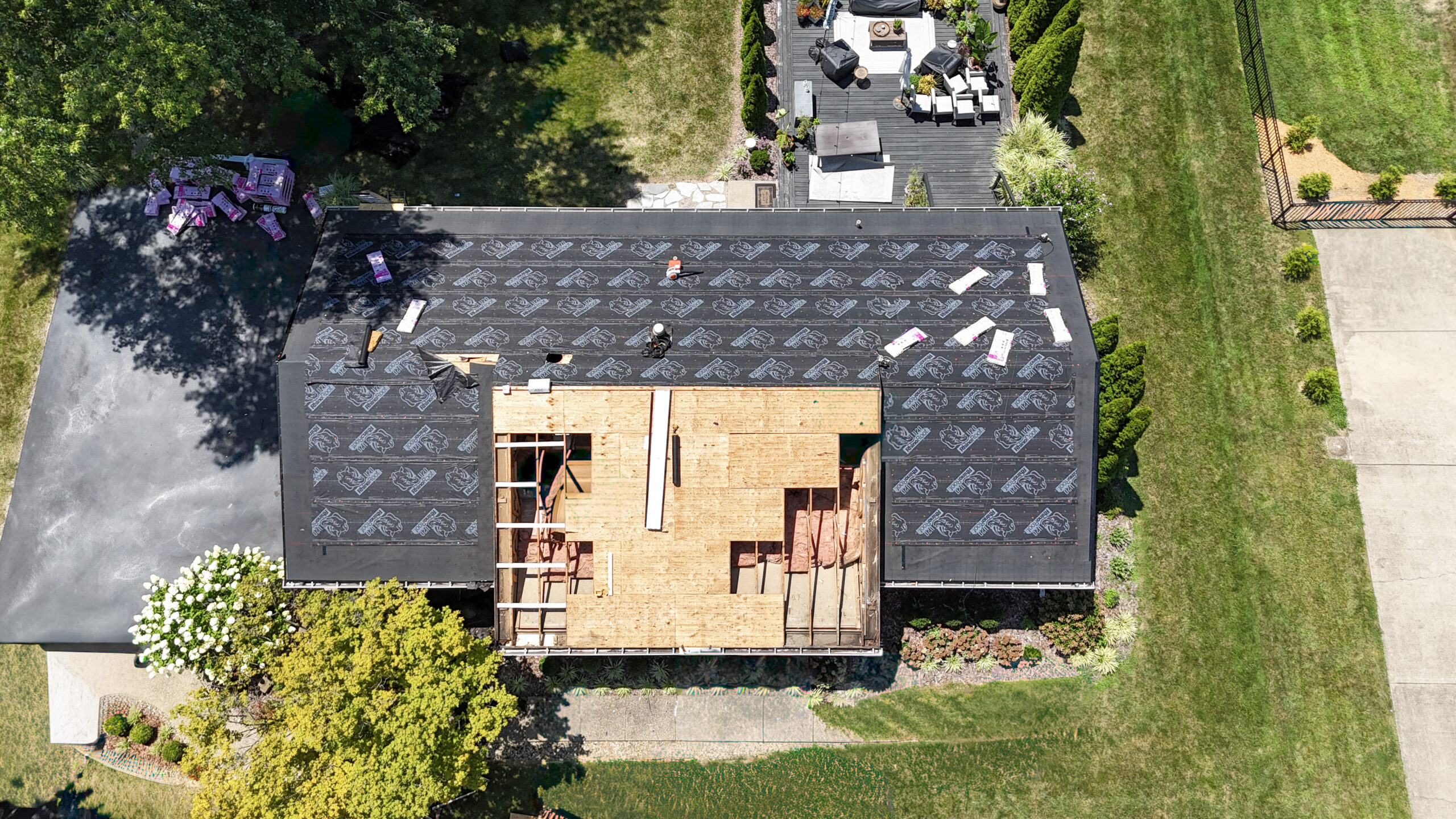
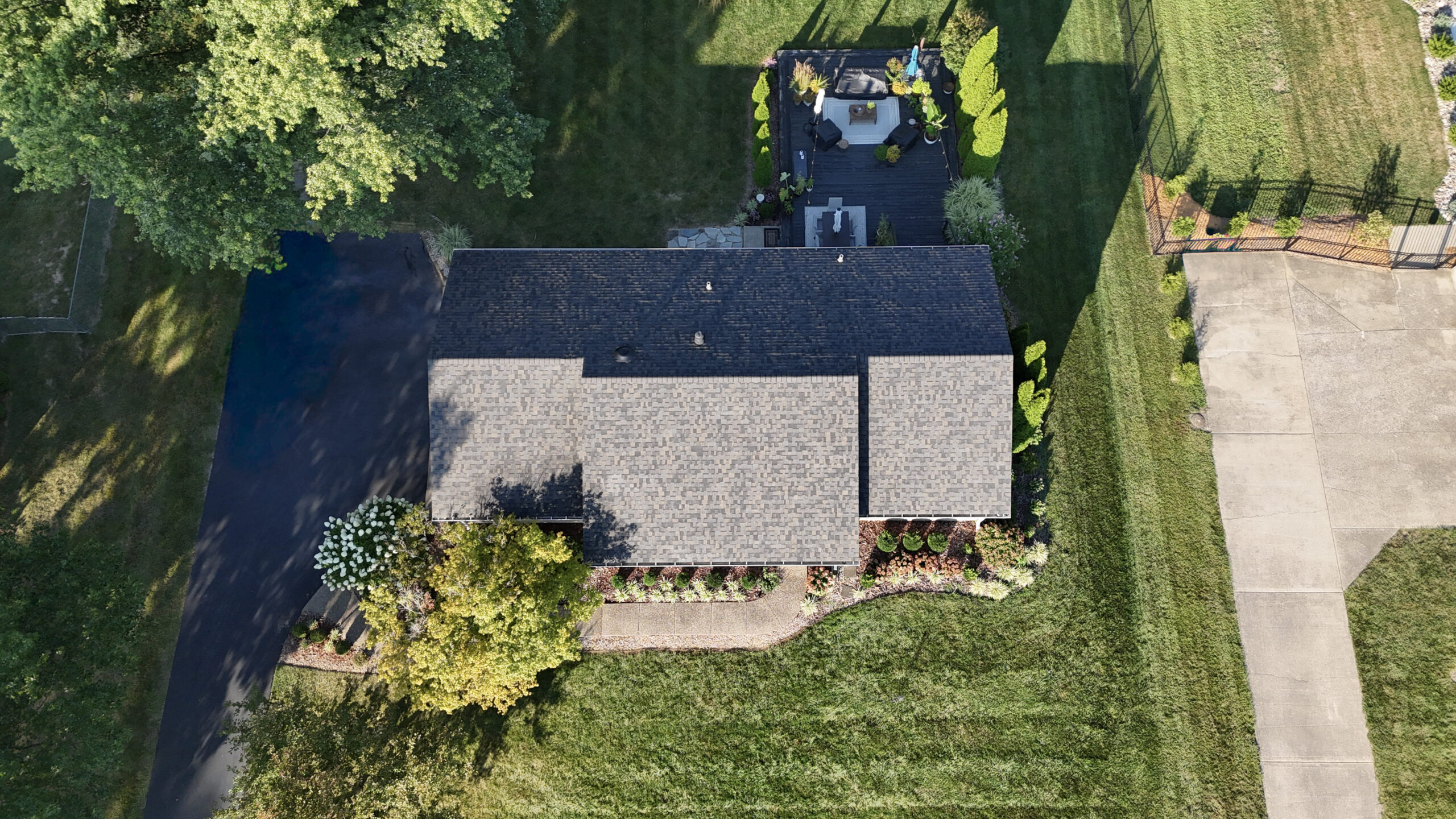
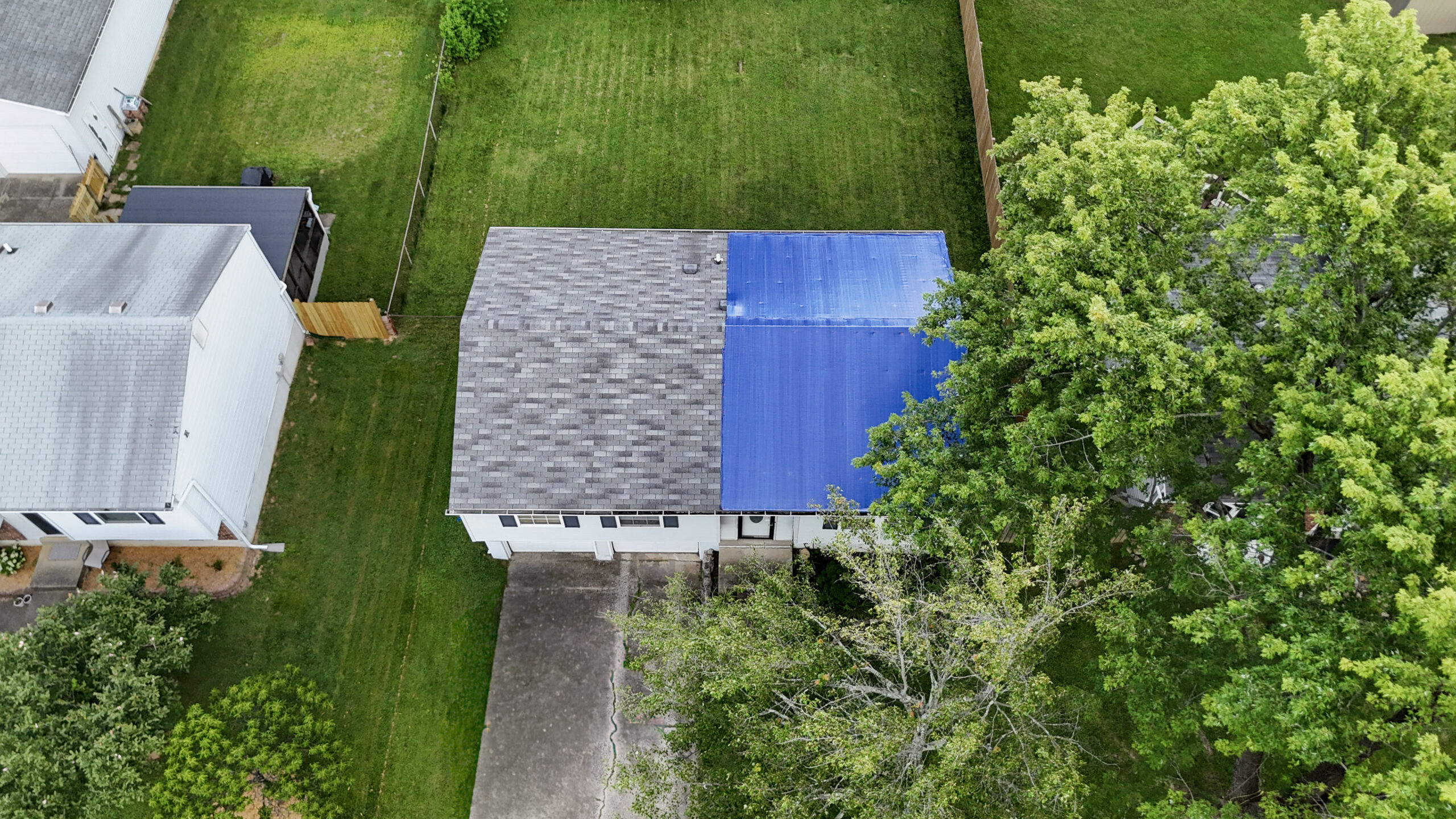
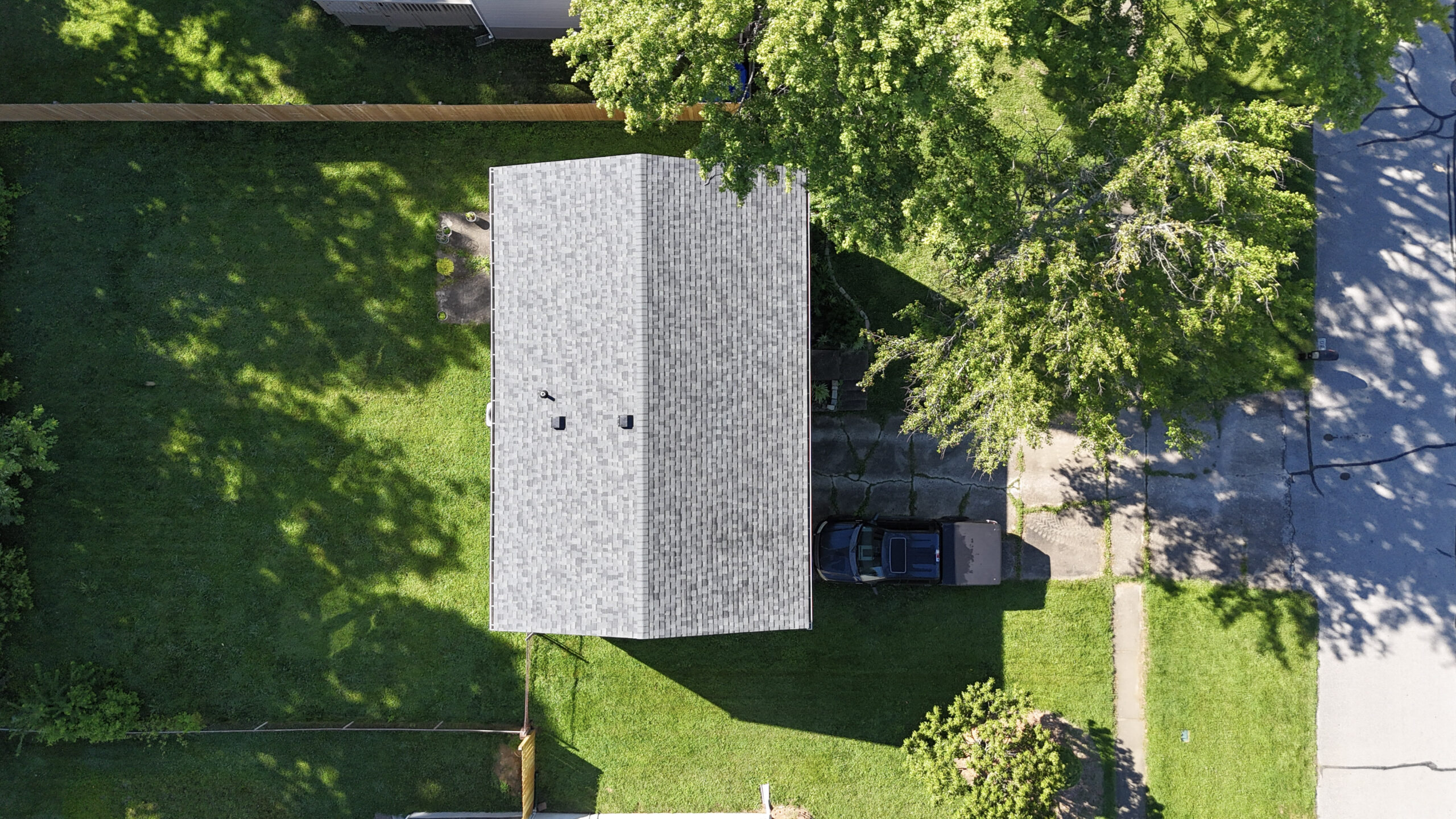
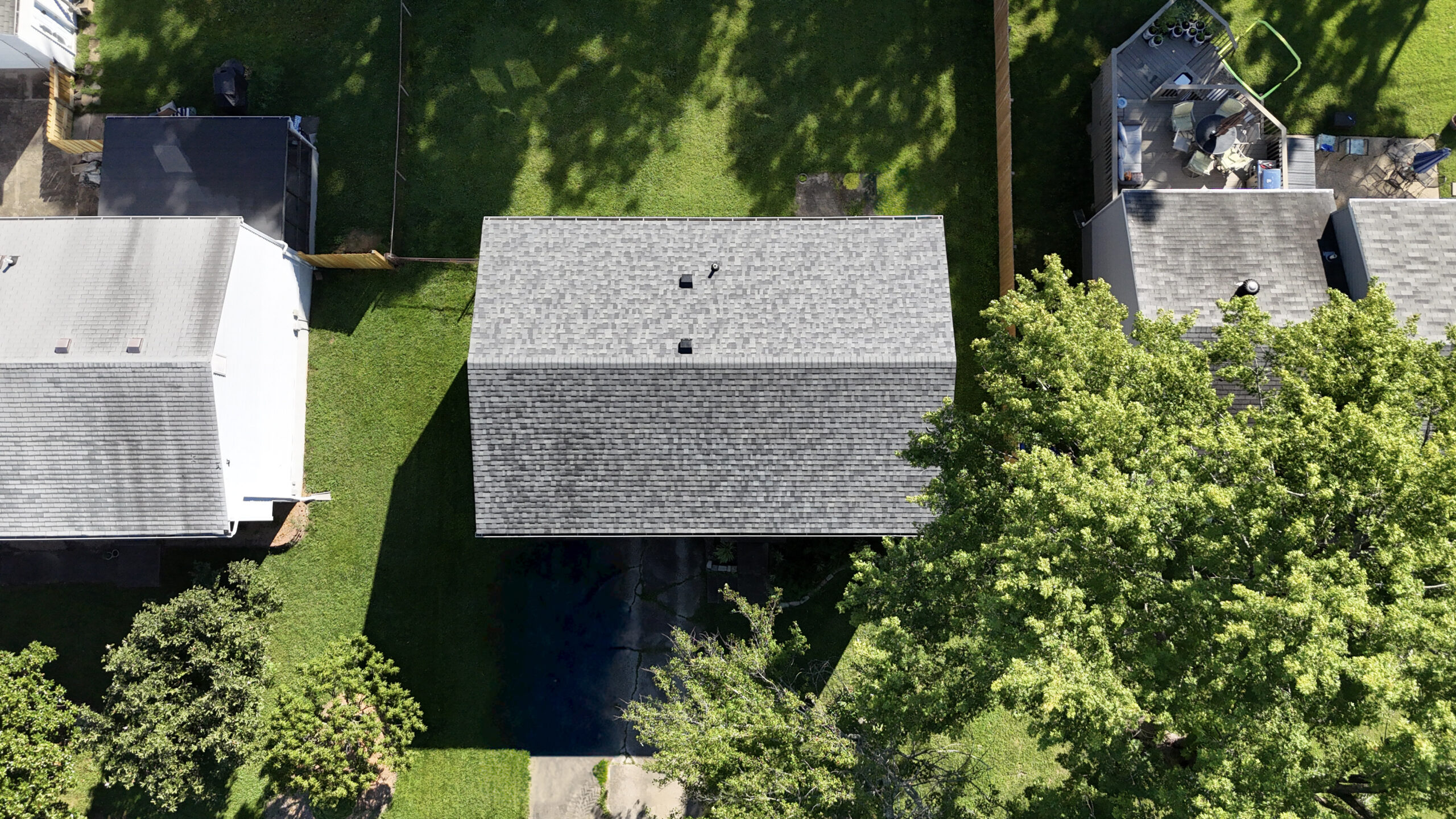
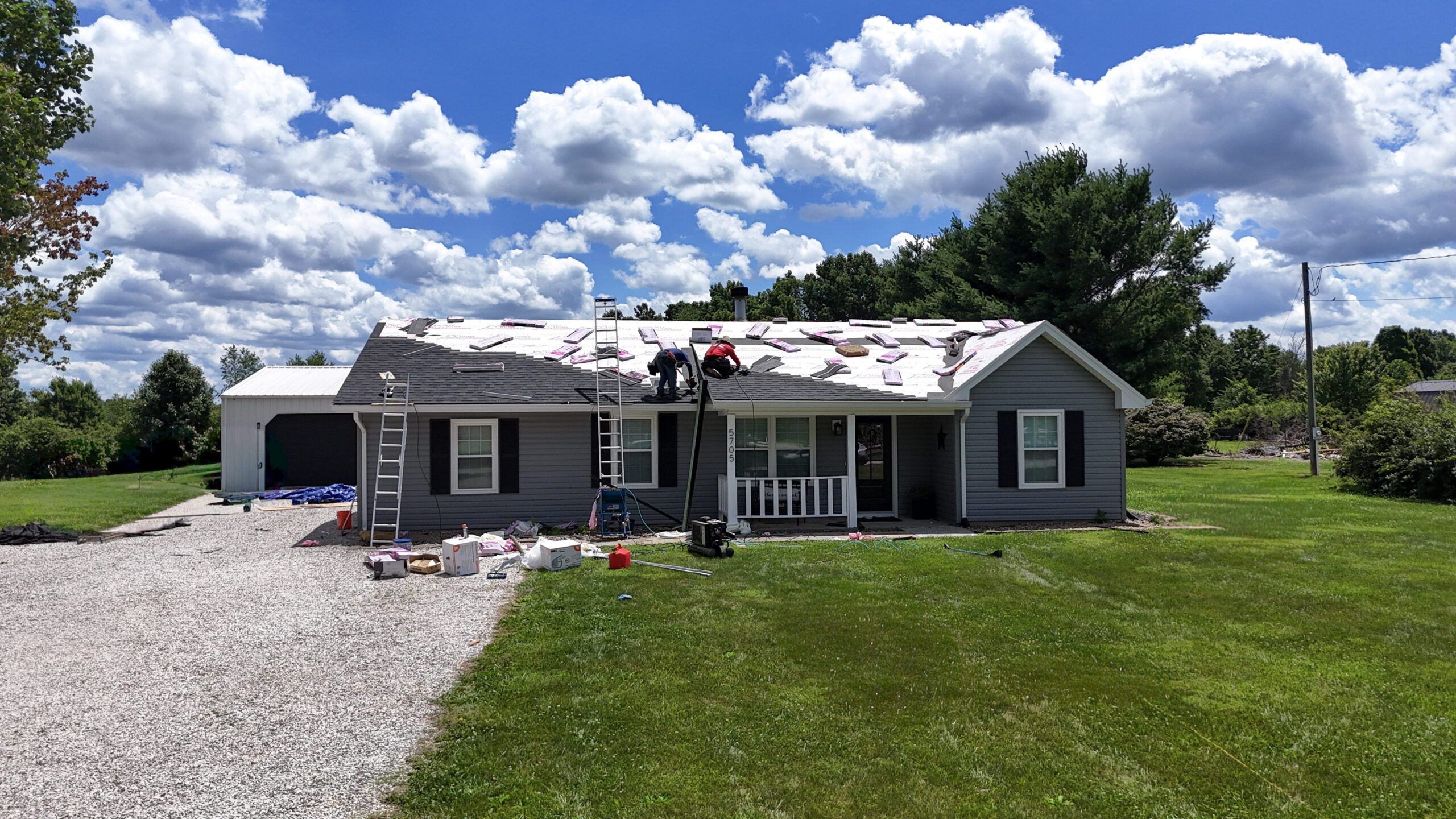
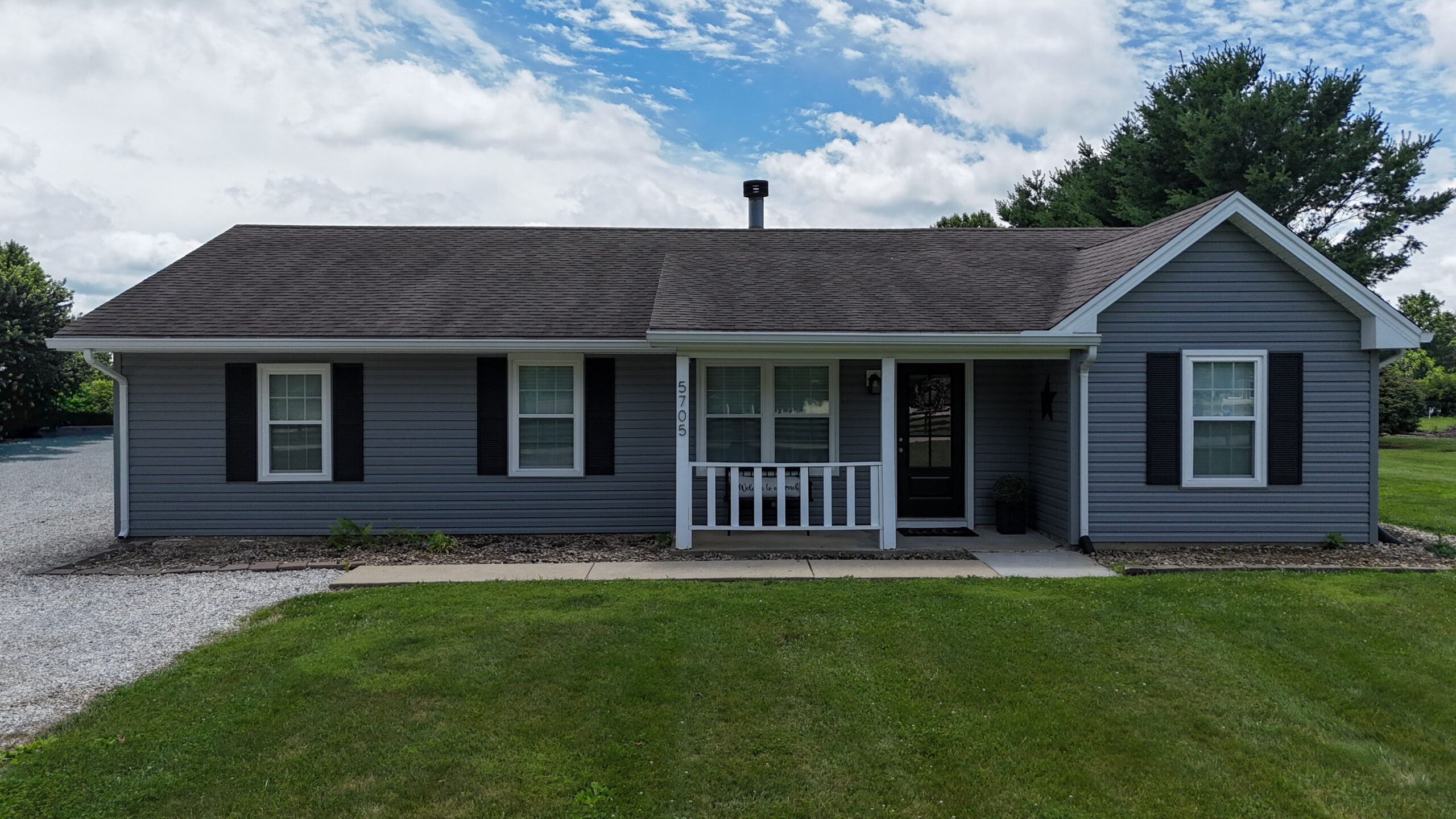
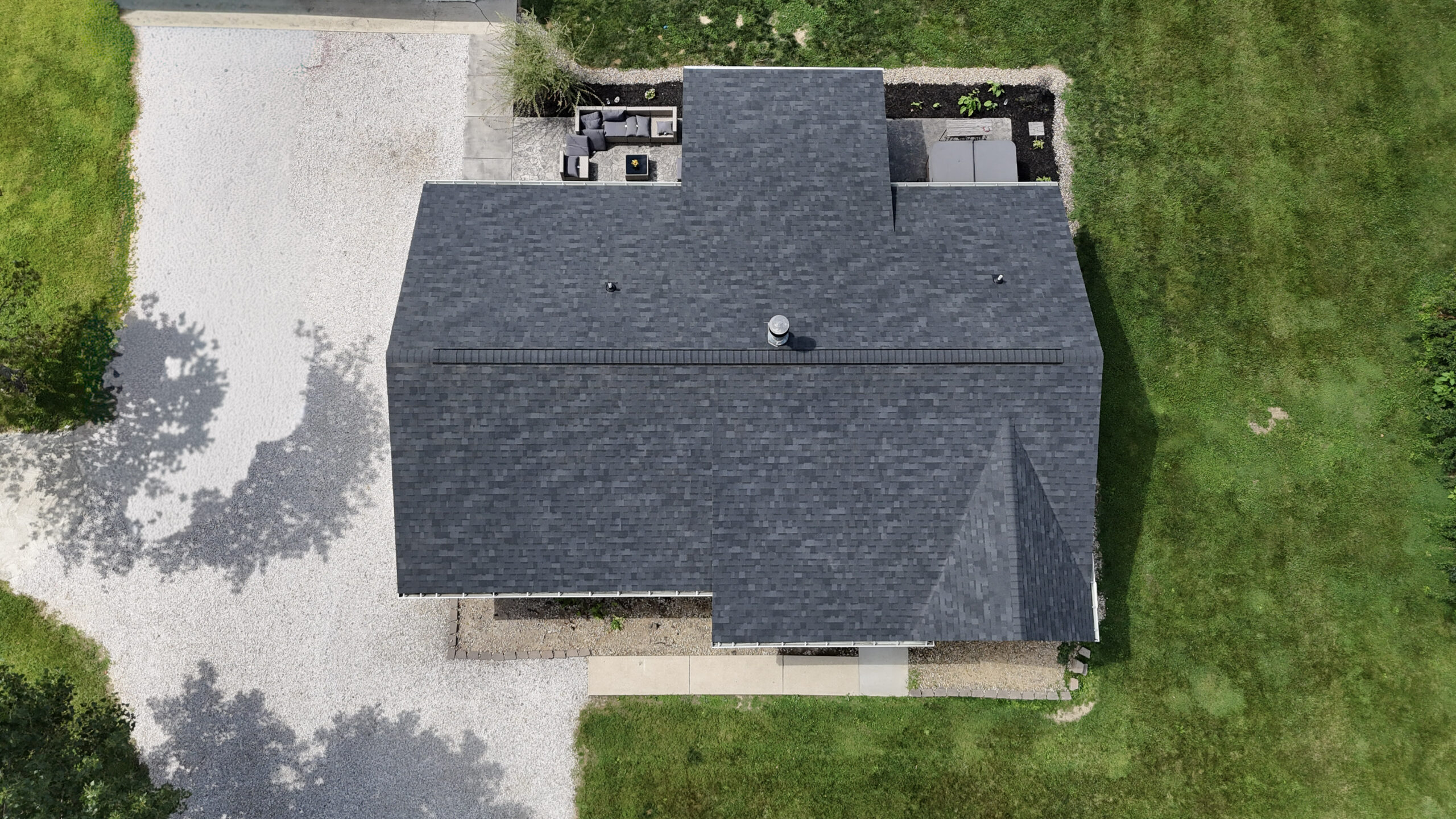
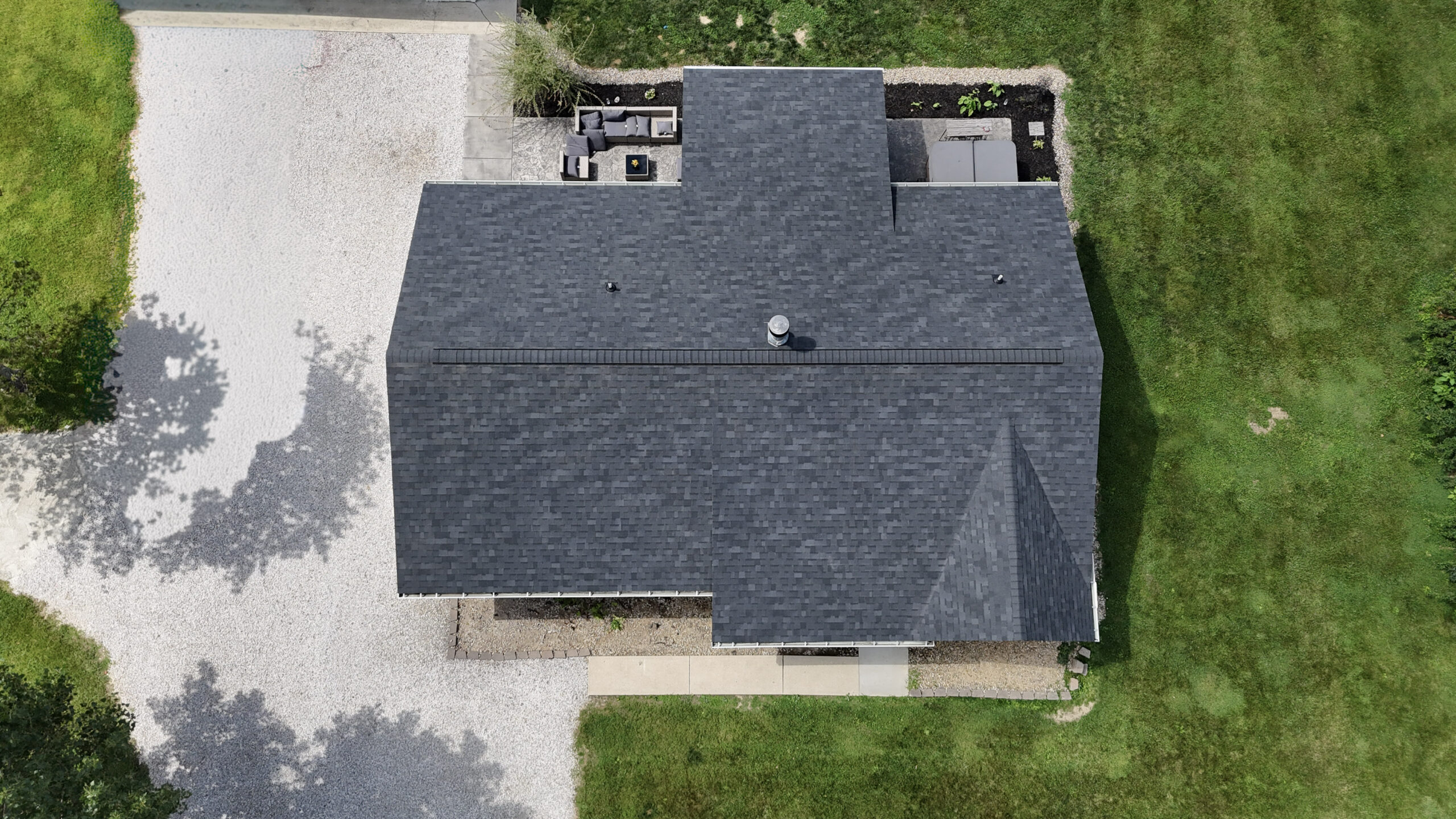
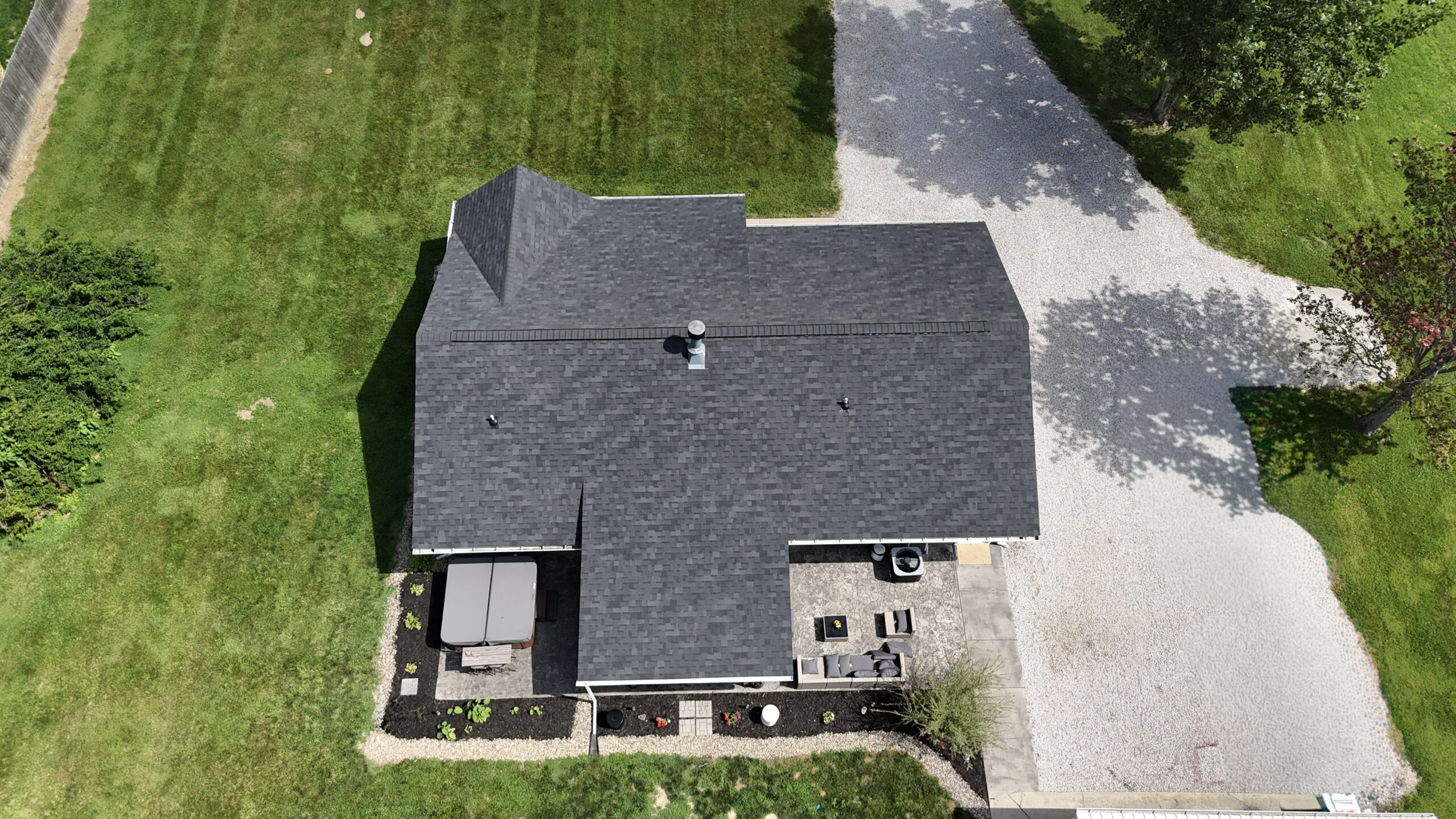
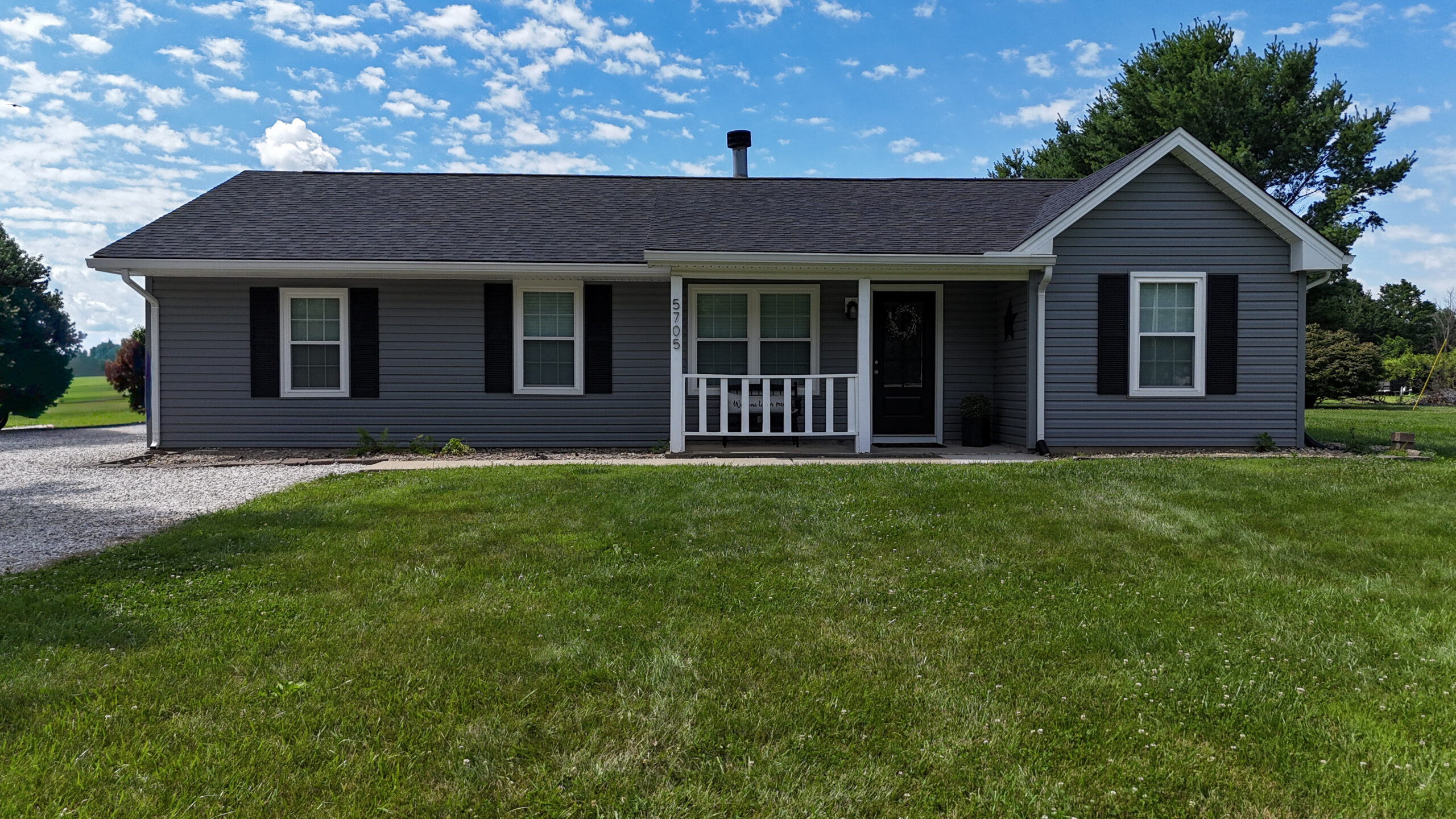
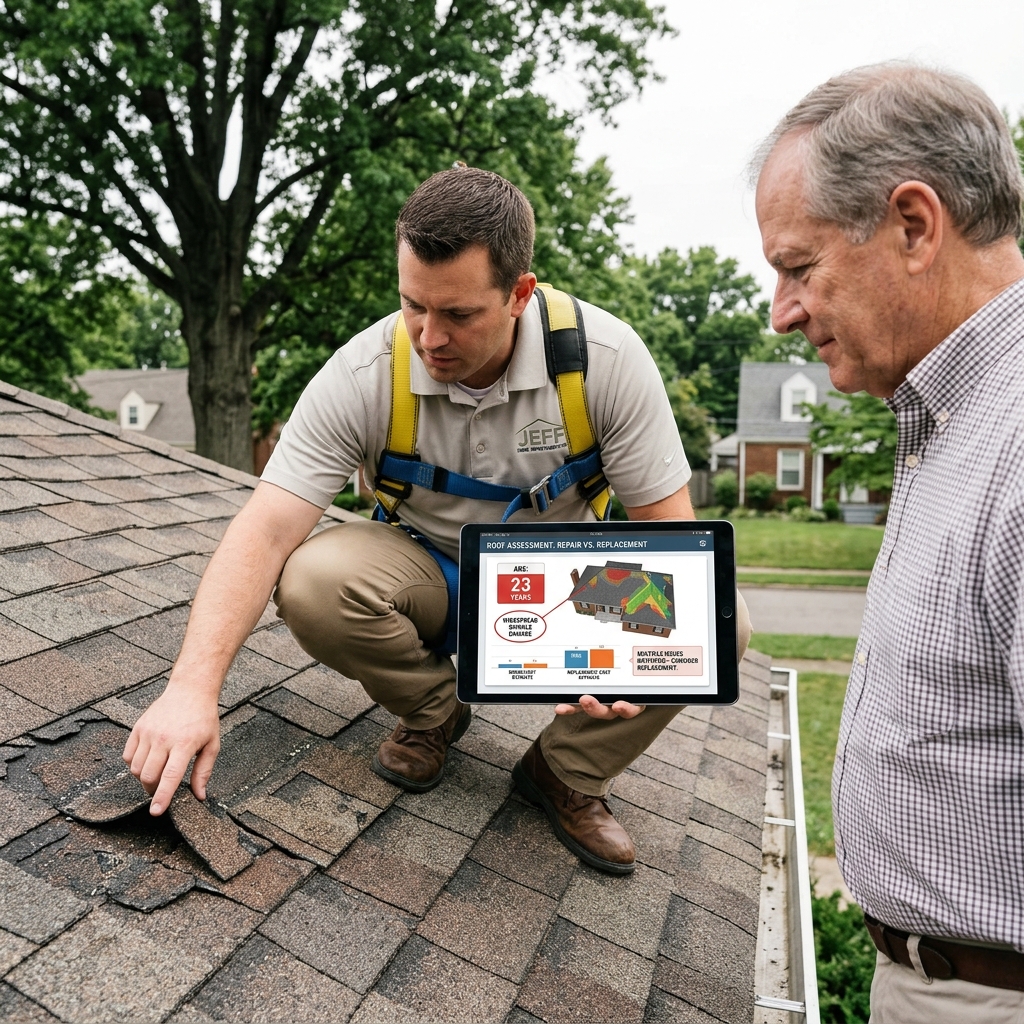
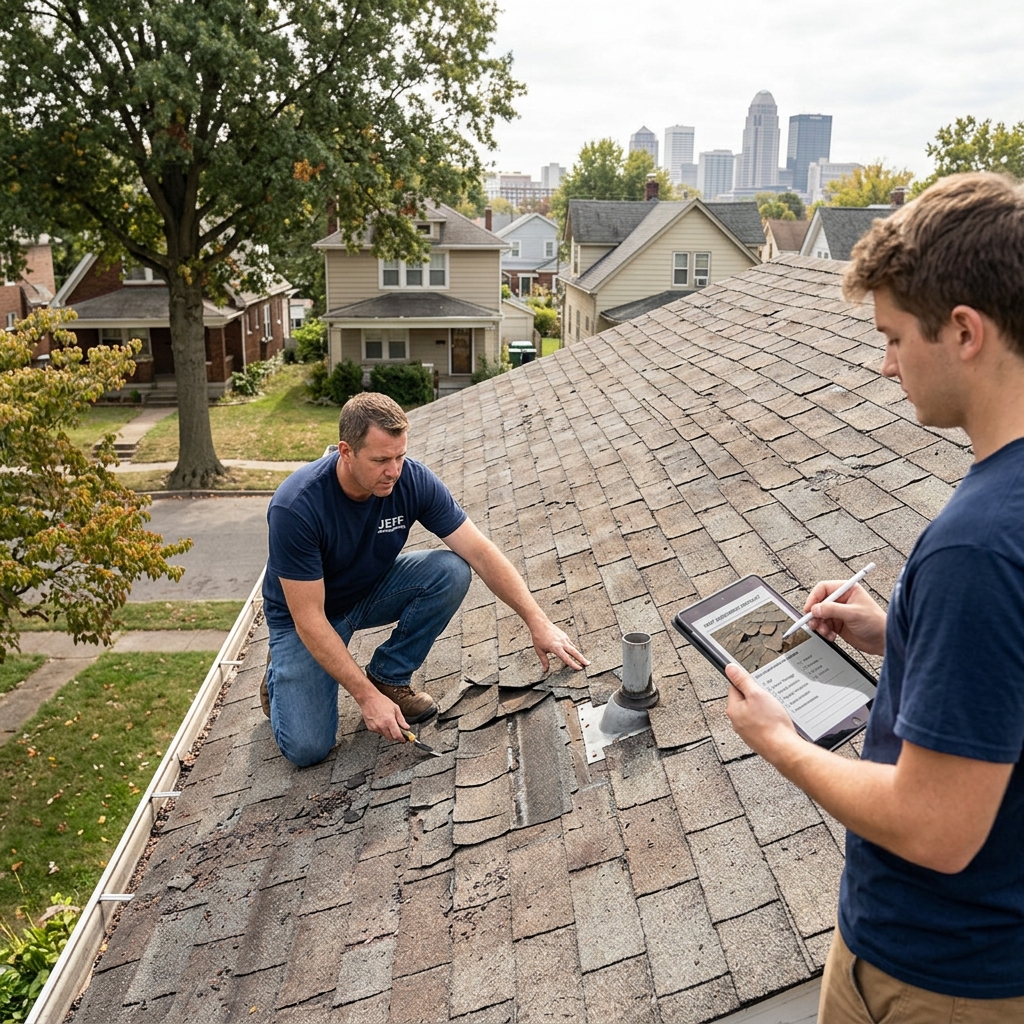
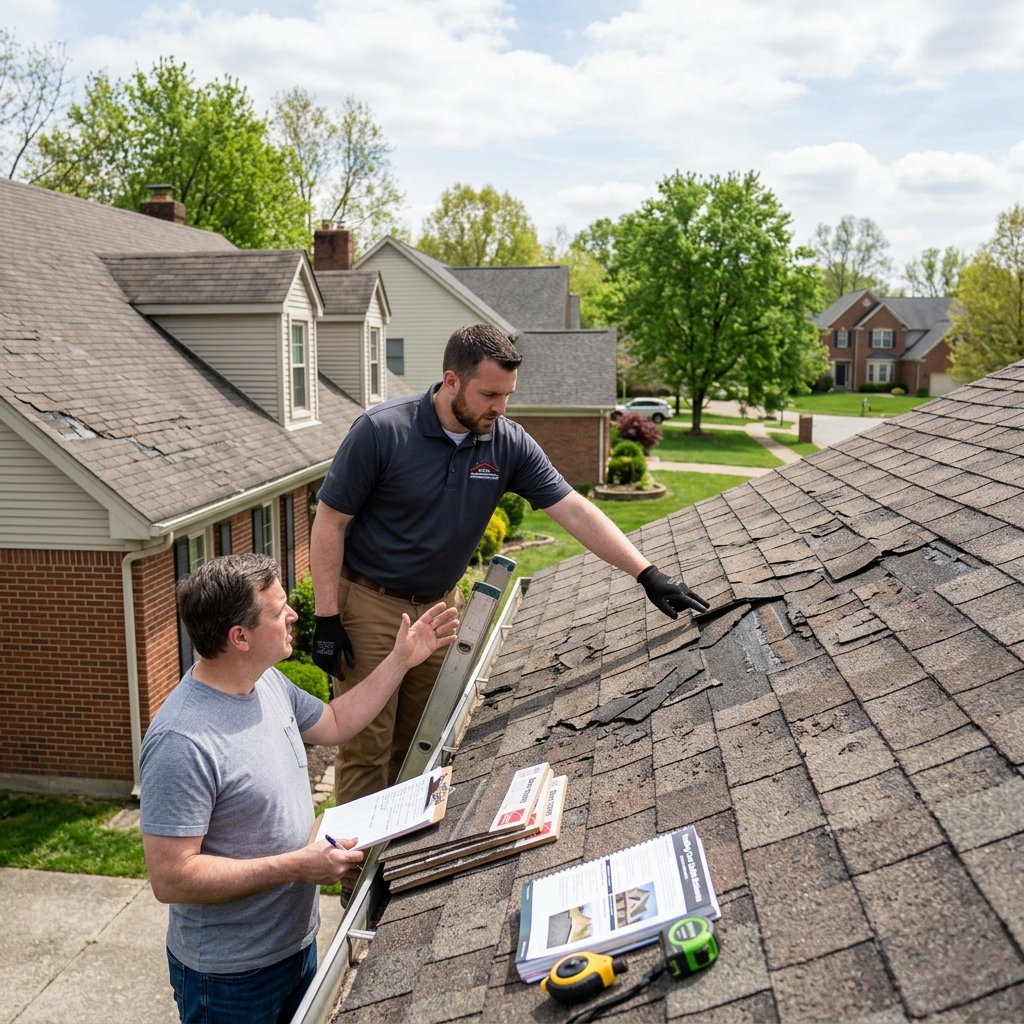
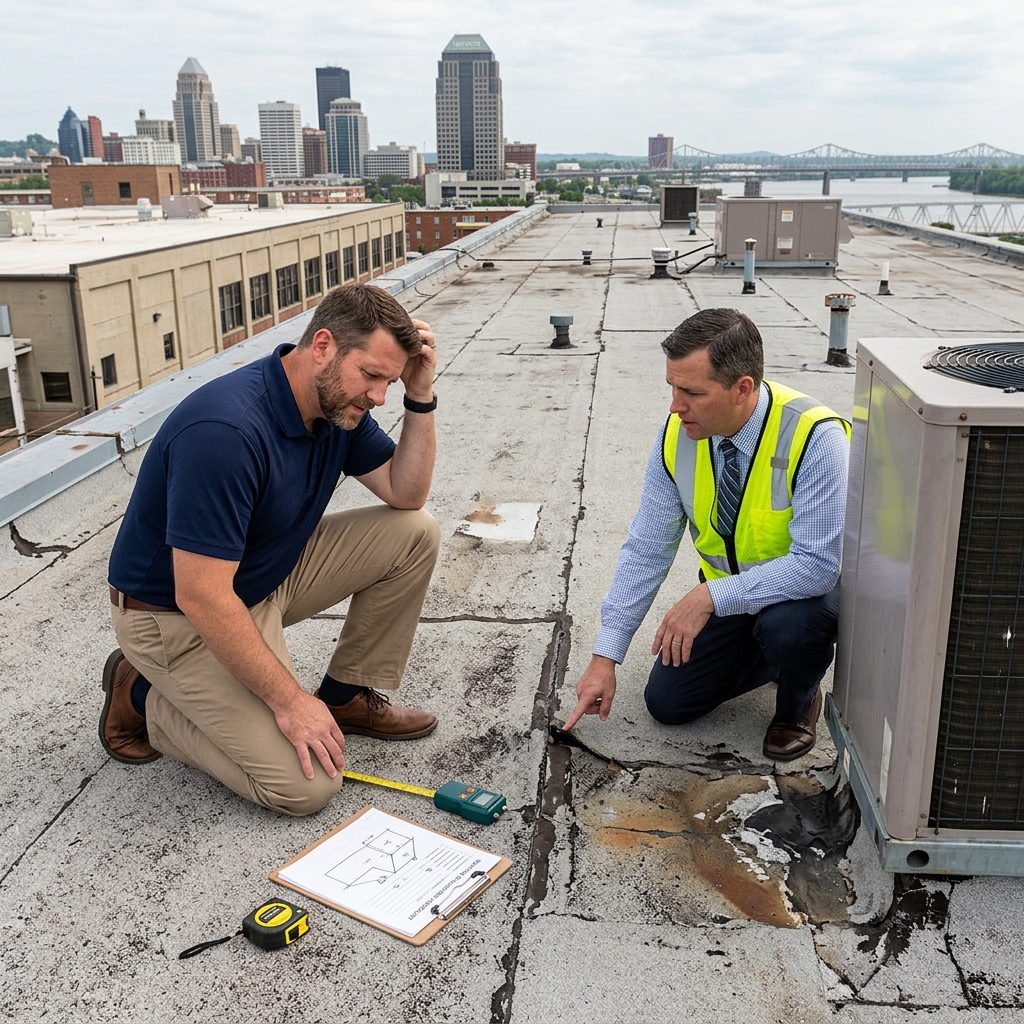
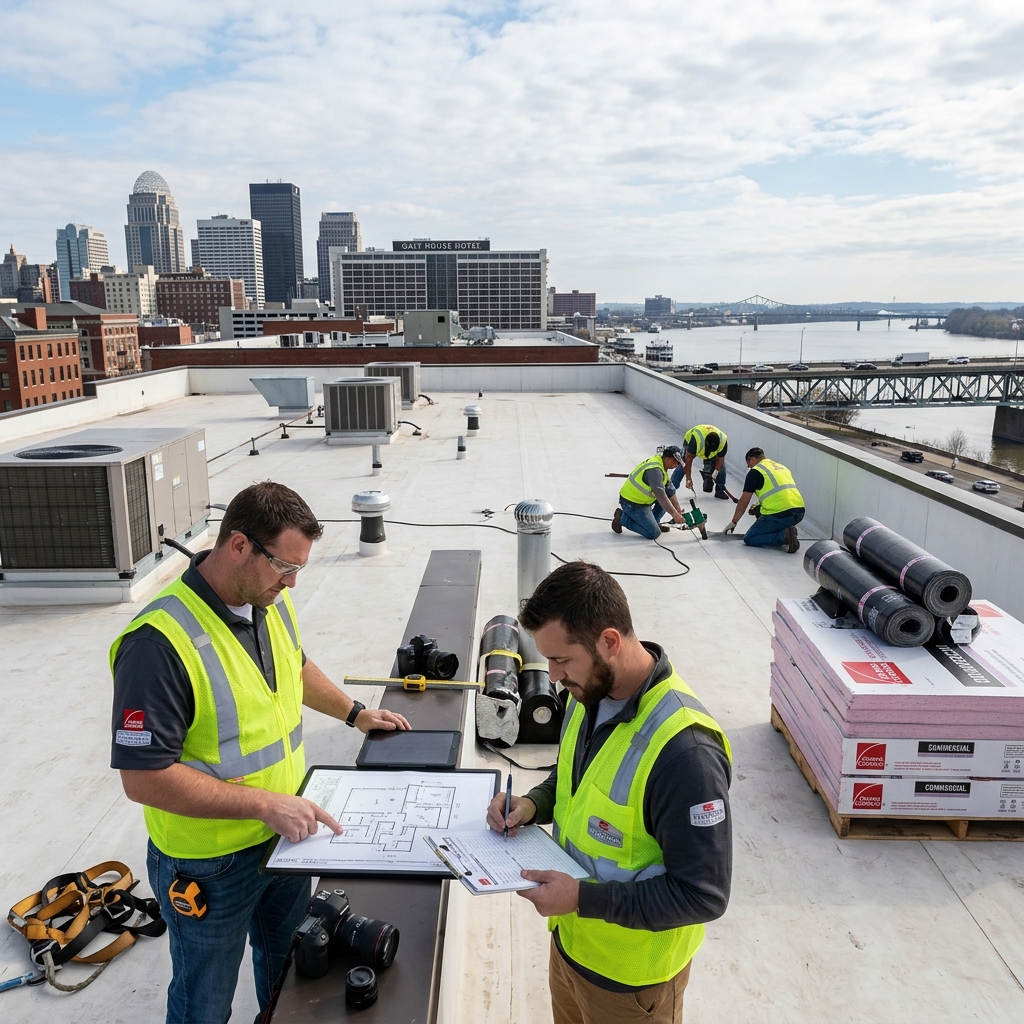
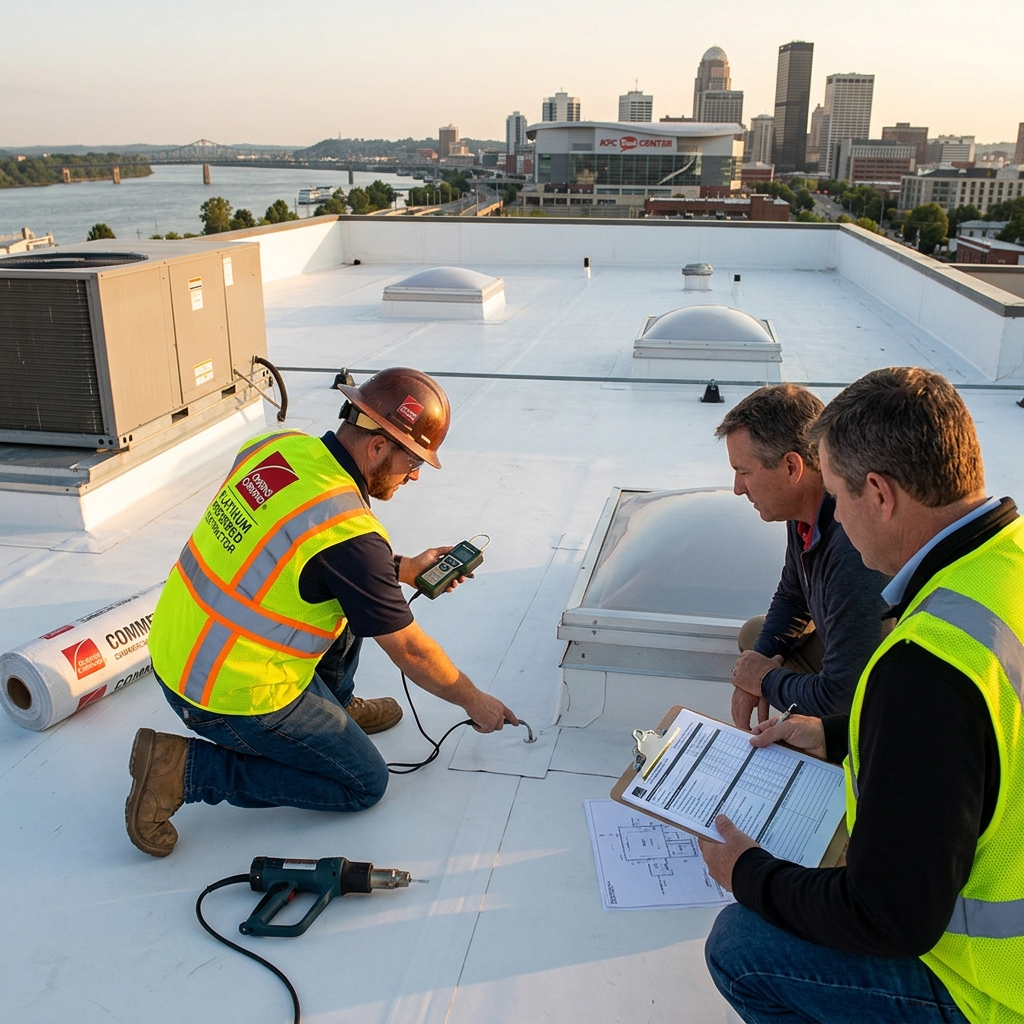
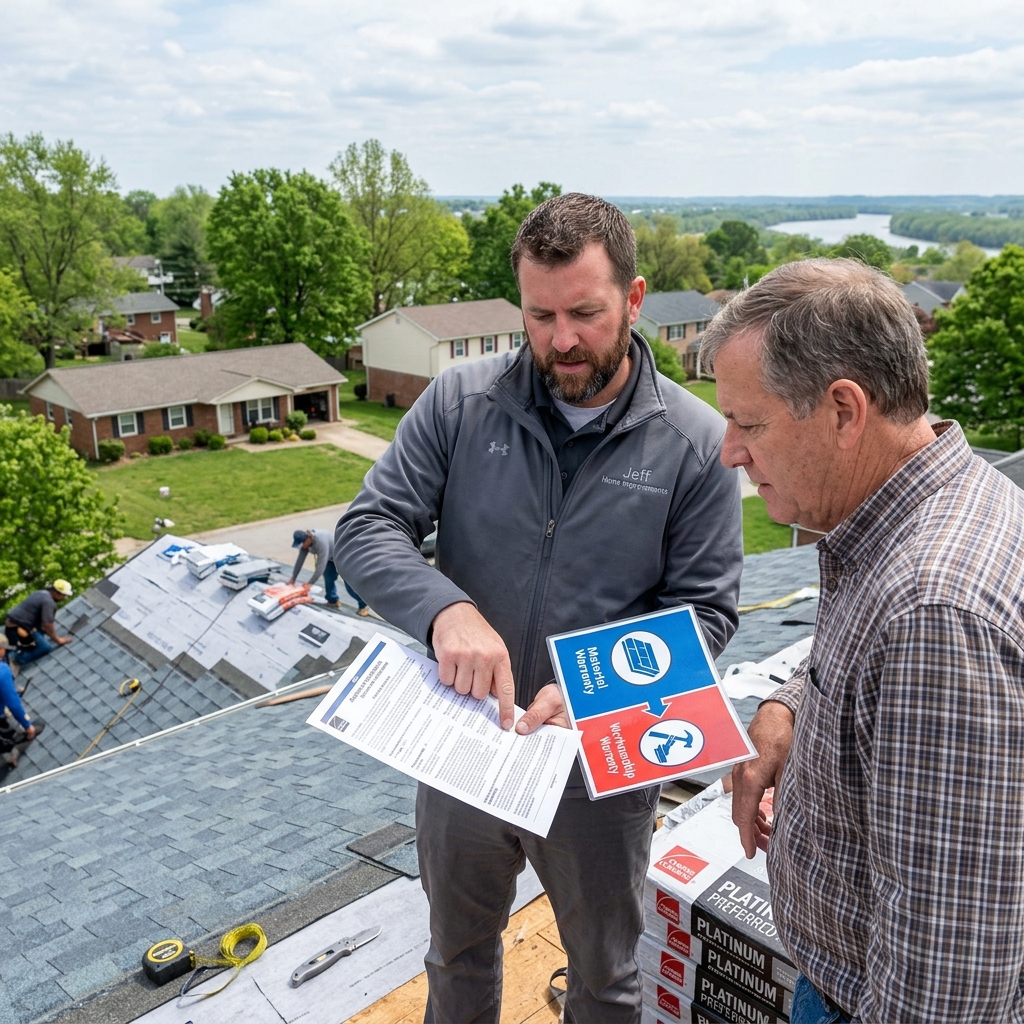
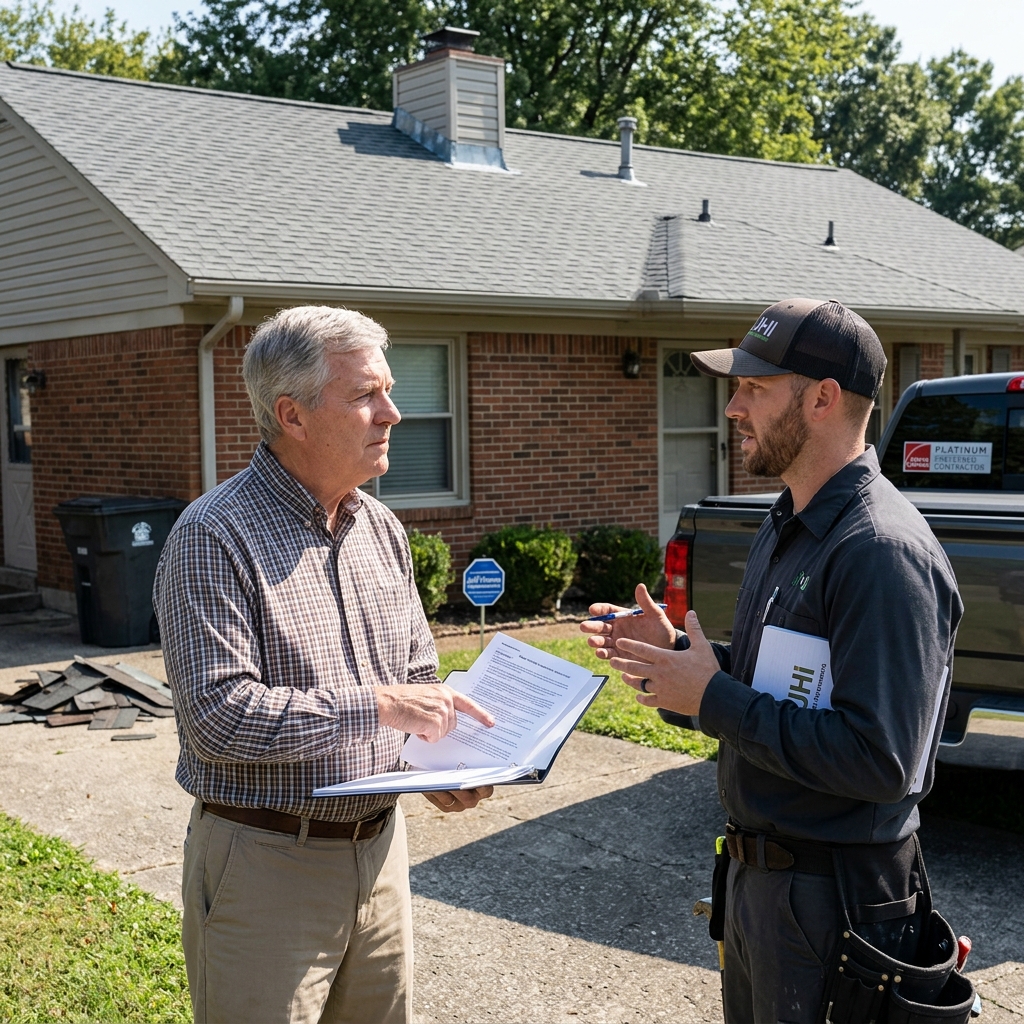
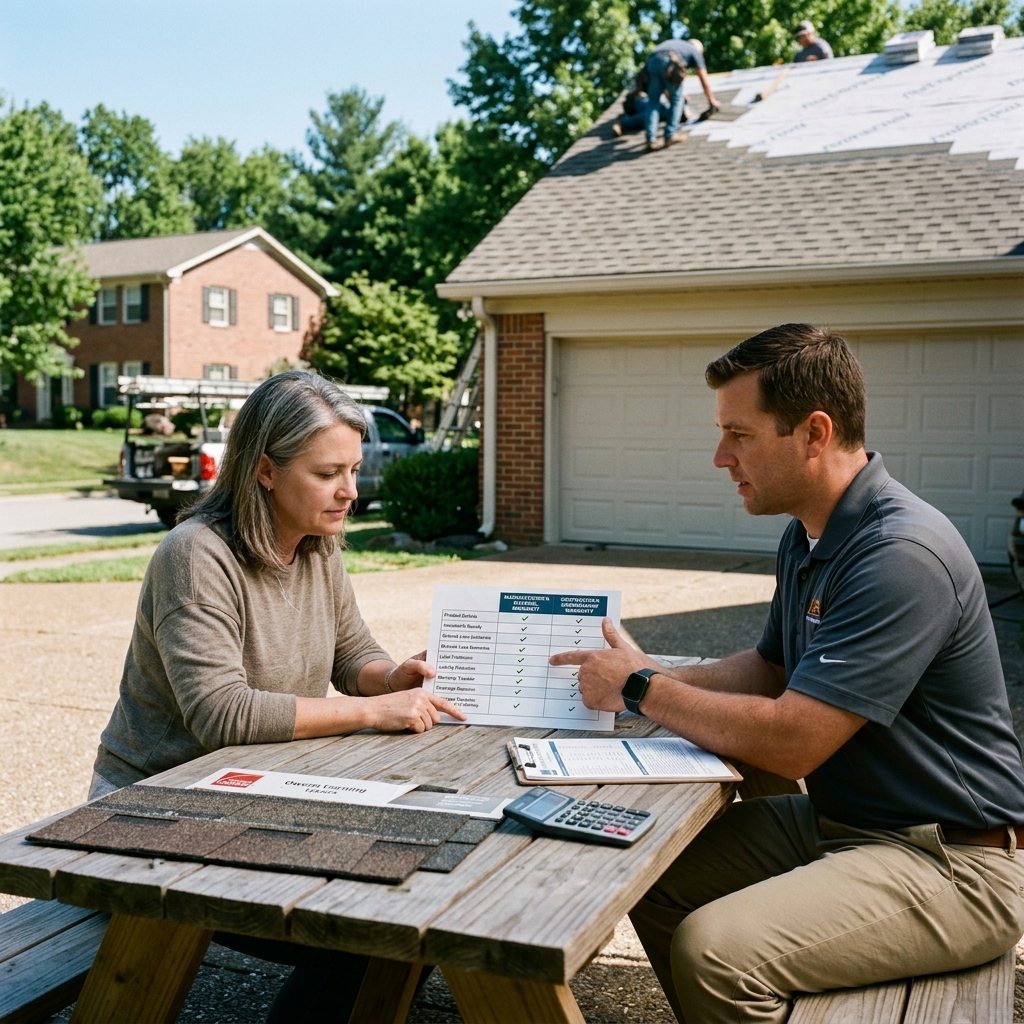
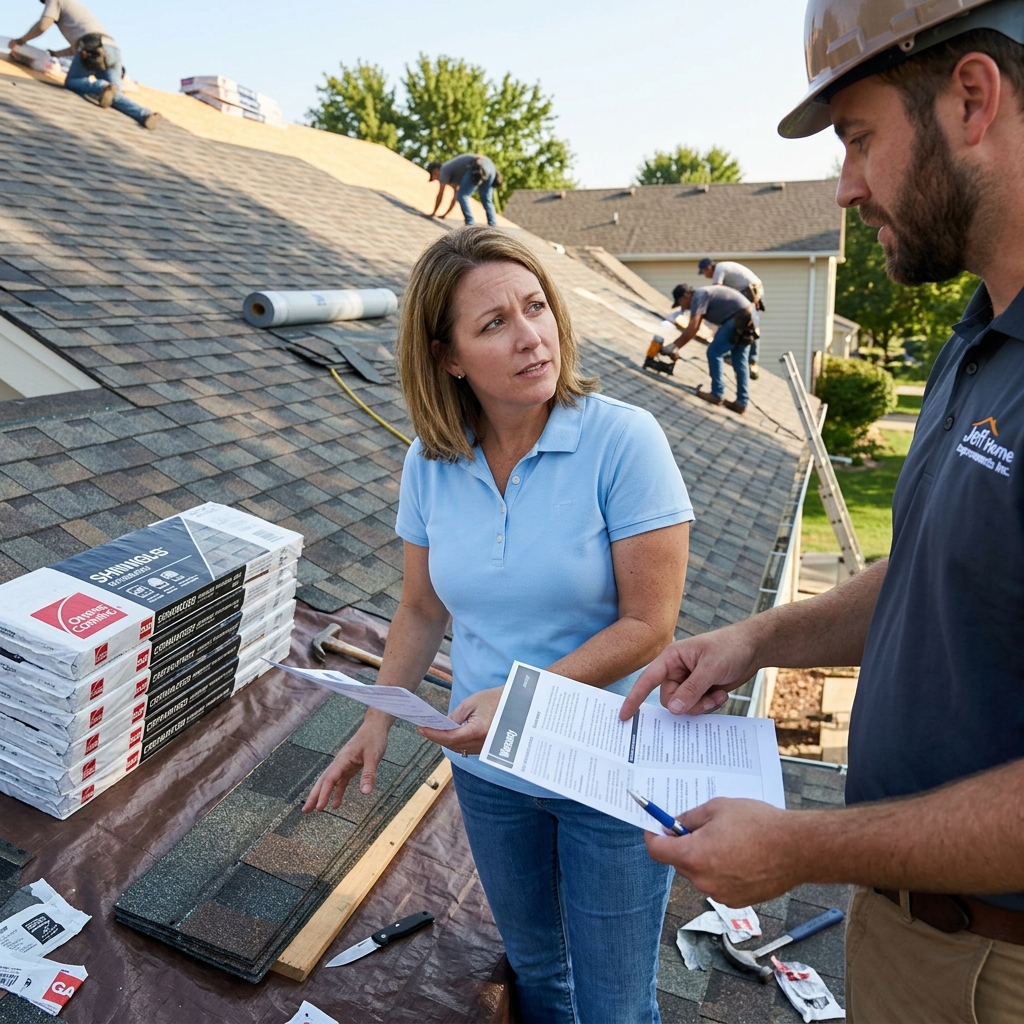
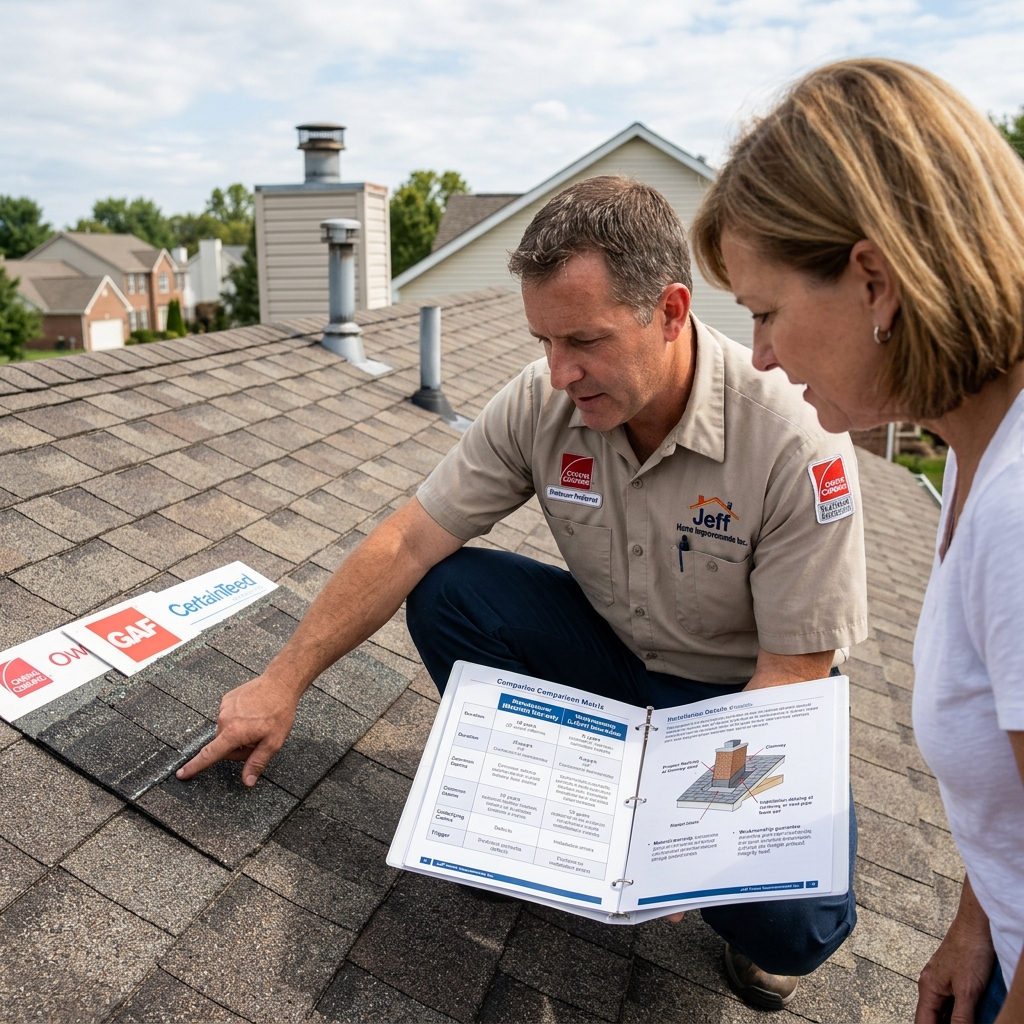
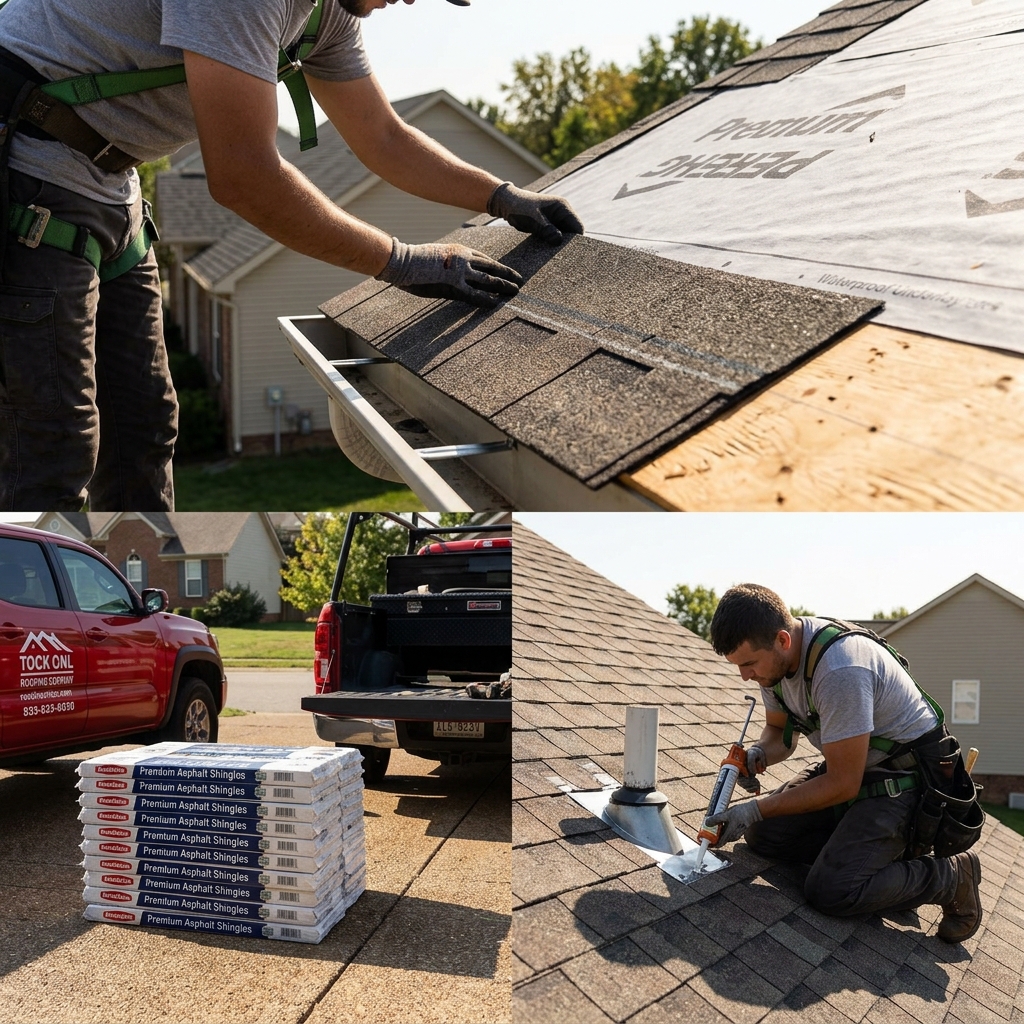
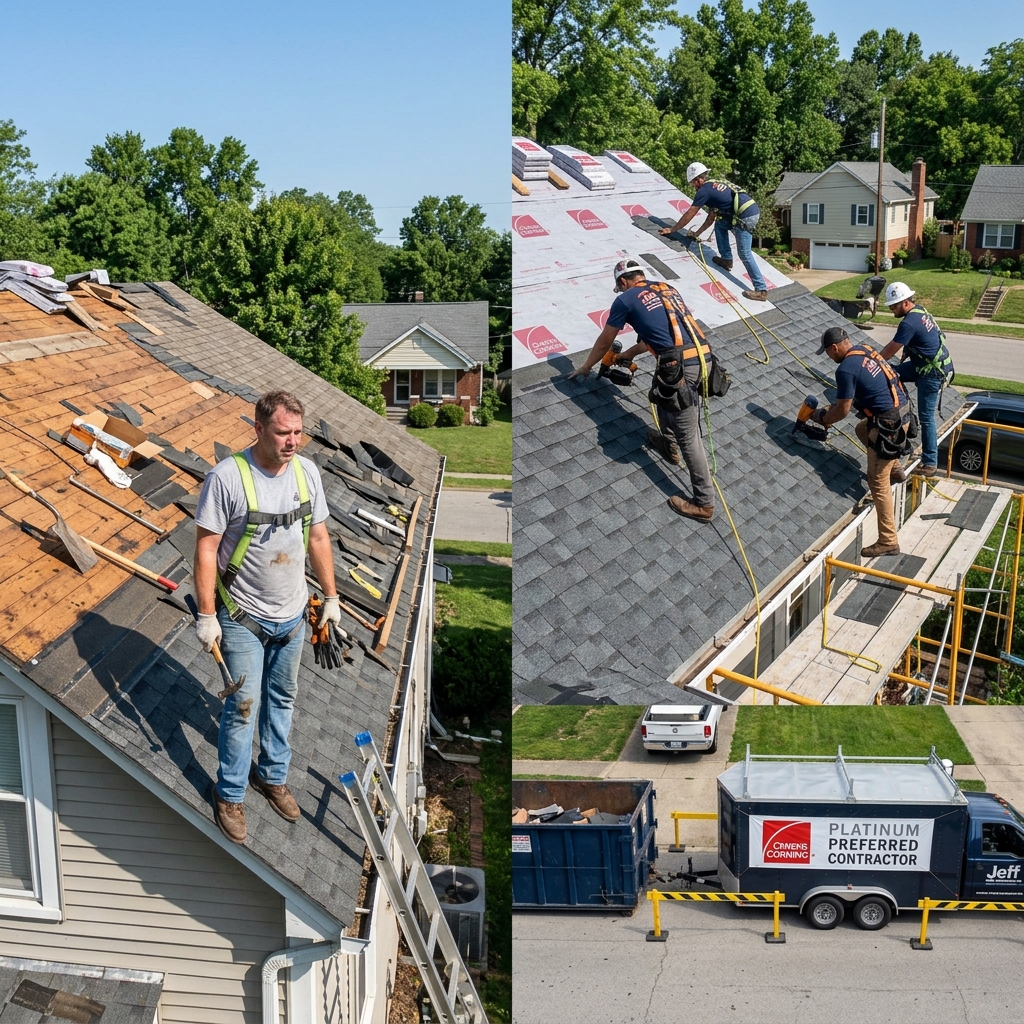
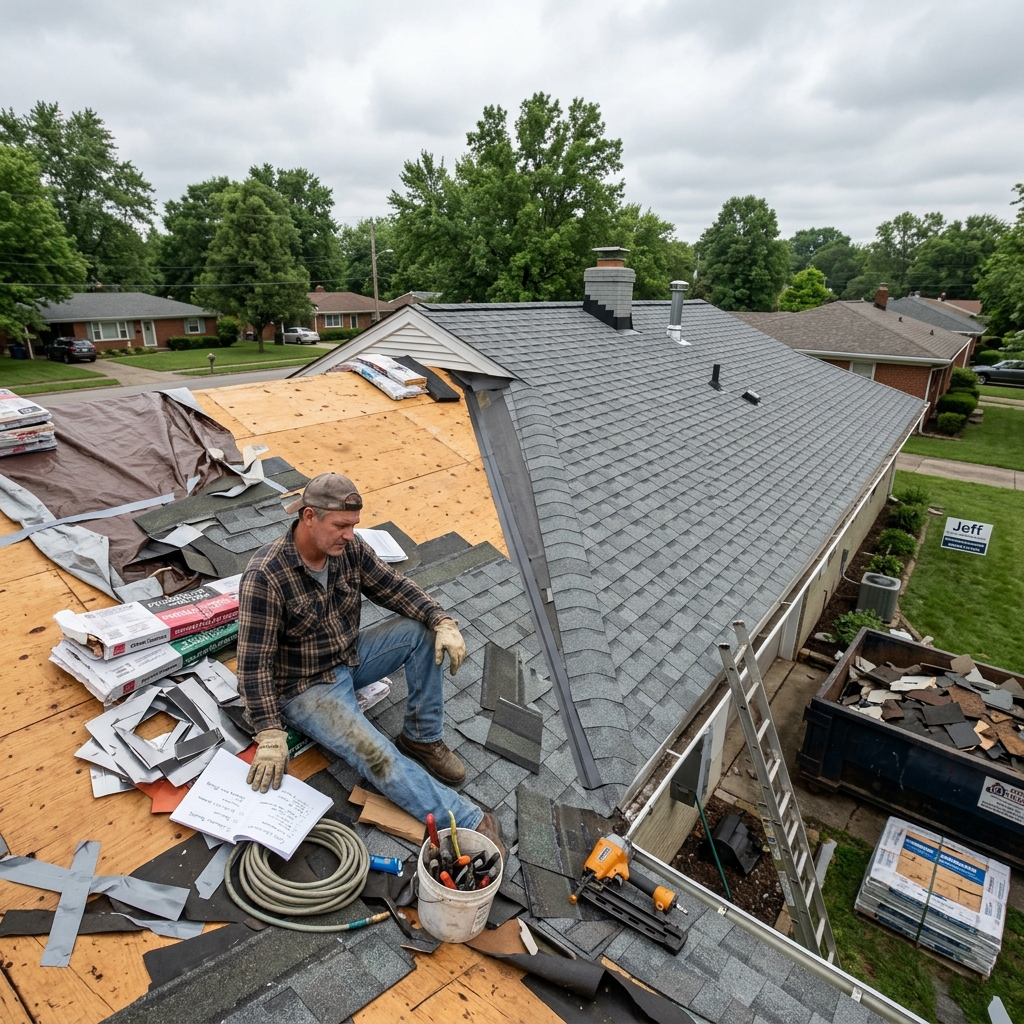
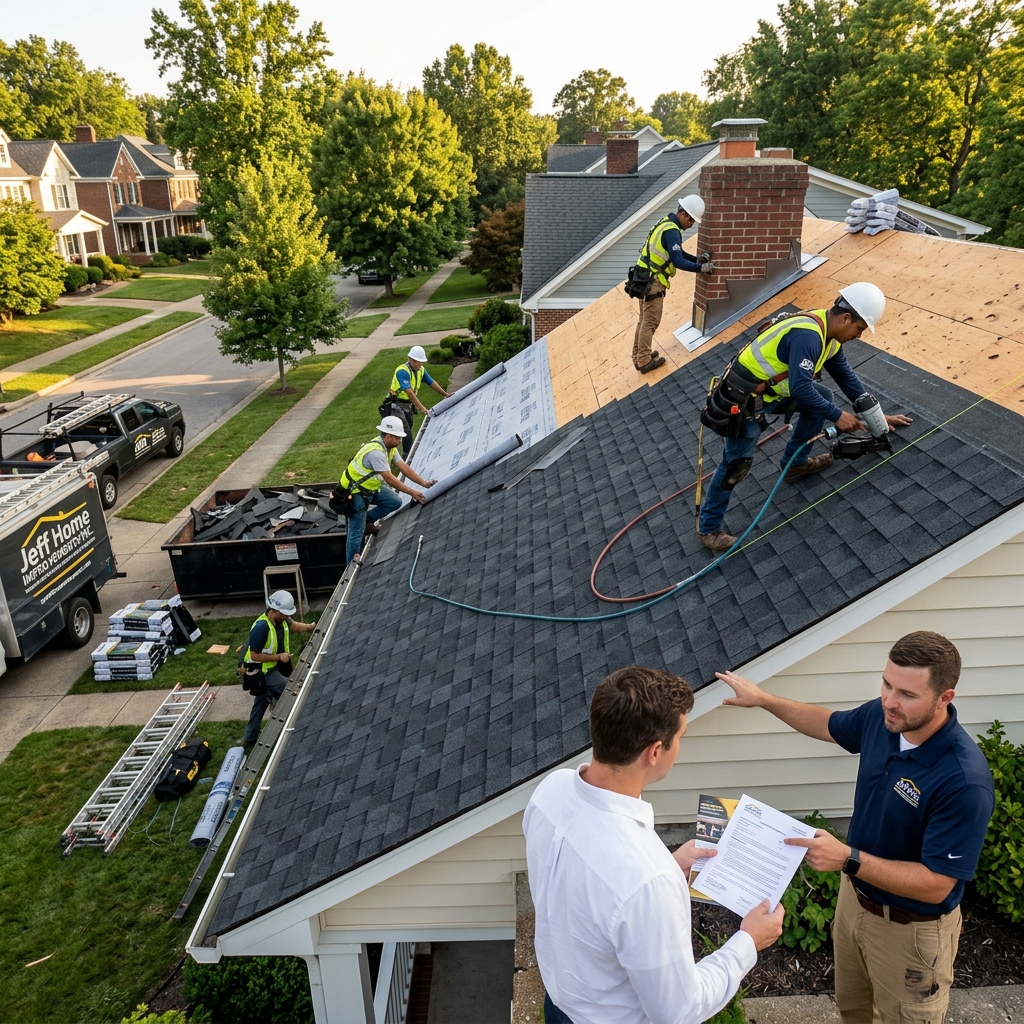




 INDIANA
 KENTUCKY