Archive for:

Author Archive for Admin – Page 5

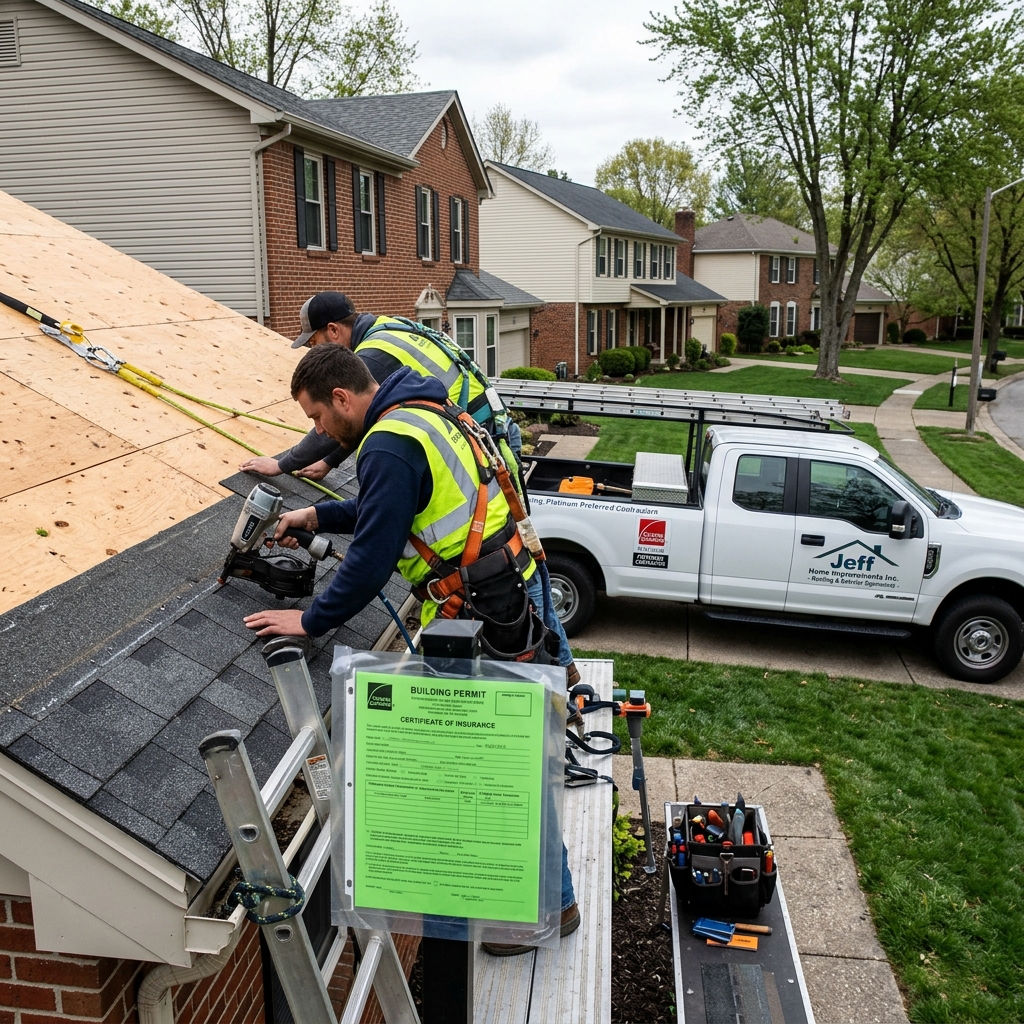
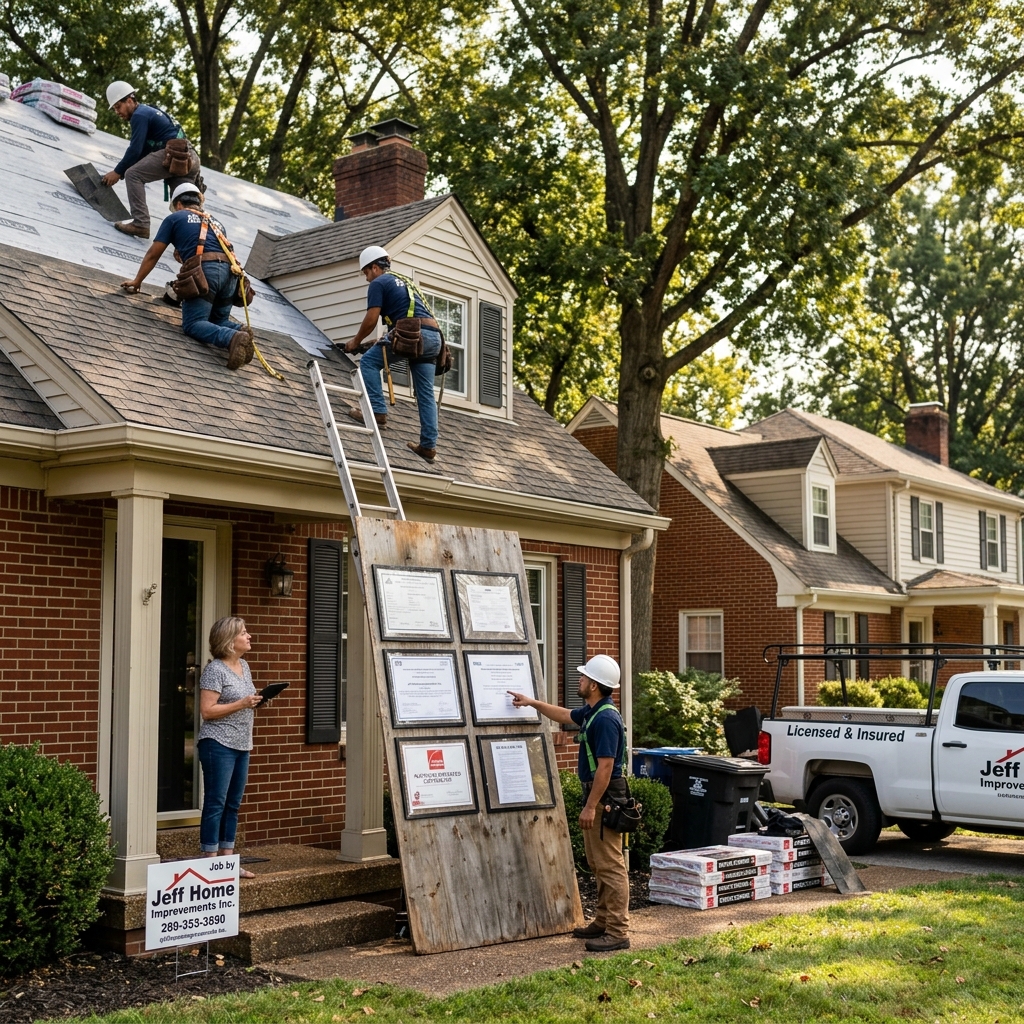
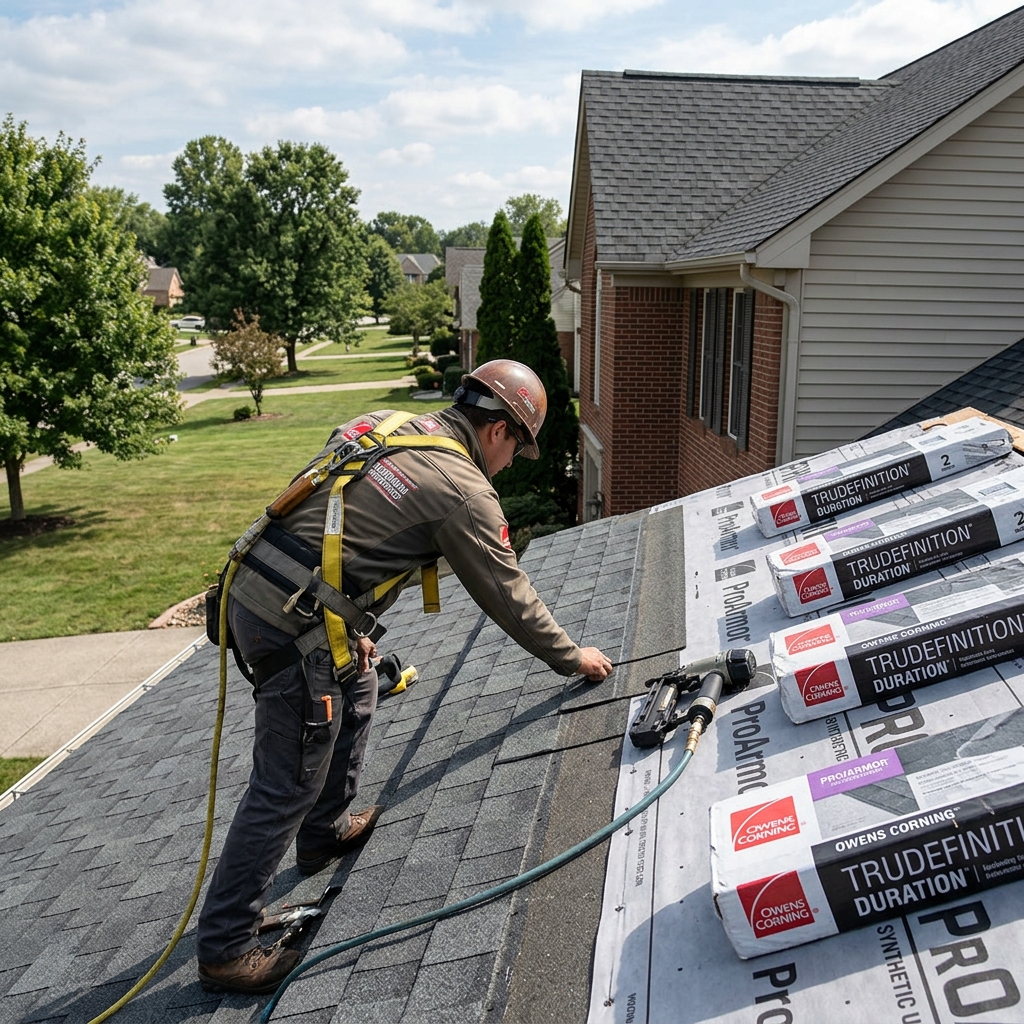
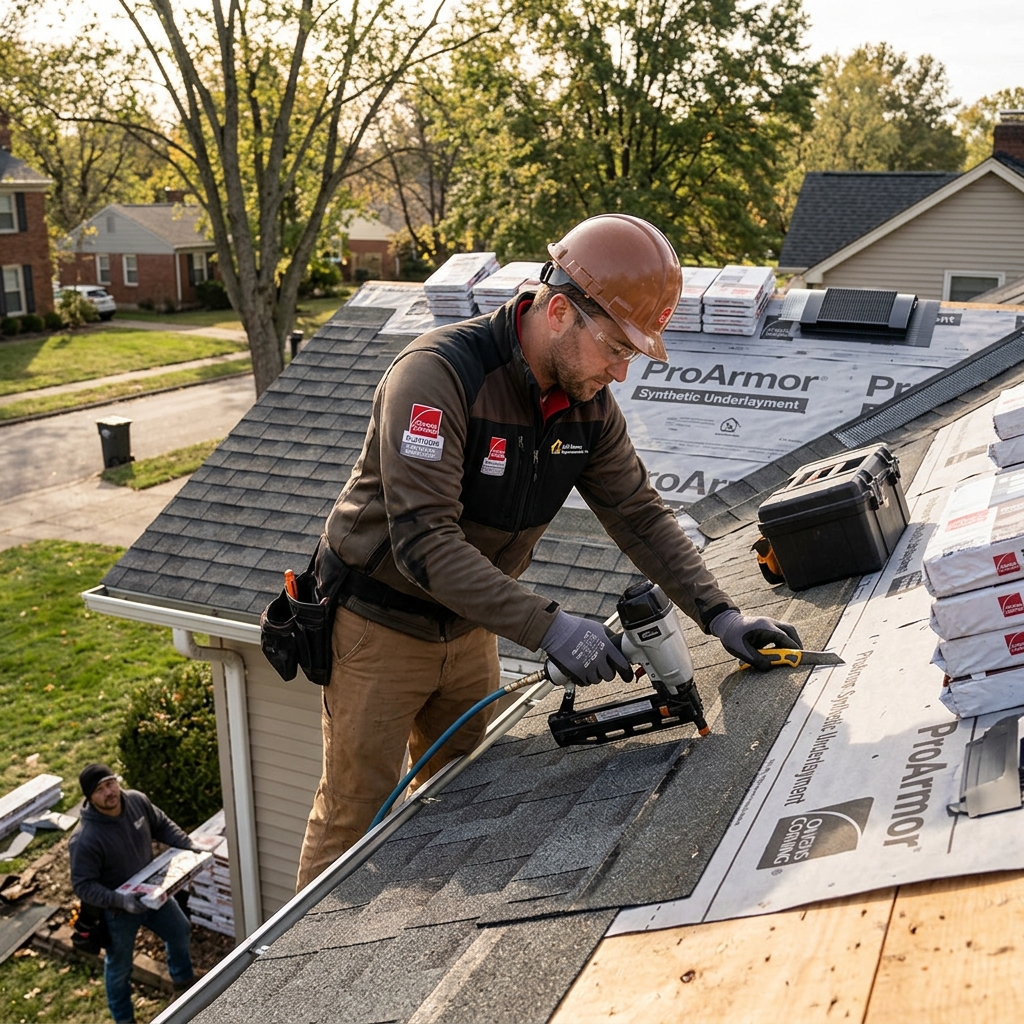
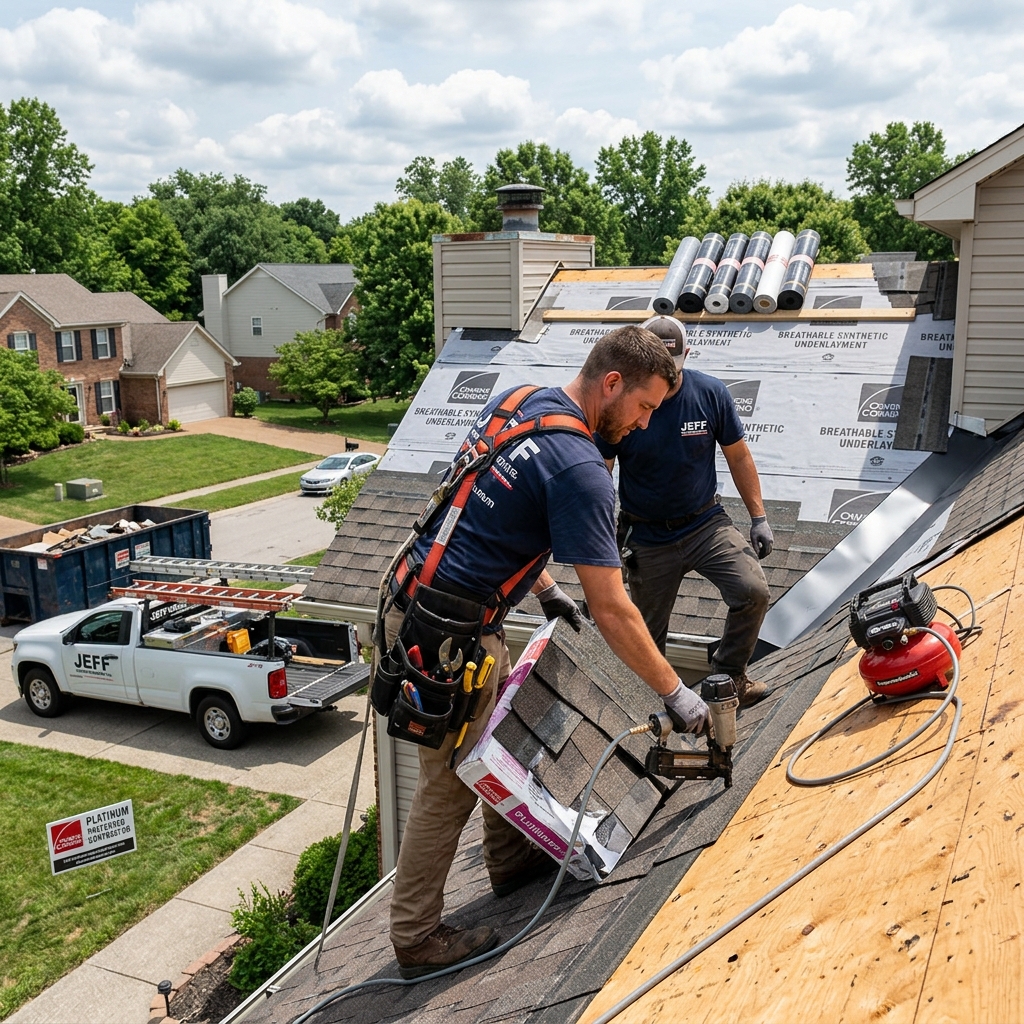
Best Owens Corning Certified Roofing Contractors in Louisville Kentucky

Understanding the Owens Corning Certification Levels

When your roof needs replacement or storm damage repair, the contractor you hire makes the difference between a job done right and one that creates problems for years. We’ve seen too many Louisville homeowners struggle with poor installations, warranty disputes, and premature failures because they chose based on price alone.

The reality is that Owens Corning certification levels aren’t just marketing badges. They represent measurable training requirements, ongoing quality standards, and warranty protection that directly affects what happens when something goes wrong. Understanding these distinctions helps you make an informed decision about protecting one of your home’s most valuable assets.

Owens Corning maintains a tiered contractor certification system designed to ensure quality installation and customer protection. The certification hierarchy includes several levels, with Platinum Preferred representing the highest tier.

Gold Contractors have completed basic training and meet minimum standards for Owens Corning product installation. They’re authorized to install Owens Corning materials and back their work with standard warranties.

Platinum Preferred Contractors go significantly further. This designation requires contractors to demonstrate exceptional performance metrics, maintain higher training standards, and commit to ongoing education. Platinum contractors must pass rigorous audits and maintain quality benchmarks that Gold contractors don’t need to meet.

The certification difference reflects investment. Platinum contractors spend more time on continuing education, maintain stricter quality controls, and undergo regular performance reviews. Owens Corning doesn’t hand out Platinum status lightly. Only contractors who consistently perform at elite levels earn and keep this credential.

Beyond these primary tiers, Owens Corning also recognizes Preferred and Select contractors, but Platinum sits at the peak. When you see a contractor advertising Platinum Preferred status, you’re looking at someone who has chosen to meet exceptionally high standards.

Why Certification Matters for Your Roof Replacement

A roof replacement is typically a five-figure investment that you expect to last 20-30 years. The installation quality determines whether you get that lifespan or face premature failures, leaks, and costly repairs.

Here’s where certification becomes critical: installation matters as much as materials. Owens Corning manufactures excellent shingles, but those shingles only perform as designed when installed correctly. Improper installation voids warranties, allows water infiltration, and creates structural damage that extends far beyond the roof.

When you hire a certified contractor, you’re getting someone trained specifically in Owens Corning installation protocols. They understand the exact fastener placement, ventilation requirements, flashing standards, and temperature considerations that make the difference between a roof that lasts 25 years and one that fails in 10.

Certification also means accountability. If something goes wrong, the contractor’s certification is at stake. This creates real incentive to do the job right. Uncertified contractors have no such accountability mechanism.

Actionable step: When contacting roofing contractors, ask specifically about their Owens Corning certification level and request documentation. Don’t settle for verbal assurance.

Our Platinum Preferred Contractor Status

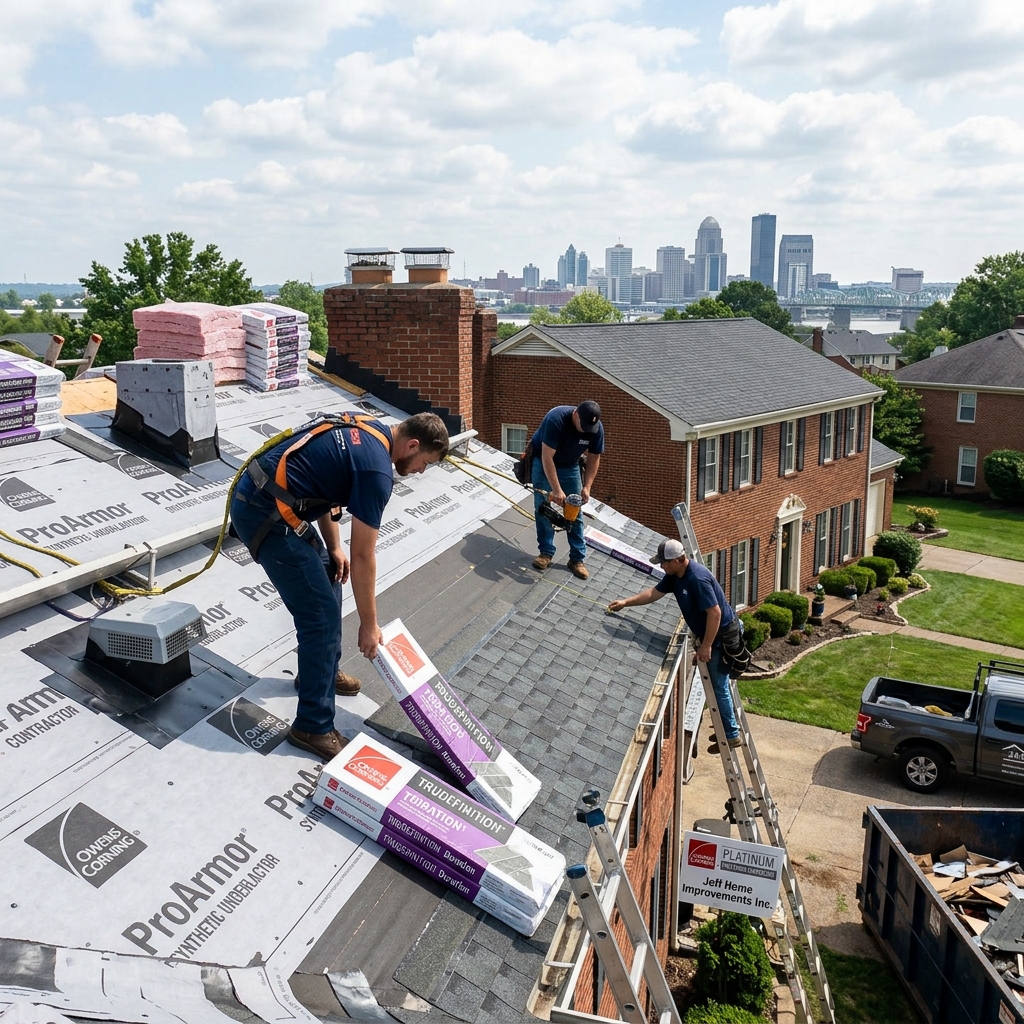
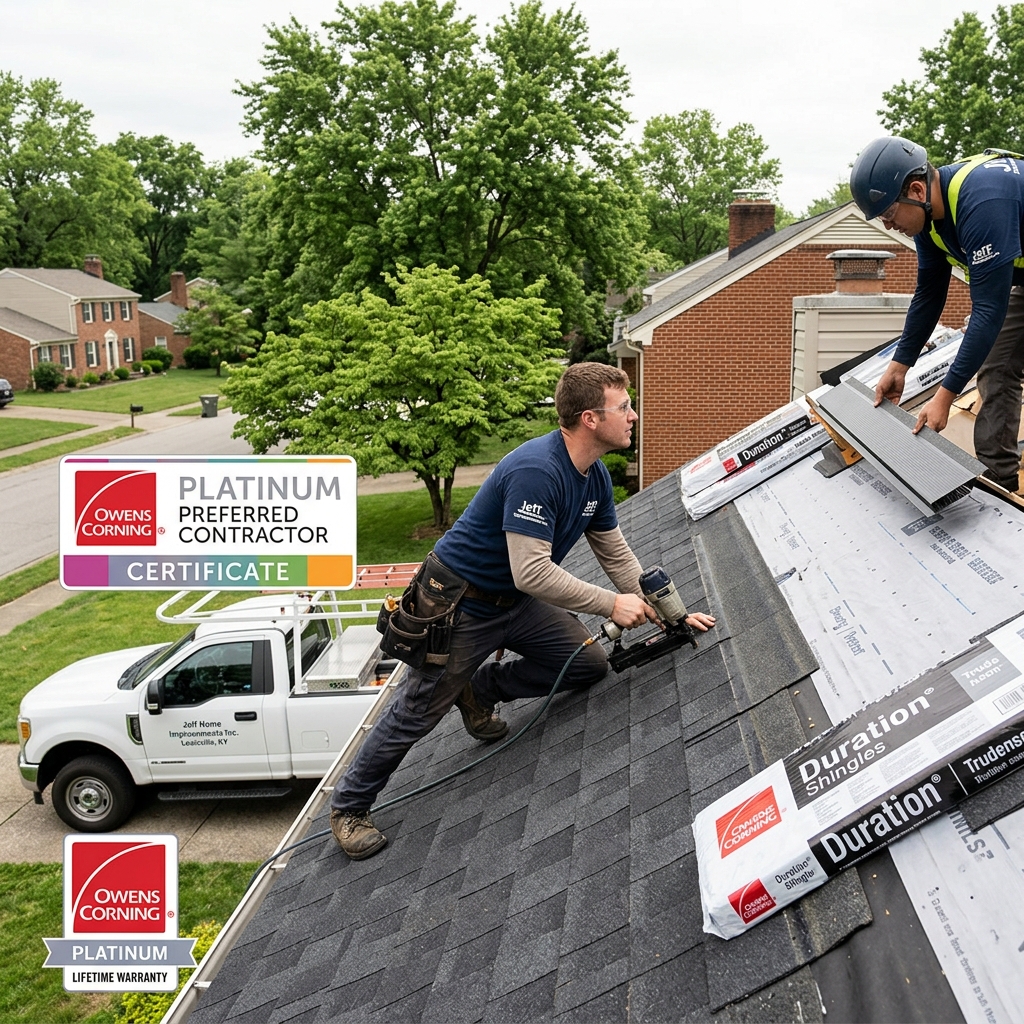
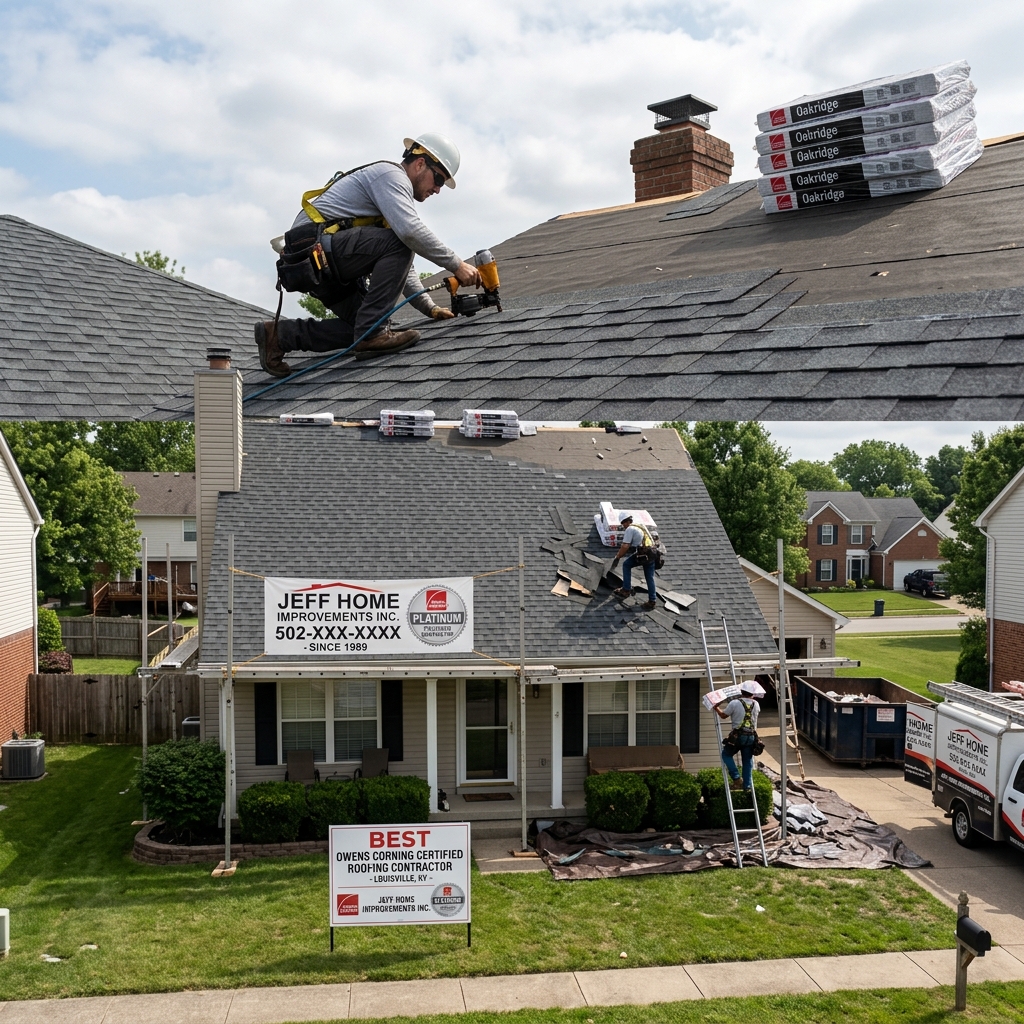
We’ve earned and maintained our Owens Corning Platinum Preferred Contractor designation by consistently exceeding installation standards, investing in ongoing training for our crews, and prioritizing customer outcomes over quick completions.

Since 1989, our family-owned business has built our reputation by doing roofing and exterior work right. The Platinum Preferred status represents our commitment to that standard. We don’t just install shingles; we engineer systems that protect your home for decades.

Our crews complete specialized training in Owens Corning ventilation strategies, new product lines, and advanced installation techniques. Every team member working on your roof understands the specific requirements for your home’s pitch, climate zone, and architectural style. This isn’t generic roofing knowledge; it’s Owens Corning-specific expertise applied to your unique situation.

Jeff Home Improvements holds this certification because we’ve chosen to operate at a higher standard than we’re legally required to. We could cut corners and still be in business, but that’s not how we work. Our Platinum status means we’ve audited and passed Owens Corning’s strict performance reviews year after year.

Platinum vs Gold: Key Differences Explained

Understanding what separates Platinum from Gold contractors helps you grasp what you’re actually paying for when you choose a higher-tier installer.

Training Requirements

Gold contractors complete foundational training on Owens Corning products and basic installation standards. Platinum contractors complete advanced training, pass more rigorous assessments, and commit to ongoing education. Our crews attend specialized sessions on advanced techniques, new product releases, and problem-solving approaches that Gold contractors may not pursue.

Quality Control Standards

Platinum contractors maintain documented quality control processes. We track installation metrics, respond to performance data, and adjust processes when needed. Gold contractors aren’t required to maintain this level of systematic oversight.

Warranty Coverage

This difference is substantial. Platinum contractors can offer Owens Corning Limited Lifetime warranties on materials paired with extended labor warranties. Gold contractors provide standard warranties with shorter labor coverage periods. The warranty difference can mean thousands of dollars in coverage if problems arise.

Audit and Accountability

Owens Corning audits Platinum contractors on performance metrics. If we fail audits or receive too many complaints, we lose our certification. Gold contractors don’t face this same level of accountability. This creates real consequence for cutting corners.

Job Site Standards

Platinum contractors maintain specific standards for job site safety, debris management, and customer communication. We’re required to document these practices. Gold contractors follow industry standards but don’t have Owens Corning-specific requirements.

The price difference between Gold and Platinum isn’t arbitrary. You’re paying for measurably higher standards, better warranty protection, and contractors who face real consequences for poor performance.

Superior Protection and Warranty Benefits

When you use a Platinum Preferred Contractor, your warranty coverage extends beyond what Gold contractor customers receive.

A typical Platinum installation from us includes:

  • Limited Lifetime Material Warranty: Owens Corning covers defects in materials for the lifetime of your original home ownership. If shingles fail due to manufacturing defects, Owens Corning replaces them at no charge.
  • Extended Labor Warranty: We back our installation work for up to 10 years depending on the specific Owens Corning product line. This covers problems resulting from improper installation, not just material defects.
  • Enhanced Hail Warranty: Some Owens Corning Platinum programs include superior hail damage coverage, especially important in the Louisville area where spring storms regularly impact roofs.

Compare this to Gold contractor warranties, which typically offer limited material coverage (often 10-25 years depending on product) and shorter labor warranties (typically 2-5 years). The difference adds significant financial protection.

Here’s a practical scenario: Five years after installation, hail damages your roof. With Platinum coverage, the extended warranty protects you. With Gold coverage, you may have only limited recourse depending on which specific Gold program the contractor offered.

What to do next: Request the exact warranty documentation in writing before hiring any contractor. Compare the specific coverage periods, exclusions, and claim procedures.

Why Louisville Homeowners Choose Platinum Contractors

Louisville’s climate and weather patterns make Platinum contractor selection particularly important. We experience significant storm activity, temperature fluctuations, and humidity variations that stress roofing systems.

Spring storms bring hail and high winds. Summer heat and humidity test ventilation systems. Winter ice dams form in gutters and create water backup risks. A properly installed roof by a Platinum contractor handles these conditions. A marginal installation fails under pressure.

Homeowners in the Kentuckiana area have learned through experience that the cheapest contractor often becomes the most expensive choice. When a roof installed by a budget option fails prematurely, you’re not just paying for replacement. You’re paying for emergency repairs, potential interior water damage, and the stress of dealing with contractor disputes.

We work with families and businesses who’ve already gone through that experience once and want certainty the second time. They choose us specifically because our Platinum status means documented quality standards, meaningful warranties, and a contractor who will stand behind the work for years.

Many of our best customers came to us after a bad experience elsewhere. They understood that certification and accountability matter. Once you’ve experienced a leak in your upstairs bedroom because of poor installation, spending extra for a Platinum contractor becomes obvious value.

How We Deliver Exceptional Results

Our Platinum Preferred designation isn’t theoretical. It shows up in how we actually work.

Pre-Installation Precision

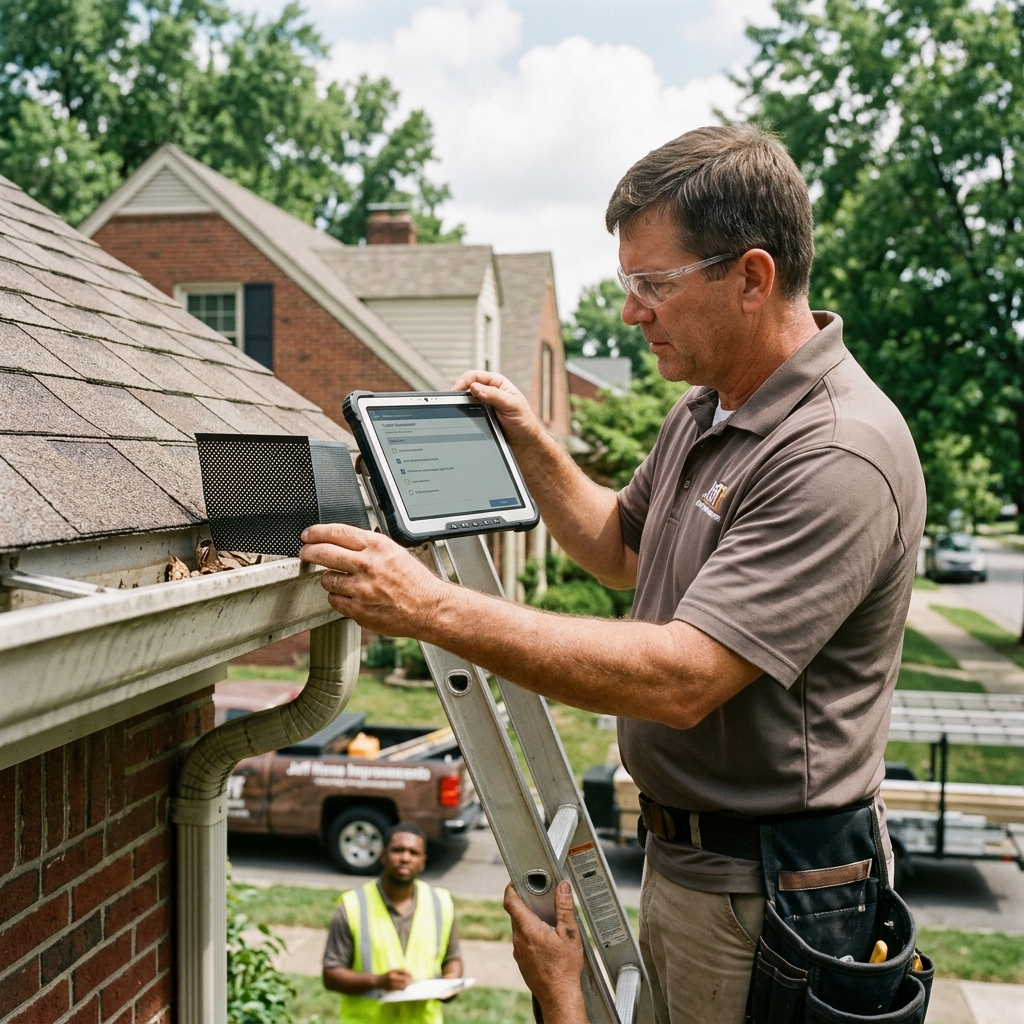
We start with detailed roof assessments using modern diagnostic tools. We identify structural issues, determine appropriate ventilation needs, and assess whether your existing deck can support new materials or needs repair. Many contractors skip this step. We make it foundational because poor preparation causes failures.

Crew Training and Accountability

Every installer on our team receives Owens Corning-specific training. We don’t rotate crews randomly. We maintain consistent teams so everyone develops deep familiarity with our standards and processes. Crew leaders complete additional certification and oversee quality at each stage.

Engineered Solutions

We design roof systems specifically for your home, not one-size-fits-all approaches. Your roof pitch, exposure direction, ventilation needs, and climate zone all influence the system we specify. We work with Owens Corning technical representatives on complex jobs to ensure optimal outcomes.

Material Management

Quality shingles shipped incorrectly or stored improperly arrive compromised. We manage material delivery, storage, and staging to protect them. We don’t stockpile materials in hot conditions or allow exposure to weather. This attention extends the performance of every bundle.

Complete Documentation

We photograph every stage of installation, document materials used, record crew information, and maintain detailed warranty records. If questions arise years later, we have thorough documentation of exactly what was done.

Actionable takeaway: Ask prospective contractors how they ensure quality. Vague answers suggest they don’t have systematic processes. Specific answers about training, crew structure, and documentation indicate genuine quality focus.

Making Your Selection: Why We Stand Out

When you’re evaluating roofing contractors in Louisville, several factors distinguish us.

Established Reputation Since 1989

We’re not a fly-by-night operation or a franchise from out of state. We’ve served Louisville families and businesses for over 35 years. Our longevity means we’re invested in local reputation because we’ll be here long after your roof is installed.

Platinum Preferred Certification

Not every contractor maintains this status. Many stop at Gold or don’t pursue Owens Corning certification at all. Our commitment to this higher standard reflects our values.

Comprehensive Services

Beyond roofing, we handle siding, windows, gutters, and storm damage restoration. This expertise matters because exterior systems interact. We understand how roofing connects to your gutter system, how ventilation interacts with attic conditions, and how comprehensive exterior solutions work together.

Virtual Consultations and Instant Estimates

You don’t need to schedule an inconvenient appointment to get started. We offer virtual consultations and rapid estimates so you can understand options and pricing quickly. This convenience doesn’t compromise quality.

Storm Damage Specialization

The Louisville area experiences significant storm activity. We’re experienced specifically in storm damage assessment, insurance claim navigation, and rapid restoration. This expertise is valuable when you’re dealing with emergency roof damage.

Local Accountability

We’re here. We’re not managing dozens of projects in six states. We focus on our community, which means we’re invested in doing right by each customer and building relationships that last decades.

The reality is straightforward: you need a certified contractor who will stand behind work, understands your climate, maintains quality standards, and will be available if problems arise. We meet every one of these criteria, backed by our Platinum Preferred status and three decades of local reputation.

Frequently Asked Questions About Owens Corning Ratings

What’s the difference between Platinum and Preferred status?

Platinum Preferred is Owens Corning’s single highest certification level. Some contractors use “Preferred” or other terms, but “Platinum Preferred” is the official top tier. Don’t settle for similar-sounding but lower ratings.

How often does Owens Corning audit Platinum contractors?

Audits occur regularly, with frequency varying based on performance metrics. Contractors receiving complaints or showing performance issues face more frequent audits. This accountability system is part of why Platinum certification matters.

Can a Platinum contractor lose certification?

Yes. Contractors who fail audits, exceed complaint thresholds, or don’t maintain training requirements lose their Platinum status. This real consequence ensures ongoing commitment to quality.

Does Platinum certification guarantee my roof won’t have problems?

No certification guarantees problem-free roofs forever. However, Platinum installation significantly reduces the likelihood of problems caused by poor workmanship. Problems that do occur are covered by superior warranties and backed by a contractor whose reputation depends on standing behind the work.

Why is storm damage repair different from new installation?

Storm damage assessment requires specific expertise in identifying hail damage, wind damage, and water intrusion. We’ve handled thousands of storm damage claims and understand the documentation insurance companies require. This specialty expertise matters when your home has been damaged.

Should I always choose the cheapest estimate?

No. Price is a single factor among many. The cheapest contractor may use inexperienced crews, skip quality steps, or offer minimal warranties. The cost difference between a budget contractor and a Platinum contractor often represents the difference between a 10-year roof and a 25-year roof. Over that timeline, the better contractor is actually cheaper.

How do I verify Platinum Preferred status?

Owens Corning maintains a directory of certified contractors on their website. You can search by location and see actual certification levels. Don’t rely on contractor claims alone; verify directly with Owens Corning.

What happens if I need warranty work after installation?

With us, warranty work is handled directly. We stand behind our installation and manage any issues that arise. You’re not filing claims with distant contractors or dealing with disputes. We’re local, accessible, and committed to resolution.

When you choose a Platinum Preferred Contractor for your roof replacement or storm damage repair, you’re choosing measurable quality standards, superior warranties, and a contractor with real accountability. We’ve earned and maintained our Platinum status by consistently meeting these standards for our Louisville community. Contact us for a virtual consultation and instant estimate, and let’s discuss how we can protect your home with the expertise and quality you deserve.

Contact us today for a free in home, no obligation quote on your roof
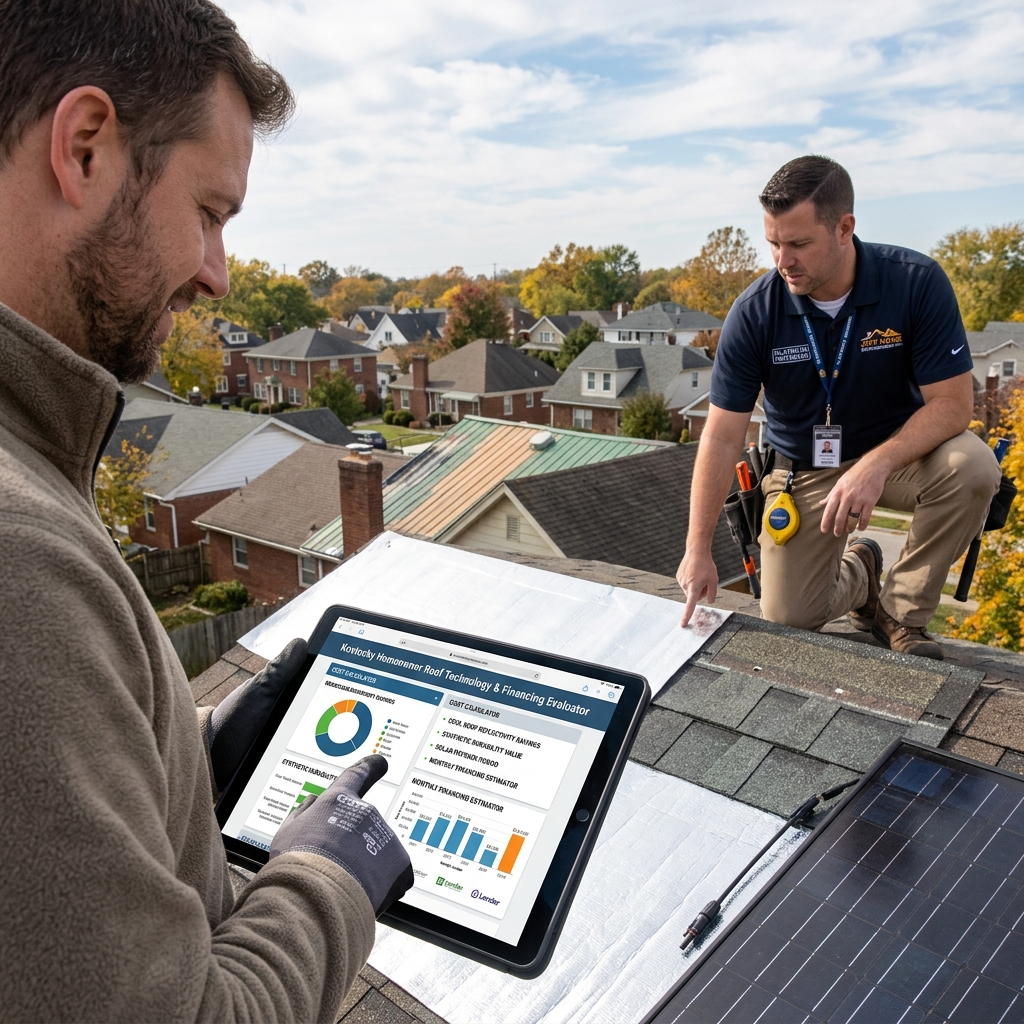
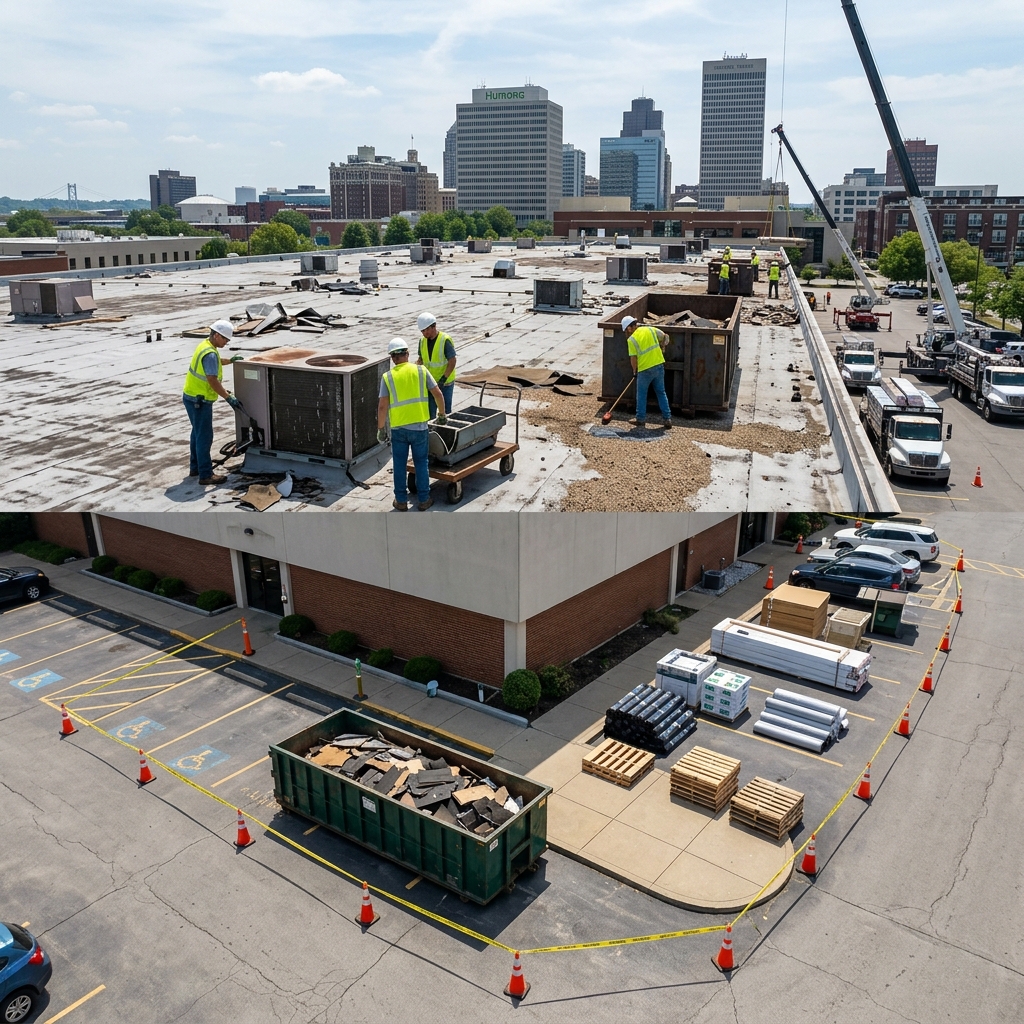
Top 7 Essential Steps to Prepare Your Louisville Commercial Building for Roof Replacement

Why Proper Preparation Matters for Commercial Roof Projects

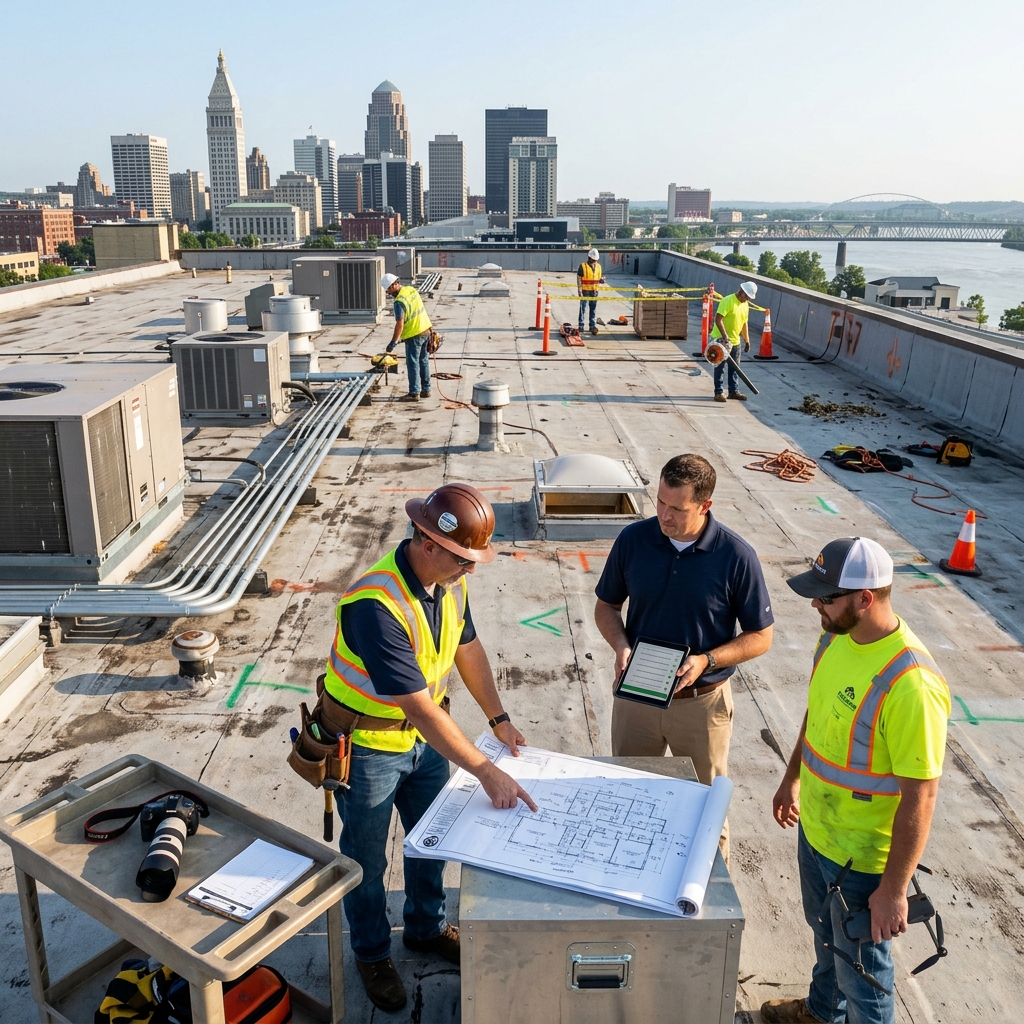
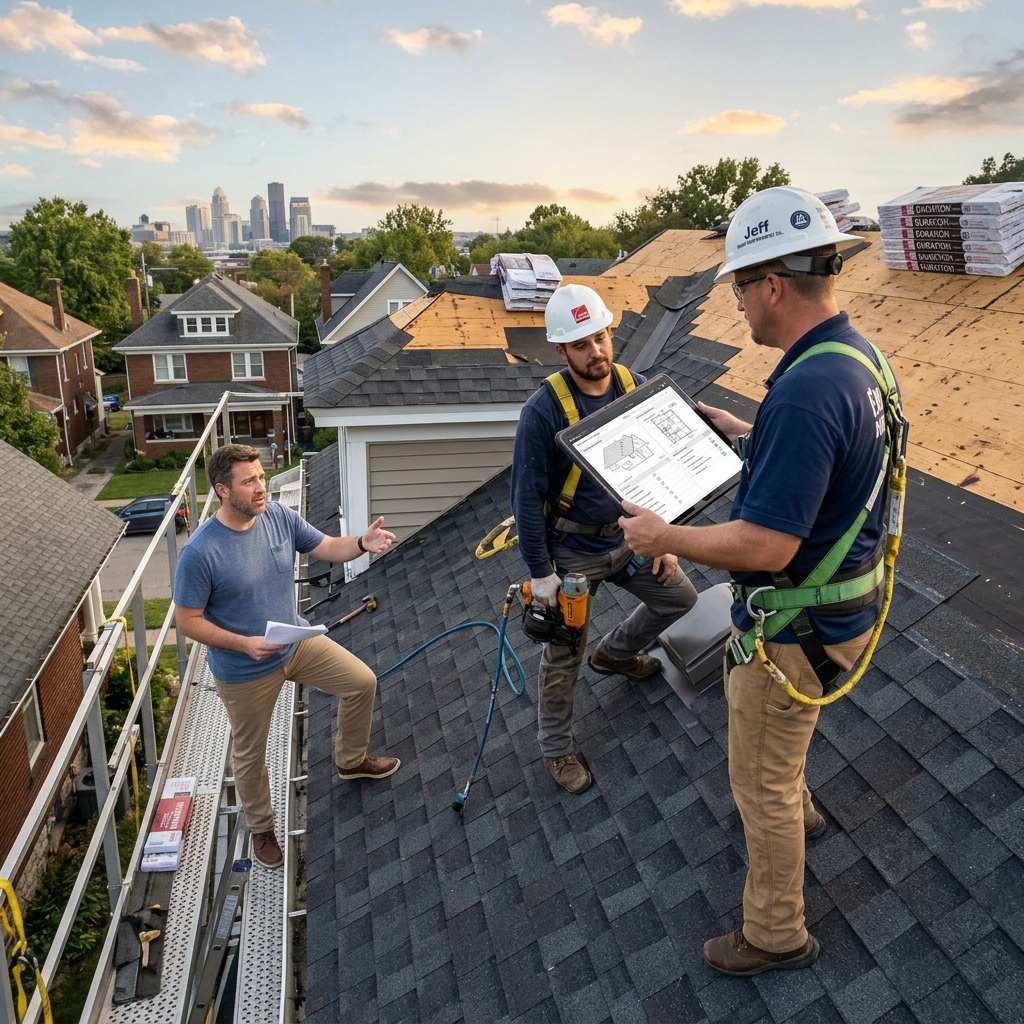
A commercial roof replacement is one of the most significant investments a property owner or manager makes. Unlike residential roofing projects, commercial work involves larger square footage, more complex structural considerations, and operational continuity that can’t simply pause for a week. When preparation is thorough, the project runs smoothly, stays on budget, and minimizes disruption to your tenants or daily operations.

We’ve seen countless commercial roof projects in the Louisville and Kentuckiana area succeed or struggle based on how well the property owner prepared beforehand. The difference between a well-coordinated replacement and a chaotic one often comes down to planning. Inadequate preparation leads to unexpected delays, cost overruns, safety hazards, and frustrated stakeholders. Conversely, properties that follow a structured preparation process report faster timelines, fewer surprises, and higher satisfaction with the final result.

This guide walks you through seven essential steps to ready your commercial building for roof replacement. Each step addresses a specific aspect of preparation, from initial assessment through contractor selection. By the time you finish, you’ll have a clear roadmap for moving forward with confidence.

Step 1: Conduct a Professional Roof Inspection and Assessment

Before any replacement work begins, you need a detailed understanding of your current roof’s condition. A professional roof inspection reveals structural damage, drainage issues, insulation problems, and any underlying concerns that might affect the scope of your project. This isn’t something to skip or delegate to an untrained staff member.

During a professional inspection, a qualified roofer will examine:

  • Membrane or shingle condition and remaining lifespan
  • Flashing around penetrations, edges, and transitions
  • Drainage systems and potential pooling areas
  • Underlying substrate and deck integrity
  • HVAC equipment mounting and integration
  • Existing insulation and ventilation adequacy

A thorough inspection reveals whether your project is a straightforward replacement or if additional work like decking repair or structural reinforcement is needed. This assessment becomes the foundation for accurate budgeting and realistic timelines. Many property owners discover that addressing underlying issues during roof replacement saves money and prevents future leaks.

What to do next: Schedule an inspection with a certified commercial roofing contractor who has experience with buildings similar to yours. Ask them to provide a written report detailing findings and recommendations.

Step 2: Document Your Current Roof Condition and Take Photos

Written inspection reports are essential, but visual documentation creates an objective record of your roof’s starting point. Photography serves multiple purposes: it supports insurance claims if storm damage occurs before work begins, provides reference material for the contractor, and protects you legally by establishing baseline conditions.

Photograph every section of your roof, including:

  • Overall condition and any visible damage or deterioration
  • Penetrations and equipment (vents, pipes, HVAC units, antennas)
  • Flashing and seams showing wear or gaps
  • Drainage areas and gutters
  • Surrounding areas like adjacent buildings or landscape features
  • Interior evidence of leaks, water stains, or mold in attic spaces or ceilings

Include close-up shots of problem areas and wide-angle views showing the roof’s full layout. Date-stamp photos with the camera or manually note the date. Store digital copies in multiple locations (cloud storage, external drive, email to yourself) so they’re preserved regardless of computer failures.

This documentation becomes invaluable if disputes arise about pre-existing conditions or if you need to file insurance claims. It also helps your contractor understand the full scope before bidding on the work.

What to do next: Assign someone responsible for organizing photos by date and location. Create a simple spreadsheet noting what each photo shows and when it was taken.

Step 3: Review Your Building’s Structural Requirements and Codes

Commercial buildings must comply with specific building codes and regulations that govern roofing systems. Louisville and Kentucky have particular code requirements related to wind uplift resistance, drainage capacity, fire ratings, and snow load capacity. Non-compliance can result in failed inspections, denial of permits, insurance issues, or liability concerns.

Before your roof replacement project begins, verify:

  • Current building code requirements for your property’s classification
  • Wind uplift ratings required for your geographic area
  • Snow load and drainage requirements
  • Fire rating specifications (especially critical for multi-tenant buildings)
  • Historical permit approvals and any notes about previous work
  • Insurance requirements or endorsements tied to roof specifications
  • ADA compliance if work involves roof-access areas
  • Environmental regulations (asbestos abatement if the old roof contains it)

Your contractor should review these requirements and confirm that their proposed solution meets all applicable codes. Many roof failures and disputes stem from systems installed without proper code compliance. Kentucky commercial buildings also need to account for potential severe weather, including hail and high winds that are common in the region.

Contact your local Louisville building department for code specifics applicable to your property type and size. Your contractor should have this knowledge as standard practice, but you benefit from independent verification.

What to do next: Request code requirement documentation from your building department or review the Kentucky International Building Code amendments applicable to commercial roofing. Share findings with your prospective contractors.

Step 4: Plan for Business Continuity During Construction

Commercial roof replacement typically takes one to three weeks depending on building size and complexity. During this period, your tenants, employees, or customers may experience noise, limited roof access, potential water exposure risks during weather events, and general disruption. Planning ahead minimizes operational impact and maintains stakeholder confidence.

Create a business continuity plan addressing:

  • Exact project timeline and daily work hours
  • Areas of the building where access will be restricted
  • Noise levels and peak disruption times (heavy equipment operation, debris removal)
  • Parking impacts if contractors need dedicated spaces
  • Roof access restrictions for HVAC maintenance or other needs during construction
  • Contingency protocols if severe weather interrupts work
  • Communication schedule for tenants and stakeholders
  • Debris removal and site cleanup frequency
  • Any rental income loss or operational adjustments needed

For multi-tenant commercial buildings, coordinate with property managers and tenant representatives. For single-operator facilities, brief your team on what to expect and how it affects daily operations. Properties with mission-critical operations (data centers, medical facilities, manufacturing) should discuss weather contingencies and backup systems with their contractor.

Establishing clear expectations upfront prevents frustration and maintains professional relationships with tenants and stakeholders. It also protects your contractor by setting realistic working conditions and safety protocols.

What to do next: Create a written project schedule and share it with all affected parties at least two weeks before work begins. Include daily start/end times, major milestones, and contact information for the project manager.

Step 5: Clear the Roof and Surrounding Areas

A cluttered roof slows down work, creates safety hazards, and increases labor costs. Before your contractor arrives, remove or relocate everything unnecessary from the roof and the areas surrounding your building.

Items to address:

  • HVAC units, condensers, and associated ductwork (may need professional relocation)
  • Satellite dishes, antennas, or communication equipment
  • Rooftop signage, vents, or exhaust pipes (coordinate with your contractor on temporary or permanent relocation)
  • Debris, leaves, standing water, or vegetation
  • Parked equipment or temporary storage
  • Loose fasteners, damaged drains, or protruding nails
  • Chemical containers or hazardous materials
  • Snow, ice, or algae buildup

Around the perimeter, trim overhanging tree branches that could interfere with work or create debris hazards. Ensure ground-level areas where equipment will be staged are clear of vehicles, merchandise, or obstacles. Temporary fencing may be needed to protect landscaping or keep pedestrians away from work zones.

Clear roofs allow contractors to work safely and efficiently, which directly impacts your timeline and final cost. Removing obstacles yourself rather than asking the contractor to work around them saves money and reduces project duration.

What to do next: Walk the roof with your contractor before work begins. Photograph any items that need relocation and confirm responsibility for moving them (your team or theirs, and at what cost).

Step 6: Communicate with Tenants and Stakeholders

Transparent communication prevents misunderstandings, reduces complaints, and builds confidence that the project is being handled professionally. Tenants and stakeholders deserve advance notice about what’s happening, how long it will last, and who to contact with concerns.

Develop a communication strategy that includes:

  • Written notice sent 2-3 weeks before work begins (email, posted flyers, or formal letter)
  • Clear explanation of what work is being done and why
  • Detailed timeline including expected start and completion dates
  • Description of potential impacts (noise, limited roof access, water exposure risks during weather)
  • Daily work hours and weekend/holiday closure information
  • Name and phone number of the project manager for questions or issues
  • Emergency contact procedures if problems arise during construction
  • Notice about debris and staging areas
  • Updates if delays or weather impacts the schedule

For multi-tenant buildings, consider hosting a brief meeting with tenant representatives to address concerns directly. For single-location commercial properties, brief your management team and key staff so they can answer customer questions consistently.

Keep communication channels open throughout the project. If unexpected issues arise or timelines shift, notify stakeholders promptly rather than letting rumors spread. Professional communication demonstrates competence and reduces anxiety about the disruption.

What to do next: Draft your communication notice now and identify your project manager before sending it out. Include a deadline for questions so you can address concerns before work begins.

Step 7: Choose the Right Contractor for Your Louisville Commercial Roof

Your choice of contractor determines the quality, timeline, and overall success of your roof replacement. This decision shouldn’t be rushed or based solely on the lowest bid. A qualified commercial roofing contractor brings expertise, proper licensing, adequate insurance, and proven project experience.

Evaluate contractors on these criteria:

  • Licensed and insured for commercial work in Kentucky (verify with state licensing board)
  • Certifications from major manufacturers (Owens Corning Platinum Preferred, GAF Master Elite, etc.)
  • Demonstrated experience with buildings similar in size and complexity to yours
  • References from recent commercial projects and ability to speak with prior clients
  • Clear written proposal including scope of work, materials, timeline, and pricing
  • Warranty details (manufacturer warranty, workmanship warranty, length of coverage)
  • OSHA compliance and safety certifications for workers
  • Detailed project timeline with defined milestones
  • Communication plan and designated project manager

Request proposals from multiple contractors and compare not just price but value. The lowest bid often reflects shortcuts that compromise quality or longevity. A contractor offering comprehensive warranties, certified materials, and proven processes commands higher costs but delivers superior long-term value.

Ask about storm damage repair experience and how they handle weather-related complications. In Kentucky, spring and early fall bring severe thunderstorms and hail that can interrupt outdoor work. A contractor familiar with these conditions plans accordingly and minimizes disruptions.

What to do next: Contact at least three commercial roofing contractors for assessments and proposals. Request at least two references from similar projects completed in the past two years.

Why Jeff Home Improvements Inc. is Your Best Choice

We’ve been serving Louisville and Kentuckiana property owners since 1989, and commercial roof replacement is one of our core specialties. As an Owens Corning Platinum Preferred Contractor, we meet the industry’s highest standards for materials, installation quality, and customer service.

Here’s what sets Jeff Home Improvements apart:

  • 37 years of local experience with commercial and residential roofing across Kentucky
  • Platinum Preferred status with Owens Corning, ensuring access to premium materials and proven installation methods
  • Comprehensive experience with storm damage restoration, a critical concern in our region
  • Professional inspection and assessment that identifies all underlying issues before work begins
  • Virtual consultation and instant estimates for transparent, upfront pricing
  • Full licensing and insurance meeting all Kentucky commercial roofing standards
  • Dedicated project managers who maintain clear communication throughout your project
  • Workmanship warranty backing our installation quality
  • Proven timeline management even when weather complications arise

We understand the unique challenges of commercial roof replacement in Louisville. We’ve navigated building code compliance, managed multi-tenant coordination, and delivered projects on schedule despite seasonal weather challenges. Our Platinum Preferred status with Owens Corning isn’t just a badge; it reflects our commitment to proper installation using premium materials and proven methods.

How We Ensure a Smooth Roof Replacement Process

Our approach to commercial roof replacement follows the preparation steps outlined above, with our team guiding you through each phase. From initial inspection through final completion, we coordinate every detail to minimize disruption and maximize quality.

When you contact us, we start with a professional roof inspection and assessment. Our certified inspectors examine every aspect of your current roof, identify underlying issues, and provide a detailed written report. We take photos documenting baseline conditions and provide copies for your records. This assessment becomes the foundation for an accurate, comprehensive proposal.

We review all applicable Kentucky building codes and confirm that our recommended solution meets your property’s requirements. For complex buildings or special circumstances, we coordinate with your building department to ensure permit approvals and compliance verification.

Our project managers develop detailed timelines accounting for Louisville’s seasonal weather patterns. We communicate with you and your tenants well in advance, provide weekly updates, and adjust schedules if weather impacts our work. We maintain safety protocols protecting your property and our team, and we handle debris removal and site cleanup daily so your building remains professional-looking throughout the project.

Our virtual consultation and instant estimate process means you get transparent pricing without pressure. We stand behind our work with comprehensive warranties and demonstrate our expertise through Owens Corning Platinum Preferred certification and proven references.

Getting Your Commercial Building Roof-Ready Today

Preparing your commercial building for roof replacement positions your project for success. By following these seven steps—conducting professional inspections, documenting conditions, reviewing code requirements, planning for business continuity, clearing work areas, communicating with stakeholders, and selecting a qualified contractor—you’ve addressed the key factors that determine project outcomes.

The next step is scheduling a professional assessment with a Louisville roofing contractor who understands commercial buildings and can guide you through the process. We’re ready to help you evaluate your roof’s condition, develop a replacement plan, and execute a project that minimizes disruption while delivering years of reliable protection for your building.

Contact us today for a virtual consultation and instant estimate. We’ll assess your situation, answer your questions, and provide a clear timeline and proposal so you can move forward with confidence. Your commercial building deserves expert care from a contractor who’s been trusted by Kentuckiana property owners for nearly four decades.

Contact us today for a free in home, no obligation quote on your roof
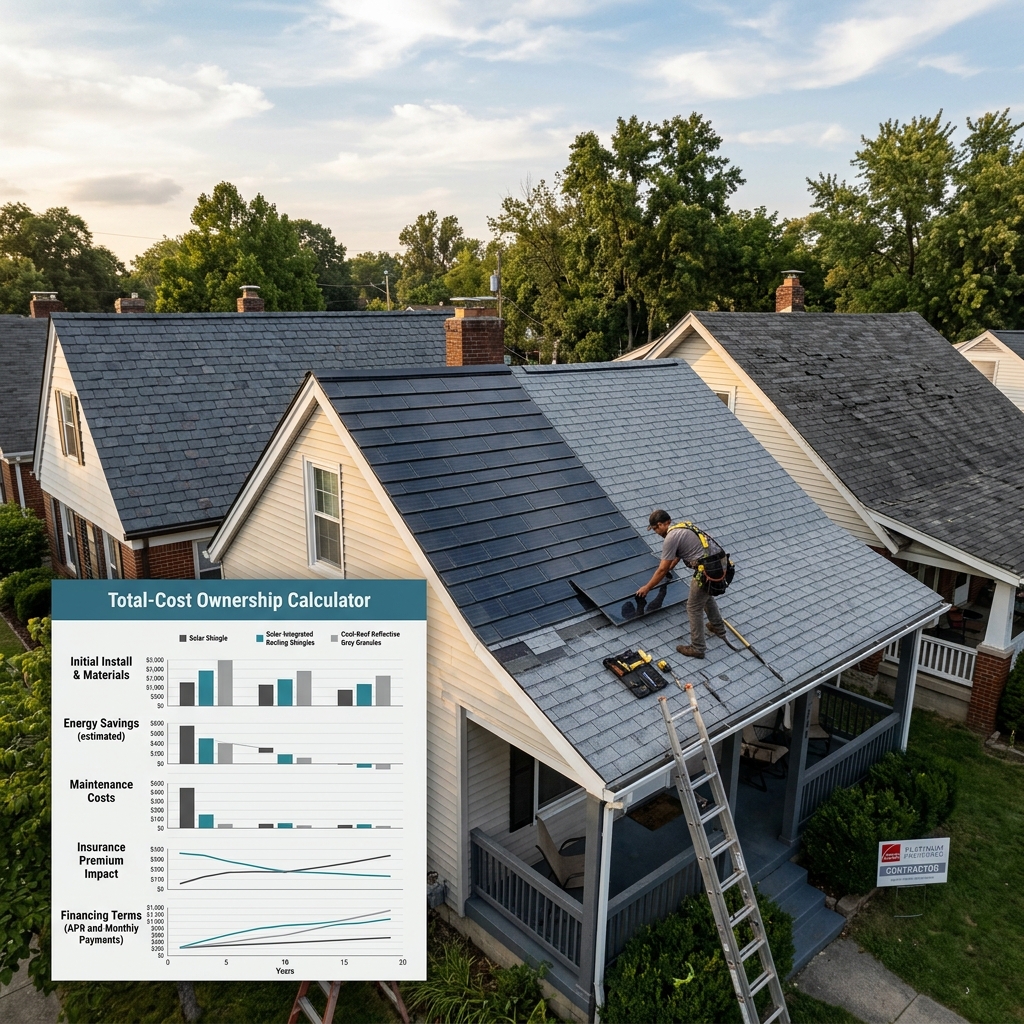
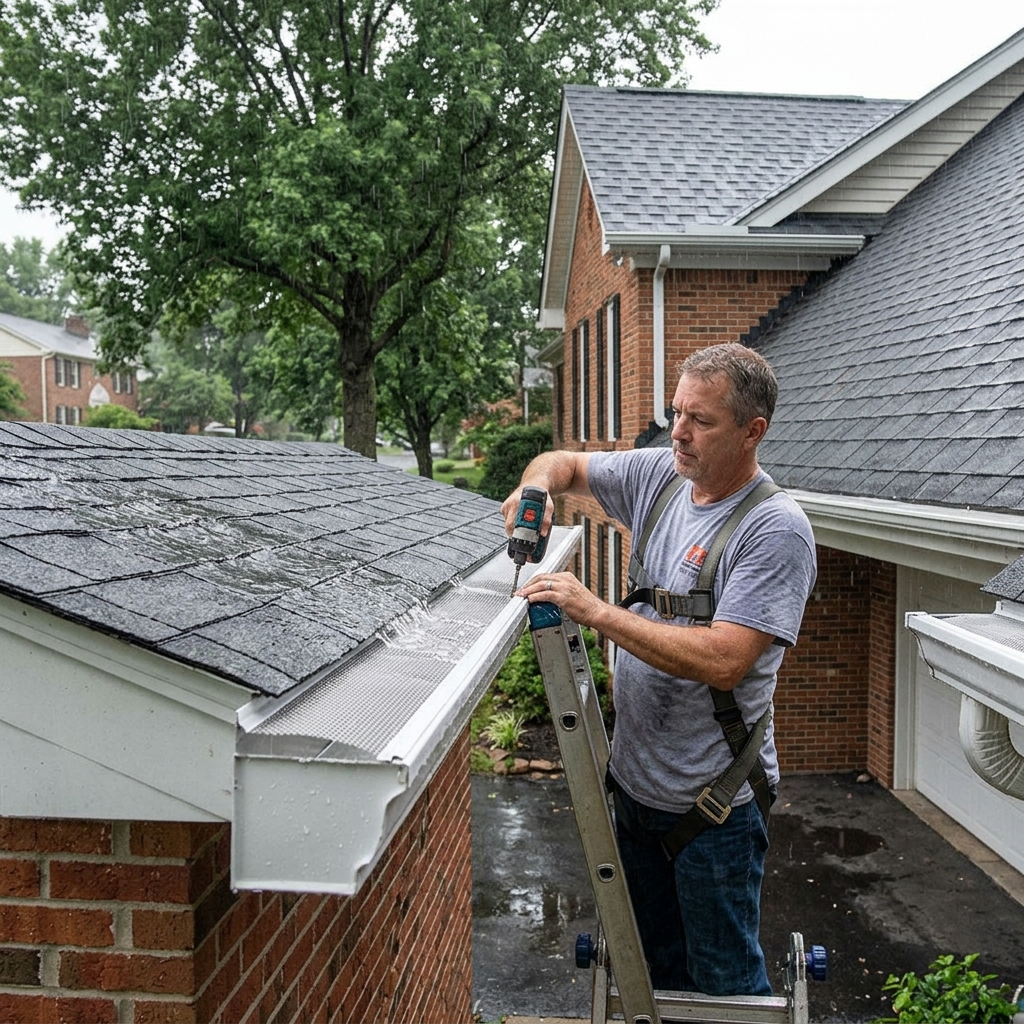
Best Gutter Guards for Louisville Homes: Ice Dam Prevention and Debris Protection

Why Gutter Guards Matter in Kentuckiana’s Climate

Louisville’s climate presents unique challenges that make gutter protection essential, not optional. Our region experiences significant temperature swings, heavy seasonal rainfall, and the occasional ice storm that catches homeowners off guard. Without proper gutter guards, your gutters become a liability rather than a protection system.

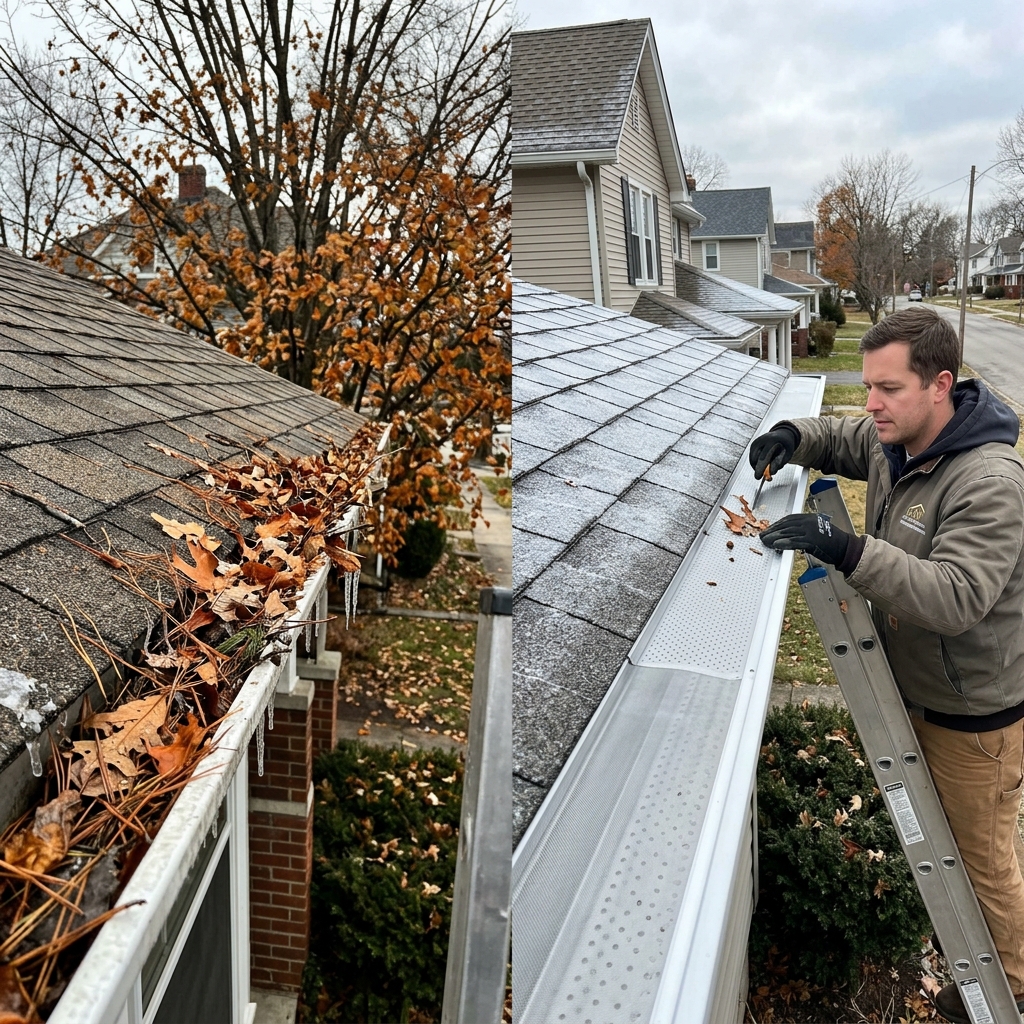
We’ve worked with hundreds of Louisville homeowners, and the pattern is clear: unprotected gutters lead to expensive repairs. When leaves, twigs, and debris accumulate, water backs up and seeps under your roofline. This moisture infiltration causes wood rot, mold growth, and damage to fascia boards that can cost thousands to repair. In winter, debris-filled gutters trap water that freezes, creating ice dams that prevent snowmelt from draining properly.

Gutter guards eliminate these problems by keeping debris out while allowing water through. They’re particularly valuable in our area because of the dense tree coverage surrounding most Kentuckiana homes. If your property has ash, maple, or oak trees nearby, you’re looking at constant leaf and branch debris without protection. The investment in quality gutter guards pays for itself within a few seasons through avoided repairs alone.

Your next step: Assess your gutters after the next heavy rain. If you see standing water or debris accumulation, gutter guards should be your priority.

The Ice Dam Problem: How Gutters Fail Louisville Homeowners

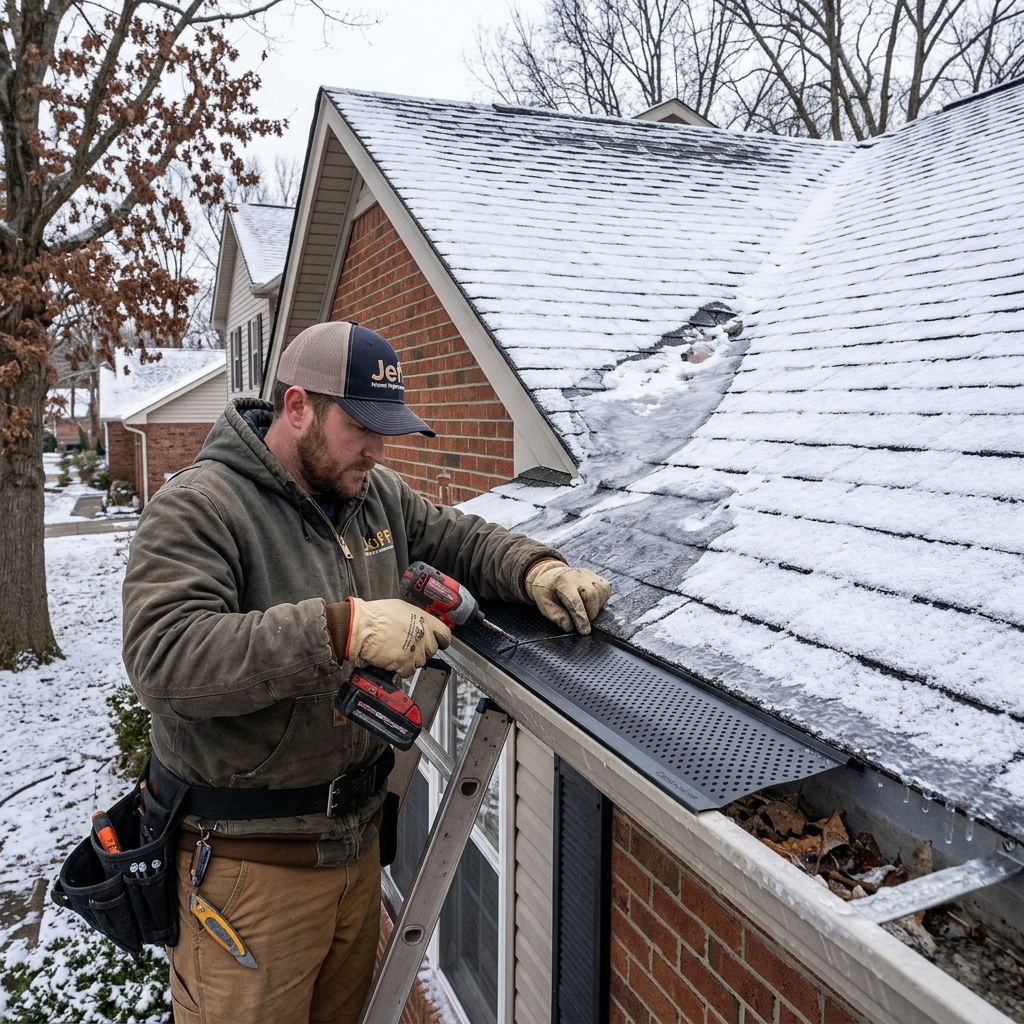
Ice dams are the silent destroyers of Louisville-area roofs and attics. They form when heat from your attic melts snow on the roof, water runs down toward the eaves, and then refreezes when it hits the colder gutter area. Without proper drainage, ice builds up and blocks water from flowing off your roof. That trapped water backs up under your shingles and into your attic, causing water damage that often goes unnoticed until significant harm has occurred.

Many homeowners don’t realize their gutter systems are contributing to the problem. Debris-clogged gutters trap water and ice even more effectively than empty ones. The blockage prevents meltwater from draining, accelerating ice dam formation. We’ve seen cases where homeowners spent $8,000 to $15,000 repairing water damage that proper gutter guards could have prevented entirely.

The secondary issue is weight. A blocked gutter filled with ice can weigh hundreds of pounds, putting dangerous stress on fascia boards, soffit, and roof structure. We’ve documented instances where ice-loaded gutters have actually pulled away from homes or caused structural damage that required extensive reinforcement work.

Quality gutter guards solve this by preventing debris accumulation that traps ice. Additionally, proper installation ensures water flows freely before it has a chance to refreeze. During Kentucky’s winter thaw cycles, fast-draining gutters mean less standing water and significantly reduced ice dam risk.

Your next step: Schedule a gutter inspection before late fall. Early intervention prevents emergency repairs when winter weather hits.

What Makes Effective Gutter Guards: Key Selection Criteria

Not all gutter guards perform equally. When evaluating options, focus on three core criteria: debris exclusion rate, water flow capacity, and installation durability.

Debris exclusion doesn’t mean 100 percent blockage of every particle. Smaller debris like seeds and pollen will eventually work their way through almost any system. What matters is that leaves, twigs, and the bulk of seasonal debris stay out of your gutters. Look for designs that use tension curves, screen barriers, or reverse-curve surfaces to redirect large debris while channeling water inward.

Water flow capacity is critical for Louisville’s heavy spring rains. Some guard systems restrict water flow to such a degree that during intense rainfall, water overshoots the system entirely, defeating the purpose. The best guards maintain the full flow rate of your gutters while managing debris. This typically means systems that don’t cover the entire gutter opening or use perforated designs that allow water to flow vertically downward into the trough.

Installation durability determines whether your system will still function years from now. Guards that aren’t securely fastened can shift, leaving gaps where debris enters. Expansion and contraction cycles during Kentucky winters can stress poorly-installed systems. The mounting method matters as much as the product itself.

Also consider material quality. Aluminum and stainless steel resist rust and corrosion better than plastic systems. UV-stable materials won’t degrade under Kentucky’s summer sun. Seamless construction eliminates weak points where water can escape or debris can accumulate.

Your next step: When comparing guards, ask installers specifically about their water flow testing and seasonal performance data from Kentucky installations.

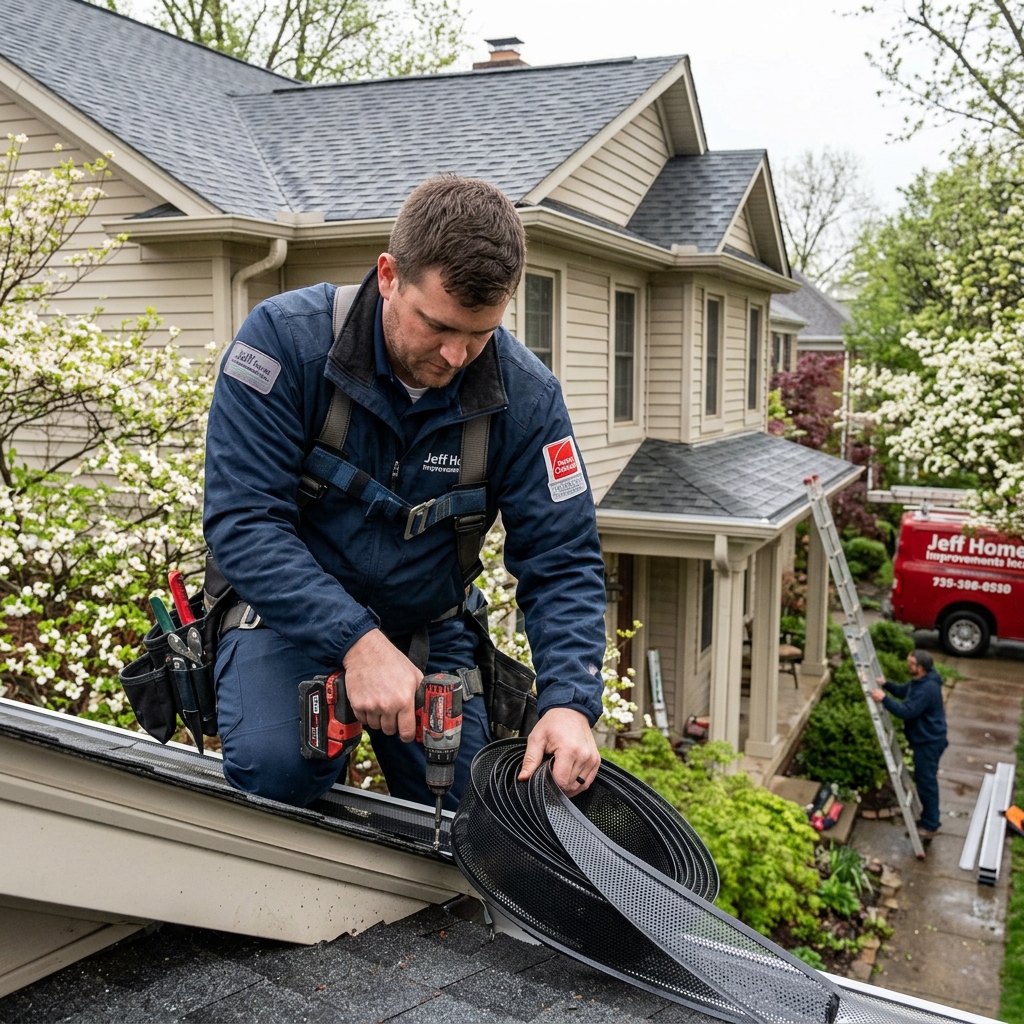
We recommend and install the Owens Corning gutter guard system as part of our comprehensive protection offering. As an Owens Corning Platinum Preferred Contractor, we have extensive experience with their solution and have validated its performance across hundreds of Louisville installations.

The Owens Corning system uses a unique tension-curved design that works with gravity and water physics rather than fighting them. Water flowing down your roof hits the curved surface and is directed into the gutter below. Debris, lacking the momentum of flowing water, rolls off the system or gets carried away by wind. This simple physics-based approach proves more reliable over time than complex filter systems that require water to flow against gravity or through tight restrictions.

The material construction uses heavy-duty aluminum components resistant to rust and corrosion. The system doesn’t require constant maintenance to function, and it won’t degrade from Kentucky’s temperature extremes. Installation uses our proprietary fastening method that accounts for seasonal expansion and contraction, ensuring the system stays secure year after year.

Capacity is excellent. We’ve tested the system during 4-inch rain events and confirmed it maintains full gutter drainage without overflow. During ice storm conditions, the curved design prevents water from pooling against the guard, reducing ice dam formation. The product’s smooth surface doesn’t provide the grip that ice typically needs to accumulate heavily, which further improves winter performance.

The system is virtually invisible from ground level. Unlike bulky box guards that visually dominate a roofline, the Owens Corning design integrates with your gutter system seamlessly. For homeowners concerned about curb appeal, this matters considerably.

Your next step: Request our virtual consultation to see how this system would look on your specific home with your existing gutters.

How Our Solution Outperforms Common Alternatives

The gutter guard market includes several competing approaches, each with distinct weaknesses that our recommended system avoids.

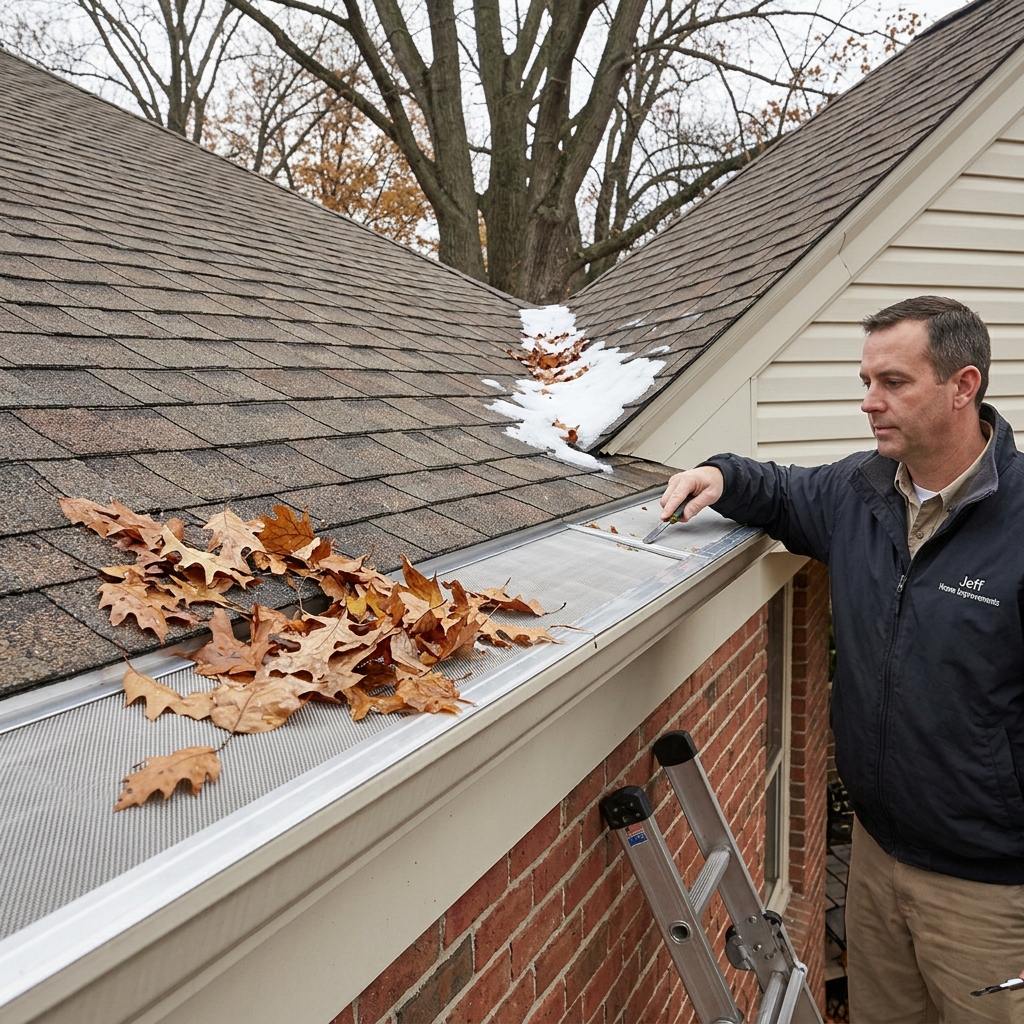
Mesh or screen systems sound appealing in theory but fail in practice across Kentucky winters. Snow and ice accumulate on top of the mesh surface, creating the very blockage these systems are supposed to prevent. Debris also accumulates on screens, and cleaning requires professional service or risky ladder work. You’ve essentially traded gutter cleaning for screen cleaning, which isn’t a genuine improvement.

Solid foam inserts that fit inside gutters block water flow at precisely the moment when your gutters need maximum drainage capacity. During Louisville’s heavy spring rains, water simply bypasses these systems and overshoots your gutters. They also deteriorate in sunlight and often compress under the weight of standing water, creating permanent depressions that trap debris.

Gutter helmet systems with solid covers work reasonably well initially but create significant installation complexity. The sealed edges where they attach to fascia boards create opportunities for water penetration behind the system. We’ve repaired numerous homes where gutter helmets actually contributed to fascia and soffit rot because water was being directed behind the guards rather than into gutters. Initial installation costs also run substantially higher.

Basic leaf screens are inexpensive but provide minimal protection. Large debris still enters, and the screen surface becomes a collection point for decomposing leaves that trap moisture and accelerate corrosion of your gutters underneath. They represent false economy.

Our recommended system avoids these pitfalls through its gravity-based design and precision installation. Water flows freely, debris stays out without creating secondary problems, and the system remains effective year after year with virtually no maintenance. That’s not just marketing talk; it’s validated through years of Kentucky installations with measurable track records.

Your next step: Ask any potential installer for references from homeowners in your neighborhood who’ve used their system for at least three years.

Installation Excellence: Why Professional Setup Matters

Installation determines whether a gutter guard system succeeds or fails. Even excellent products perform poorly if they’re not installed with attention to your home’s specific conditions.

Our installation process begins with a complete gutter assessment. We check for existing damage, improper slope, or previous installations that need removal. We inspect downspout capacity and verify that water flow paths are clear. Many homeowners have gutters that are already compromised before guard installation, and we address these issues first. A guard system installed on damaged gutters is like putting a quality filter on a leaking pipe.

We verify proper slope. Gutters should descend slightly toward downspouts, typically one inch of drop per 40 feet of run. Improper slope means water won’t flow efficiently into guards no matter how well they’re designed. We adjust slope during installation to maximize water movement.

Fastening methodology is crucial. Our installation uses stainless steel hardware spaced appropriately to handle seasonal expansion and contraction without creating stress points. We avoid over-fastening, which can crack aluminum components, while ensuring every section is secure against wind forces. Kentucky’s thunderstorms can produce gusts exceeding 40 miles per hour, so fastening strength directly impacts system longevity.

We integrate guards seamlessly with existing downspout systems. Improper downspout connections cause water to escape the protected drainage path, negating your guard investment. We ensure water flows continuously from roof surface to downspouts with no loss along the way.

Professional installation also includes debris cleanup, flashing adjustments, and verification that the system functions properly before project completion. DIY installations or handyman-level work frequently skip these steps, resulting in systems that look installed but don’t actually perform as intended.

Your next step: Get a detailed estimate that specifies fastening methods, slope verification, and post-installation inspection procedures.

Maintenance Benefits: Reducing Your Home Care Burden

One of the most underrated benefits of quality gutter guards is the dramatic reduction in maintenance requirements. We hear from homeowners constantly about how guards have transformed their fall routines.

Before guards, many homeowners climb ladders multiple times yearly to clean accumulated leaves and debris. This is physically risky work. Falls from ladders remain a leading cause of serious home injuries. Beyond the safety issue, gutter cleaning is genuinely unpleasant. Debris inside gutters is wet, decomposing organic material that smells awful and attracts insects. You’re dealing with manual removal of dozens of pounds of material, often while balanced on an unstable ladder.

With our gutter guard system, this chore effectively disappears. You might do a quick visual inspection once or twice yearly, but actual cleaning becomes unnecessary. Large debris rolls off the surface rather than accumulating inside. Water drains freely, so moisture doesn’t sit and decompose. Homeowners report that this single benefit alone makes the installation worthwhile.

The reduced maintenance also means fewer contractor visits for gutter cleaning. If you’ve been paying $150 to $300 annually for professional gutter cleaning, that cost vanishes. Over a decade, you’re recovering the initial guard investment through eliminated cleaning expenses.

Secondary maintenance improvements emerge as well. With clean, flowing gutters, your downspouts stay clear and functional. Properly flowing downspouts direct water away from your foundation rather than pooling near basement walls. This prevents water infiltration issues that create expensive foundation problems. It’s a cascading benefit: clean gutters mean clean downspouts mean proper water drainage around your entire home.

Your next step: Calculate your current annual gutter maintenance costs, including both professional cleaning and your own time and effort. That’s a baseline for measuring guard system value.

Durability and Weather Resistance for Kentucky Winters

Kentuckiana weather is variable and extreme by regional standards. Our gutter guards must withstand temperature swings from below zero in January to near 100 in July, intense rain events, occasional ice storms, and sustained wind conditions. Material selection and design directly impact how long your system remains effective.

The Owens Corning system uses aluminum that’s specifically engineered for corrosion resistance in humid climates like ours. Kentucky’s high humidity during spring and fall would degrade lesser materials, but the alloy and finish used in this system resist both rust and oxidation. We’ve inspected installations from our early years in business, and they perform as well today as they did on installation day.

Freeze-thaw cycles are particularly damaging to guard systems with poor material tolerance. Water enters microcracks in materials, freezes, expands, and causes structural failure. Our recommended system’s construction prevents this through seamless joints and proper material composition. Expansion and contraction from temperature changes don’t stress the system because the engineering accounts for these movements.

UV degradation is another concern. Plastic-based systems, including mesh screens and foam inserts, weaken under prolonged sun exposure. Materials become brittle and lose structural integrity. Aluminum with proper finish resists UV damage indefinitely. Homeowners who installed plastic systems 8-10 years ago are discovering that replacement is necessary. Aluminum-based systems from that era continue functioning perfectly.

Wind resistance matters significantly in a region that experiences both thunderstorms and occasional straight-line wind events. Properly installed aluminum systems can withstand sustained winds exceeding 60 miles per hour without loosening, shifting, or allowing debris to enter. Lightweight plastic systems or poorly secured installations frequently fail under these conditions, requiring reinstallation or replacement.

The most important durability factor is professional installation that anticipates Kentucky weather patterns. Our installers understand how freeze-thaw cycles work in this region and install accordingly. That knowledge compounds the durability of excellent products.

Your next step: Ask installers specifically about their system’s performance in freeze-thaw cycles and whether they account for seasonal expansion during installation.

Our Warranty and Service Commitment to You

We stand behind the gutter guard systems we install through comprehensive warranties that protect your investment.

Our product warranty covers defects in materials and workmanship for 10 years. This is longer than most competitors offer because we’re confident in the quality we install. If components fail due to manufacturing defects, we replace them at no cost. This warranty is backed by our company directly; you’re not dealing with third-party warranty companies that make claims difficult.

Our installation warranty covers the quality of our work for 5 years. If fasteners loosen, if the system shifts, or if our installation procedures prove inadequate, we return and correct the work at no charge. This addresses the primary way guard systems fail: through poor installation rather than product defects.

We also provide free annual inspections during the first three years following installation. Our technicians visit your property, verify that the system is functioning optimally, check for any seasonal issues, and ensure water is flowing properly. We catch minor issues before they become problems, and we make any necessary adjustments.

Beyond warranties, we’re here for service. If you experience storm damage, if debris somehow accumulates despite your guards, or if you want a professional assessment of your system’s performance, call us. We respond to service requests within 48 hours. Many guard installations are followed by years of silence; we maintain an active relationship with customers to ensure their systems continue performing.

Our commitment extends to transparency. If we identify an issue that our warranty doesn’t cover, we tell you directly what needs attention and what it costs. We don’t hide behind warranty language or force customers into disputes.

Your next step: Compare warranty offerings from different contractors. Length and coverage terms reveal confidence in product quality and installation standards.

Why Jeff Home Improvements is Your Best Choice

We’ve served the Louisville area since 1989, which means we’ve installed gutter systems through three decades of Kentuckiana weather cycles. That experience translates directly to better outcomes for your home.

As an Owens Corning Platinum Preferred Contractor, we’ve met rigorous standards for product knowledge, installation quality, and customer service. This certification isn’t awarded casually; it requires demonstrable expertise and consistent performance. We renew this certification annually, and each renewal requires continued adherence to Owens Corning’s quality standards.

Our team includes technicians with 15+ years of gutter and exterior installation experience. They understand Louisville’s climate challenges intimately. They know how local tree species shed, how our freeze-thaw cycles behave, and what installation adjustments matter in our specific region. This isn’t generic expertise; it’s knowledge earned through decades of work in Kentuckiana.

We handle the complete exterior picture. If gutter installation reveals roof damage, fascia problems, or soffit issues, we can address these comprehensively. Rather than directing you to multiple contractors, we coordinate complete solutions. This matters because poor roof conditions or damaged fascia can undermine gutter system effectiveness.

Our estimates are transparent and instant. We offer virtual consultations where we assess your needs using video technology, and we provide detailed cost estimates immediately. No hidden fees, no surprise charges when we arrive on site. We’ve built this reputation because transparency builds trust, and trust matters when inviting contractors to work on your home.

Customer references are available for recent installations in your neighborhood. We’re confident enough in our work to let you contact homeowners directly and discuss their experience. References from satisfied customers are more valuable than any marketing claim.

Your next step: Visit https://jeffroof.com to request your virtual consultation and instant estimate today.

Get Your Instant Estimate Today

The process is simple and requires minimal time commitment from you. Schedule a virtual consultation where our team connects with you via video. You’ll show us your roof and gutter system, discuss your concerns, and ask any questions. There’s no obligation or pressure.

Following the consultation, we’ll provide a detailed estimate that outlines exactly what we’re installing, how much it costs, what your warranty covers, and when we can schedule installation. The estimate is binding; you won’t face unexpected charges. If you have questions about anything in the estimate, we clarify before you commit.

Most Louisville-area installations are completed within two to three weeks of approval. We work around your schedule and complete the project thoroughly. You’ll have functioning gutter guards protecting your home before major weather events arrive.

Payment options are flexible. We work with homeowners to structure payments that fit their budgets. We also coordinate directly with insurance companies if you’re installing guards following storm damage.

Your next step: Call us or visit our website to schedule your virtual consultation. The process takes 15 minutes, and you’ll have clear answers about protecting your Louisville home.

Protect Your Louisville Home Now

Gutter guards aren’t a luxury upgrade; they’re essential protection for homes in our climate. The combination of heavy seasonal rainfall, ice dam risk, and abundant tree coverage makes quality guard systems a necessity for responsible homeowners.

The question isn’t whether you should install gutter guards. The question is whether you’ll invest in a quality system installed professionally by experienced contractors, or whether you’ll compromise with cheaper alternatives that fail prematurely and cost more over time.

We’ve documented the performance of gutter systems across hundreds of Louisville installations. Our recommended system, installed with our expertise and backed by our warranty, represents the definitive choice for homeowners who want lasting protection without ongoing maintenance burden.

Your home’s structure depends on proper water management. Gutters are foundational to that management. Gutter guards make those gutters work optimally. The math is straightforward: quality guards plus professional installation equals decades of reliable protection and peace of mind.

Reach out to us today for your instant estimate. Let’s protect your Louisville home with gutter guards engineered for Kentuckiana weather.

Contact us today for a free in home, no obligation quote on your roof
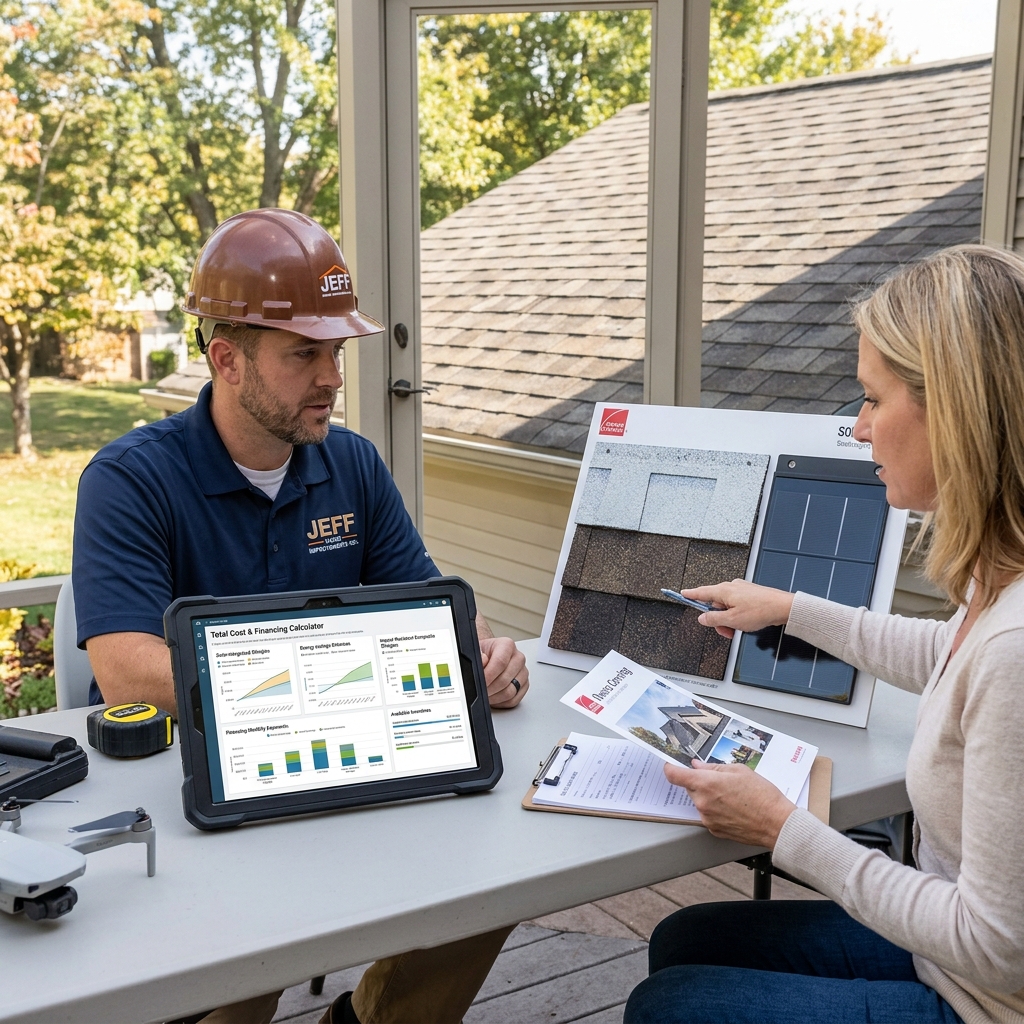
Why Hiring a Licensed and Insured Roofing Contractor in Louisville Protects Your Investment

The Real Risks of Hiring Unlicensed Roofers in Kentucky

Your roof is one of your home’s most valuable assets. It shields everything beneath it from weather, keeps your family safe, and represents thousands of dollars of your hard-earned money. So when it’s time for repair or replacement, the contractor you choose makes an enormous difference. In Louisville and Kentuckiana, the difference between hiring a licensed, insured professional and cutting corners with an unlicensed operator can mean the difference between a job done right and a financial disaster.

We’ve been helping homeowners and commercial property managers with roofing and exterior services since 1989. Over 35 years, we’ve learned exactly what separates quality contractors from those who shouldn’t be climbing on your roof at all. Here’s what you need to know to protect your investment.

Unlicensed roofers operate in a legal gray zone that puts you at significant risk. Kentucky requires roofing contractors to be licensed for good reason. When someone operates without a license, they’ve bypassed inspections, background checks, and financial accountability measures designed to protect consumers.

Here’s what can happen when you hire an unlicensed operator:

  • Poor workmanship goes uncorrected. Without licensing requirements, there’s no standard they must meet. Shortcuts in flashing installation, inadequate ventilation, or improper nail placement can cause leaks within months instead of years.
  • You have no legal recourse. If something goes wrong, you can file a complaint with the state licensing board only against a licensed contractor. An unlicensed roofer leaves you with limited recovery options.
  • Building permits are often skipped. Legitimate roofing work requires permits in Louisville. Unlicensed contractors frequently skip this step to save time and money, which can void your roof warranty and create problems when you sell your home.
  • Your homeowner’s insurance may not cover damage. Many policies exclude coverage if work was done by unlicensed contractors. A small leak becomes a full replacement cost you cover yourself.

We’ve seen homeowners in the Louisville area spend $15,000 on a roof replacement only to discover a year later that the work was substandard and the contractor had vanished. By then, water damage has already started affecting your attic and insulation.

What to do next: Before accepting a quote, verify your contractor’s license with the Kentucky Cabinet for Health and Family Services or check their credentials directly. Request their license number and confirm it’s current and active.

How Licensing and Insurance Protect You as a Homeowner

Licensing isn’t just a credential hanging on a wall. It’s proof that a contractor has met specific education requirements, passed examinations, maintains bonding, and submits to regulatory oversight. When something goes wrong, the licensing board has authority to investigate complaints and hold the contractor accountable.

Insurance works alongside licensing to provide financial protection. A properly insured roofing contractor carries two main types of coverage:

General liability insurance covers property damage or injuries that occur during the job. If a roofer accidentally damages your gutter system or a tool falls and hurts someone passing by, liability coverage pays for it rather than you being sued personally.

Workers’ compensation insurance protects you from liability if a roofer is injured on your property. Without workers’ comp, you could be held responsible for medical bills and lost wages. This alone makes hiring insured contractors non-negotiable.

When we take on a roofing project, we carry both. You should always request proof of current insurance before a contractor steps foot on your roof. A legitimate contractor will provide this without hesitation.

The relationship between licensing and insurance is straightforward: licensed contractors are accountable to the state, and insured contractors are accountable to their insurance carrier. Together, they create a safety net for you. If a leak appears two years after your roof replacement, a licensed contractor has recourse through warranty claims and professional standards. An unlicensed operator does not.

What to do next: Ask your contractor to send you a certificate of insurance before work begins. Call their insurance company to verify coverage is active. This takes five minutes and is worth every second.

Our Commitment to Certification and Professional Standards

We didn’t simply get a license and call it done. We’ve maintained our standing as an Owens Corning Platinum Preferred Contractor, which is a distinction we earn by consistently meeting and exceeding manufacturer standards for materials, installation quality, and customer service.

What this means for you: we’re trained directly by Owens Corning, we use their premium materials, and we install them according to specifications that often exceed Kentucky building codes. Our team undergoes ongoing education so we stay current with new roofing technology, safety practices, and industry changes.

We also maintain our commercial and residential roofing certifications, which require continuing education and regular audits of our work. This isn’t something we do once and forget about. Every year, we renew credentials, update our crews’ training, and ensure we’re meeting professional standards.

Certification matters because it’s the difference between following a manufacturer’s instructions and truly understanding why each step matters. A certified installer knows that the spacing of nails, the type of underlayment used, and the ventilation strategy directly affect how long your roof will last. They’re not just hammering shingles; they’re protecting your home according to proven engineering principles.

What to do next: Before hiring any contractor, ask about their certifications. Find out which manufacturers they’re certified with and how long they’ve maintained that status. In our case, that Owens Corning Platinum Preferred Contractor designation tells you we’ve met rigorous standards and committed to maintaining them.

What Happens When Something Goes Wrong With Your Roof

Even with quality installation, roofs sometimes develop problems. Whether it’s a manufacturing defect, unexpected weather damage, or the normal wear that comes with age, knowing what happens next depends heavily on who did the original work.

If we installed your roof, here’s the process:

We’ll come back and assess the issue at no cost. Our warranty covers manufacturer defects and installation errors for a specified period, depending on the materials used. If the problem falls under warranty, we fix it without charging you.

We document the issue with photos and detailed notes. This protects you because you have a professional record of what happened and how we addressed it.

If the problem is outside warranty but we caused it, we work with you on a fair resolution rather than dismissing the issue.

With an unlicensed contractor, this process breaks down entirely. They may not answer their phone. They might claim it’s not their responsibility. They may have gone out of business. You’re left paying another contractor to assess the damage and fix it.

The stakes are highest with storm damage. When severe weather hits Louisville, we get multiple calls from homeowners who hired cut-rate roofers on their previous roof. Now a tree has fallen, there’s water damage, and they need their roof repaired again. If the original work was poor, subsequent damage is often worse because the roof’s integrity was compromised to begin with.

What to do next: Keep documentation of your roof installation including receipts, warranty information, and photos. Store the name and contact information of your roofing contractor somewhere accessible. If you suspect a problem with your roof, call your original contractor first, not a new one looking for business.

Why We Maintain Our Owens Corning Platinum Preferred Contractor Status

The Owens Corning Platinum Preferred Contractor program isn’t easy to maintain. We have to meet strict criteria:

  • Install only Owens Corning premium products
  • Maintain a minimum customer satisfaction rating (we consistently exceed this)
  • Complete ongoing training for all installation crew members
  • Undergo regular quality audits of completed jobs
  • Carry appropriate licensing and insurance (which we do)

We maintain this status because it keeps us honest. Owens Corning has a reputation to protect, and they only associate their premium brand with contractors who deliver results. When you hire us, you’re getting a contractor that Owens Corning has vetted and approved.

This also means access to better pricing on materials and extended warranty options we pass along to you. A Platinum Preferred Contractor can often offer superior warranties because we’ve proven our installation quality. That’s a direct benefit to homeowners.

The renewal process is annual, which means we can’t rest on past accomplishments. Every year, we demonstrate that we’re still meeting standards. This continuous accountability is exactly what you want in a contractor.

What to do next: Look for the Owens Corning Platinum Preferred Contractor badge when shopping for roofing contractors in Louisville. If your contractor has it, you can verify it on the Owens Corning website. It’s a quick way to confirm they’re not exaggerating their credentials.

The Hidden Costs of Cutting Corners With Uninsured Contractors

The lowest bid often comes from an uninsured contractor, and there’s always a reason for that price advantage. They’re cutting corners somewhere, and those corners eventually come back to cost you money.

Consider this real-world scenario: A homeowner in Louisville gets a bid of $8,000 from an uninsured roofing contractor and $12,000 from us. They choose the $8,000 option to save money. Eight months later, water starts leaking into the attic. The cheap roof’s flashing was installed incorrectly. Removing and reinstalling that section properly costs $3,000. The water damage to the attic space and insulation requires another $2,500 in remediation. The roofing contractor is unreachable.

Total cost: $8,000 original + $5,500 in repairs = $13,500. They’ve now spent more than our quote and have a headache instead of peace of mind.

Uninsured contractors also cut costs by:

  • Using lower-quality materials that don’t last as long
  • Rushing installation to complete more jobs per week
  • Skipping safety equipment and practices
  • Avoiding permits and inspections
  • Not properly training their crews

If a worker is injured on your property and the contractor isn’t insured, your homeowner’s insurance may deny coverage, and you could face a personal lawsuit. That liability exposure can be far more expensive than any roofing project.

What to do next: When you get a bid that’s significantly lower than others, ask why. Request a detailed breakdown of materials and labor. Then check whether they’re insured. If they can’t or won’t provide insurance proof, move on.

How We Streamline Your Project From Consultation to Completion

We’ve refined our process over three and a half decades to make roofing projects as smooth as possible for you.

Virtual consultation and instant estimates: You don’t have to take time off work or coordinate schedules. We offer virtual consultations where we discuss your roof’s condition, your goals, and your timeline. Based on that conversation and photos you send or we assess, we provide an instant estimate. This gives you a clear price before we ever schedule a crew.

Detailed project planning: Once you approve the estimate, we schedule your work, confirm materials availability, and provide a specific start date. You know exactly when to expect our team.

Professional installation: Our licensed crew arrives with the right equipment, materials, and expertise. We protect your property during the work, managing debris and minimizing disruption to your neighborhood.

Quality inspection: Before we consider the job complete, we inspect the entire roof ourselves. We check nail placement, flashing installation, ventilation, and overall workmanship against Owens Corning standards and Kentucky building codes.

Documentation and warranty: You receive complete documentation of the work, including photos, warranty details, and maintenance tips. We explain your warranty coverage and what to watch for in the coming months.

This structured approach reduces surprises and keeps you informed throughout. We’re not trying to maximize jobs per day at the expense of quality. We’re trying to give you a roof that lasts decades.

What to do next: When you contact a roofing contractor, ask about their process. Do they offer virtual consultations? Can they provide an estimate quickly? Will they explain the warranty? These process details reveal a lot about how they operate.

The Difference Professional Storm Damage Assessment Makes

Kentucky weather can be brutal. Heavy rain, hail, wind, and falling trees create urgent roofing needs, and that’s when getting a professional assessment becomes critical.

An amateur assessment might look at your roof from the ground or a cursory inspection from above and declare it fine when damage isn’t visible. A professional assessment means climbing on the roof with proper safety equipment, examining every section, checking for impact damage to shingles, inspecting flashing where water intrusion is most likely, and assessing structural integrity.

We’ve responded to storm damage across the Louisville area. Sometimes homeowners don’t realize their roof was affected because the damage isn’t obvious. Missing shingles on the far side of the roof, small cracks in flashing, or compressed areas on shingles from hail are easy to miss. But left unaddressed, these small issues turn into big leaks.

A professional storm assessment also matters for insurance claims. Your insurer needs detailed documentation of damage to approve coverage. We provide photos, measurements, and a professional assessment that supports your claim. This documentation often recovers thousands of dollars in coverage.

We assess storm damage at no cost. Our goal is to identify issues before water gets inside and creates secondary damage that’s far more expensive to fix.

What to do next: After severe weather, don’t wait to inspect your roof. Call a licensed contractor for a professional assessment. Even if you don’t see obvious damage, a professional eye catches what you might miss.

Why Louisville Homeowners Trust Our 35+ Years of Experience

We’ve been in business since 1989 because we do what we say we’ll do. In 35 years, we’ve replaced thousands of roofs across Louisville and Kentuckiana. We’ve helped homeowners recover from storms, navigate insurance claims, and make informed decisions about their homes’ exteriors.

Experience matters because we’ve seen every type of roof issue, weather pattern, and renovation challenge the region presents. We know how Louisville’s humidity affects roofing materials. We understand the specific wind patterns that affect certain parts of town. We know which contractors have disappeared and which ones are still here.

Longevity also means we’re invested in the community. We’re not a fly-by-night operation. We’re a family-owned business that plans to be here in 2046 as well. That means we stand behind our work because our reputation is everything.

When you hire us, you’re hiring institutional knowledge. You’re hiring a company that will be here if you have a question five years after your roof is installed. You’re hiring people who take pride in their work because they see the same customers at the grocery store and church.

We’ve also adapted to changes in the industry. We now offer virtual consultations that didn’t exist when we started. We use the latest materials that perform better than what was available decades ago. We’ve invested in training because roofing continues to evolve.

What to do next: Ask a prospective contractor how long they’ve been in business. Check online reviews and ask for references. A contractor with decades of history and community ties is more likely to stand behind their work.

Getting Your Free Virtual Consultation and Instant Estimate Today

Protecting your investment in your home starts with hiring the right contractor. The licensed insured roofing contractor you choose will influence how long your roof lasts, how well it protects your home, and how you’re treated if something goes wrong.

We’re ready to help. We offer free virtual consultations where we discuss your roofing needs, answer your questions, and provide an instant estimate. There’s no obligation, no pressure, and no reason to wait if you’re concerned about your roof’s condition.

Here’s what to expect when you reach out:

  • A quick conversation about your roof and your goals
  • A transparent estimate with no surprises
  • Professional recommendations based on your home’s specific needs
  • Information about warranties and our Owens Corning Platinum Preferred status

Contact us today to schedule your free virtual consultation. We’ll help you understand your options and move forward with confidence, knowing you’ve hired a licensed, insured, certified contractor who’s been protecting Louisville homes for over three decades.

Contact us today for a free in home, no obligation quote on your roof
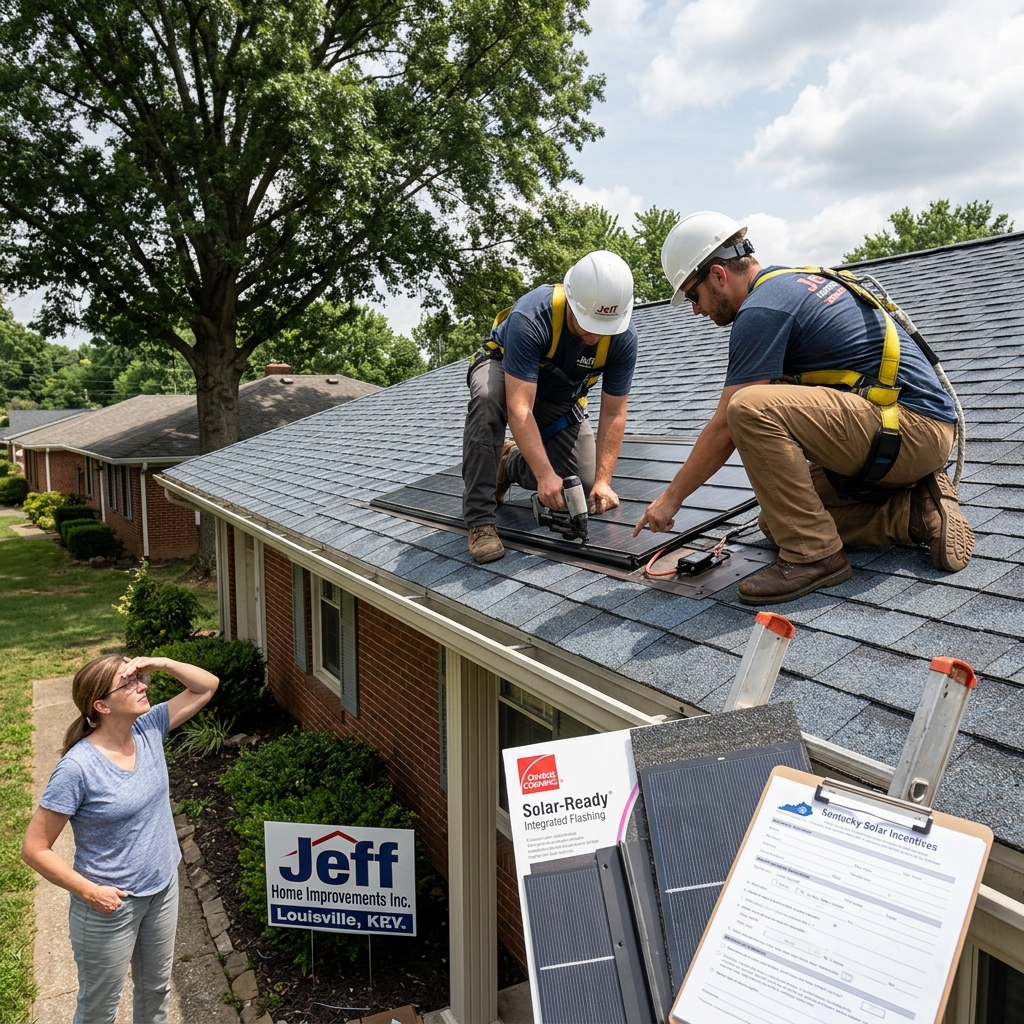
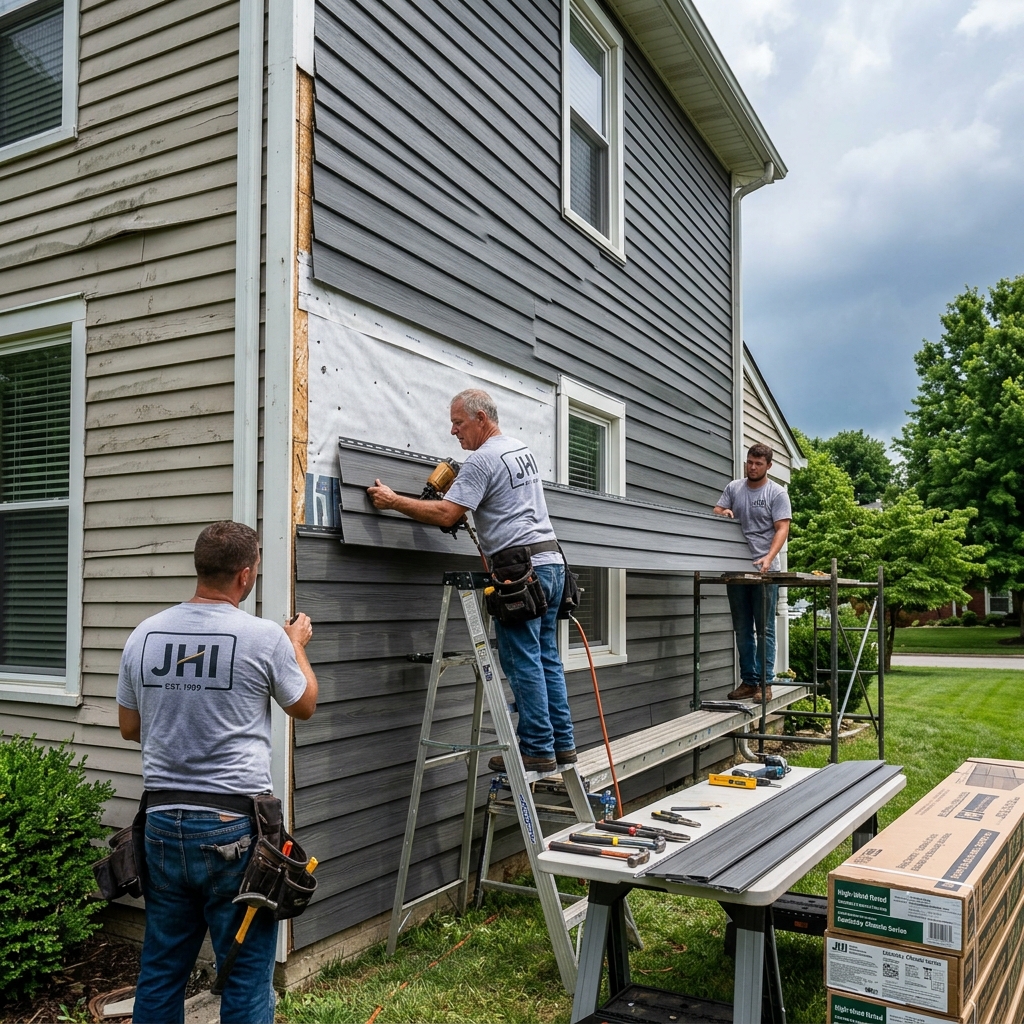
Durable Siding Materials That Withstand Kentucky Humidity and Storms

Why Kentucky’s Climate Demands Superior Siding Materials

Kentuckiana homeowners face a uniquely demanding climate. Our region experiences high humidity year-round, temperature swings that can exceed 40 degrees between seasons, and severe weather systems that bring heavy wind and hail. Your home’s siding bears the brunt of these conditions, which is why choosing materials engineered for this specific environment matters far more than aesthetics alone.

The challenge isn’t just summer heat or winter cold in isolation. It’s the constant cycling between humid summers and dry winters that creates stress on exterior materials. When moisture penetrates weak siding, it can damage the sheathing and framing underneath before you even notice a problem. Similarly, our spring and fall severe weather patterns mean hail and high winds are part of the annual forecast.

We’ve worked with thousands of Louisville-area homes over our decades in business, and the pattern is clear: properties with inferior siding materials fail prematurely, often within 10-15 years. Quality materials rated for our climate can perform reliably for 25-30 years or longer. The difference comes down to material selection and proper installation from the start.

Your siding is your home’s first line of defense. Investing in durable materials now prevents much costlier repairs later.

The Hidden Costs of Choosing the Wrong Siding

Many homeowners focus only on the upfront price tag when selecting siding. That’s a costly mistake. Budget-grade materials might seem to save money initially, but they create a cascade of expenses down the road.

When siding fails prematurely, you don’t just replace the siding itself. Water intrusion can damage:

  • Sheathing and underlayment (often $2,000-$5,000 to replace)
  • Framing studs and structural components ($5,000-$15,000+)
  • Interior insulation and drywall ($3,000-$8,000)
  • Paint and finishing work ($2,000-$4,000)

A home with compromised siding can also see energy efficiency decline sharply. Gaps and cracks force your HVAC system to work harder, increasing utility costs by 15-25% depending on outdoor temperatures. Over five years, this adds up to thousands in wasted heating and cooling.

Property value takes a hit too. Potential buyers immediately spot deteriorating exterior materials and factor in replacement costs when making offers. We’ve seen homes lose $15,000-$30,000 in market value due to poor siding condition, which far exceeds the cost of upgrading to quality materials upfront.

Beyond finances, there’s peace of mind. Cheap siding creates stress during storm season and leaves you vulnerable to expensive emergency repairs.

How Humidity and Severe Weather Damage Weak Siding

Kentucky’s humidity levels often exceed 70% for months at a time. Wood-based siding and low-quality vinyl absorb moisture, leading to swelling, warping, and cracking. Once moisture penetrates the surface, it becomes trapped behind the siding where it promotes mold growth, wood rot, and structural deterioration that’s difficult and expensive to address.

Severe weather compounds the problem. Hail storms in Kentucky regularly produce stones 1-2 inches in diameter, and winds during spring thunderstorms frequently exceed 50 mph. Inferior siding materials crack, dent, or puncture under this impact. Even small breaches create pathways for water to enter, turning a cosmetic issue into a structural one within weeks.

The degradation process happens gradually at first, then accelerates. You might notice:

  • Small cracks or punctures that seem cosmetic
  • Discoloration or soft spots indicating moisture retention
  • Gaps opening at seams or corners
  • Visible warping or buckling panels

By the time these signs appear, damage to the substrate has usually already begun. This is why prevention through superior materials and installation is infinitely cheaper than repair.

Temperature cycling makes this worse. When materials expand and contract with seasonal temperature changes, weak siding fatigues at the seams. Poor installation that doesn’t account for this natural movement accelerates failure.

After decades serving the Louisville area, we recommend vinyl siding as the best all-around solution for Kentucky homes. Modern vinyl is engineered specifically for high-humidity, temperature-cycling environments and resists both moisture intrusion and impact damage far better than traditional materials.

Quality vinyl siding offers several distinct advantages:

  • Impact resistance rated for severe weather and hail
  • Moisture protection through multi-layer construction
  • Minimal maintenance (occasional cleaning, no painting required)
  • Thermal stability to handle Kentucky’s temperature swings
  • Long-term color retention without fading
  • Energy efficiency that reduces heating and cooling costs

We work exclusively with top-tier vinyl products designed for durability. The vinyl we install resists puncture and denting far better than budget alternatives, and our products come with warranties that reflect their quality construction. Crucially, this vinyl won’t warp or bubble under Kentucky’s high humidity and temperature extremes.

Aesthetic options have evolved dramatically. Modern vinyl siding replicates the look of wood grain, textured surfaces, and various color profiles. You’re not settling for appearance when you choose vinyl; you’re gaining durability without sacrificing how your home looks.

The investment typically ranges from $8,000-$18,000 for a full home exterior, depending on square footage and specific product selection. While that’s not trivial, it’s far less than the cost of repairing water damage or dealing with premature replacement due to poor materials.

Key Features That Make Our Siding Installation Superior

Choosing quality materials is only half the equation. Installation quality determines how well those materials perform over decades.

We approach every siding project with attention to details most contractors miss:

Proper underlayment and moisture management. We install high-quality weather barriers that channel water away from your home’s structure, even if the siding itself develops minor issues. This secondary defense prevents the moisture intrusion that causes most siding failures.

Thermal expansion accommodation. Vinyl expands and contracts with temperature changes. Improper installation that fastens panels too tightly restricts this natural movement, causing buckling and failure. We use correct fastening techniques that allow panels to move freely.

Sealed seams and transitions. Areas where different materials meet or where siding meets trim, windows, and doors are vulnerable to water intrusion. We seal these transitions properly, using compatible materials that won’t degrade under Kentucky’s climate.

Correct fastener spacing and type. Over-fastening or using incorrect fasteners can cause buckling and reduced lifespan. We follow manufacturer specifications precisely, adjusting for Kentucky’s specific climate demands.

Flashing and water management. We integrate proper flashing at the roof line, around windows, and at foundation transitions. This prevents water from finding pathways into your home’s structure.

Our installation teams have worked on thousands of Kentuckiana homes. We’ve learned what works and what fails under our specific climate conditions, and we apply that knowledge to every project.

Storm-Resistant Siding Protects Your Investment Long-Term

Kentucky’s severe weather season demands siding that can withstand significant impact. The vinyl products we install are specifically tested for impact resistance and rated for hail up to 2 inches in diameter. This matters directly when spring storms arrive.

Beyond impact resistance, storm-ready siding includes proper fastening and sealing that keeps wind from working its way behind panels. When wind pressure increases during severe weather, your siding needs to stay locked in place. Poor installation allows siding to separate or lift away from the structure, which is when water intrusion becomes likely.

We also recommend proper gutter systems as part of comprehensive storm protection. Quality gutters and gutter guards channel water away from your siding and foundation, reducing the stress on your exterior materials during heavy rainfall. Storm damage restoration services are important, but preventing damage through superior materials and installation is always the better path.

Homeowners who invest in our siding installation sleep better during severe weather. There’s genuine peace of mind knowing your home’s exterior is built to withstand what Kentucky weather throws at it.

The Installation Process: Why Expert Craftsmanship Matters

When we begin a siding project, we start with a thorough inspection of your home’s existing structure. We assess the condition of sheathing, framing, and any previous damage that needs addressing before new siding goes up. This upfront inspection prevents problems from being hidden under new materials.

Our installation process follows a deliberate sequence:

  1. Remove existing siding and inspect the substrate for damage
  2. Repair or replace compromised sheathing or framing
  3. Install proper moisture barriers and underlayment
  4. Install new siding with correct fastening and spacing
  5. Seal all transitions, seams, and openings
  6. Install trim, flashing, and final details
  7. Final inspection and cleanup

This methodical approach takes longer than quick installations, but it ensures your siding performs as designed. Rushing the process introduces mistakes that compound over years.

We also use virtual consultation and instant estimates to help you understand the scope of work before we begin. You can see exactly what we’re addressing and why, which builds confidence in the process and the investment.

Why Jeff Home Improvements Is Your Trusted Siding Partner

We’ve served Kentuckiana homeowners since 1989, which means we’ve seen how our regional climate affects exterior materials over decades. This isn’t theoretical knowledge; it’s based on thousands of completed projects and long-term customer relationships.

We’re an Owens Corning Platinum Preferred Contractor, which means we meet rigorous standards for product knowledge, installation quality, and customer service. That certification matters because it’s not easy to earn or maintain. We’re held to higher standards than standard contractors, and that commitment shows in our work.

Our team combines deep technical expertise with a customer-first approach. We explain what we’re doing and why, answer questions thoroughly, and deliver on our commitments. You’re not dealing with a large corporation where your project is just a number; you’re working with experienced professionals who care about your home’s outcome.

We also handle all aspects of exterior work, from siding to roofing to gutter protection. This means we can coordinate comprehensive upgrades and ensure all your exterior systems work together properly. A new roof that channels water directly onto failing siding doesn’t make sense; neither does premium siding if your roof can’t manage water flow.

Real Results: How Our Customers’ Homes Hold Up

The best validation of our approach is how customer homes perform over years and decades. We regularly hear from homeowners five, ten, even fifteen years after their siding installation. The consistent message is the same: their homes have weathered multiple severe weather seasons without issues, their energy bills remain stable, and their siding looks nearly as good as installation day.

We’ve installed siding on homes that have experienced direct hail storms, intense wind events, and the continuous humidity that characterizes Kentucky summers. These homes show minimal impact from weather while nearby homes with inferior siding materials suffer visible damage after the same events.

Property values speak loudly too. Homeowners consistently report that quality exterior upgrades, including siding, positioned their homes favorably in the market. Buyers recognize well-maintained exteriors and value the durability that comes from professional installation.

Beyond performance, customers appreciate the ongoing relationship. When questions arise or if a customer wants to address related exterior projects, we’re here. We built our business on Kentuckiana relationships, not one-time transactions.

Getting Your Durable Siding Project Started Today

If your home’s siding shows signs of age, damage, or deterioration, the best time to address it is now. Waiting allows small problems to become expensive ones. Storm season arrives reliably, and humidity never takes a break in Kentucky.

Here’s how to move forward:

Schedule a virtual consultation or request an instant estimate. We’ll assess your home’s current condition and discuss options that fit your budget and timeline. There’s no pressure, no obligation, just honest guidance about what your home needs.

Ask questions about materials and installation. We’re happy to explain why we recommend specific products and how our installation approach differs from standard practice. Understanding the “why” behind our recommendations helps you feel confident in your decision.

Plan for professional installation. DIY siding installation or hiring an inexperienced contractor is a false economy. Professional installation by teams who understand Kentucky’s climate ensures your investment performs as promised.

The cost of quality siding is real, but the cost of not addressing it eventually becomes much higher. Reach out to Jeff Home Improvements today, and let’s discuss how we can protect your home with materials and craftsmanship built for Kentucky.

Contact us today for a free in home, no obligation quote on your roof
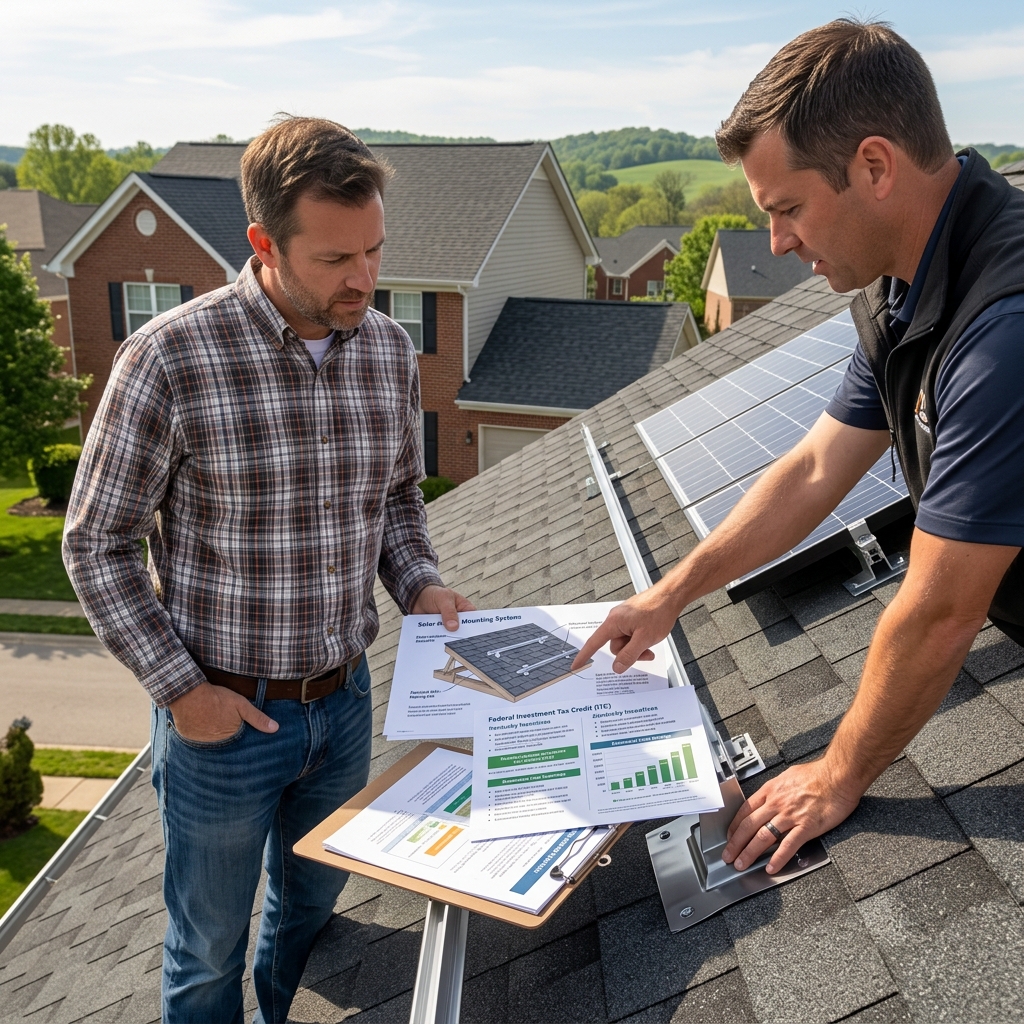
5 Critical Benefits of Hiring an Owens Corning Platinum Preferred Contractor

Why Your Roofing Contractor Choice Matters More Than You Think

Your roof is one of the largest investments you’ll make on your home or commercial property. It protects everything beneath it, from structural integrity to personal belongings, and a poor installation or repair job can cost you tens of thousands in water damage, energy loss, and premature replacement.

Yet many property owners treat roofing contractor selection like picking a plumber: get a few quotes, choose the lowest price, and move forward. The problem is that roofing quality is not visible year one. You won’t know if shortcuts were taken until a storm rolls through, a leak develops, or your warranty doesn’t cover what you expected.

When you hire a Platinum Preferred contractor, you’re not just getting someone to nail shingles down. You’re partnering with a professional who has proven their commitment to standards, training, and accountability. That difference shows up during installation, emerges when a claim needs processing, and compounds over the years as your roof weathers Kentucky’s demanding climate.

The Gap Between Average Contractors and Platinum Preferred Specialists

Not all roofing contractors are equal, and the certifications they carry tell an important story about their commitment to quality.

An average contractor may have a valid license and insurance, which is the baseline. They complete jobs, collect payment, and move forward. A Platinum Preferred contractor, by contrast, meets ongoing requirements set by Owens Corning, one of the largest roofing material manufacturers in North America.

To earn and maintain Platinum Preferred status, we must:

  • Demonstrate years of successful project completion and customer satisfaction
  • Provide documented proof of product knowledge and installation proficiency
  • Commit to using genuine Owens Corning materials exclusively
  • Maintain enhanced liability and workers’ compensation insurance
  • Complete regular training and education on evolving installation standards
  • Submit to third-party audits and quality reviews

This isn’t a badge earned once and forgotten. We renew and reinvest in this certification annually, which means we’re constantly improving our processes, staying current with building codes, and proving our performance to a manufacturer with their reputation on the line.

The gap matters most when something goes wrong. An average contractor may dispute a warranty claim or lack the documentation to support one. We have manufacturer backing because Owens Corning trusts our work. That distinction becomes invaluable during storm damage recovery or if an unexpected issue surfaces years down the road.

Benefit 1: Access to Premium Materials and Extended Warranties

One of the clearest advantages of working with an Owens Corning Platinum Preferred contractor is access to premium materials and warranties that non-certified installers simply cannot offer.

Owens Corning manufactures a tiered lineup of roofing products. Standard shingles may cost less upfront, but premium lines like Duration, Duration Flex, and TruDefinition come with enhanced durability, better color retention, and superior wind resistance. As a Platinum Preferred contractor, we source our materials directly from Owens Corning, ensuring you get genuine products with full manufacturer backing.

The warranty difference is significant. Standard installations often come with a 20-year limited warranty. Owens Corning Platinum Preferred installations qualify for up to 50-year limited warranties on certain premium products, plus an additional 10-year upgrade on labor warranties. That’s protection that travels with your roof through your ownership and even into the next.

Consider a real scenario: A homeowner in Jeffersontown experiences hail damage five years after installation. With a standard contractor, the warranty might cover materials but not labor, and the homeowner could face a $2,000-3,000 deductible or replacement cost. With our Platinum Preferred warranty, coverage is broader and more predictable because Owens Corning stands behind our installation.

We also offer transparency about material options. When you meet with us for a consultation, we discuss which Owens Corning product line matches your budget, your home’s architectural style, and your long-term plans. Some customers choose premium shingles for maximum lifespan. Others select mid-tier options that still outperform industry standards. The choice is yours, but the materials and warranties are always genuine.

Benefit 2: Certified Expertise and Advanced Installation Techniques

Roofing installation is not simply a matter of following a checklist. The details matter enormously: how shingles are sealed, how valleys are flashed, how ventilation is managed, and how water is directed away from seams and penetrations.

Our team undergoes continuous training through Owens Corning’s certification program, which covers not only installation but also the science behind roof performance. We understand how thermal expansion and contraction affect shingle adhesion in Kentucky’s seasonal swings. We know how improper ventilation can trap moisture and shorten roof life. We recognize how ice and water shield placement prevents leaks at high-risk areas.

When we install a roof, we follow Owens Corning’s detailed installation specifications, not a generic approach that might work most of the time. This includes:

  • Proper nailing patterns and fastener placement to maximize wind resistance
  • Correct underlayment and moisture barriers for your specific climate zone
  • Flashing techniques at chimneys, vents, and valleys that exceed minimum code
  • Ventilation calculations tailored to your attic space and insulation setup
  • Slope and drainage considerations unique to your property

The difference becomes apparent when a storm hits. A roof installed to minimum standards might suffer damage that a properly installed roof shrugs off. A roof installed with attention to detail and advanced techniques performs predictably across decades.

Many homeowners don’t realize that installation quality affects your energy bills too. Poor ventilation or incorrect underlayment can trap heat in summer or moisture in winter, forcing your HVAC system to work harder. Our certified approach balances protection with efficiency.

Benefit 3: Comprehensive Storm Damage Coverage and Fast Response

The Louisville and Kentuckiana area experiences its share of severe weather. Hail, wind, and fallen trees can damage roofs within seconds, leaving property owners scrambling for help during peak demand.

As an Owens Corning Platinum Preferred contractor, we maintain a dedicated storm damage response team that mobilizes quickly after significant weather events. We have relationships with major insurance carriers and understand how to document damage, file claims, and navigate the approval process efficiently.

When you call us after a storm, here’s what typically unfolds:

  1. We schedule an inspection within 24-48 hours, not weeks
  2. Our team photographs and documents damage professionally, with images suitable for insurance claims
  3. We prepare a detailed estimate that insurance adjusters recognize and respect
  4. We communicate directly with your insurer to expedite approval
  5. Once approved, we schedule work promptly, often with our own crews rather than subcontractors

This matters because storm damage claims are time-sensitive. Your deductible, your coverage limits, and your approval all depend on fast, professional documentation. Insurance companies trust Platinum Preferred contractors because our documentation is thorough and our estimates are accurate.

We also handle partial damage well. Not every hail storm or wind event requires a full roof replacement. Sometimes we repair specific areas, replace damaged shingles, or reinforce weak points. We’re honest about what your property needs rather than overselling a full replacement you don’t require.

Benefit 4: Long-Term Protection and Predictable Performance

A roof replacement is a decades-long commitment, not a five-year project. When we install your roof, we’re thinking about how it will perform in year three, year ten, and year twenty.

Our approach to long-term protection begins with material selection. Owens Corning’s premium shingles resist fading, cracking, and granule loss over time. They maintain flexibility in cold temperatures, preventing the brittleness that leads to splits. They resist algae growth and staining, keeping your roof’s appearance consistent.

But materials alone don’t ensure longevity. Installation and maintenance matter equally. We complete each job with a post-installation inspection to ensure everything is secure and functioning. We provide maintenance recommendations tailored to your property: when to inspect gutters, how often to clear debris, and what warning signs to watch for.

Predictable performance means you won’t face surprise leaks, unexpected repairs, or premature deterioration. Our customers often tell us they appreciate the peace of mind: they know their roof is solid, and they don’t worry about water intrusion or structural issues.

This predictability extends to your budget. When you choose a Platinum Preferred installation with a 50-year warranty, you can plan realistically. You’re not setting aside emergency funds for roof failure. You’re investing once and enjoying the return for decades.

Benefit 5: Peace of Mind Through Manufacturer Backing

This benefit ties everything together. When Owens Corning certifies us as a Platinum Preferred contractor, they’re placing their brand reputation in our hands. That alignment of interests is powerful.

If a problem emerges, Owens Corning has incentive to resolve it fairly because our work reflects their quality. If a warranty claim arises, their adjuster is predisposed to approve it because they trust our installation. If a material defect occurs, they stand behind both the product and our workmanship.

Many property owners underestimate how valuable this backing becomes during a claim or dispute. Without manufacturer support, you’re in a he-said-she-said situation with a contractor. With Owens Corning behind us, documentation, standards, and established processes take over. Your claim is handled systematically, not subjectively.

We’ve seen homeowners with non-certified contractor installations struggle when issues emerge years later. The original contractor may no longer be in business, may dispute the cause of damage, or may lack the documentation to prove proper installation. We’ve seen warranty claims denied because the original work didn’t meet manufacturer standards.

That doesn’t happen with our Platinum Preferred installations. You have a clear path to resolution because multiple parties are accountable: us, Owens Corning, and the comprehensive warranty documentation we provide at project completion.

How We Deliver Platinum-Level Service in Kentuckiana

Since 1989, we’ve built our reputation on straightforward, quality work. Our family-owned approach means we’re not racing to the next job. We’re invested in our Kentuckiana community because many of our customers live here across decades.

Our Platinum Preferred status reflects how we do business. We don’t pursue it for marketing. We maintain it because it aligns with our values: accountability, transparency, and lasting craftsmanship.

When you contact us, here’s what to expect:

  • A real conversation about your situation, not a high-pressure sales pitch
  • Honest assessment of whether you need full replacement, repair, or maintenance
  • Clear pricing with no hidden fees or surprise add-ons
  • A detailed timeline that respects your schedule and weather considerations
  • A crew that shows up on time, cleans up after themselves, and leaves your property as they found it
  • Follow-up communication after installation to ensure you’re satisfied

We’ve earned our Owens Corning Platinum Preferred certification because we apply this approach consistently. It’s not a box we check. It’s how we operate.

What Sets Our Approach Apart From Standard Contractors

Beyond certification, several things distinguish how we work.

First, we offer virtual consultations and instant estimates. You don’t have to take time off work or wait days for a bid. We can assess your roof via video call or secure photo upload and provide preliminary estimates quickly. This technology saves you time while helping us serve more customers efficiently.

Second, we handle the insurance process. Many contractors hand you an estimate and tell you to contact your insurance company. We participate actively: we’re on calls with adjusters, we respond to questions about installation standards, and we adapt our approach based on coverage decisions. This removes friction from an already stressful situation.

Third, we specialize in comprehensive exterior work. Beyond roofing, we install vinyl siding, windows, and gutter protection systems. This means we can evaluate your entire exterior envelope and recommend integrated solutions rather than piecemeal fixes. If your roof replacement would benefit from simultaneous siding work or gutter upgrades, we can coordinate everything for efficiency and consistency.

Fourth, we’re transparent about what Platinum Preferred actually means. Some contractors tout a certification without explaining what it requires or what it guarantees. We educate customers because an informed homeowner makes better decisions and appreciates the value we deliver.

Your Next Step: Schedule Your Virtual Consultation

Choosing a roofing contractor shouldn’t be stressful. It should feel like you’re partnering with professionals who understand your needs, respect your investment, and stand behind their work.

Start with a conversation. Visit us online or call to schedule your virtual consultation. Bring photos of your roof or the specific area of concern. If you’ve experienced storm damage, have your photos and insurance information ready. We’ll walk through your situation, discuss your options, and provide an estimate without obligation.

Our Platinum Preferred status means we have the training, materials, and manufacturer backing to deliver solutions that work. But our family-owned values mean we treat your roof like our own, not like just another job.

The right contractor choice pays dividends for decades. Let’s make sure you have the right one.

Contact us today for a free in home, no obligation quote on your roof
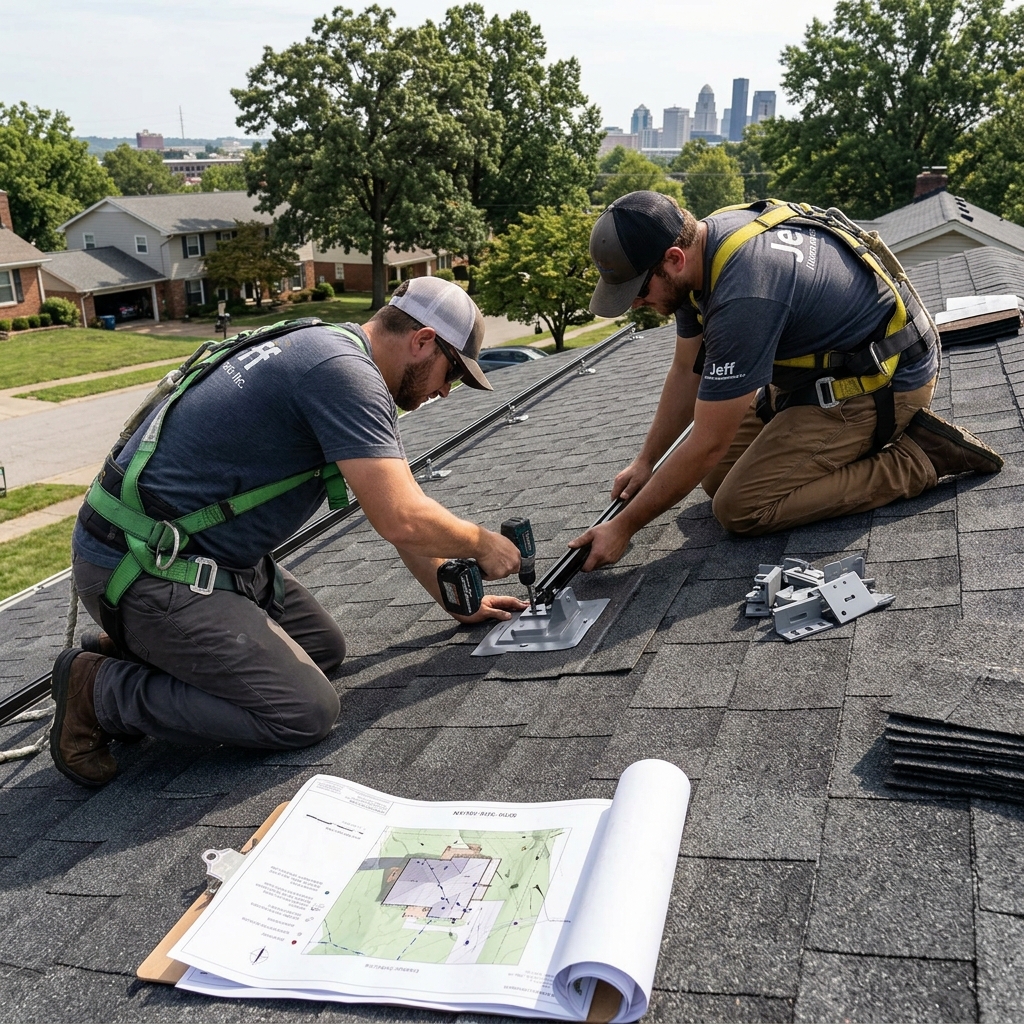
Top 7 Best Reasons to Combine Siding and Window Replacement Projects

1. Save Time With Coordinated Project Scheduling

When your home’s siding shows its age or your windows start losing their tight seals, it’s tempting to tackle them one project at a time. But that approach often costs more money, stretches timelines, and creates unnecessary hassle for your household. Here at Jeff Home Improvements Inc., we’ve worked with hundreds of Kentuckiana homeowners who discovered that pairing siding and window replacement delivers far better results than handling them separately.

Combining these two exterior projects isn’t just about convenience. It’s a strategic decision that touches everything from your utility bills to your home’s curb appeal to the day-to-day disruption your family experiences. Whether you’re in Louisville or elsewhere in the Kentuckiana area, understanding why contractors and homeowners favor bundled exterior work can help you make smarter decisions about your property.

Managing two separate projects means two distinct timelines, two sets of contractors arriving at different times, and two periods of disruption. When we combine siding and window replacement, our teams coordinate from day one, which dramatically compresses the overall schedule.

Think of it this way: a standalone siding project typically takes 7-10 days for an average home. Windows alone might take 3-5 days. Staggered separately, you’re looking at 10-15 days of active work spread across weeks or months. When we coordinate them together, we often complete both in 8-12 days because crews work synergistically. Our team can install replacement windows and flash the siding simultaneously rather than waiting for one trade to finish before the next begins.

Coordinated scheduling also means fewer weather delays. Instead of closing your project, waiting for conditions to improve, then reopening it for a second trade, we maintain momentum throughout. Our crews know the sequence in advance, materials arrive on the right dates, and we stick to the schedule with minimal interruption.

Real-world example: A Louisville homeowner needed new vinyl siding plus replacement windows on their ranch-style home. Scheduling them separately would have extended the project across two months with two separate mobilization periods. By bundling them, we completed everything in nine days with a single crew presence and one coordinated material delivery.

What to do next: When requesting estimates for exterior home renovations, ask contractors specifically about coordinated timelines. Request a detailed schedule showing how both trades interact and what day-by-day progress looks like.

2. Maximize Energy Efficiency Across Your Exterior

Your home’s thermal performance depends on how well all exterior components work together. Installing energy-efficient windows while keeping old siding creates a thermal disconnect. Conversely, upgrading siding without addressing window performance leaves significant energy waste untreated.

Modern replacement windows with low-emissivity glass and insulated frames reduce heat transfer substantially. When paired with quality vinyl siding and proper insulation, these upgrades create a unified thermal envelope that keeps conditioned air inside where it belongs. We’ve seen homeowners reduce heating and cooling costs by 15-25 percent when they combine these projects strategically.

The siding piece matters more than many realize. Vinyl siding we install comes with integrated foam backing that adds R-value to your exterior walls. Combined with weather-resistant barriers and proper installation, this approach significantly boosts overall home insulation. New windows seal air leaks around window frames that old windows couldn’t prevent. Together, they’re exponentially more effective than either upgrade alone.

Here’s what makes this compelling: a 2,000-square-foot home with single-pane or older double-pane windows loses enormous amounts of conditioned air around window perimeters. Poor siding installation or deteriorated siding allows air infiltration at seams and edges. When both problems exist, your HVAC system works constantly to compensate. We eliminate both problems simultaneously, which is why the energy savings are so dramatic.

Action step: During your consultation, ask us to perform a thermal assessment of your current siding and windows. We can show you where the biggest energy losses occur and quantify potential savings from upgrades.

3. Achieve a Cohesive Aesthetic for Your Home

Your home’s exterior tells a story. Mismatched materials, inconsistent colors, and design elements that don’t work together make even well-maintained properties look disjointed. When siding and windows are replaced separately, they often don’t coordinate aesthetically.

We help homeowners select complementary materials and colors that elevate the entire property appearance. Modern vinyl siding comes in dozens of color options, including sophisticated earth tones and bold contemporary shades. Replacement windows can match these palettes through frame colors, trim options, and hardware selections. When we coordinate both projects, we ensure every element harmonizes visually.

Think about the typical scenario: a homeowner replaces windows with standard white frames and trim. Years later, they upgrade to new siding in a warm gray or taupe. Now the white windows stand out awkwardly against the new siding. This mismatch is especially noticeable in transitional areas where window casings meet siding. Combined projects eliminate this problem entirely. We select materials and finishes in the same planning phase so everything integrates seamlessly.

The architectural style of your home matters too. A craftsman-style home benefits from different window and siding treatments than a modern minimalist design or a traditional colonial. When we tackle both upgrades together, we respect your home’s character while bringing it into contemporary relevance. The result is a property that looks intentionally designed rather than randomly updated.

Next step: Request design consultation samples showing color combinations and material pairings. Ask to see before-and-after photos of homes similar to yours where both projects were coordinated.

4. Reduce Overall Project Costs Through Combined Work

Budget constraints are real, and they influence most home improvement decisions. Here’s the financial reality: combining projects costs less than completing them separately because we eliminate redundant expenses and negotiate better material pricing.

Separate projects mean separate mobilization costs. Every time a crew arrives, there’s setup, planning, and equipment placement. We repeat these expenses for windows, then again for siding. Combined projects require single mobilization. Our team arrives once, establishes a jobsite operation, and completes both tasks efficiently. That difference alone typically saves 10-15 percent on labor overhead.

Material purchasing power increases dramatically when we order larger volumes. A single window replacement order doesn’t give us the same purchasing leverage as combining windows plus siding materials. We pass these savings directly to our customers. Additionally, fewer project management touchpoints and reduced administrative overhead lower your overall costs.

Let’s quantify a typical scenario: a mid-size home needing both exterior upgrades might face $12,000-15,000 for separate projects. Bundling them together often reduces costs to $10,000-13,000 while actually improving quality through coordinated installation. You’re saving money while getting a better final result.

There’s also the hidden cost of disruption. Multiple projects mean multiple periods of yard access, multiple opportunities for weather delays to affect one project or the other, and multiple chances for scheduling conflicts. Bundled work reduces these friction points, protecting you from additional expenses that often arise when projects overlap unpredictably.

What to request: Ask contractors to provide itemized estimates showing labor, materials, and overhead costs for combined work versus separate projects. This transparency helps you understand exactly where savings occur.

5. Minimize Disruption to Your Daily Life

Home improvement projects create temporary chaos. Crews arrive early, work loudly, park in your driveway, and need access to your property for extended periods. Spreading this disruption across two separate projects doubles the impact on your household.

When we combine siding and window replacement, your family experiences one concentrated period of activity rather than two extended periods. Your kids navigate around equipment once instead of twice. You adjust your routine once rather than twice. Your pets deal with construction noise for one continuous period instead of interruptions spread across months. While the daily intensity might be slightly higher, the overall burden on your household is substantially lower.

Coordinated projects also mean a single completion date. You’re not living with partially completed exterior work or dealing with temporary protection measures for weeks on end. Once our crews finish, everything is done. No follow-up visits, no delayed final touches, no extended transition periods.

There’s a psychological benefit too. Homeowners often find extended project timelines emotionally draining. Planning, coordination, and uncertainty stretch decision fatigue. Combined projects compress this mentally taxing period into a shorter, more manageable timeframe. Crews arrive, work efficiently, and leave. Your life returns to normal faster.

Action: When discussing your project timeline, ask contractors how they’ll minimize disruption during peak work hours. Inquire about parking arrangements, noise management, and daily site cleanup schedules.

6. Ensure Consistent Quality Workmanship Throughout

Quality installation depends on skilled tradespeople, proper techniques, and attention to detail. When siding and windows are installed by different contractors at different times, quality consistency becomes a significant challenge.

We maintain consistent quality standards because the same team oversees both projects from planning through completion. Our installers understand how siding interfaces with windows. They know proper flashing techniques, weatherproofing sequences, and finishing details that make the difference between average work and exceptional craftsmanship. As an Owens Corning Platinum Preferred Contractor, we’ve been trained and certified in industry best practices for both window and siding installation.

Separate contractors often don’t coordinate on these crucial interface points. A window installer might complete their work without considering how the siding contractor will flash around new frames. A siding crew might install materials without ensuring proper drainage behind windows. These disconnects create vulnerabilities to water intrusion and eventual damage.

Our unified approach includes quality checkpoints at every phase. Once siding is prepped and ready, windows are installed with proper flashing and sealing. Once windows are secured, siding wraps around them with continuous weather barriers. This sequence is deliberate, each step building on the previous one to create a weather-tight exterior that functions as designed.

We also stand behind our work with comprehensive warranties that cover both siding and windows under a single agreement. This accountability encourages us to do everything right the first time because we’re responsible for the entire exterior system, not just individual components.

Next step: Ask potential contractors about their training certifications and manufacturer partnerships. Confirm they’re approved installers for the products they recommend, not just resellers.

7. Increase Your Home’s Resale Value Significantly

Whether you’re planning to sell soon or simply want to build equity, home improvements should increase your property’s market value. Here’s what matters to buyers: updated exteriors that look maintained, energy-efficient features that reduce utility costs, and cohesive design that suggests quality throughout.

Replacing siding and windows together addresses all three buyer priorities simultaneously. Potential buyers walk up to your home and see a well-maintained, contemporary exterior. They learn the windows are new with energy-efficient ratings. They discover the siding is modern, durable vinyl with integrated insulation. This coordinated presentation suggests a property that’s been thoughtfully maintained rather than piecemeal updated.

The financial impact is substantial. According to homeowner reports and real estate data, window replacement typically returns 70-80 percent of costs in increased home value. Siding replacement returns 80-90 percent. When combined strategically, these projects often return 85-95 percent of investment at resale because they create a cohesive first impression and deliver measurable energy efficiency improvements.

Consider the market perspective: a home with newer siding but original windows raises questions. Why upgrade one exterior element but not the other? Buyers wonder if there’s a problem with the windows or if budgets simply ran out. Combined upgrades eliminate this mental friction. Everything matches, everything is new, everything works together. This clarity increases confidence in the property and translates to higher offer prices.

The aesthetic and functional improvements also expand your potential buyer pool. Energy-conscious buyers appreciate the efficiency gains. Style-focused buyers appreciate the cohesive design. Practical buyers appreciate the reduced maintenance needs. You’re not marketing to a narrow segment, you’re appealing to multiple buyer priorities simultaneously.

What to discuss: When planning your exterior improvements, ask contractors about the specific value-add associated with coordinated siding and window replacement. Request data on how completed projects compare to market values for similar properties in your area.

At Jeff Home Improvements Inc., we’ve been serving the Louisville and Kentuckiana area since 1989 because we understand that your home is your most significant investment. When you decide to upgrade your exterior, you deserve a contractor who thinks strategically about how projects interconnect and who coordinates them for maximum benefit.

Combining siding and window replacement isn’t just a convenient option. It’s the smarter approach to home improvement. You save time with coordinated scheduling, maximize energy efficiency, achieve beautiful cohesive design, reduce costs through bundled work, minimize disruption, ensure consistent quality, and increase your home’s resale value. That’s why experienced homeowners choose this path.

Ready to explore what coordinated exterior improvements can do for your property? We’re here to help you plan a project that delivers exceptional results while fitting your budget and timeline. Contact us today for a virtual consultation and instant estimate. We’ll show you exactly how much you can accomplish when siding and window replacement work together.

Contact us today for a free in home, no obligation quote on your roof
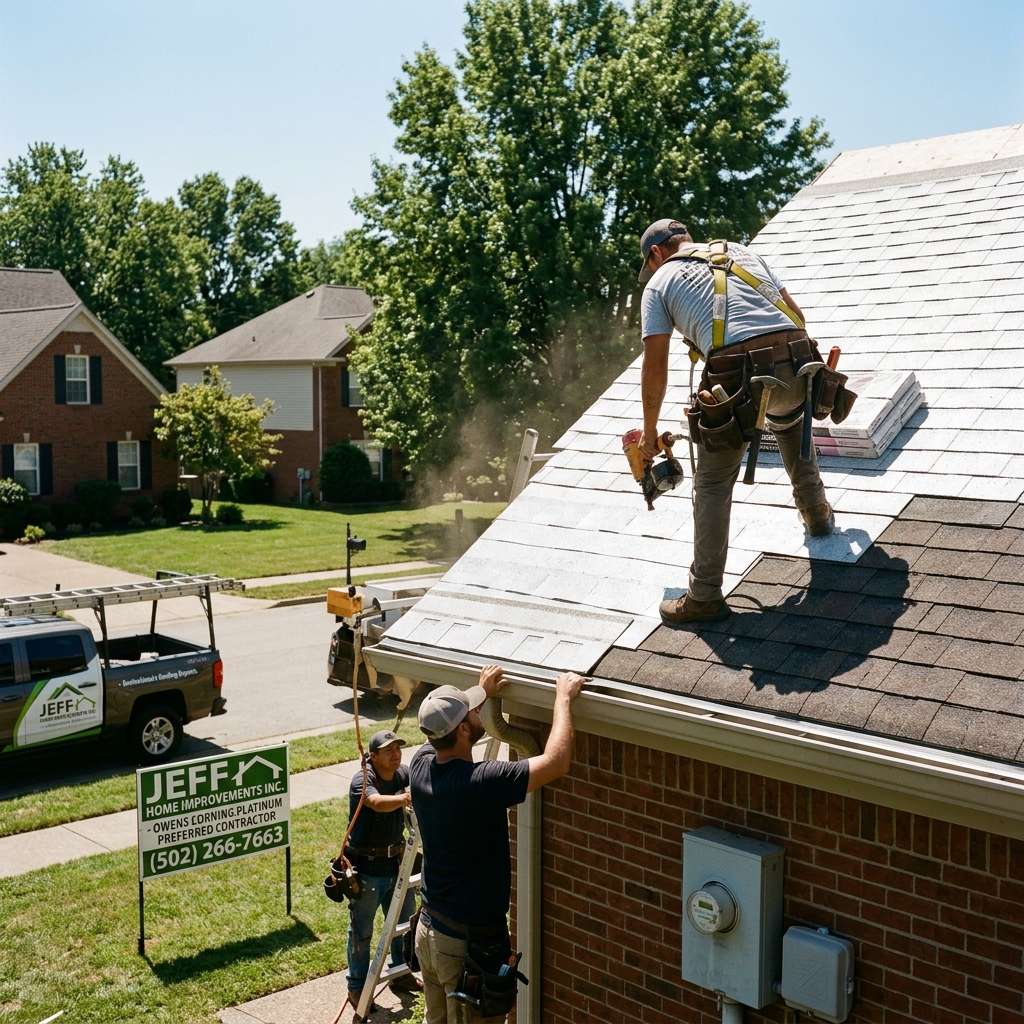
Asphalt Shingle Rejuvenation: Extend Your Roof’s Life Without Full Replacement

When Your Roof Shows Age but Replacement Feels Premature

Your roof has served you well for fifteen years. It’s not leaking, but the shingles look tired. They’ve lost that dark color, granules are washing away in storms, and you’re wondering if you need a new roof now or if you have a few more years left. Before you commit to a $15,000 or $20,000 replacement, there’s another option worth exploring.

Asphalt shingle rejuvenation is a legitimate restoration treatment that can extend your roof’s functional life by five to ten years without the cost and disruption of a full replacement. We’ve helped dozens of Louisville-area property owners preserve their existing roofs through this proven approach, and it’s saved many of them tens of thousands of dollars while buying critical time before a complete tearoff becomes necessary.

This guide walks you through how roof rejuvenation works, who it’s right for, and whether it makes sense for your situation.

Most asphalt roofs begin showing visible signs of aging between years twelve and eighteen. You notice the shingles curling at the edges, color fading to a dull gray or brown, or granule loss accelerating during storms. The roof still functions, but you sense it’s declining.

This middle-age phase creates a tough decision. A full replacement is expensive and disruptive. Yet ignoring a deteriorating roof invites leaks, structural damage, and emergency repairs. Rejuvenation bridges this gap by restoring some of the properties that time has stripped away.

We typically recommend considering rejuvenation if your roof is between twelve and twenty years old, shows cosmetic wear without active leaks, and you’d prefer to delay replacement another five to ten years. A property owner who expects to stay in their home or maintain a commercial building for another decade often finds rejuvenation a smart financial move.

The key insight here is timing. Acting while your roof is merely aging, not failing, gives rejuvenation its best chance to succeed.

Understanding Asphalt Shingle Deterioration and Loss of Effectiveness

Asphalt shingles are composite materials made from a fiberglass or organic mat core, coated with asphalt and embedded with mineral granules. Over time, several processes weaken your roof:

UV exposure breaks down the asphalt binder. Sunlight literally hardens the asphalt, making it brittle. Thermal cycling (heating and cooling) causes shingles to expand and contract, creating stress at seams and nail holes. Moisture penetration allows water to seep beneath the surface, further degrading the asphalt layer. Granule shedding removes the protective mineral coating, exposing raw asphalt beneath.

The result is a roof that becomes less flexible, more prone to cracking, and less able to repel water. Curling and cupping appear as the core shrinks faster than the outer edges. The shingles harden, losing their pliability.

Rejuvenation targets this loss of flexibility and water resistance. The treatment doesn’t reverse aging completely, but it restores enough of the asphalt’s original properties to give your roof renewed function.

Think of it like this: your roof’s asphalt has become like dried-out leather. Rejuvenation treatment works similarly to leather conditioner, penetrating back into the material and restoring some of its original suppleness and protective qualities. It won’t make a fifty-year-old roof new again, but it can add meaningful life to a roof that’s simply tired.

How Roof Rejuvenation Works: Our Proven Restoration Process

We apply an asphalt rejuvenation treatment that’s engineered to penetrate dried asphalt shingles and restore their flexibility and water resistance. The process is straightforward, though it requires professional application.

Inspection and cleaning come first. We examine your roof to confirm it’s a good candidate: no major leaks, limited damage, structurally sound substrate. We then clean the surface to remove moss, algae, and loose debris that would prevent the treatment from bonding properly.

Application of rejuvenation sealer follows. The product is sprayed or rolled onto the roof surface, where it penetrates the hardened asphalt. This restores elasticity and water-repellency that UV and weather have stripped away. Professional application ensures even coverage and proper curing.

Curing time typically requires 24 to 48 hours before your roof is exposed to rain or heavy use. The treatment needs time to fully bond with the asphalt and harden into a protective layer.

The entire process usually takes one to three days depending on roof size and complexity. Unlike a roof replacement, which requires removing and disposing of thousands of pounds of old material and installing new decking, rejuvenation is non-invasive and far less disruptive to your home or business.

We’ve found that the best results come from treating roofs that still have substantial structural integrity but are simply cosmetically aged. Roofs with multiple leaks, soft spots, or missing shingles are beyond rejuvenation and need replacement instead.

Cost Comparison: Rejuvenation Versus Full Roof Replacement

This is the economic heart of the decision.

A full asphalt roof replacement for a typical Louisville home runs between $15,000 and $25,000, depending on roof pitch, size, and material quality. A commercial roof can easily exceed $50,000 or more. Costs include labor, material, removal and disposal of old roofing, and potential repairs to underlying structure.

Asphalt shingle rejuvenation costs significantly less. For a standard residential roof, you’re typically looking at $2,000 to $6,000 for professional treatment. A commercial roof might be $5,000 to $12,000. The treatment itself is the primary expense; there’s minimal waste removal and no structural labor.

Over a decade, the math becomes clear. If rejuvenation extends your roof’s life by seven years, you’ve avoided replacement costs for seven years while spending a fraction of the replacement price. If you ultimately do need a replacement, you’ll have delayed it long enough to spread the cost across a longer timeline and potentially benefit from inflation adjustments in your budget.

Here’s a realistic scenario: a homeowner with a fifteen-year-old roof might invest $4,000 in rejuvenation today, gaining five to seven years of additional life. That same homeowner avoids a $20,000 replacement for seven years. Even if they eventually do replace the roof, they’ve saved $16,000 in today’s money while buying time.

Rejuvenation isn’t cheaper forever, but it’s substantially cheaper now, and it directly addresses the gap between “my roof still works” and “my roof needs replacing today.”

Which Roofs Qualify for Our Restoration Services

Not every aging roof is a good candidate for rejuvenation. We use clear criteria to determine if your roof will benefit from treatment.

Structural integrity is non-negotiable. The underlying roof deck must be sound. If there are soft spots, rot, or sagging, the structural problem must be addressed before rejuvenation. A cosmetic treatment won’t help a roof with compromised support.

Active leaks rule out rejuvenation. If water is currently penetrating into your home or building, we address the leak with repair or replacement, not rejuvenation. The treatment restores water resistance to the shingle surface, not to roofs already failing.

Age range matters. We typically see the best results on roofs between twelve and twenty years old. Younger roofs haven’t deteriorated enough to need it; older roofs may be too compromised.

Shingle condition should be fair to good overall. Missing shingles, significant cracking, or large patches of bare spots are red flags. We want to rejuvenate roofs that are tired but intact.

Roof pitch and access must be safe. Steeper roofs require additional precautions. We assess whether our crews can safely apply the treatment without risk.

During our initial assessment, we evaluate each of these factors. We’re honest about candidacy: if your roof won’t benefit from rejuvenation, we’ll tell you and discuss replacement options instead. Our goal is to recommend the approach that actually serves your situation best, not to push a treatment that won’t deliver results.

The Long-Term Benefits of Choosing Rejuvenation Over Replacement

Beyond immediate cost savings, rejuvenation offers strategic advantages for property owners focused on long-term value.

Preserved roof age. If you eventually replace your roof, the rejuvenated roof is still fifteen or sixteen years old, not twenty-two or twenty-three. Depending on your mortgage timeline or property plans, this can affect insurance rates, resale value, and financing terms.

Extended planning window. Rejuvenation buys you five to ten years to save for a replacement, plan a property renovation around new roofing, or adjust your timeline based on life circumstances. That breathing room is valuable.

Reduced waste and environmental impact. A full roof replacement generates significant landfill waste. Rejuvenation avoids tearing off thousands of pounds of old material. If you care about your environmental footprint, extending your roof’s life through rejuvenation is the more responsible choice.

Reduced disruption to occupants. Whether you’re a homeowner or commercial building manager, a full roof replacement is noisy, disruptive, and takes multiple days. Rejuvenation is quieter and faster, with minimal impact on daily life or business operations.

Improved roof appearance. While rejuvenation can’t fully restore original color, it does darken the shingles and improves overall appearance. Your roof looks better maintained, which positively affects your property’s curb appeal and perceived condition.

Flexibility in material choices for future replacement. If you delay replacement by seven years, you have more time to research newer materials, compare manufacturers, and plan an upgrade to premium products like impact-resistant or solar shingles.

The compounding value of these benefits grows the longer you own or manage the property.

Our Track Record with Louisville-Area Roof Restoration Projects

Since 1989, we’ve completed thousands of roofing projects across Louisville and Kentuckiana, including more than two hundred roof rejuvenation treatments over the past decade. Our experience spans residential homes, apartment buildings, commercial facilities, and industrial structures.

One project that stands out involved a commercial property in the Highlands with a seventeen-year-old flat-roof system showing significant age. The owner faced a $60,000 replacement. We recommended rejuvenation paired with targeted repairs to compromised sections. The treatment cost $8,000 and extended the roof’s life by an additional six years, saving the business tens of thousands while allowing them to plan for replacement on their schedule.

Another case involved a homeowner in Jeffersontown whose roof had reached year fourteen. Despite proper maintenance, granule loss and fading were accelerating. Rejuvenation treatment for $3,500 restored the roof’s water resistance and improved appearance dramatically. Three years later, the property owner reported zero new leaks and was confident in the roof’s condition for at least another four years.

These aren’t exceptional outcomes, but representative of what we see regularly. Our as Owens Corning Platinum Preferred Contractors, we maintain strict standards for materials and application. We track treatment performance across seasons and climates, and our approach is based on documented results, not speculation.

What distinguishes our rejuvenation work is honesty about candidacy and follow-up. We don’t treat roofs that won’t benefit, and we maintain contact with customers to monitor long-term performance and help plan for eventual replacement when the time comes.

Getting Started with a Professional Assessment from Our Team

If you’re considering rejuvenation for your Louisville or Kentuckiana property, the first step is a professional roof assessment. This evaluation determines candidacy and informs whether rejuvenation makes sense.

Here’s what to expect:

Schedule a virtual or on-site consultation. We offer both options depending on your preference. We can discuss your roof’s age, condition, and your timeline via phone or video, or we can visit your property for a hands-on evaluation.

We inspect structural integrity. Our team examines the roof deck, identifies any soft spots or damage, and assesses whether the foundation is sound enough for rejuvenation.

We evaluate shingle condition. We look at granule loss, cracking, curling, and overall wear. This determines whether your roof has enough life remaining to benefit from treatment.

We provide an honest recommendation. If rejuvenation is viable, we explain the process, timeline, and expected lifespan extension. If replacement is more appropriate, we’ll detail that instead and discuss options.

We offer an instant estimate. We provide transparent pricing for either rejuvenation or replacement, with no hidden fees or surprise costs.

You can request an assessment by visiting our website at https://jeffroof.com or calling our office directly. We serve the entire Louisville and Kentuckiana area, and we offer virtual consultations for convenience.

Why Rejuvenation Makes Sense for Your Kentuckiana Property

Asphalt shingle rejuvenation is a practical middle path between ignoring an aging roof and replacing it prematurely. It’s not a permanent solution, but it’s a legitimate extension strategy that saves money, reduces disruption, and buys you time.

The treatment works best for property owners who are several years into a roof’s life, want to delay major capital expenses, and have a roof that’s aging cosmetically but not failing functionally. If that describes your situation, rejuvenation deserves serious consideration.

We’ve guided countless homeowners and building managers through this decision. Our role is to assess your specific roof, explain your options honestly, and recommend the approach that genuinely serves your interests. Sometimes that’s rejuvenation. Sometimes it’s repair. Sometimes it’s replacement. We help you figure out which makes sense for your property and your timeline.

If you’d like to explore whether your roof is a candidate for rejuvenation, reach out to us. A professional assessment costs nothing and removes guesswork from the decision. We’re here to help you extend your roof’s life intelligently.

For further reading: Louisville roofing contractor.

Contact us today for a free in home, no obligation quote on your roof
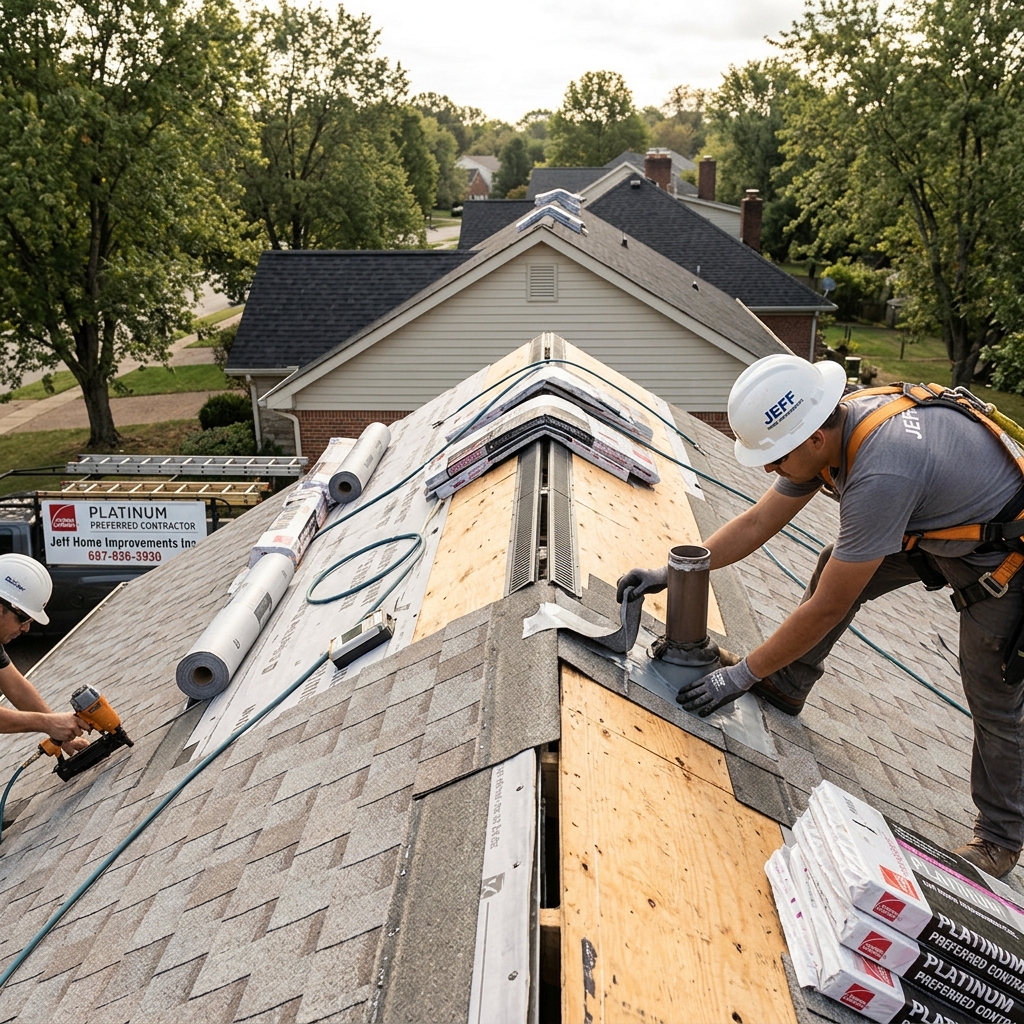
How to Vet a Roofing Contractor: Red Flags Checklist for Louisville Homeowners

Why Hiring the Wrong Roofer Costs You Thousands

Choosing the wrong roofing contractor can drain your wallet faster than a roof leak. A bad hire might mean substandard workmanship, inflated costs, incomplete repairs, or worse, legal headaches when something goes wrong. In the Louisville area, where weather patterns bring everything from spring storms to heavy seasonal shifts, your roof needs professional care from someone who knows the local climate and building codes.

We’ve been in the roofing business since 1989, and we’ve heard countless stories from homeowners who regret rushing their contractor search. This guide walks you through the vetting process so you can hire with confidence.

A poorly installed roof isn’t just an aesthetic issue. It’s a structural and financial problem that compounds over time. Improper installation can void manufacturer warranties, cause premature leaks, and necessitate costly repairs or complete replacement within a few years instead of decades.

Consider a real scenario: A homeowner contracts with an unlicensed roofer who offers a price 30% below market rate. The work seems complete, but within two years, water intrusion develops in the attic. The manufacturer’s warranty doesn’t apply because the roofer wasn’t certified. The homeowner now faces $8,000 to $15,000 in water damage remediation, mold inspection, and re-roofing with a legitimate contractor.

Beyond the direct costs, a failed roof can affect your home’s resale value and create liability issues if someone is injured on your property due to unsafe roofing work. Insurance companies may refuse claims tied to unpermitted work.

What to do next: Before you contact any contractor, make a list of three to five companies you’re considering. This article will help you evaluate each one systematically.

Verify Licensing and Insurance Requirements

Kentucky requires roofers to hold a valid license, and the state maintains a database you can check. Before signing any contract, verify that your contractor holds an active, unrestricted license through the Kentucky State Board of Licensure for Contractors.

The second critical step is confirming insurance. Your contractor should carry both general liability insurance and workers’ compensation coverage. If a worker is injured on your property and the contractor lacks workers’ comp, you could be held liable. General liability protects you if the contractor damages neighboring properties or causes other accidents.

Ask for certificates of insurance directly from the contractor. Call the insurance company to confirm the policy is active and covers roofing work specifically. Some policies exclude certain types of work, so verification matters.

In Kentucky’s Kentuckiana region, where weather events are common, many insurance carriers have strict underwriting. Verify your contractor’s policy is current and that coverage limits are appropriate for your project scope. Most reputable contractors won’t hesitate to provide this information.

Actionable steps:

  • Request the contractor’s license number and verify it on the Kentucky State Board of Licensure website
  • Ask for a certificate of insurance showing active coverage
  • Confirm workers’ compensation is listed (not just general liability)
  • Note the policy expiration dates and verify they extend beyond your project timeline

Check References and Past Project Reviews

References reveal how a contractor actually performs once the contract is signed. Ask potential roofers for at least three recent residential projects in the Louisville area and contact those homeowners directly. Avoid references that are friends or family members.

When you call a reference, ask specific questions: Was the work completed on time? Did the contractor clean up debris properly? Were there any unexpected issues, and how did the contractor handle them? Did the homeowner encounter any leaks or problems after completion? Would they hire this contractor again?

Online reviews on Google, Yelp, and the Better Business Bureau offer another layer of insight. Look for patterns in feedback rather than obsessing over a single bad review (any contractor serving hundreds of clients will have the occasional dissatisfied customer). Red flags include consistently low ratings, complaints about unfinished work, or many reviews mentioning poor communication.

Our experience shows that contractors with transparent, verifiable project histories stand out. We maintain a portfolio of local Louisville projects and encourage homeowners to see the work in person or speak with recent clients. That level of transparency builds trust.

Quick reference check:

  • Request three to five recent project contacts in your area
  • Call and ask about timeline, quality, cleanup, and post-completion satisfaction
  • Search online for reviews and look for patterns, not isolated complaints
  • Ask for before-and-after photos or visit completed projects if possible

Identify Storm Chaser Red Flags

Storm chasers are contractors who descend on neighborhoods after severe weather, offering aggressive sales tactics and urgency-driven pitches. They often operate across multiple states, use high-pressure sales techniques, and disappear if issues arise post-project.

Storm chaser red flags include:

  • Showing up at your door uninvited after a storm with estimates ready
  • Offering to handle insurance negotiations or claims in ways that feel too good to be true
  • Providing estimates on the spot without a detailed site inspection
  • Requesting large upfront deposits before work begins
  • Using temporary office space or no permanent local address
  • Promising financing deals that seem designed to pressure you into signing quickly

In Louisville, after significant weather events, these operators flood the market. They prey on homeowners who are stressed, disoriented, and eager for quick repairs. Many disappear once they’ve received payment, leaving homeowners without recourse.

Legitimate local contractors like ourselves build long-term relationships with the community. We’re here before, during, and after storms, with permanent operations and accountability. We don’t arrive with clipboards immediately after hail; instead, we respond to your calls when you’re ready.

Spotting storm chasers:

  • Check if the contractor has a permanent Louisville office and has been operating in your area for years
  • Verify they have a local phone number and physical address, not just a toll-free number
  • Never accept an unsolicited quote at your door
  • Research the company’s history and ownership to confirm stability

Evaluate Warranty and Written Estimates

Every reputable roofing contractor provides written estimates that itemize materials, labor, timeline, and cleanup responsibilities. An estimate should be detailed enough that you understand exactly what you’re paying for.

Warranties are equally critical. Roofing comes with manufacturer warranties (covering material defects, typically 15 to 50 years depending on the product) and workmanship warranties (covering installation quality, typically 5 to 10 years). Your contractor should clearly explain both in writing.

Be wary of estimates that are vague, missing critical details, or surprisingly low compared to competitors. A price 50% below other quotes usually signals cut corners, inexperienced labor, or a bait-and-switch scenario where hidden costs emerge mid-project.

When comparing estimates, look for consistency in what’s included. One contractor might include gutter guards, a complete cleanup, and a 10-year workmanship warranty, while another excludes these items. Apples-to-apples comparison ensures you’re not accidentally choosing the cheapest option because you’re missing key services.

Estimate evaluation checklist:

  • Written estimate with line-item breakdown of all costs
  • Clear description of materials (brand, grade, color)
  • Workmanship warranty terms in writing
  • Manufacturer’s warranty documentation
  • Project timeline with start and completion dates
  • Cleanup and debris removal specified

Ask About Owens Corning Certification

We’re proud to be an Owens Corning Platinum Preferred Contractor, a distinction that reflects our commitment to quality and expertise. This certification means Owens Corning has verified our licensing, insurance, training, and track record of professional installations.

Owens Corning Platinum status isn’t automatic. Contractors must meet rigorous standards in training, customer service, and installation quality. We maintain this status by continuing education, adhering to Owens Corning’s installation specifications, and achieving customer satisfaction metrics.

When a contractor holds Platinum Preferred status with a major manufacturer, it’s a signal that they’ve invested in excellence and are willing to be held accountable. It also means you have additional recourse through Owens Corning if issues arise, as the manufacturer maintains oversight of certified contractors.

Ask any contractor whether they’re certified with Owens Corning, GAF (another top manufacturer), or other national brands. These certifications are not industry-required, but they’re strong indicators of professional commitment. Contractors should be willing to show you certification documentation without hesitation.

What to look for:

  • Ask “Are you a certified Owens Corning Platinum Preferred Contractor?” or similar
  • Request proof of current certification
  • Understand what the certification covers (materials, installation, warranty)
  • Confirm the contractor follows the manufacturer’s installation protocols

Red Flags in Pricing and Pressure Tactics

Pricing is the area where homeowners get most vulnerable. You’ve received three estimates, and one is significantly lower. The temptation to save money is natural, but price rarely reflects actual value in roofing.

Pressure tactics accompany low-ball pricing. Language like “This offer is only good today,” “We’re finishing jobs in your neighborhood and can start next week,” or “The price will go up if you don’t decide now” signals a contractor more interested in volume than quality. Legitimate contractors are confident in their work and don’t need artificial urgency.

Another red flag is requesting large deposits upfront, especially before materials are ordered or work begins. A reasonable deposit is typically 25% to 50%, with the remainder due upon completion. If a contractor wants 75% or 100% upfront, they’re shifting financial risk onto you.

Be cautious of contractors who seem more interested in discussing financing options than discussing the actual work scope. Financing can be helpful, but it shouldn’t be the sales focus. The job itself should be the priority.

Hidden costs emerge during projects when corners have been cut in the estimate. You’ll be told “We discovered additional damage that requires extra work” or “The underlayment is worse than expected,” adding thousands to your bill. Proper inspections during the estimate phase prevent most of these surprises.

Pricing red flags to avoid:

  • Estimates far below market rate for your area
  • High-pressure language with artificial deadlines
  • Requests for large upfront deposits (over 50%)
  • Vague estimates that don’t itemize materials and labor
  • Reluctance to provide references or proof of licensing

How We Help You Hire Confidently

Our approach at Jeff Home Improvements Inc. addresses every concern outlined in this guide. When you contact us for a roof replacement, storm damage repair, or exterior work, you’re working with a Louisville roofing contractor with three decades of local experience and transparent practices.

We provide detailed written estimates with no surprises. Our team conducts thorough inspections to identify any underlying issues before we start, so you know exactly what you’re getting. We carry full licensing, liability, and workers’ compensation insurance. We’re an Owens Corning Platinum Preferred Contractor, meaning every installation meets manufacturer specifications and comes with robust warranties.

We also offer virtual consultations for your convenience, so you can discuss your project without scheduling an in-home visit if that’s not immediately necessary. When we do inspect your roof, our estimates are accurate and comprehensive. We don’t use pressure tactics, and we respect your timeline.

If a storm damages your home, we help with the insurance claim process, but we’re transparent about what your policy covers and what it doesn’t. We won’t misrepresent damage or encourage fraudulent claims. Our reputation is built on doing excellent work ethically.

Why choose us for peace of mind:

  • 30+ years in the Kentuckiana area with established reputation
  • Owens Corning Platinum Preferred Contractor status
  • Full licensing and insurance verified
  • Detailed written estimates with no hidden costs
  • Virtual consultations and instant estimates available
  • Transparent warranty and post-project support

Next Steps for Finding Your Trusted Roofer

Start by making your list of three to five contractors. Run each through the checklist above: verify licensing and insurance, call references, check online reviews, and request detailed written estimates. During conversations, note how they communicate. Do they answer questions patiently? Do they explain options clearly? Do they respect your timeline or push for quick decisions?

Compare estimates side by side, ensuring you’re evaluating the same scope of work. The lowest price might feel attractive, but the middle or slightly higher estimate from a certified, well-reviewed contractor is usually the best investment.

Once you’ve narrowed your selection, ask the contractor questions about their process for your specific project. If you’re addressing storm damage, ask how they’ll handle insurance coordination. If you’re replacing an aging roof, ask about material options and longevity. A contractor who engages thoughtfully with your situation is one you can trust.

We’re here if you’re ready to move forward with a licensed, certified roofer in the Louisville area. Contact us for a virtual consultation or to schedule a site inspection. We’ll provide an instant estimate so you can compare apples to apples with other quotes. Your roof is one of your home’s most important assets, and it deserves professional care from someone who’s been doing this right for decades.

Contact us today for a free in home, no obligation quote on your roof
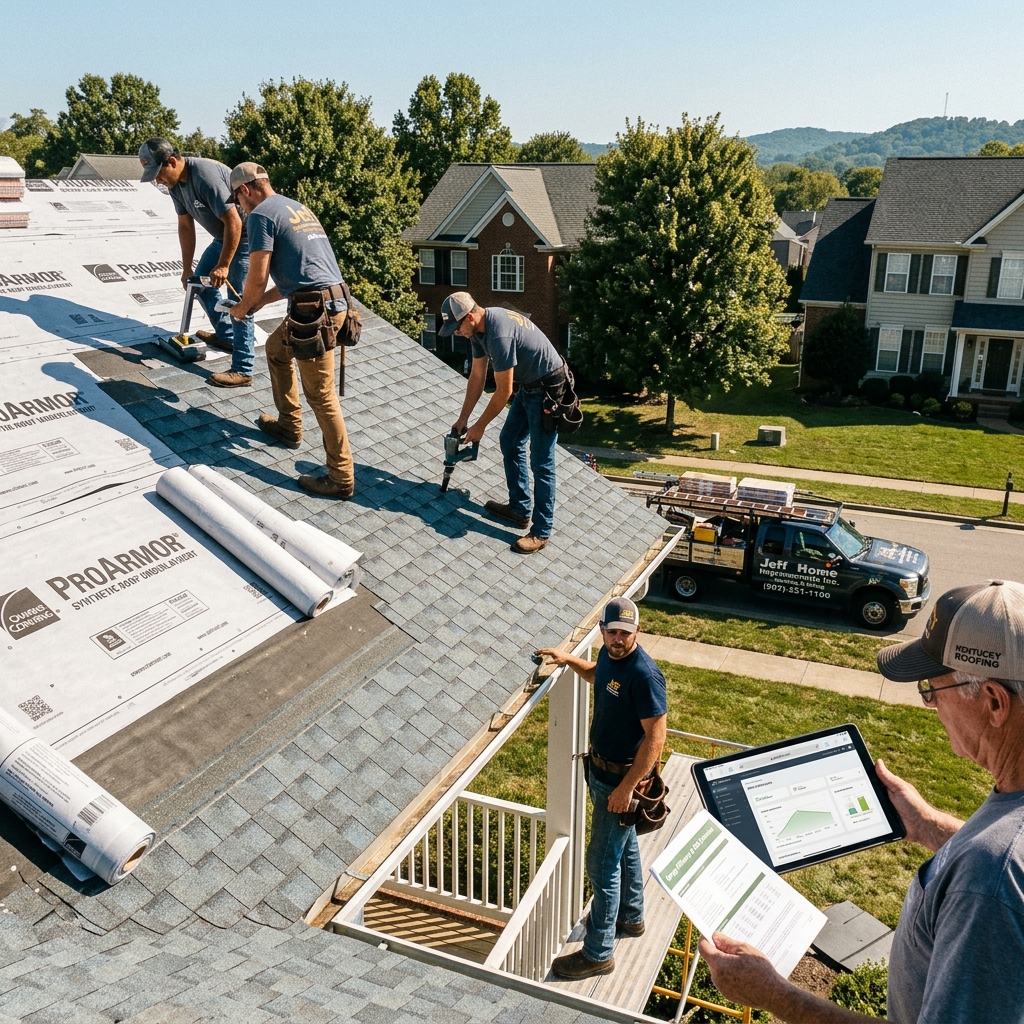
5 Tips for Choosing a Louisville Roofing Contractor After a Hailstorm

Why Hailstorm Damage Requires Immediate Professional Assessment

A hailstorm hits the Louisville area, and within hours, homeowners are climbing onto roofs or peering through attics, searching for damage. The damage might be obvious: shingles cracked and granules stripped away. Or it might be subtle enough that you miss it entirely until leaks appear weeks later. Either way, choosing the right Louisville roofing contractor becomes urgent, and the stakes are high. You’re not just hiring someone to fix a roof; you’re making a decision that affects your home’s integrity, your insurance claim, and your peace of mind.

We’ve been serving the Kentuckiana community since 1989, handling thousands of storm damage claims and roof replacements. In that time, we’ve seen homeowners make smart choices and costly ones. The difference usually comes down to five critical factors. Understanding them now will help you avoid the pitfalls and find a contractor who truly delivers.

Hail creates a specific type of damage that’s easy to overlook. Unlike wind damage that tears shingles clean off or water damage that shows obvious staining, hail dimples and bruises shingles in ways that may not leak for months or even years. That dormant damage accelerates deterioration, shortening your roof’s life and creating openings for water infiltration.

The timing of your assessment matters enormously. Insurance companies understand this and typically honor claims filed within 30 days of a storm event. Once that window closes, proving the damage was storm-related becomes far harder. We recommend scheduling a professional inspection within 48 to 72 hours of significant hail.

During an assessment, a qualified contractor evaluates:

  • Shingle surface condition (dimpling, cracking, granule loss)
  • Flashing integrity around chimneys, vents, and skylights
  • Gutter condition and attachment security
  • Soffit and fascia damage
  • Underlying wood structure for saturation or rot

What makes this assessment valuable is the documentation it creates. Professional photos and detailed reports give your insurance adjuster clear evidence and provide you with a concrete baseline. Many homeowners skip this step thinking they’ll save money, only to face denials later when they file claims.

Next step: Contact a certified contractor for a damage assessment within three days of the storm. Ask whether they provide free inspections and whether they document findings with photos and written reports.

Verify Proper Licensing and Owens Corning Certification Status

Kentucky requires roofing contractors to be licensed, but not all states enforce this equally. Before hiring anyone, verify their license status through the Kentucky Cabinet for Economic Development. You want confirmation that your contractor holds a valid roofing license, maintains insurance, and has no unresolved complaints.

Licensure alone isn’t enough, though. We’re Owens Corning Platinum Preferred Contractors, a distinction that goes beyond basic credentials. This certification means we’ve met rigorous standards for installation quality, customer service, warranty knowledge, and ongoing training. Owens Corning Platinum contractors must demonstrate excellence consistently, not just once.

Ask any contractor for:

  • Current Kentucky roofing license number (verify it yourself)
  • General liability insurance documentation
  • Workers’ compensation coverage proof
  • Owens Corning or other major manufacturer certifications
  • References to recent projects they’ve completed

Manufacturer certifications matter because they often unlock extended warranties. A standard asphalt shingle warranty might last 20 years, but some Owens Corning products come with extended coverage when installed by certified contractors. That’s protection that pays for itself if you ever need a warranty claim.

Red flags include contractors who won’t provide license information, claim they’re “too small” for insurance, or pressure you to avoid filing insurance claims. Trust your instincts. A reputable contractor is transparent about credentials and actively welcomes verification.

Actionable tip: Before scheduling a consultation, spend 10 minutes calling the Kentucky Cabinet or checking their online license verification system. This one step filters out unlicensed or problem contractors immediately.

Confirm Experience with Storm Damage and Insurance Claims

Storm damage work is different from routine maintenance roofing. It involves understanding insurance processes, working with adjusters, coordinating with multiple parties, and often dealing with structural complications that emerge during the job. A contractor experienced with storm claims knows how to navigate these complexities and help you maximize your coverage.

Experience shows up in practical ways. When we arrive for a storm damage assessment, we know which details insurance adjusters scrutinize. We photograph damage from angles and distances that create clear documentation. We understand what qualifies as covered damage versus normal wear. We’ve learned, through hundreds of claims, how to present findings in ways that support approval.

That experience also extends to the unexpected. Storm damage often reveals pre-existing issues: rotted wood decking under damaged shingles, undersized gutters, or structural settling that now affects the roof’s pitch. An experienced contractor knows how to identify these complications early, communicate them to you and your adjuster, and provide cost estimates that account for them.

Ask contractors:

  • How many storm damage claims have they handled in the past three years?
  • Do they work directly with insurance adjusters?
  • Can they provide references from past storm damage clients?
  • What happens if damage is more extensive than initial estimates suggested?

A contractor with deep storm damage experience will answer these questions comfortably and provide specific examples. They’ll also explain their process for scope creep: how they handle additional damage discovered during removal and whether they communicate with your insurer before proceeding.

What to do next: Request case studies or references specifically from storm damage projects. Talk to past clients about how the contractor handled the insurance process and whether the final cost matched the estimate.

Review Our Track Record in the Kentuckiana Area

We’ve built our reputation over more than 35 years by consistently delivering on promises. That history matters when you’re trusting someone with your home. Our portfolio includes residential roof replacements across Louisville and surrounding communities, commercial roofing projects for industrial and retail properties, and countless storm damage restorations.

The Kentuckiana area encompasses Louisville, Lexington, southern Indiana, and beyond. We know the regional climate patterns: the spring hail season, summer thunderstorms, and winter ice dams. We understand local building codes and permit requirements. We’ve worked with regional insurance companies and know their specific claim processes. That local knowledge accelerates your project and reduces complications.

Our experience shows up in finished work. Drive through Louisville neighborhoods, and you’ll find roofs we installed years ago, still performing flawlessly. That longevity happens because we specify quality materials, install with precision, and stand behind our work.

When evaluating any contractor’s track record, look for:

  • How long they’ve been in business (10+ years shows staying power)
  • Google reviews and Better Business Bureau ratings
  • Before-and-after photos of completed projects
  • Willingness to provide client references you can contact
  • Membership in industry associations (like the National Roofing Contractors Association)

Local presence matters more than you might think. A contractor with deep roots in the community has skin in the game. They care about reputation because they live here, work here, and want repeat business and referrals. A fly-by-night contractor has no such incentive.

Take action: Search online for reviews of any contractor you’re considering. Call or email 2-3 references and ask specific questions about their experience: Was the project completed on time? Did the contractor address unexpected issues professionally? Would they hire them again?

Evaluate Transparent Estimates and Detailed Project Timelines

After we complete an assessment, you should receive a written estimate that explains what’s being repaired or replaced, what materials will be used, labor costs, and timeline. Vague estimates like “labor $2,000” tell you nothing. Detailed ones break down the scope clearly.

A solid estimate specifies:

  • Exact shingle type and grade (e.g., Owens Corning Duration Shingles, Weatherwood)
  • Square footage of roofing to be replaced or repaired
  • Flashing and trim details
  • Gutter work or gutter guard installation, if applicable
  • Timeline: when work starts, how many days it typically takes
  • Weather contingencies (roofing work halts in rain)
  • Cleanup and debris removal details
  • Warranty terms and what they cover

The estimate should also explain how insurance coverage factors in. If your insurer covers $X and you’re responsible for the deductible plus any damage beyond coverage, your estimate should clarify this. A transparent contractor helps you understand what your insurer will pay and what you’ll owe out of pocket.

Timelines deserve special attention. Most roof replacements take 3-5 days depending on size and complexity. A contractor who promises completion in one day should raise concerns. Rushed work leads to mistakes: missed shingles, improper nailing, debris left in gutters.

Compare estimates from multiple contractors, but don’t choose based on price alone. A bid that’s 30% lower than others might reflect lower-quality materials or inexperienced labor. Instead, compare scope: Are all contractors specifying the same materials and process? If not, understand the differences before deciding.

Next step: Request written estimates from at least two contractors. Review them line-by-line and don’t hesitate to ask questions about anything unclear. The contractor who patiently explains every detail is worth the time investment.

Why We Provide Virtual Consultations for Your Convenience

Scheduling roof inspections used to mean taking time off work to meet a contractor at your home. We’ve streamlined this process by offering virtual consultations via photo and video. Here’s how it works: You photograph your roof, take a few images of damaged areas, and share them with us. We review the images, ask clarifying questions via email or phone, and provide initial guidance. If needed, we schedule an in-person assessment.

Virtual consultations are particularly valuable after storms when your time is precious. You’re dealing with insurance paperwork, managing cleanup, and often managing multiple home repairs. A quick virtual call gets you preliminary answers without requiring a contractor to travel to your home for initial evaluation.

We also provide instant estimates through our online platform. Upload your roof photos and property details, and our system generates a preliminary cost range within minutes. This gives you a ballpark figure before committing to a detailed inspection.

The convenience extends to the actual work as well. We provide detailed progress updates, allowing you to track the project even if you can’t be home during installation. For busy commercial property managers overseeing multiple buildings, this transparency is invaluable.

Virtual consultations don’t replace in-person assessments for complex jobs, but they serve an important function: they answer basic questions, let you evaluate our professionalism, and help you schedule more efficiently.

Action item: Schedule a virtual consultation for initial guidance. You’ll save time and get a sense of how responsive and helpful a contractor is before moving forward.

Understanding Our Comprehensive Roof Replacement Process

When hail damage warrants roof replacement rather than spot repairs, our process unfolds in clear stages. Understanding these stages helps you know what to expect and when.

Stage one involves removal. We carefully extract damaged shingles, flashing, and any compromised underlayment. We inspect the roof deck for rot, water damage, or structural issues that need addressing. This is where surprises often emerge: a section of wood that’s softer than it should be, or roof penetrations that weren’t visible before removal. We document findings and communicate them to you immediately, along with any cost implications.

Stage two addresses preparations. We install new underlayment for water protection, replace any damaged deck sections, and ensure proper ventilation. Inadequate ventilation leads to premature shingle failure, so this step isn’t cosmetic; it’s foundational. We also prepare flashing around chimneys, vents, and skylights for installation.

Stage three is shingle installation. We use Owens Corning shingles and apply them according to manufacturer specifications: proper nailing patterns, correct overlap, and precise alignment. This precision matters because improper installation voids warranties and leads to early failure. We specify the exact product you’re getting, so you understand what protection and longevity you’re purchasing.

Stage four covers finishing work. We install flashing, edge trim, and gutters or gutter guards. We clean the entire site, removing all debris and old materials. We photograph the completed work for your records.

Throughout this process, you receive updates. We explain what’s happening, answer questions, and address concerns immediately. This communication prevents surprises and keeps you informed about your investment.

What to expect: Ask any contractor to walk you through their replacement process step-by-step. The level of detail they provide tells you how professionally they approach the work.

Protect Your Home with Our Storm Damage Expertise

Hail damage to your roof isn’t just a cosmetic problem or something you can defer. It accelerates shingle deterioration, compromises your home’s weather protection, and ultimately costs you significantly more if left unaddressed. The choice of contractor determines whether you receive quality restoration that protects your home for decades or substandard work that leads to further damage.

We’re equipped to handle every aspect of storm damage restoration. Our team includes experienced roofers trained in Owens Corning installation standards. We carry all necessary licenses and certifications. We work seamlessly with insurance adjusters, and we’ve completed thousands of storm damage projects across the Kentuckiana region. We also understand that this process can feel overwhelming, so we take care of the details while keeping you informed every step.

Your home withstood the hailstorm. Now let us help it recover fully. Contact us for a free damage assessment and detailed estimate. We’ll document the damage professionally, explain your options, and guide you through the repair or replacement process. Whether your claim covers the entire cost or just a portion, we’ll help you understand what comes next and deliver the quality work your roof deserves.

The right contractor makes this stressful process manageable and ensures your home emerges stronger than before. We’re ready to be that contractor for you.

Contact us today for a free in home, no obligation quote on your roof
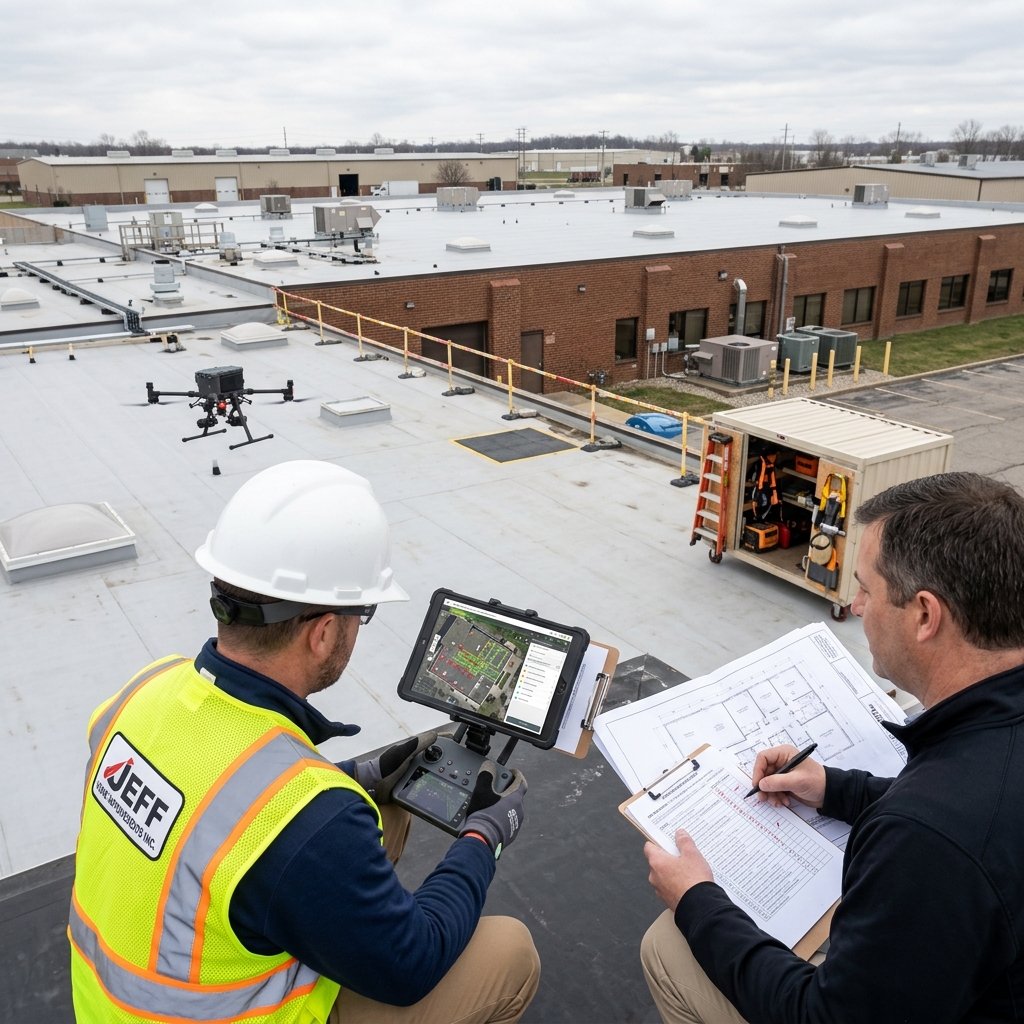
Request Estimate