Blog

Archive for Announcements – Page 6

Durable Siding Materials That Withstand Kentucky Humidity and Storms

Why Kentucky’s Climate Demands Superior Siding Materials

Kentuckiana homeowners face a uniquely demanding climate. Our region experiences high humidity year-round, temperature swings that can exceed 40 degrees between seasons, and severe weather systems that bring heavy wind and hail. Your home’s siding bears the brunt of these conditions, which is why choosing materials engineered for this specific environment matters far more than aesthetics alone.

The challenge isn’t just summer heat or winter cold in isolation. It’s the constant cycling between humid summers and dry winters that creates stress on exterior materials. When moisture penetrates weak siding, it can damage the sheathing and framing underneath before you even notice a problem. Similarly, our spring and fall severe weather patterns mean hail and high winds are part of the annual forecast.

We’ve worked with thousands of Louisville-area homes over our decades in business, and the pattern is clear: properties with inferior siding materials fail prematurely, often within 10-15 years. Quality materials rated for our climate can perform reliably for 25-30 years or longer. The difference comes down to material selection and proper installation from the start.

Your siding is your home’s first line of defense. Investing in durable materials now prevents much costlier repairs later.

The Hidden Costs of Choosing the Wrong Siding

Many homeowners focus only on the upfront price tag when selecting siding. That’s a costly mistake. Budget-grade materials might seem to save money initially, but they create a cascade of expenses down the road.

When siding fails prematurely, you don’t just replace the siding itself. Water intrusion can damage:

  • Sheathing and underlayment (often $2,000-$5,000 to replace)
  • Framing studs and structural components ($5,000-$15,000+)
  • Interior insulation and drywall ($3,000-$8,000)
  • Paint and finishing work ($2,000-$4,000)

A home with compromised siding can also see energy efficiency decline sharply. Gaps and cracks force your HVAC system to work harder, increasing utility costs by 15-25% depending on outdoor temperatures. Over five years, this adds up to thousands in wasted heating and cooling.

Property value takes a hit too. Potential buyers immediately spot deteriorating exterior materials and factor in replacement costs when making offers. We’ve seen homes lose $15,000-$30,000 in market value due to poor siding condition, which far exceeds the cost of upgrading to quality materials upfront.

Beyond finances, there’s peace of mind. Cheap siding creates stress during storm season and leaves you vulnerable to expensive emergency repairs.

How Humidity and Severe Weather Damage Weak Siding

Kentucky’s humidity levels often exceed 70% for months at a time. Wood-based siding and low-quality vinyl absorb moisture, leading to swelling, warping, and cracking. Once moisture penetrates the surface, it becomes trapped behind the siding where it promotes mold growth, wood rot, and structural deterioration that’s difficult and expensive to address.

Severe weather compounds the problem. Hail storms in Kentucky regularly produce stones 1-2 inches in diameter, and winds during spring thunderstorms frequently exceed 50 mph. Inferior siding materials crack, dent, or puncture under this impact. Even small breaches create pathways for water to enter, turning a cosmetic issue into a structural one within weeks.

The degradation process happens gradually at first, then accelerates. You might notice:
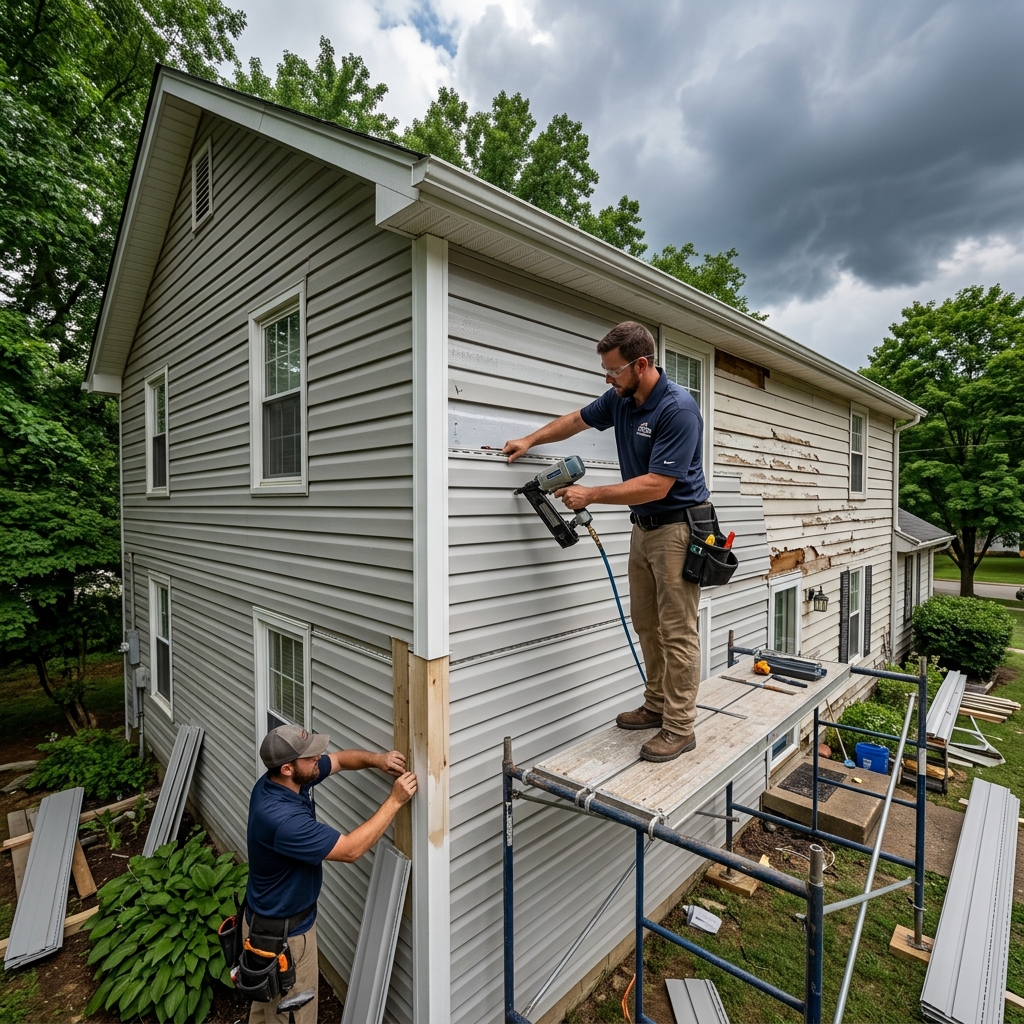
  • Small cracks or punctures that seem cosmetic
  • Discoloration or soft spots indicating moisture retention
  • Gaps opening at seams or corners
  • Visible warping or buckling panels

By the time these signs appear, damage to the substrate has usually already begun. This is why prevention through superior materials and installation is infinitely cheaper than repair.

Temperature cycling makes this worse. When materials expand and contract with seasonal temperature changes, weak siding fatigues at the seams. Poor installation that doesn’t account for this natural movement accelerates failure.

After decades serving the Louisville area, we recommend vinyl siding as the best all-around solution for Kentucky homes. Modern vinyl is engineered specifically for high-humidity, temperature-cycling environments and resists both moisture intrusion and impact damage far better than traditional materials.

Quality vinyl siding offers several distinct advantages:

  • Impact resistance rated for severe weather and hail
  • Moisture protection through multi-layer construction
  • Minimal maintenance (occasional cleaning, no painting required)
  • Thermal stability to handle Kentucky’s temperature swings
  • Long-term color retention without fading
  • Energy efficiency that reduces heating and cooling costs

We work exclusively with top-tier vinyl products designed for durability. The vinyl we install resists puncture and denting far better than budget alternatives, and our products come with warranties that reflect their quality construction. Crucially, this vinyl won’t warp or bubble under Kentucky’s high humidity and temperature extremes.

Aesthetic options have evolved dramatically. Modern vinyl siding replicates the look of wood grain, textured surfaces, and various color profiles. You’re not settling for appearance when you choose vinyl; you’re gaining durability without sacrificing how your home looks.

The investment typically ranges from $8,000-$18,000 for a full home exterior, depending on square footage and specific product selection. While that’s not trivial, it’s far less than the cost of repairing water damage or dealing with premature replacement due to poor materials.

Key Features That Make Our Siding Installation Superior

Choosing quality materials is only half the equation. Installation quality determines how well those materials perform over decades.

We approach every siding project with attention to details most contractors miss:

Proper underlayment and moisture management. We install high-quality weather barriers that channel water away from your home’s structure, even if the siding itself develops minor issues. This secondary defense prevents the moisture intrusion that causes most siding failures.

Thermal expansion accommodation. Vinyl expands and contracts with temperature changes. Improper installation that fastens panels too tightly restricts this natural movement, causing buckling and failure. We use correct fastening techniques that allow panels to move freely.

Sealed seams and transitions. Areas where different materials meet or where siding meets trim, windows, and doors are vulnerable to water intrusion. We seal these transitions properly, using compatible materials that won’t degrade under Kentucky’s climate.
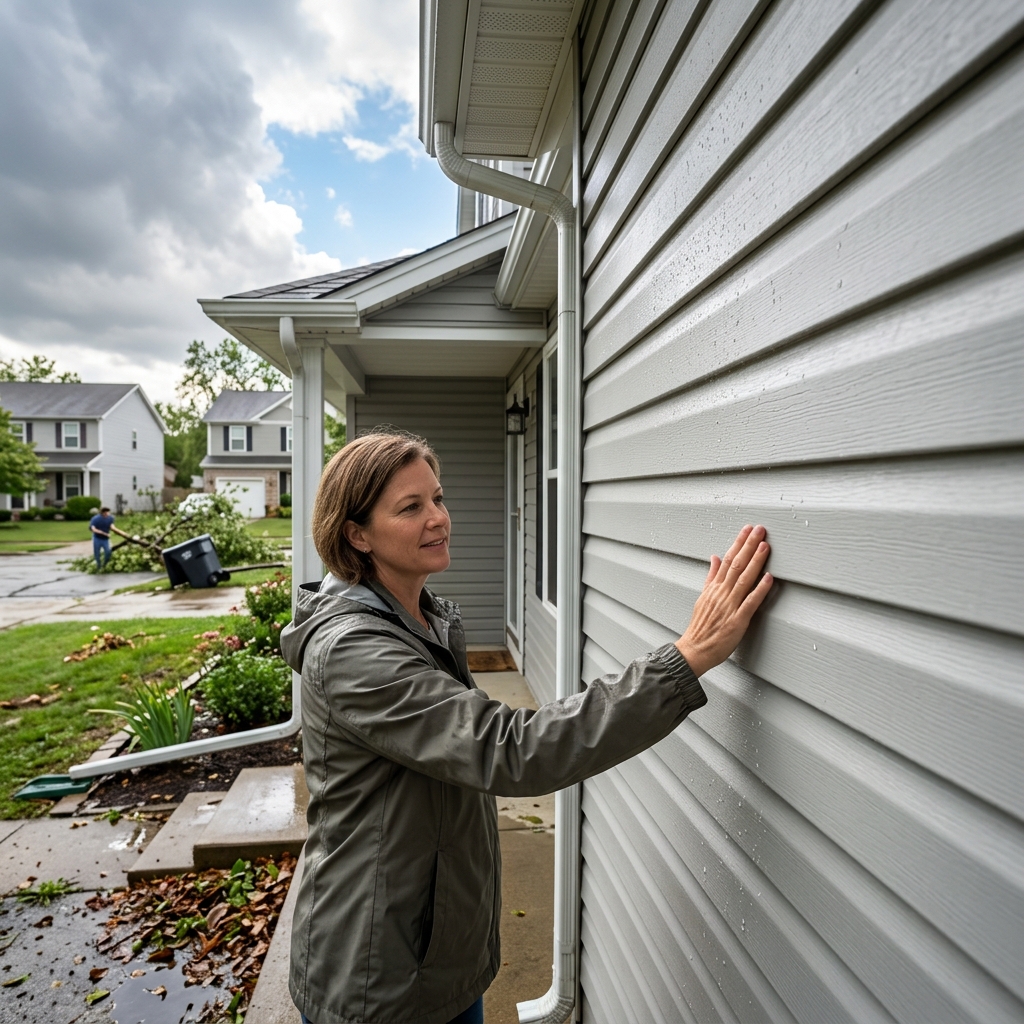
Correct fastener spacing and type. Over-fastening or using incorrect fasteners can cause buckling and reduced lifespan. We follow manufacturer specifications precisely, adjusting for Kentucky’s specific climate demands.

Flashing and water management. We integrate proper flashing at the roof line, around windows, and at foundation transitions. This prevents water from finding pathways into your home’s structure.

Our installation teams have worked on thousands of Kentuckiana homes. We’ve learned what works and what fails under our specific climate conditions, and we apply that knowledge to every project.

Storm-Resistant Siding Protects Your Investment Long-Term

Kentucky’s severe weather season demands siding that can withstand significant impact. The vinyl products we install are specifically tested for impact resistance and rated for hail up to 2 inches in diameter. This matters directly when spring storms arrive.

Beyond impact resistance, storm-ready siding includes proper fastening and sealing that keeps wind from working its way behind panels. When wind pressure increases during severe weather, your siding needs to stay locked in place. Poor installation allows siding to separate or lift away from the structure, which is when water intrusion becomes likely.

We also recommend proper gutter systems as part of comprehensive storm protection. Quality gutters and gutter guards channel water away from your siding and foundation, reducing the stress on your exterior materials during heavy rainfall. Storm damage restoration services are important, but preventing damage through superior materials and installation is always the better path.

Homeowners who invest in our siding installation sleep better during severe weather. There’s genuine peace of mind knowing your home’s exterior is built to withstand what Kentucky weather throws at it.

The Installation Process: Why Expert Craftsmanship Matters

When we begin a siding project, we start with a thorough inspection of your home’s existing structure. We assess the condition of sheathing, framing, and any previous damage that needs addressing before new siding goes up. This upfront inspection prevents problems from being hidden under new materials.

Our installation process follows a deliberate sequence:

  1. Remove existing siding and inspect the substrate for damage
  2. Repair or replace compromised sheathing or framing
  3. Install proper moisture barriers and underlayment
  4. Install new siding with correct fastening and spacing
  5. Seal all transitions, seams, and openings
  6. Install trim, flashing, and final details
  7. Final inspection and cleanup

This methodical approach takes longer than quick installations, but it ensures your siding performs as designed. Rushing the process introduces mistakes that compound over years.

We also use virtual consultation and instant estimates to help you understand the scope of work before we begin. You can see exactly what we’re addressing and why, which builds confidence in the process and the investment.

Why Jeff Home Improvements Is Your Trusted Siding Partner

We’ve served Kentuckiana homeowners since 1989, which means we’ve seen how our regional climate affects exterior materials over decades. This isn’t theoretical knowledge; it’s based on thousands of completed projects and long-term customer relationships.
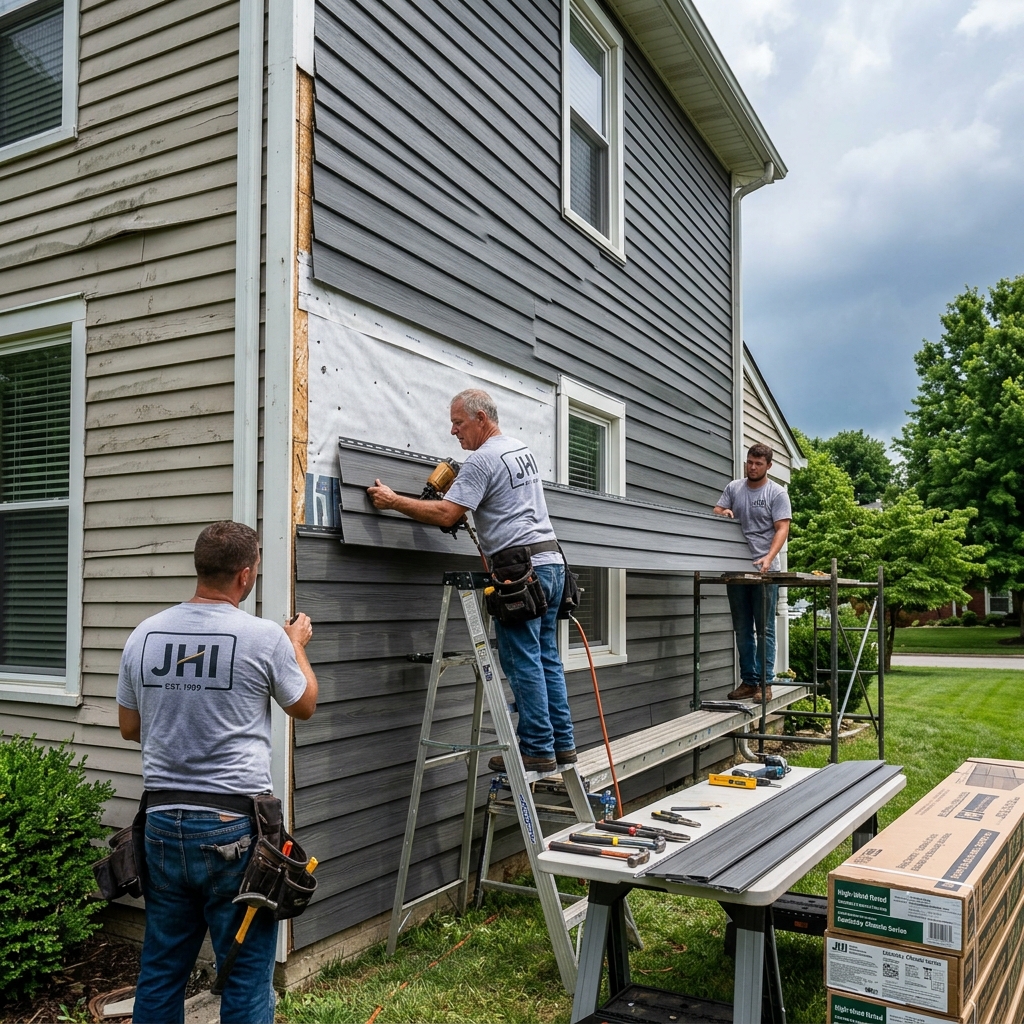
We’re an Owens Corning Platinum Preferred Contractor, which means we meet rigorous standards for product knowledge, installation quality, and customer service. That certification matters because it’s not easy to earn or maintain. We’re held to higher standards than standard contractors, and that commitment shows in our work.

Our team combines deep technical expertise with a customer-first approach. We explain what we’re doing and why, answer questions thoroughly, and deliver on our commitments. You’re not dealing with a large corporation where your project is just a number; you’re working with experienced professionals who care about your home’s outcome.

We also handle all aspects of exterior work, from siding to roofing to gutter protection. This means we can coordinate comprehensive upgrades and ensure all your exterior systems work together properly. A new roof that channels water directly onto failing siding doesn’t make sense; neither does premium siding if your roof can’t manage water flow.

Real Results: How Our Customers’ Homes Hold Up

The best validation of our approach is how customer homes perform over years and decades. We regularly hear from homeowners five, ten, even fifteen years after their siding installation. The consistent message is the same: their homes have weathered multiple severe weather seasons without issues, their energy bills remain stable, and their siding looks nearly as good as installation day.

We’ve installed siding on homes that have experienced direct hail storms, intense wind events, and the continuous humidity that characterizes Kentucky summers. These homes show minimal impact from weather while nearby homes with inferior siding materials suffer visible damage after the same events.

Property values speak loudly too. Homeowners consistently report that quality exterior upgrades, including siding, positioned their homes favorably in the market. Buyers recognize well-maintained exteriors and value the durability that comes from professional installation.

Beyond performance, customers appreciate the ongoing relationship. When questions arise or if a customer wants to address related exterior projects, we’re here. We built our business on Kentuckiana relationships, not one-time transactions.

Getting Your Durable Siding Project Started Today

If your home’s siding shows signs of age, damage, or deterioration, the best time to address it is now. Waiting allows small problems to become expensive ones. Storm season arrives reliably, and humidity never takes a break in Kentucky.

Here’s how to move forward:

Schedule a virtual consultation or request an instant estimate. We’ll assess your home’s current condition and discuss options that fit your budget and timeline. There’s no pressure, no obligation, just honest guidance about what your home needs.

Ask questions about materials and installation. We’re happy to explain why we recommend specific products and how our installation approach differs from standard practice. Understanding the “why” behind our recommendations helps you feel confident in your decision.

Plan for professional installation. DIY siding installation or hiring an inexperienced contractor is a false economy. Professional installation by teams who understand Kentucky’s climate ensures your investment performs as promised.

The cost of quality siding is real, but the cost of not addressing it eventually becomes much higher. Reach out to Jeff Home Improvements today, and let’s discuss how we can protect your home with materials and craftsmanship built for Kentucky.

Contact us today for a free in home, no obligation quote on your roof
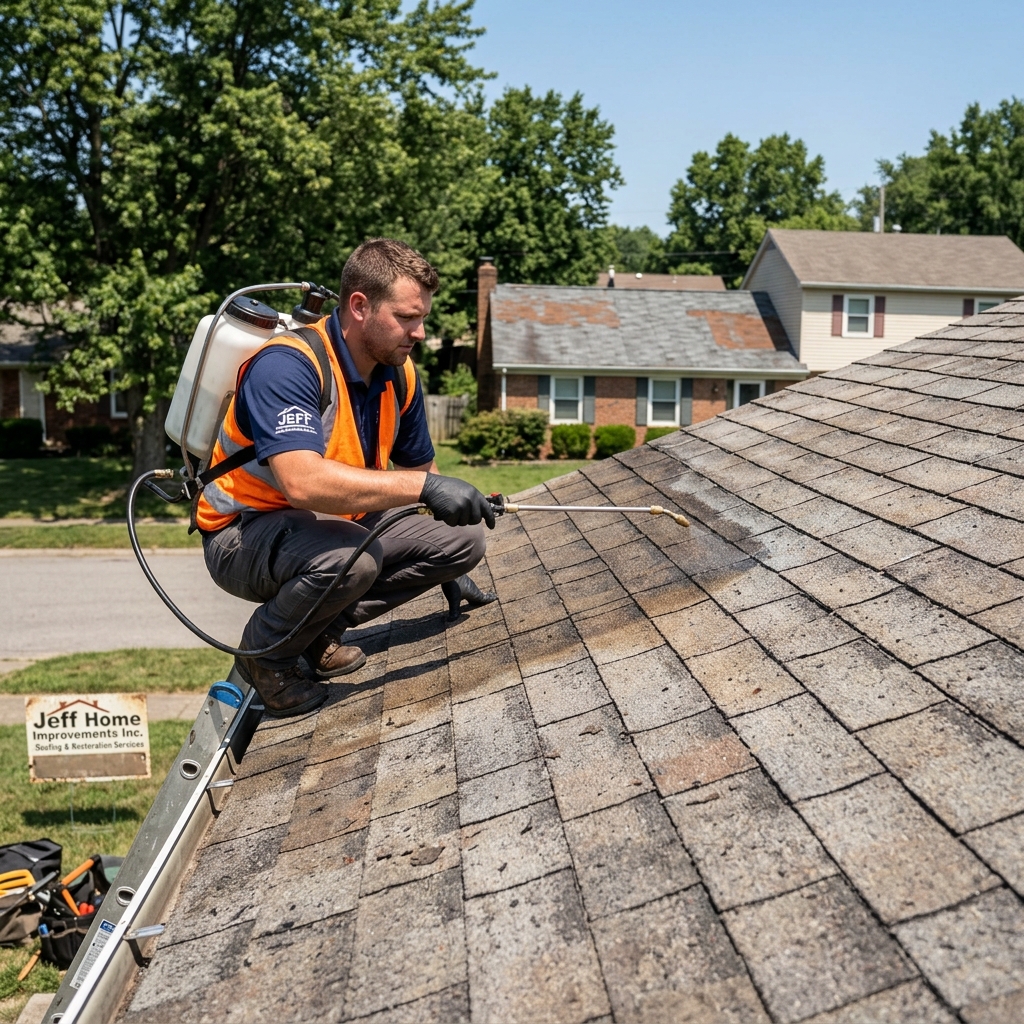
Asphalt Shingle Rejuvenation: Extend Your Roof’s Life Without Full Replacement

When Your Roof Shows Age but Replacement Feels Premature

Your roof has served you well for fifteen years. It’s not leaking, but the shingles look tired. They’ve lost that dark color, granules are washing away in storms, and you’re wondering if you need a new roof now or if you have a few more years left. Before you commit to a $15,000 or $20,000 replacement, there’s another option worth exploring.

Asphalt shingle rejuvenation is a legitimate restoration treatment that can extend your roof’s functional life by five to ten years without the cost and disruption of a full replacement. We’ve helped dozens of Louisville-area property owners preserve their existing roofs through this proven approach, and it’s saved many of them tens of thousands of dollars while buying critical time before a complete tearoff becomes necessary.

This guide walks you through how roof rejuvenation works, who it’s right for, and whether it makes sense for your situation.

Most asphalt roofs begin showing visible signs of aging between years twelve and eighteen. You notice the shingles curling at the edges, color fading to a dull gray or brown, or granule loss accelerating during storms. The roof still functions, but you sense it’s declining.

This middle-age phase creates a tough decision. A full replacement is expensive and disruptive. Yet ignoring a deteriorating roof invites leaks, structural damage, and emergency repairs. Rejuvenation bridges this gap by restoring some of the properties that time has stripped away.

We typically recommend considering rejuvenation if your roof is between twelve and twenty years old, shows cosmetic wear without active leaks, and you’d prefer to delay replacement another five to ten years. A property owner who expects to stay in their home or maintain a commercial building for another decade often finds rejuvenation a smart financial move.

The key insight here is timing. Acting while your roof is merely aging, not failing, gives rejuvenation its best chance to succeed.

Understanding Asphalt Shingle Deterioration and Loss of Effectiveness

Asphalt shingles are composite materials made from a fiberglass or organic mat core, coated with asphalt and embedded with mineral granules. Over time, several processes weaken your roof:

UV exposure breaks down the asphalt binder. Sunlight literally hardens the asphalt, making it brittle. Thermal cycling (heating and cooling) causes shingles to expand and contract, creating stress at seams and nail holes. Moisture penetration allows water to seep beneath the surface, further degrading the asphalt layer. Granule shedding removes the protective mineral coating, exposing raw asphalt beneath.

The result is a roof that becomes less flexible, more prone to cracking, and less able to repel water. Curling and cupping appear as the core shrinks faster than the outer edges. The shingles harden, losing their pliability.

Rejuvenation targets this loss of flexibility and water resistance. The treatment doesn’t reverse aging completely, but it restores enough of the asphalt’s original properties to give your roof renewed function.

Think of it like this: your roof’s asphalt has become like dried-out leather. Rejuvenation treatment works similarly to leather conditioner, penetrating back into the material and restoring some of its original suppleness and protective qualities. It won’t make a fifty-year-old roof new again, but it can add meaningful life to a roof that’s simply tired.

How Roof Rejuvenation Works: Our Proven Restoration Process

We apply an asphalt rejuvenation treatment that’s engineered to penetrate dried asphalt shingles and restore their flexibility and water resistance. The process is straightforward, though it requires professional application.

Inspection and cleaning come first. We examine your roof to confirm it’s a good candidate: no major leaks, limited damage, structurally sound substrate. We then clean the surface to remove moss, algae, and loose debris that would prevent the treatment from bonding properly.

Application of rejuvenation sealer follows. The product is sprayed or rolled onto the roof surface, where it penetrates the hardened asphalt. This restores elasticity and water-repellency that UV and weather have stripped away. Professional application ensures even coverage and proper curing.

Curing time typically requires 24 to 48 hours before your roof is exposed to rain or heavy use. The treatment needs time to fully bond with the asphalt and harden into a protective layer.

The entire process usually takes one to three days depending on roof size and complexity. Unlike a roof replacement, which requires removing and disposing of thousands of pounds of old material and installing new decking, rejuvenation is non-invasive and far less disruptive to your home or business.

We’ve found that the best results come from treating roofs that still have substantial structural integrity but are simply cosmetically aged. Roofs with multiple leaks, soft spots, or missing shingles are beyond rejuvenation and need replacement instead.

Cost Comparison: Rejuvenation Versus Full Roof Replacement

This is the economic heart of the decision.

A full asphalt roof replacement for a typical Louisville home runs between $15,000 and $25,000, depending on roof pitch, size, and material quality. A commercial roof can easily exceed $50,000 or more. Costs include labor, material, removal and disposal of old roofing, and potential repairs to underlying structure.

Asphalt shingle rejuvenation costs significantly less. For a standard residential roof, you’re typically looking at $2,000 to $6,000 for professional treatment. A commercial roof might be $5,000 to $12,000. The treatment itself is the primary expense; there’s minimal waste removal and no structural labor.

Over a decade, the math becomes clear. If rejuvenation extends your roof’s life by seven years, you’ve avoided replacement costs for seven years while spending a fraction of the replacement price. If you ultimately do need a replacement, you’ll have delayed it long enough to spread the cost across a longer timeline and potentially benefit from inflation adjustments in your budget.

Here’s a realistic scenario: a homeowner with a fifteen-year-old roof might invest $4,000 in rejuvenation today, gaining five to seven years of additional life. That same homeowner avoids a $20,000 replacement for seven years. Even if they eventually do replace the roof, they’ve saved $16,000 in today’s money while buying time.

Rejuvenation isn’t cheaper forever, but it’s substantially cheaper now, and it directly addresses the gap between “my roof still works” and “my roof needs replacing today.”

Which Roofs Qualify for Our Restoration Services

Not every aging roof is a good candidate for rejuvenation. We use clear criteria to determine if your roof will benefit from treatment.

Structural integrity is non-negotiable. The underlying roof deck must be sound. If there are soft spots, rot, or sagging, the structural problem must be addressed before rejuvenation. A cosmetic treatment won’t help a roof with compromised support.

Active leaks rule out rejuvenation. If water is currently penetrating into your home or building, we address the leak with repair or replacement, not rejuvenation. The treatment restores water resistance to the shingle surface, not to roofs already failing.

Age range matters. We typically see the best results on roofs between twelve and twenty years old. Younger roofs haven’t deteriorated enough to need it; older roofs may be too compromised.

Shingle condition should be fair to good overall. Missing shingles, significant cracking, or large patches of bare spots are red flags. We want to rejuvenate roofs that are tired but intact.

Roof pitch and access must be safe. Steeper roofs require additional precautions. We assess whether our crews can safely apply the treatment without risk.

During our initial assessment, we evaluate each of these factors. We’re honest about candidacy: if your roof won’t benefit from rejuvenation, we’ll tell you and discuss replacement options instead. Our goal is to recommend the approach that actually serves your situation best, not to push a treatment that won’t deliver results.

The Long-Term Benefits of Choosing Rejuvenation Over Replacement

Beyond immediate cost savings, rejuvenation offers strategic advantages for property owners focused on long-term value.

Preserved roof age. If you eventually replace your roof, the rejuvenated roof is still fifteen or sixteen years old, not twenty-two or twenty-three. Depending on your mortgage timeline or property plans, this can affect insurance rates, resale value, and financing terms.

Extended planning window. Rejuvenation buys you five to ten years to save for a replacement, plan a property renovation around new roofing, or adjust your timeline based on life circumstances. That breathing room is valuable.

Reduced waste and environmental impact. A full roof replacement generates significant landfill waste. Rejuvenation avoids tearing off thousands of pounds of old material. If you care about your environmental footprint, extending your roof’s life through rejuvenation is the more responsible choice.

Reduced disruption to occupants. Whether you’re a homeowner or commercial building manager, a full roof replacement is noisy, disruptive, and takes multiple days. Rejuvenation is quieter and faster, with minimal impact on daily life or business operations.

Improved roof appearance. While rejuvenation can’t fully restore original color, it does darken the shingles and improves overall appearance. Your roof looks better maintained, which positively affects your property’s curb appeal and perceived condition.

Flexibility in material choices for future replacement. If you delay replacement by seven years, you have more time to research newer materials, compare manufacturers, and plan an upgrade to premium products like impact-resistant or solar shingles.

The compounding value of these benefits grows the longer you own or manage the property.

Our Track Record with Louisville-Area Roof Restoration Projects

Since 1989, we’ve completed thousands of roofing projects across Louisville and Kentuckiana, including more than two hundred roof rejuvenation treatments over the past decade. Our experience spans residential homes, apartment buildings, commercial facilities, and industrial structures.

One project that stands out involved a commercial property in the Highlands with a seventeen-year-old flat-roof system showing significant age. The owner faced a $60,000 replacement. We recommended rejuvenation paired with targeted repairs to compromised sections. The treatment cost $8,000 and extended the roof’s life by an additional six years, saving the business tens of thousands while allowing them to plan for replacement on their schedule.

Another case involved a homeowner in Jeffersontown whose roof had reached year fourteen. Despite proper maintenance, granule loss and fading were accelerating. Rejuvenation treatment for $3,500 restored the roof’s water resistance and improved appearance dramatically. Three years later, the property owner reported zero new leaks and was confident in the roof’s condition for at least another four years.

These aren’t exceptional outcomes, but representative of what we see regularly. Our as Owens Corning Platinum Preferred Contractors, we maintain strict standards for materials and application. We track treatment performance across seasons and climates, and our approach is based on documented results, not speculation.

What distinguishes our rejuvenation work is honesty about candidacy and follow-up. We don’t treat roofs that won’t benefit, and we maintain contact with customers to monitor long-term performance and help plan for eventual replacement when the time comes.

Getting Started with a Professional Assessment from Our Team

If you’re considering rejuvenation for your Louisville or Kentuckiana property, the first step is a professional roof assessment. This evaluation determines candidacy and informs whether rejuvenation makes sense.

Here’s what to expect:

Schedule a virtual or on-site consultation. We offer both options depending on your preference. We can discuss your roof’s age, condition, and your timeline via phone or video, or we can visit your property for a hands-on evaluation.

We inspect structural integrity. Our team examines the roof deck, identifies any soft spots or damage, and assesses whether the foundation is sound enough for rejuvenation.

We evaluate shingle condition. We look at granule loss, cracking, curling, and overall wear. This determines whether your roof has enough life remaining to benefit from treatment.

We provide an honest recommendation. If rejuvenation is viable, we explain the process, timeline, and expected lifespan extension. If replacement is more appropriate, we’ll detail that instead and discuss options.

We offer an instant estimate. We provide transparent pricing for either rejuvenation or replacement, with no hidden fees or surprise costs.

You can request an assessment by visiting our website at https://jeffroof.com or calling our office directly. We serve the entire Louisville and Kentuckiana area, and we offer virtual consultations for convenience.

Why Rejuvenation Makes Sense for Your Kentuckiana Property

Asphalt shingle rejuvenation is a practical middle path between ignoring an aging roof and replacing it prematurely. It’s not a permanent solution, but it’s a legitimate extension strategy that saves money, reduces disruption, and buys you time.

The treatment works best for property owners who are several years into a roof’s life, want to delay major capital expenses, and have a roof that’s aging cosmetically but not failing functionally. If that describes your situation, rejuvenation deserves serious consideration.

We’ve guided countless homeowners and building managers through this decision. Our role is to assess your specific roof, explain your options honestly, and recommend the approach that genuinely serves your interests. Sometimes that’s rejuvenation. Sometimes it’s repair. Sometimes it’s replacement. We help you figure out which makes sense for your property and your timeline.

If you’d like to explore whether your roof is a candidate for rejuvenation, reach out to us. A professional assessment costs nothing and removes guesswork from the decision. We’re here to help you extend your roof’s life intelligently.

For further reading: Louisville roofing contractor.

Contact us today for a free in home, no obligation quote on your roof
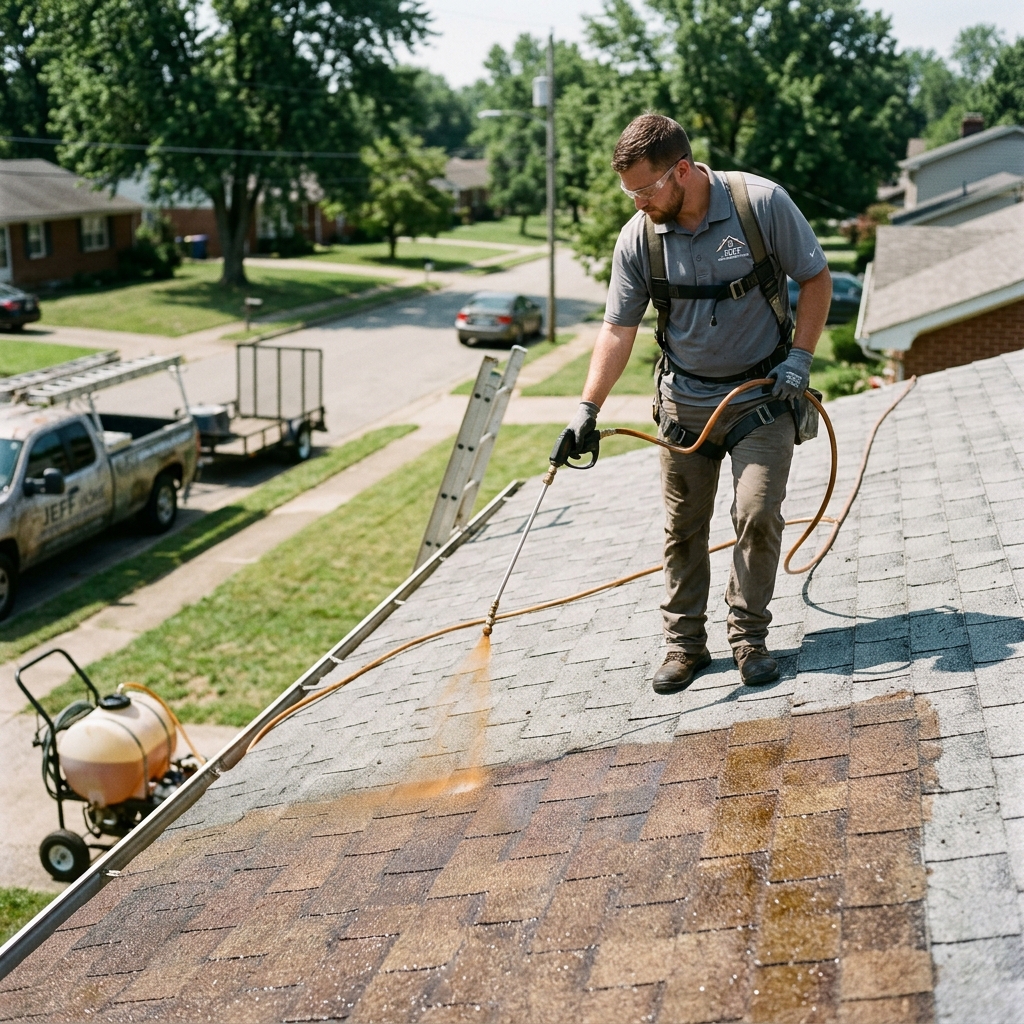
Top 7 Best Reasons to Combine Siding and Window Replacement Projects

1. Save Time With Coordinated Project Scheduling

When your home’s siding shows its age or your windows start losing their tight seals, it’s tempting to tackle them one project at a time. But that approach often costs more money, stretches timelines, and creates unnecessary hassle for your household. Here at Jeff Home Improvements Inc., we’ve worked with hundreds of Kentuckiana homeowners who discovered that pairing siding and window replacement delivers far better results than handling them separately.

Combining these two exterior projects isn’t just about convenience. It’s a strategic decision that touches everything from your utility bills to your home’s curb appeal to the day-to-day disruption your family experiences. Whether you’re in Louisville or elsewhere in the Kentuckiana area, understanding why contractors and homeowners favor bundled exterior work can help you make smarter decisions about your property.

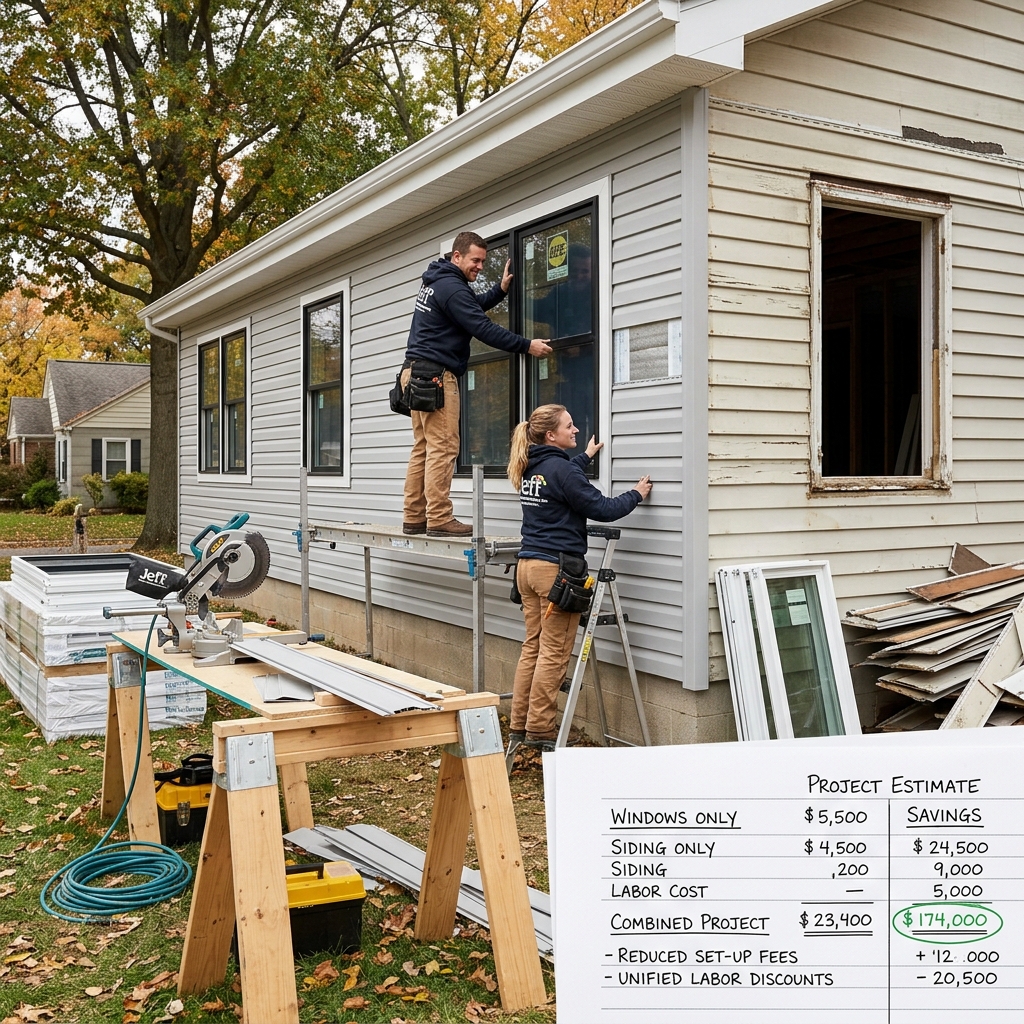
Managing two separate projects means two distinct timelines, two sets of contractors arriving at different times, and two periods of disruption. When we combine siding and window replacement, our teams coordinate from day one, which dramatically compresses the overall schedule.

Think of it this way: a standalone siding project typically takes 7-10 days for an average home. Windows alone might take 3-5 days. Staggered separately, you’re looking at 10-15 days of active work spread across weeks or months. When we coordinate them together, we often complete both in 8-12 days because crews work synergistically. Our team can install replacement windows and flash the siding simultaneously rather than waiting for one trade to finish before the next begins.

Coordinated scheduling also means fewer weather delays. Instead of closing your project, waiting for conditions to improve, then reopening it for a second trade, we maintain momentum throughout. Our crews know the sequence in advance, materials arrive on the right dates, and we stick to the schedule with minimal interruption.

Real-world example: A Louisville homeowner needed new vinyl siding plus replacement windows on their ranch-style home. Scheduling them separately would have extended the project across two months with two separate mobilization periods. By bundling them, we completed everything in nine days with a single crew presence and one coordinated material delivery.

What to do next: When requesting estimates for exterior home renovations, ask contractors specifically about coordinated timelines. Request a detailed schedule showing how both trades interact and what day-by-day progress looks like.

2. Maximize Energy Efficiency Across Your Exterior

Your home’s thermal performance depends on how well all exterior components work together. Installing energy-efficient windows while keeping old siding creates a thermal disconnect. Conversely, upgrading siding without addressing window performance leaves significant energy waste untreated.

Modern replacement windows with low-emissivity glass and insulated frames reduce heat transfer substantially. When paired with quality vinyl siding and proper insulation, these upgrades create a unified thermal envelope that keeps conditioned air inside where it belongs. We’ve seen homeowners reduce heating and cooling costs by 15-25 percent when they combine these projects strategically.

The siding piece matters more than many realize. Vinyl siding we install comes with integrated foam backing that adds R-value to your exterior walls. Combined with weather-resistant barriers and proper installation, this approach significantly boosts overall home insulation. New windows seal air leaks around window frames that old windows couldn’t prevent. Together, they’re exponentially more effective than either upgrade alone.

Here’s what makes this compelling: a 2,000-square-foot home with single-pane or older double-pane windows loses enormous amounts of conditioned air around window perimeters. Poor siding installation or deteriorated siding allows air infiltration at seams and edges. When both problems exist, your HVAC system works constantly to compensate. We eliminate both problems simultaneously, which is why the energy savings are so dramatic.

Action step: During your consultation, ask us to perform a thermal assessment of your current siding and windows. We can show you where the biggest energy losses occur and quantify potential savings from upgrades.

3. Achieve a Cohesive Aesthetic for Your Home

Your home’s exterior tells a story. Mismatched materials, inconsistent colors, and design elements that don’t work together make even well-maintained properties look disjointed. When siding and windows are replaced separately, they often don’t coordinate aesthetically.

We help homeowners select complementary materials and colors that elevate the entire property appearance. Modern vinyl siding comes in dozens of color options, including sophisticated earth tones and bold contemporary shades. Replacement windows can match these palettes through frame colors, trim options, and hardware selections. When we coordinate both projects, we ensure every element harmonizes visually.

Think about the typical scenario: a homeowner replaces windows with standard white frames and trim. Years later, they upgrade to new siding in a warm gray or taupe. Now the white windows stand out awkwardly against the new siding. This mismatch is especially noticeable in transitional areas where window casings meet siding. Combined projects eliminate this problem entirely. We select materials and finishes in the same planning phase so everything integrates seamlessly.

The architectural style of your home matters too. A craftsman-style home benefits from different window and siding treatments than a modern minimalist design or a traditional colonial. When we tackle both upgrades together, we respect your home’s character while bringing it into contemporary relevance. The result is a property that looks intentionally designed rather than randomly updated.

Next step: Request design consultation samples showing color combinations and material pairings. Ask to see before-and-after photos of homes similar to yours where both projects were coordinated.

4. Reduce Overall Project Costs Through Combined Work

Budget constraints are real, and they influence most home improvement decisions. Here’s the financial reality: combining projects costs less than completing them separately because we eliminate redundant expenses and negotiate better material pricing.

Separate projects mean separate mobilization costs. Every time a crew arrives, there’s setup, planning, and equipment placement. We repeat these expenses for windows, then again for siding. Combined projects require single mobilization. Our team arrives once, establishes a jobsite operation, and completes both tasks efficiently. That difference alone typically saves 10-15 percent on labor overhead.

Material purchasing power increases dramatically when we order larger volumes. A single window replacement order doesn’t give us the same purchasing leverage as combining windows plus siding materials. We pass these savings directly to our customers. Additionally, fewer project management touchpoints and reduced administrative overhead lower your overall costs.

Let’s quantify a typical scenario: a mid-size home needing both exterior upgrades might face $12,000-15,000 for separate projects. Bundling them together often reduces costs to $10,000-13,000 while actually improving quality through coordinated installation. You’re saving money while getting a better final result.

There’s also the hidden cost of disruption. Multiple projects mean multiple periods of yard access, multiple opportunities for weather delays to affect one project or the other, and multiple chances for scheduling conflicts. Bundled work reduces these friction points, protecting you from additional expenses that often arise when projects overlap unpredictably.

What to request: Ask contractors to provide itemized estimates showing labor, materials, and overhead costs for combined work versus separate projects. This transparency helps you understand exactly where savings occur.

5. Minimize Disruption to Your Daily Life

Home improvement projects create temporary chaos. Crews arrive early, work loudly, park in your driveway, and need access to your property for extended periods. Spreading this disruption across two separate projects doubles the impact on your household.

When we combine siding and window replacement, your family experiences one concentrated period of activity rather than two extended periods. Your kids navigate around equipment once instead of twice. You adjust your routine once rather than twice. Your pets deal with construction noise for one continuous period instead of interruptions spread across months. While the daily intensity might be slightly higher, the overall burden on your household is substantially lower.

Coordinated projects also mean a single completion date. You’re not living with partially completed exterior work or dealing with temporary protection measures for weeks on end. Once our crews finish, everything is done. No follow-up visits, no delayed final touches, no extended transition periods.

There’s a psychological benefit too. Homeowners often find extended project timelines emotionally draining. Planning, coordination, and uncertainty stretch decision fatigue. Combined projects compress this mentally taxing period into a shorter, more manageable timeframe. Crews arrive, work efficiently, and leave. Your life returns to normal faster.

Action: When discussing your project timeline, ask contractors how they’ll minimize disruption during peak work hours. Inquire about parking arrangements, noise management, and daily site cleanup schedules.

6. Ensure Consistent Quality Workmanship Throughout

Quality installation depends on skilled tradespeople, proper techniques, and attention to detail. When siding and windows are installed by different contractors at different times, quality consistency becomes a significant challenge.

We maintain consistent quality standards because the same team oversees both projects from planning through completion. Our installers understand how siding interfaces with windows. They know proper flashing techniques, weatherproofing sequences, and finishing details that make the difference between average work and exceptional craftsmanship. As an Owens Corning Platinum Preferred Contractor, we’ve been trained and certified in industry best practices for both window and siding installation.

Separate contractors often don’t coordinate on these crucial interface points. A window installer might complete their work without considering how the siding contractor will flash around new frames. A siding crew might install materials without ensuring proper drainage behind windows. These disconnects create vulnerabilities to water intrusion and eventual damage.

Our unified approach includes quality checkpoints at every phase. Once siding is prepped and ready, windows are installed with proper flashing and sealing. Once windows are secured, siding wraps around them with continuous weather barriers. This sequence is deliberate, each step building on the previous one to create a weather-tight exterior that functions as designed.

We also stand behind our work with comprehensive warranties that cover both siding and windows under a single agreement. This accountability encourages us to do everything right the first time because we’re responsible for the entire exterior system, not just individual components.

Next step: Ask potential contractors about their training certifications and manufacturer partnerships. Confirm they’re approved installers for the products they recommend, not just resellers.

7. Increase Your Home’s Resale Value Significantly

Whether you’re planning to sell soon or simply want to build equity, home improvements should increase your property’s market value. Here’s what matters to buyers: updated exteriors that look maintained, energy-efficient features that reduce utility costs, and cohesive design that suggests quality throughout.

Replacing siding and windows together addresses all three buyer priorities simultaneously. Potential buyers walk up to your home and see a well-maintained, contemporary exterior. They learn the windows are new with energy-efficient ratings. They discover the siding is modern, durable vinyl with integrated insulation. This coordinated presentation suggests a property that’s been thoughtfully maintained rather than piecemeal updated.

The financial impact is substantial. According to homeowner reports and real estate data, window replacement typically returns 70-80 percent of costs in increased home value. Siding replacement returns 80-90 percent. When combined strategically, these projects often return 85-95 percent of investment at resale because they create a cohesive first impression and deliver measurable energy efficiency improvements.

Consider the market perspective: a home with newer siding but original windows raises questions. Why upgrade one exterior element but not the other? Buyers wonder if there’s a problem with the windows or if budgets simply ran out. Combined upgrades eliminate this mental friction. Everything matches, everything is new, everything works together. This clarity increases confidence in the property and translates to higher offer prices.

The aesthetic and functional improvements also expand your potential buyer pool. Energy-conscious buyers appreciate the efficiency gains. Style-focused buyers appreciate the cohesive design. Practical buyers appreciate the reduced maintenance needs. You’re not marketing to a narrow segment, you’re appealing to multiple buyer priorities simultaneously.

What to discuss: When planning your exterior improvements, ask contractors about the specific value-add associated with coordinated siding and window replacement. Request data on how completed projects compare to market values for similar properties in your area.

At Jeff Home Improvements Inc., we’ve been serving the Louisville and Kentuckiana area since 1989 because we understand that your home is your most significant investment. When you decide to upgrade your exterior, you deserve a contractor who thinks strategically about how projects interconnect and who coordinates them for maximum benefit.

Combining siding and window replacement isn’t just a convenient option. It’s the smarter approach to home improvement. You save time with coordinated scheduling, maximize energy efficiency, achieve beautiful cohesive design, reduce costs through bundled work, minimize disruption, ensure consistent quality, and increase your home’s resale value. That’s why experienced homeowners choose this path.

Ready to explore what coordinated exterior improvements can do for your property? We’re here to help you plan a project that delivers exceptional results while fitting your budget and timeline. Contact us today for a virtual consultation and instant estimate. We’ll show you exactly how much you can accomplish when siding and window replacement work together.

Contact us today for a free in home, no obligation quote on your roof
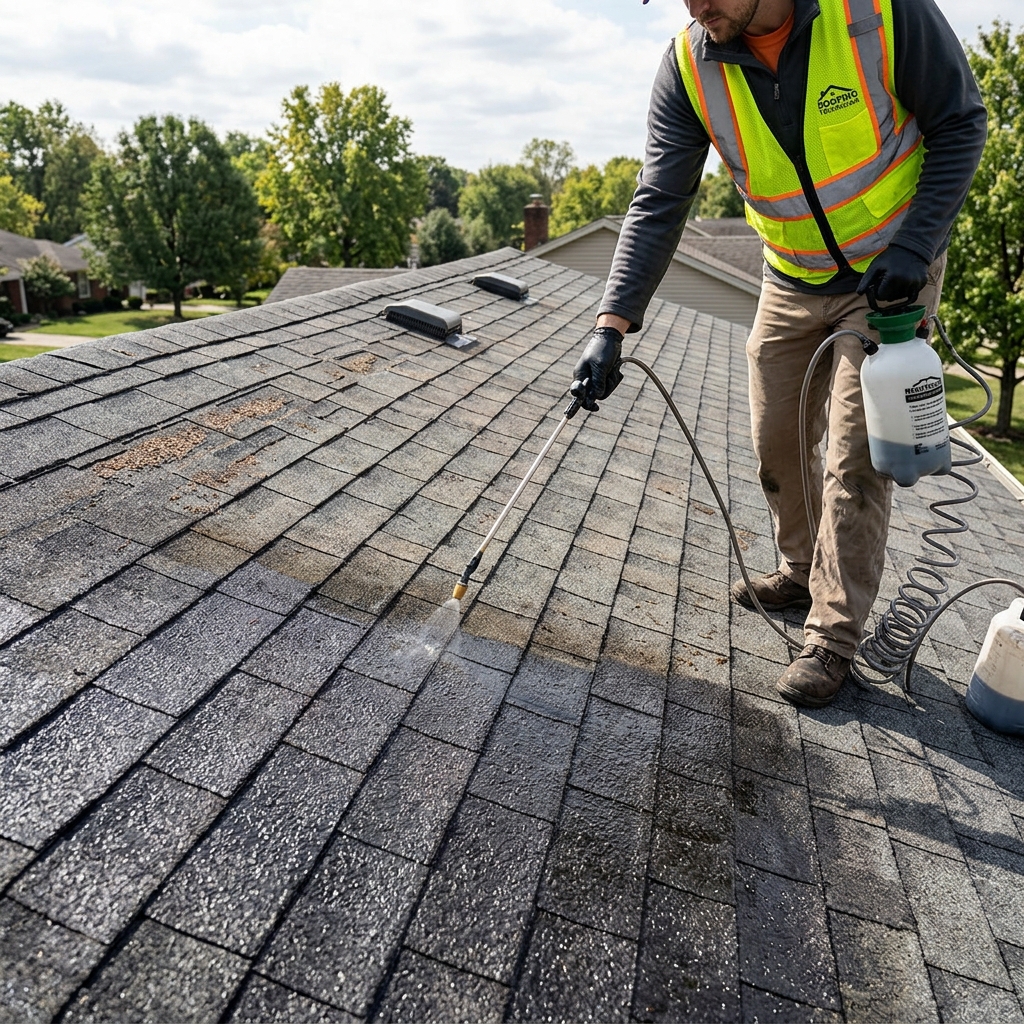
How to Vet a Roofing Contractor: Red Flags Checklist for Louisville Homeowners

Why Hiring the Wrong Roofer Costs You Thousands

Choosing the wrong roofing contractor can drain your wallet faster than a roof leak. A bad hire might mean substandard workmanship, inflated costs, incomplete repairs, or worse, legal headaches when something goes wrong. In the Louisville area, where weather patterns bring everything from spring storms to heavy seasonal shifts, your roof needs professional care from someone who knows the local climate and building codes.

We’ve been in the roofing business since 1989, and we’ve heard countless stories from homeowners who regret rushing their contractor search. This guide walks you through the vetting process so you can hire with confidence.

A poorly installed roof isn’t just an aesthetic issue. It’s a structural and financial problem that compounds over time. Improper installation can void manufacturer warranties, cause premature leaks, and necessitate costly repairs or complete replacement within a few years instead of decades.

Consider a real scenario: A homeowner contracts with an unlicensed roofer who offers a price 30% below market rate. The work seems complete, but within two years, water intrusion develops in the attic. The manufacturer’s warranty doesn’t apply because the roofer wasn’t certified. The homeowner now faces $8,000 to $15,000 in water damage remediation, mold inspection, and re-roofing with a legitimate contractor.

Beyond the direct costs, a failed roof can affect your home’s resale value and create liability issues if someone is injured on your property due to unsafe roofing work. Insurance companies may refuse claims tied to unpermitted work.

What to do next: Before you contact any contractor, make a list of three to five companies you’re considering. This article will help you evaluate each one systematically.

Verify Licensing and Insurance Requirements

Kentucky requires roofers to hold a valid license, and the state maintains a database you can check. Before signing any contract, verify that your contractor holds an active, unrestricted license through the Kentucky State Board of Licensure for Contractors.

The second critical step is confirming insurance. Your contractor should carry both general liability insurance and workers’ compensation coverage. If a worker is injured on your property and the contractor lacks workers’ comp, you could be held liable. General liability protects you if the contractor damages neighboring properties or causes other accidents.

Ask for certificates of insurance directly from the contractor. Call the insurance company to confirm the policy is active and covers roofing work specifically. Some policies exclude certain types of work, so verification matters.

In Kentucky’s Kentuckiana region, where weather events are common, many insurance carriers have strict underwriting. Verify your contractor’s policy is current and that coverage limits are appropriate for your project scope. Most reputable contractors won’t hesitate to provide this information.

Actionable steps:

  • Request the contractor’s license number and verify it on the Kentucky State Board of Licensure website
  • Ask for a certificate of insurance showing active coverage
  • Confirm workers’ compensation is listed (not just general liability)
  • Note the policy expiration dates and verify they extend beyond your project timeline

Check References and Past Project Reviews

References reveal how a contractor actually performs once the contract is signed. Ask potential roofers for at least three recent residential projects in the Louisville area and contact those homeowners directly. Avoid references that are friends or family members.

When you call a reference, ask specific questions: Was the work completed on time? Did the contractor clean up debris properly? Were there any unexpected issues, and how did the contractor handle them? Did the homeowner encounter any leaks or problems after completion? Would they hire this contractor again?

Online reviews on Google, Yelp, and the Better Business Bureau offer another layer of insight. Look for patterns in feedback rather than obsessing over a single bad review (any contractor serving hundreds of clients will have the occasional dissatisfied customer). Red flags include consistently low ratings, complaints about unfinished work, or many reviews mentioning poor communication.

Our experience shows that contractors with transparent, verifiable project histories stand out. We maintain a portfolio of local Louisville projects and encourage homeowners to see the work in person or speak with recent clients. That level of transparency builds trust.

Quick reference check:

  • Request three to five recent project contacts in your area
  • Call and ask about timeline, quality, cleanup, and post-completion satisfaction
  • Search online for reviews and look for patterns, not isolated complaints
  • Ask for before-and-after photos or visit completed projects if possible

Identify Storm Chaser Red Flags

Storm chasers are contractors who descend on neighborhoods after severe weather, offering aggressive sales tactics and urgency-driven pitches. They often operate across multiple states, use high-pressure sales techniques, and disappear if issues arise post-project.

Storm chaser red flags include:

  • Showing up at your door uninvited after a storm with estimates ready
  • Offering to handle insurance negotiations or claims in ways that feel too good to be true
  • Providing estimates on the spot without a detailed site inspection
  • Requesting large upfront deposits before work begins
  • Using temporary office space or no permanent local address
  • Promising financing deals that seem designed to pressure you into signing quickly

In Louisville, after significant weather events, these operators flood the market. They prey on homeowners who are stressed, disoriented, and eager for quick repairs. Many disappear once they’ve received payment, leaving homeowners without recourse.

Legitimate local contractors like ourselves build long-term relationships with the community. We’re here before, during, and after storms, with permanent operations and accountability. We don’t arrive with clipboards immediately after hail; instead, we respond to your calls when you’re ready.

Spotting storm chasers:

  • Check if the contractor has a permanent Louisville office and has been operating in your area for years
  • Verify they have a local phone number and physical address, not just a toll-free number
  • Never accept an unsolicited quote at your door
  • Research the company’s history and ownership to confirm stability

Evaluate Warranty and Written Estimates

Every reputable roofing contractor provides written estimates that itemize materials, labor, timeline, and cleanup responsibilities. An estimate should be detailed enough that you understand exactly what you’re paying for.

Warranties are equally critical. Roofing comes with manufacturer warranties (covering material defects, typically 15 to 50 years depending on the product) and workmanship warranties (covering installation quality, typically 5 to 10 years). Your contractor should clearly explain both in writing.

Be wary of estimates that are vague, missing critical details, or surprisingly low compared to competitors. A price 50% below other quotes usually signals cut corners, inexperienced labor, or a bait-and-switch scenario where hidden costs emerge mid-project.

When comparing estimates, look for consistency in what’s included. One contractor might include gutter guards, a complete cleanup, and a 10-year workmanship warranty, while another excludes these items. Apples-to-apples comparison ensures you’re not accidentally choosing the cheapest option because you’re missing key services.

Estimate evaluation checklist:

  • Written estimate with line-item breakdown of all costs
  • Clear description of materials (brand, grade, color)
  • Workmanship warranty terms in writing
  • Manufacturer’s warranty documentation
  • Project timeline with start and completion dates
  • Cleanup and debris removal specified

Ask About Owens Corning Certification

We’re proud to be an Owens Corning Platinum Preferred Contractor, a distinction that reflects our commitment to quality and expertise. This certification means Owens Corning has verified our licensing, insurance, training, and track record of professional installations.

Owens Corning Platinum status isn’t automatic. Contractors must meet rigorous standards in training, customer service, and installation quality. We maintain this status by continuing education, adhering to Owens Corning’s installation specifications, and achieving customer satisfaction metrics.

When a contractor holds Platinum Preferred status with a major manufacturer, it’s a signal that they’ve invested in excellence and are willing to be held accountable. It also means you have additional recourse through Owens Corning if issues arise, as the manufacturer maintains oversight of certified contractors.

Ask any contractor whether they’re certified with Owens Corning, GAF (another top manufacturer), or other national brands. These certifications are not industry-required, but they’re strong indicators of professional commitment. Contractors should be willing to show you certification documentation without hesitation.

What to look for:

  • Ask “Are you a certified Owens Corning Platinum Preferred Contractor?” or similar
  • Request proof of current certification
  • Understand what the certification covers (materials, installation, warranty)
  • Confirm the contractor follows the manufacturer’s installation protocols

Red Flags in Pricing and Pressure Tactics

Pricing is the area where homeowners get most vulnerable. You’ve received three estimates, and one is significantly lower. The temptation to save money is natural, but price rarely reflects actual value in roofing.

Pressure tactics accompany low-ball pricing. Language like “This offer is only good today,” “We’re finishing jobs in your neighborhood and can start next week,” or “The price will go up if you don’t decide now” signals a contractor more interested in volume than quality. Legitimate contractors are confident in their work and don’t need artificial urgency.

Another red flag is requesting large deposits upfront, especially before materials are ordered or work begins. A reasonable deposit is typically 25% to 50%, with the remainder due upon completion. If a contractor wants 75% or 100% upfront, they’re shifting financial risk onto you.

Be cautious of contractors who seem more interested in discussing financing options than discussing the actual work scope. Financing can be helpful, but it shouldn’t be the sales focus. The job itself should be the priority.

Hidden costs emerge during projects when corners have been cut in the estimate. You’ll be told “We discovered additional damage that requires extra work” or “The underlayment is worse than expected,” adding thousands to your bill. Proper inspections during the estimate phase prevent most of these surprises.

Pricing red flags to avoid:

  • Estimates far below market rate for your area
  • High-pressure language with artificial deadlines
  • Requests for large upfront deposits (over 50%)
  • Vague estimates that don’t itemize materials and labor
  • Reluctance to provide references or proof of licensing

How We Help You Hire Confidently

Our approach at Jeff Home Improvements Inc. addresses every concern outlined in this guide. When you contact us for a roof replacement, storm damage repair, or exterior work, you’re working with a Louisville roofing contractor with three decades of local experience and transparent practices.

We provide detailed written estimates with no surprises. Our team conducts thorough inspections to identify any underlying issues before we start, so you know exactly what you’re getting. We carry full licensing, liability, and workers’ compensation insurance. We’re an Owens Corning Platinum Preferred Contractor, meaning every installation meets manufacturer specifications and comes with robust warranties.

We also offer virtual consultations for your convenience, so you can discuss your project without scheduling an in-home visit if that’s not immediately necessary. When we do inspect your roof, our estimates are accurate and comprehensive. We don’t use pressure tactics, and we respect your timeline.

If a storm damages your home, we help with the insurance claim process, but we’re transparent about what your policy covers and what it doesn’t. We won’t misrepresent damage or encourage fraudulent claims. Our reputation is built on doing excellent work ethically.

Why choose us for peace of mind:

  • 30+ years in the Kentuckiana area with established reputation
  • Owens Corning Platinum Preferred Contractor status
  • Full licensing and insurance verified
  • Detailed written estimates with no hidden costs
  • Virtual consultations and instant estimates available
  • Transparent warranty and post-project support

Next Steps for Finding Your Trusted Roofer

Start by making your list of three to five contractors. Run each through the checklist above: verify licensing and insurance, call references, check online reviews, and request detailed written estimates. During conversations, note how they communicate. Do they answer questions patiently? Do they explain options clearly? Do they respect your timeline or push for quick decisions?

Compare estimates side by side, ensuring you’re evaluating the same scope of work. The lowest price might feel attractive, but the middle or slightly higher estimate from a certified, well-reviewed contractor is usually the best investment.

Once you’ve narrowed your selection, ask the contractor questions about their process for your specific project. If you’re addressing storm damage, ask how they’ll handle insurance coordination. If you’re replacing an aging roof, ask about material options and longevity. A contractor who engages thoughtfully with your situation is one you can trust.

We’re here if you’re ready to move forward with a licensed, certified roofer in the Louisville area. Contact us for a virtual consultation or to schedule a site inspection. We’ll provide an instant estimate so you can compare apples to apples with other quotes. Your roof is one of your home’s most important assets, and it deserves professional care from someone who’s been doing this right for decades.

Contact us today for a free in home, no obligation quote on your roof
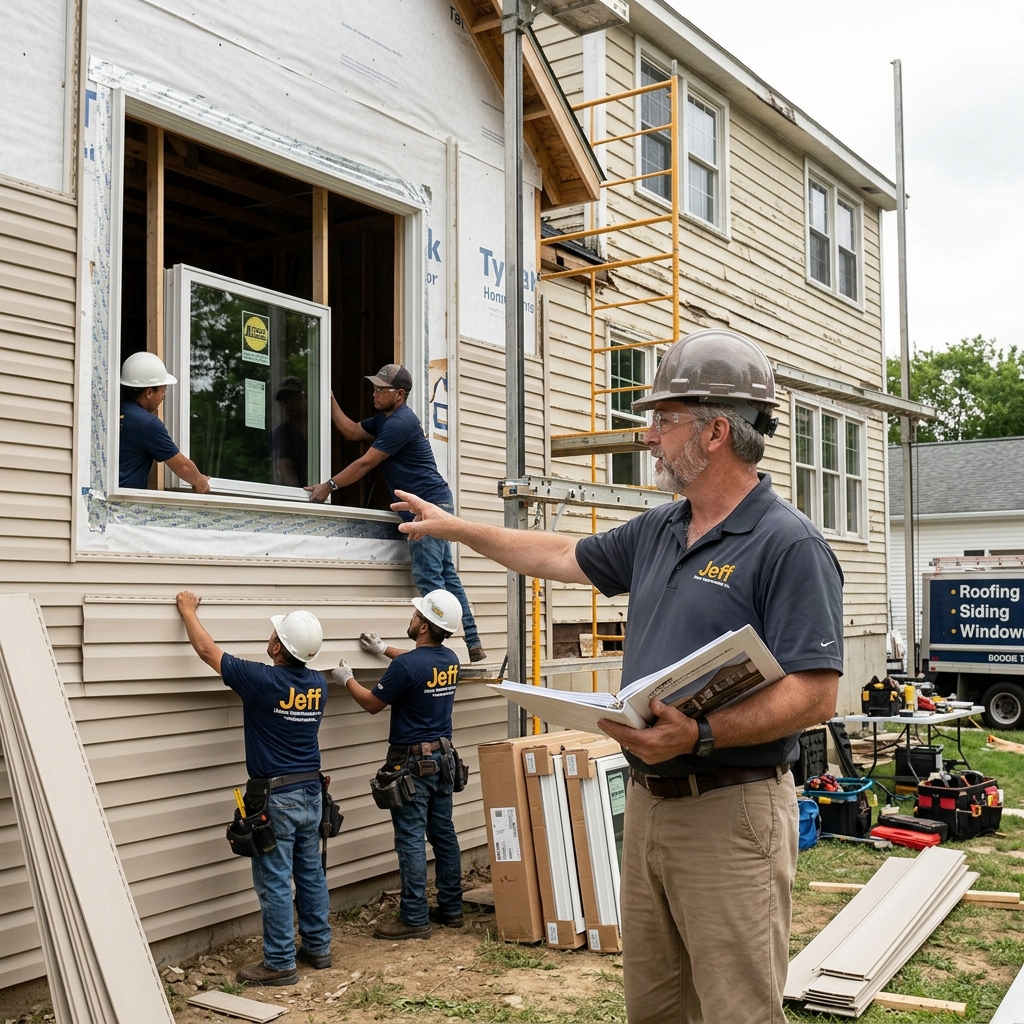
5 Tips for Choosing a Louisville Roofing Contractor After a Hailstorm

Why Hailstorm Damage Requires Immediate Professional Assessment

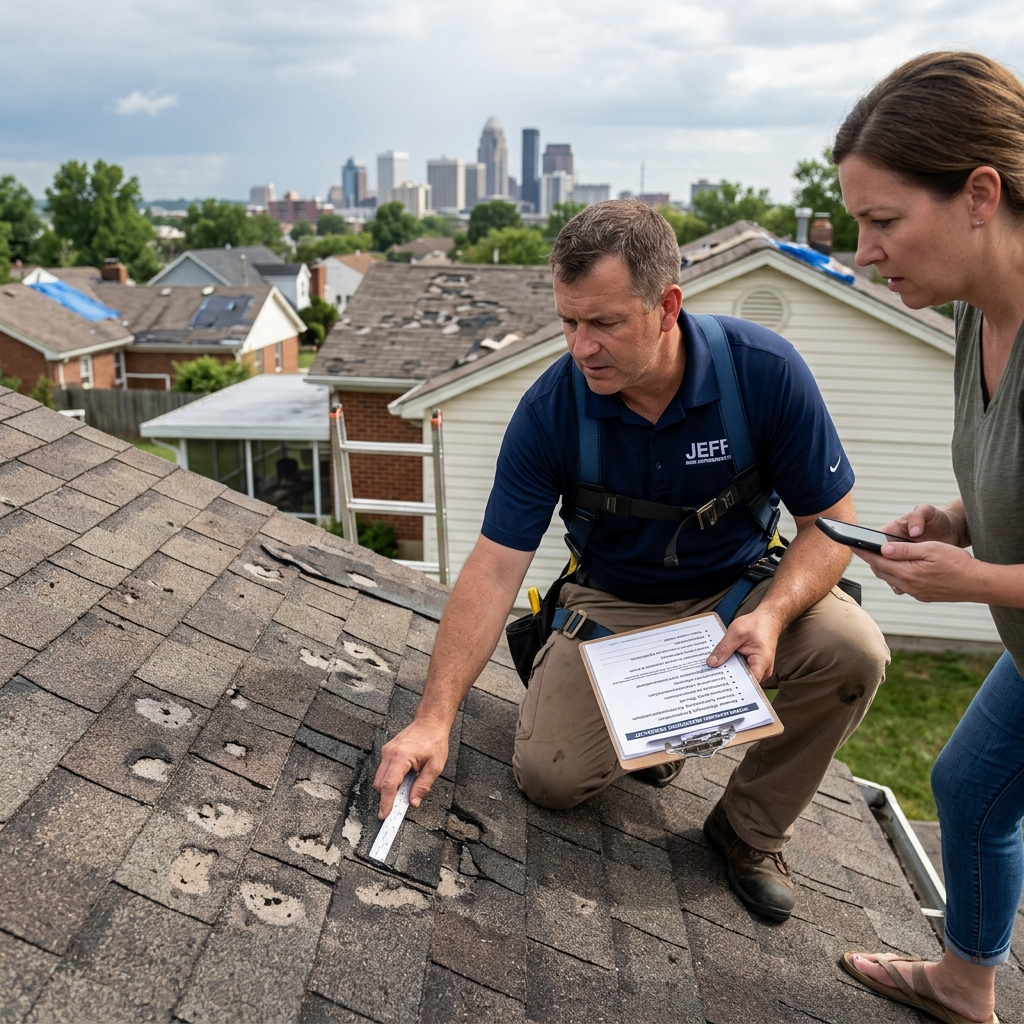
A hailstorm hits the Louisville area, and within hours, homeowners are climbing onto roofs or peering through attics, searching for damage. The damage might be obvious: shingles cracked and granules stripped away. Or it might be subtle enough that you miss it entirely until leaks appear weeks later. Either way, choosing the right Louisville roofing contractor becomes urgent, and the stakes are high. You’re not just hiring someone to fix a roof; you’re making a decision that affects your home’s integrity, your insurance claim, and your peace of mind.

We’ve been serving the Kentuckiana community since 1989, handling thousands of storm damage claims and roof replacements. In that time, we’ve seen homeowners make smart choices and costly ones. The difference usually comes down to five critical factors. Understanding them now will help you avoid the pitfalls and find a contractor who truly delivers.

Hail creates a specific type of damage that’s easy to overlook. Unlike wind damage that tears shingles clean off or water damage that shows obvious staining, hail dimples and bruises shingles in ways that may not leak for months or even years. That dormant damage accelerates deterioration, shortening your roof’s life and creating openings for water infiltration.

The timing of your assessment matters enormously. Insurance companies understand this and typically honor claims filed within 30 days of a storm event. Once that window closes, proving the damage was storm-related becomes far harder. We recommend scheduling a professional inspection within 48 to 72 hours of significant hail.

During an assessment, a qualified contractor evaluates:

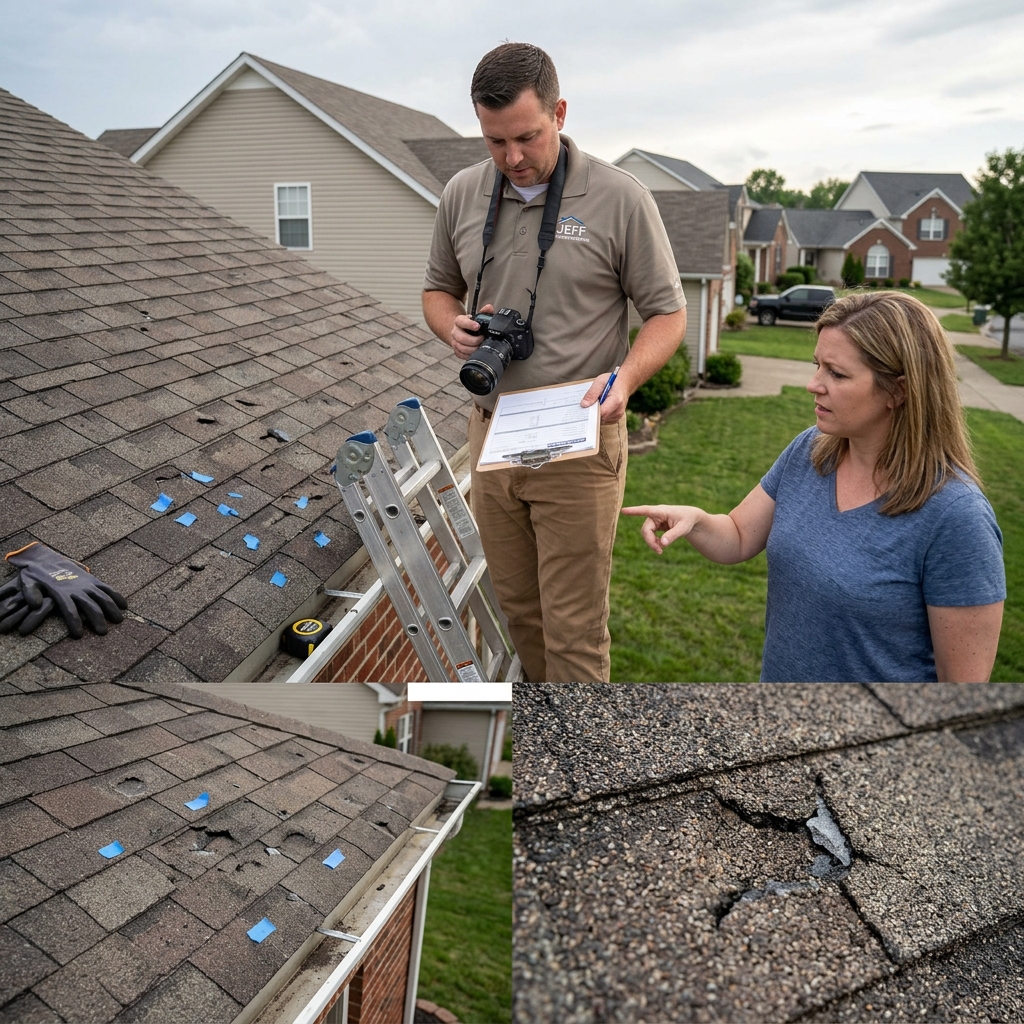
  • Shingle surface condition (dimpling, cracking, granule loss)
  • Flashing integrity around chimneys, vents, and skylights
  • Gutter condition and attachment security
  • Soffit and fascia damage
  • Underlying wood structure for saturation or rot

What makes this assessment valuable is the documentation it creates. Professional photos and detailed reports give your insurance adjuster clear evidence and provide you with a concrete baseline. Many homeowners skip this step thinking they’ll save money, only to face denials later when they file claims.

Next step: Contact a certified contractor for a damage assessment within three days of the storm. Ask whether they provide free inspections and whether they document findings with photos and written reports.

Verify Proper Licensing and Owens Corning Certification Status

Kentucky requires roofing contractors to be licensed, but not all states enforce this equally. Before hiring anyone, verify their license status through the Kentucky Cabinet for Economic Development. You want confirmation that your contractor holds a valid roofing license, maintains insurance, and has no unresolved complaints.

Licensure alone isn’t enough, though. We’re Owens Corning Platinum Preferred Contractors, a distinction that goes beyond basic credentials. This certification means we’ve met rigorous standards for installation quality, customer service, warranty knowledge, and ongoing training. Owens Corning Platinum contractors must demonstrate excellence consistently, not just once.

Ask any contractor for:

  • Current Kentucky roofing license number (verify it yourself)
  • General liability insurance documentation
  • Workers’ compensation coverage proof
  • Owens Corning or other major manufacturer certifications
  • References to recent projects they’ve completed

Manufacturer certifications matter because they often unlock extended warranties. A standard asphalt shingle warranty might last 20 years, but some Owens Corning products come with extended coverage when installed by certified contractors. That’s protection that pays for itself if you ever need a warranty claim.

Red flags include contractors who won’t provide license information, claim they’re “too small” for insurance, or pressure you to avoid filing insurance claims. Trust your instincts. A reputable contractor is transparent about credentials and actively welcomes verification.

Actionable tip: Before scheduling a consultation, spend 10 minutes calling the Kentucky Cabinet or checking their online license verification system. This one step filters out unlicensed or problem contractors immediately.

Confirm Experience with Storm Damage and Insurance Claims

Storm damage work is different from routine maintenance roofing. It involves understanding insurance processes, working with adjusters, coordinating with multiple parties, and often dealing with structural complications that emerge during the job. A contractor experienced with storm claims knows how to navigate these complexities and help you maximize your coverage.

Experience shows up in practical ways. When we arrive for a storm damage assessment, we know which details insurance adjusters scrutinize. We photograph damage from angles and distances that create clear documentation. We understand what qualifies as covered damage versus normal wear. We’ve learned, through hundreds of claims, how to present findings in ways that support approval.

That experience also extends to the unexpected. Storm damage often reveals pre-existing issues: rotted wood decking under damaged shingles, undersized gutters, or structural settling that now affects the roof’s pitch. An experienced contractor knows how to identify these complications early, communicate them to you and your adjuster, and provide cost estimates that account for them.

Ask contractors:

  • How many storm damage claims have they handled in the past three years?
  • Do they work directly with insurance adjusters?
  • Can they provide references from past storm damage clients?
  • What happens if damage is more extensive than initial estimates suggested?

A contractor with deep storm damage experience will answer these questions comfortably and provide specific examples. They’ll also explain their process for scope creep: how they handle additional damage discovered during removal and whether they communicate with your insurer before proceeding.

What to do next: Request case studies or references specifically from storm damage projects. Talk to past clients about how the contractor handled the insurance process and whether the final cost matched the estimate.

Review Our Track Record in the Kentuckiana Area

We’ve built our reputation over more than 35 years by consistently delivering on promises. That history matters when you’re trusting someone with your home. Our portfolio includes residential roof replacements across Louisville and surrounding communities, commercial roofing projects for industrial and retail properties, and countless storm damage restorations.

The Kentuckiana area encompasses Louisville, Lexington, southern Indiana, and beyond. We know the regional climate patterns: the spring hail season, summer thunderstorms, and winter ice dams. We understand local building codes and permit requirements. We’ve worked with regional insurance companies and know their specific claim processes. That local knowledge accelerates your project and reduces complications.

Our experience shows up in finished work. Drive through Louisville neighborhoods, and you’ll find roofs we installed years ago, still performing flawlessly. That longevity happens because we specify quality materials, install with precision, and stand behind our work.

When evaluating any contractor’s track record, look for:

  • How long they’ve been in business (10+ years shows staying power)
  • Google reviews and Better Business Bureau ratings
  • Before-and-after photos of completed projects
  • Willingness to provide client references you can contact
  • Membership in industry associations (like the National Roofing Contractors Association)

Local presence matters more than you might think. A contractor with deep roots in the community has skin in the game. They care about reputation because they live here, work here, and want repeat business and referrals. A fly-by-night contractor has no such incentive.

Take action: Search online for reviews of any contractor you’re considering. Call or email 2-3 references and ask specific questions about their experience: Was the project completed on time? Did the contractor address unexpected issues professionally? Would they hire them again?

Evaluate Transparent Estimates and Detailed Project Timelines

After we complete an assessment, you should receive a written estimate that explains what’s being repaired or replaced, what materials will be used, labor costs, and timeline. Vague estimates like “labor $2,000” tell you nothing. Detailed ones break down the scope clearly.

A solid estimate specifies:

  • Exact shingle type and grade (e.g., Owens Corning Duration Shingles, Weatherwood)
  • Square footage of roofing to be replaced or repaired
  • Flashing and trim details
  • Gutter work or gutter guard installation, if applicable
  • Timeline: when work starts, how many days it typically takes
  • Weather contingencies (roofing work halts in rain)
  • Cleanup and debris removal details
  • Warranty terms and what they cover

The estimate should also explain how insurance coverage factors in. If your insurer covers $X and you’re responsible for the deductible plus any damage beyond coverage, your estimate should clarify this. A transparent contractor helps you understand what your insurer will pay and what you’ll owe out of pocket.

Timelines deserve special attention. Most roof replacements take 3-5 days depending on size and complexity. A contractor who promises completion in one day should raise concerns. Rushed work leads to mistakes: missed shingles, improper nailing, debris left in gutters.

Compare estimates from multiple contractors, but don’t choose based on price alone. A bid that’s 30% lower than others might reflect lower-quality materials or inexperienced labor. Instead, compare scope: Are all contractors specifying the same materials and process? If not, understand the differences before deciding.

Next step: Request written estimates from at least two contractors. Review them line-by-line and don’t hesitate to ask questions about anything unclear. The contractor who patiently explains every detail is worth the time investment.

Why We Provide Virtual Consultations for Your Convenience

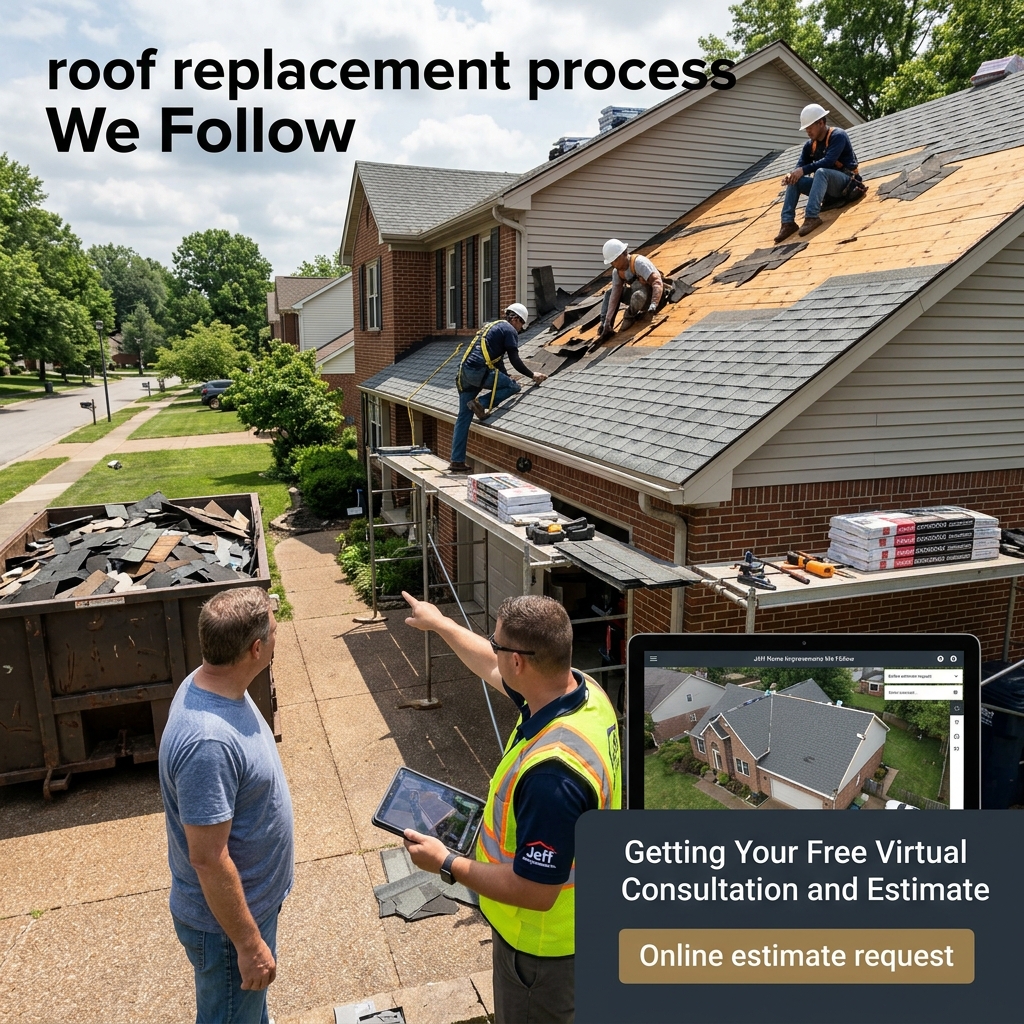
Scheduling roof inspections used to mean taking time off work to meet a contractor at your home. We’ve streamlined this process by offering virtual consultations via photo and video. Here’s how it works: You photograph your roof, take a few images of damaged areas, and share them with us. We review the images, ask clarifying questions via email or phone, and provide initial guidance. If needed, we schedule an in-person assessment.

Virtual consultations are particularly valuable after storms when your time is precious. You’re dealing with insurance paperwork, managing cleanup, and often managing multiple home repairs. A quick virtual call gets you preliminary answers without requiring a contractor to travel to your home for initial evaluation.

We also provide instant estimates through our online platform. Upload your roof photos and property details, and our system generates a preliminary cost range within minutes. This gives you a ballpark figure before committing to a detailed inspection.

The convenience extends to the actual work as well. We provide detailed progress updates, allowing you to track the project even if you can’t be home during installation. For busy commercial property managers overseeing multiple buildings, this transparency is invaluable.

Virtual consultations don’t replace in-person assessments for complex jobs, but they serve an important function: they answer basic questions, let you evaluate our professionalism, and help you schedule more efficiently.

Action item: Schedule a virtual consultation for initial guidance. You’ll save time and get a sense of how responsive and helpful a contractor is before moving forward.

Understanding Our Comprehensive Roof Replacement Process

When hail damage warrants roof replacement rather than spot repairs, our process unfolds in clear stages. Understanding these stages helps you know what to expect and when.

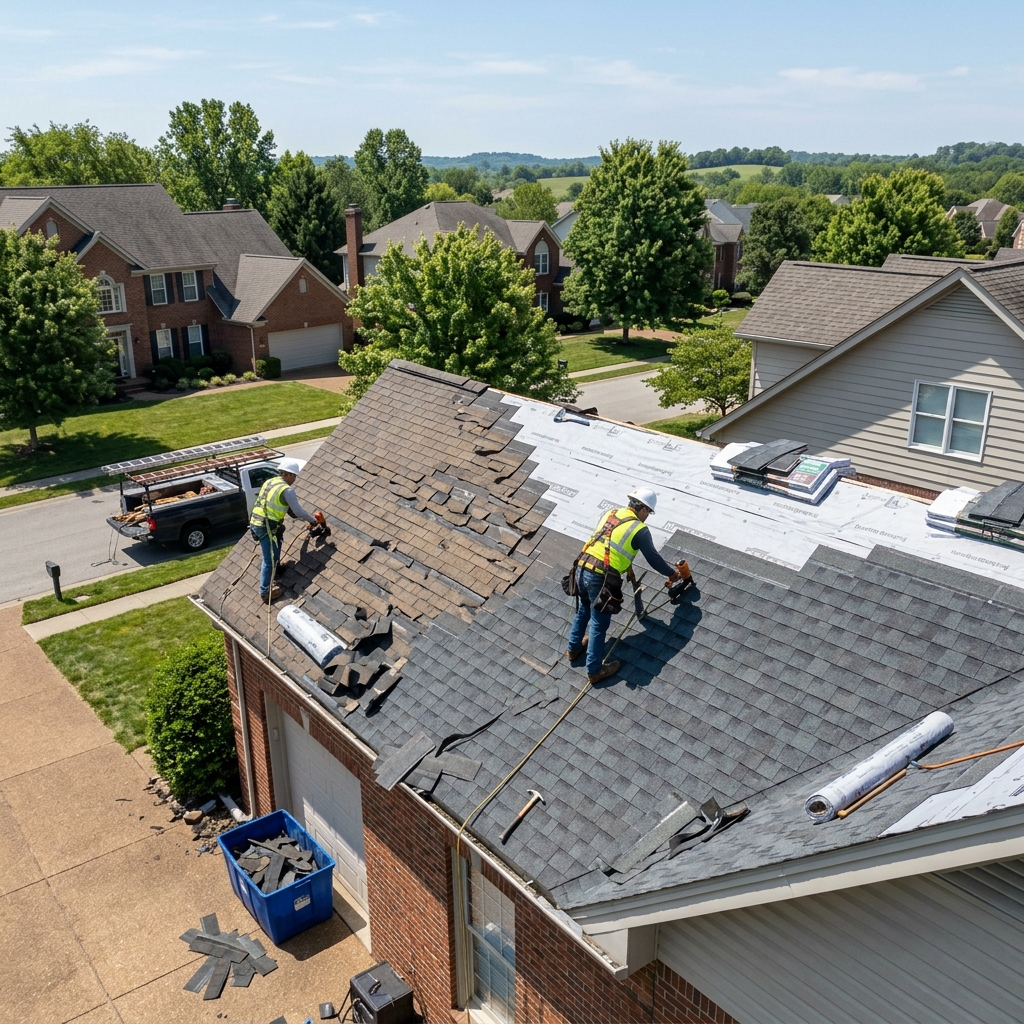
Stage one involves removal. We carefully extract damaged shingles, flashing, and any compromised underlayment. We inspect the roof deck for rot, water damage, or structural issues that need addressing. This is where surprises often emerge: a section of wood that’s softer than it should be, or roof penetrations that weren’t visible before removal. We document findings and communicate them to you immediately, along with any cost implications.

Stage two addresses preparations. We install new underlayment for water protection, replace any damaged deck sections, and ensure proper ventilation. Inadequate ventilation leads to premature shingle failure, so this step isn’t cosmetic; it’s foundational. We also prepare flashing around chimneys, vents, and skylights for installation.

Stage three is shingle installation. We use Owens Corning shingles and apply them according to manufacturer specifications: proper nailing patterns, correct overlap, and precise alignment. This precision matters because improper installation voids warranties and leads to early failure. We specify the exact product you’re getting, so you understand what protection and longevity you’re purchasing.

Stage four covers finishing work. We install flashing, edge trim, and gutters or gutter guards. We clean the entire site, removing all debris and old materials. We photograph the completed work for your records.

Throughout this process, you receive updates. We explain what’s happening, answer questions, and address concerns immediately. This communication prevents surprises and keeps you informed about your investment.

What to expect: Ask any contractor to walk you through their replacement process step-by-step. The level of detail they provide tells you how professionally they approach the work.

Protect Your Home with Our Storm Damage Expertise

Hail damage to your roof isn’t just a cosmetic problem or something you can defer. It accelerates shingle deterioration, compromises your home’s weather protection, and ultimately costs you significantly more if left unaddressed. The choice of contractor determines whether you receive quality restoration that protects your home for decades or substandard work that leads to further damage.

We’re equipped to handle every aspect of storm damage restoration. Our team includes experienced roofers trained in Owens Corning installation standards. We carry all necessary licenses and certifications. We work seamlessly with insurance adjusters, and we’ve completed thousands of storm damage projects across the Kentuckiana region. We also understand that this process can feel overwhelming, so we take care of the details while keeping you informed every step.

Your home withstood the hailstorm. Now let us help it recover fully. Contact us for a free damage assessment and detailed estimate. We’ll document the damage professionally, explain your options, and guide you through the repair or replacement process. Whether your claim covers the entire cost or just a portion, we’ll help you understand what comes next and deliver the quality work your roof deserves.

The right contractor makes this stressful process manageable and ensures your home emerges stronger than before. We’re ready to be that contractor for you.

Contact us today for a free in home, no obligation quote on your roof
Complete Residential Roof Replacement Guide for Louisville Homeowners

Why Your Louisville Home Needs a Roof Replacement

Your roof is your home’s first defense against the elements. In Louisville, where we experience everything from harsh summer storms to freezing winters, a compromised roof compromises everything underneath it. Water intrusion, insulation failure, and structural damage all cascade from roofing problems.

Most residential roofs last 20 to 25 years, depending on materials and maintenance. If your roof is approaching or past this age, replacement isn’t optional—it’s preventive. We’ve seen countless homeowners delay replacement only to face unexpected leaks that damage attics, ceilings, and insulation. The cost of emergency repairs typically exceeds the cost of a planned replacement.

Beyond age, Louisville’s climate demands attention. Our region experiences significant temperature swings, heavy rainfall, and occasional severe weather events. These conditions accelerate roof deterioration. A roof that’s adequately maintained might reach its lifespan, but one neglected or damaged by storms often needs replacement much sooner.

Replacing your roof also increases your home’s value and curb appeal. Potential buyers view a new roof as a major selling point. Insurance companies may offer better rates when you have a newer, safer roof. Energy efficiency improves too, as modern roofing materials and installation techniques reduce heat transfer.

Action item: If your roof is over 15 years old, schedule a professional assessment before problems emerge.

Signs Your Roof Requires Professional Assessment

Don’t wait for leaks to appear inside your home. Several warning signs suggest your roof needs professional evaluation.

Visible damage from the ground:

  • Missing, cracked, or curled shingles
  • Granule loss (dark specks in gutters or on the ground)
  • Sagging or uneven areas across the roof surface
  • Flashing gaps or rust around chimneys, vents, or skylights
  • Moss or algae growth (common in humid Louisville summers)

Interior signs:

  • Water stains on ceilings or walls
  • Damp insulation or visible moisture in the attic
  • Light penetrating through the roof boards
  • Musty odors in upper rooms or attic spaces

Performance indicators:

  • Your heating or cooling costs rising without explanation
  • Ice dams forming along the edges during winter
  • Gutters constantly filled with granules or debris
  • Shingles that have lost their protective coating, appearing faded or chalky

Some of these signs point to minor repairs; others signal replacement is necessary. The only way to know for certain is through a thorough inspection. We recommend having a qualified contractor assess your roof every 1-2 years and always after major storms.

Action item: If you notice water stains, missing shingles, or excessive granule loss, contact a professional for evaluation within the week.

Understanding Roof Replacement Costs in the Louisville Area

Roof replacement costs vary based on several factors. Knowing what drives pricing helps you budget appropriately and compare contractor estimates fairly.

Size and pitch of your roof:

Square footage is the primary cost determinant. A 1,500-square-foot roof costs less than a 3,000-square-foot roof. Pitch (steepness) affects labor costs too. Steeper roofs require more safety measures and take longer to install, increasing labor expenses. Most Louisville homes range from 1,500 to 2,500 square feet, with replacement costs typically between $8,000 and $18,000.

Material selection:

Basic asphalt shingles cost less than premium architectural shingles, metal roofing, or tile. Asphalt remains our most popular choice, balancing affordability with durability. Premium options cost more upfront but may last longer or offer enhanced aesthetics.

Existing roof condition:

If your current roof requires complete removal and disposal, that adds cost. Some projects allow for roof-over installation (placing new shingles over old), which reduces labor and disposal expenses. However, we typically recommend removal for long-term performance and to identify potential underlying damage.

Regional factors:

Louisville’s labor rates, material availability, and local building codes influence final pricing. Storm damage seasons can temporarily affect contractor availability and costs.

What’s included:

Thorough estimates should detail shingle cost, labor, removal and disposal, necessary repairs to decking or framing, flashing installation, and cleanup. Permits are typically required and should be factored into your budget.

We provide instant estimates through our website to give you a realistic starting point. These estimates account for Louisville-specific factors and current material pricing.

Action item: Get estimates from multiple contractors and compare line-item details, not just total price.

The Roof Replacement Process We Follow

Understanding what to expect during replacement helps you prepare your home and avoid surprises.

Pre-project planning:

We begin with a detailed inspection and measurements to create an accurate estimate. We discuss material options, color choices, and timeline. We secure any required permits and coordinate with your insurance company if damage claims are involved. We specify a start date and weather-dependent contingencies.

Preparation phase:

On the day work begins, we protect your property. Tarps cover landscaping, air conditioning units, and other areas. We establish equipment staging zones and ensure safe pedestrian access. Our team sets up safety equipment including harnesses, fall protection, and warning signs.

Removal and inspection:

We carefully remove existing shingles, flashing, and underlying materials. Once the decking is exposed, we inspect for water damage, rot, or structural issues. If problems appear, we discuss solutions and adjust the scope of work. This step reveals why professional removal matters—sometimes underlying damage wouldn’t surface with a roof-over approach.

Repairs and preparation:

Any damaged or rotted decking gets replaced. We install new flashing around chimneys, vents, and skylights. Proper flashing prevents future leaks. We ensure all surfaces are clean and level before new shingles arrive.

Installation:

Our crew installs underlayment for added water protection, then carefully applies new shingles according to manufacturer specifications. Flashing is sealed and integrated properly. Penetrations are caulked and sealed. Quality installation involves attention to details many homeowners never see but that directly impact durability.

Final inspection and cleanup:

We inspect every section of your new roof to verify proper installation. We remove all equipment, tarps, and debris. We address any landscaping impacts. A final walkthrough confirms your satisfaction.

Timeline:

Most residential roof replacements take 2-4 days, depending on size and complexity. Weather can extend timelines. We communicate delays immediately.

Action item: Plan for contractor access and temporary disruption; arrange for pets and children to have quiet spaces if needed.

Choosing Quality Materials for Your New Roof

The materials you select directly impact durability, appearance, and cost. We help you navigate options based on your home’s style and your budget.

Asphalt shingles:

Standard three-tab shingles offer basic protection at lower costs. Architectural (or dimensional) shingles provide better aesthetics and durability. Premium shingles from manufacturers like Owens Corning resist impact and weathering more effectively. As an Owens Corning Platinum Preferred Contractor, we recommend their products for superior performance in Louisville’s climate.

Metal roofing:

Metal panels or standing seam roofs last 40-70 years. They’re energy-efficient, fire-resistant, and lightweight. Metal costs more initially but offers exceptional longevity. Metal works well for modern or farmhouse aesthetics but may not suit all traditional homes.

Specialty materials:

Tile, slate, or composite shingles provide distinctive appearances. These premium options increase costs but create architectural character. Slate and tile offer unmatched longevity (50+ years) and weight, requiring structural assessment before installation.

Color and style:

Material color affects energy efficiency. Lighter colors reflect more heat; darker colors absorb it. In Louisville’s hot summers, lighter shades may reduce cooling costs. Your home’s existing architecture should guide style selection to maintain curb appeal and neighborhood compatibility.

Manufacturer warranties:

Premium shingles often come with 25-50 year warranties. Some include coverage against impact damage, fading, or blow-off. Read warranty details carefully. Proper installation is required for warranty validation.

Sustainability:

Recycled-content shingles and metal roofing appeal to environmentally conscious homeowners. These options don’t necessarily cost more and provide the same protection.

Action item: Request samples of your top two choices and view them on your roof during different lighting conditions before deciding.

How We Handle Storm Damage and Insurance Claims

Louisville’s severe weather means many roof replacements stem from storm damage. Understanding the claims process reduces stress and ensures you receive fair coverage.

Immediate steps after storm damage:

Document all visible damage with photographs and videos from safe locations. Note the date and time of the storm. Keep records of any temporary repairs you make to prevent further damage. Contact your insurance company within the timeframe specified in your policy (typically 30-90 days).

Insurance adjuster inspection:

The adjuster will visit your property and assess damage. They determine what is and isn’t covered. Deductibles apply before coverage begins. Insurance typically covers roof damage from hail, wind, or fallen trees but may deny damage from lack of maintenance or poor repairs.

How we support your claim:

We conduct a thorough damage assessment and provide detailed documentation. We prepare repair estimates that itemize damage and necessary work. We communicate directly with adjusters regarding scope and cost. We don’t start work until you’ve received the adjuster’s determination. If the insurer’s assessment seems low, we can provide professional documentation supporting a reassessment.

Timeline and payment:

Insurance typically pays in two stages: an initial check upon project approval, and a final payment once work is complete and verified. Some insurers require a final inspection before releasing funds.

Roof-over versus replacement:

Insurance usually covers replacement only if damage is significant. Minor damage might qualify for repair-only coverage. We advise you on what your policy likely covers based on the damage we observe.

Working with adjusters:

We’ve worked with Louisville-area insurance companies for decades. We understand their processes and documentation requirements. This experience helps expedite approvals and ensures we’re properly compensated for the work we perform.

Action item: If you experience storm damage, call us for a free damage assessment before contacting your insurer; our documentation strengthens your claim.

Why Professional Installation Matters for Your Investment

A new roof is only as good as its installation. Cutting corners during installation undermines material quality and voids warranties.

Technical skill requirements:

Proper shingle installation involves specific nailing patterns, spacing, and fastener counts. Incorrect nailing causes premature blow-off or poor weather sealing. Flashing installation requires precise measurements and sealing to prevent leaks. Ventilation must be adequate to prevent moisture buildup and premature deterioration. These details aren’t obvious to homeowners but dramatically affect performance.

Warranty implications:

Manufacturers warranty their materials but typically void coverage if installation doesn’t meet their specifications. They require installation by certified contractors. Improper installation performed by unlicensed individuals voids protection.

Safety and insurance:

Professional installation includes proper safety equipment, fall protection, and insurance coverage. Accidents can be catastrophic. Professional contractors carry liability insurance protecting your property if something goes wrong.

Efficiency and timeline:

Experienced crews work efficiently, minimizing disruption and timeline extensions. They anticipate issues and solve problems on-site without delays. Training and experience prevent costly mistakes that require rework.

Longevity:

A properly installed roof maintains its integrity throughout its lifespan. Improper installation creates weak points where leaks develop, leading to expensive interior damage. The difference between proper and improper installation often appears invisible to the untrained eye but reveals itself years later through water damage.

Quality oversight:

We implement quality checks throughout installation. Our supervisors inspect work daily. We verify that every penetration is sealed, every seam is sound, and every fastener is properly placed. This oversight prevents issues before they become problems.

Action item: Always verify that contractors are licensed, insured, and certified by roofing manufacturers before hiring.

Our Commitment to Kentuckiana Homeowners

Since 1989, we’ve served Louisville and the surrounding Kentuckiana region. Our reputation is built on quality work, honest communication, and genuine care for our customers’ homes.

Family business values:

We operate as a family-owned contractor because we believe home improvements should be handled with the care we’d apply to our own homes. This perspective influences every decision we make.

Owens Corning partnership:

Our status as an Owens Corning Platinum Preferred Contractor reflects our commitment to quality. We’ve met stringent criteria for craftsmanship, customer service, and warranty compliance. This partnership ensures our customers receive superior materials and installation.

Comprehensive services:

Roofing is our specialty, but we also handle siding, windows, gutters, and gutter protection systems. When your roof replacement reveals other exterior needs, we’re equipped to address them. One contractor means one point of contact and coordinated quality.

Storm damage expertise:

Our decades of experience with Louisville’s weather patterns make us experts in storm assessment and insurance claims. We’ve helped hundreds of homeowners navigate damage repairs.

Virtual and in-person options:

We understand busy schedules. Our virtual consultation service lets you get expert assessment and estimates from home. You can also schedule on-site visits at times that work for you.

Local knowledge:

We understand Louisville’s building codes, weather patterns, and contractor landscape. This local expertise translates to faster permitting, appropriate material selections, and realistic timelines.

Action item: Connect with us for a consultation and experience the difference working with a locally rooted, family-owned contractor makes.

Getting Your Free Virtual Consultation and Estimate

Starting your roof replacement journey is straightforward. We’ve streamlined the process to respect your time while gathering information needed for accurate estimates.

Online estimate request:

Visit our website and complete a brief form describing your project. Include photos if you have them. Specify whether you’re dealing with damage, age-related issues, or planned upgrades. Provide your preferred contact method and timeframe.

Virtual consultation:

Schedule a video call at your convenience. Our consultant walks through your specific situation, discusses material options, and answers questions. You’ll see samples and get realistic expectations for cost and timeline. No sales pressure, just honest guidance.

On-site inspection:

If you prefer, we schedule an in-person inspection. Our team examines your roof closely, checks for underlying issues, and confirms measurements. This visit typically takes 30-45 minutes.

Detailed estimate:

Within 24-48 hours, we provide a written estimate itemizing materials, labor, removal, permits, and timeline. The estimate is binding, so you know exactly what to expect cost-wise. We explain every line item and answer follow-up questions.

Next steps:

Once you approve an estimate, we secure permits and coordinate a start date. We keep you informed throughout the process. After completion, we handle any follow-up questions or adjustments.

Why start with us:

Our free consultation costs you nothing but provides professional guidance valuable whether you hire us or not. We’re confident in our service and believe you’ll appreciate our approach.

Reach out to our Louisville roofing contractor team today. Your home’s roof is too important to leave to chance or unqualified contractors. Let’s ensure your replacement is done right.

Contact us today for a free in home, no obligation quote on your roof
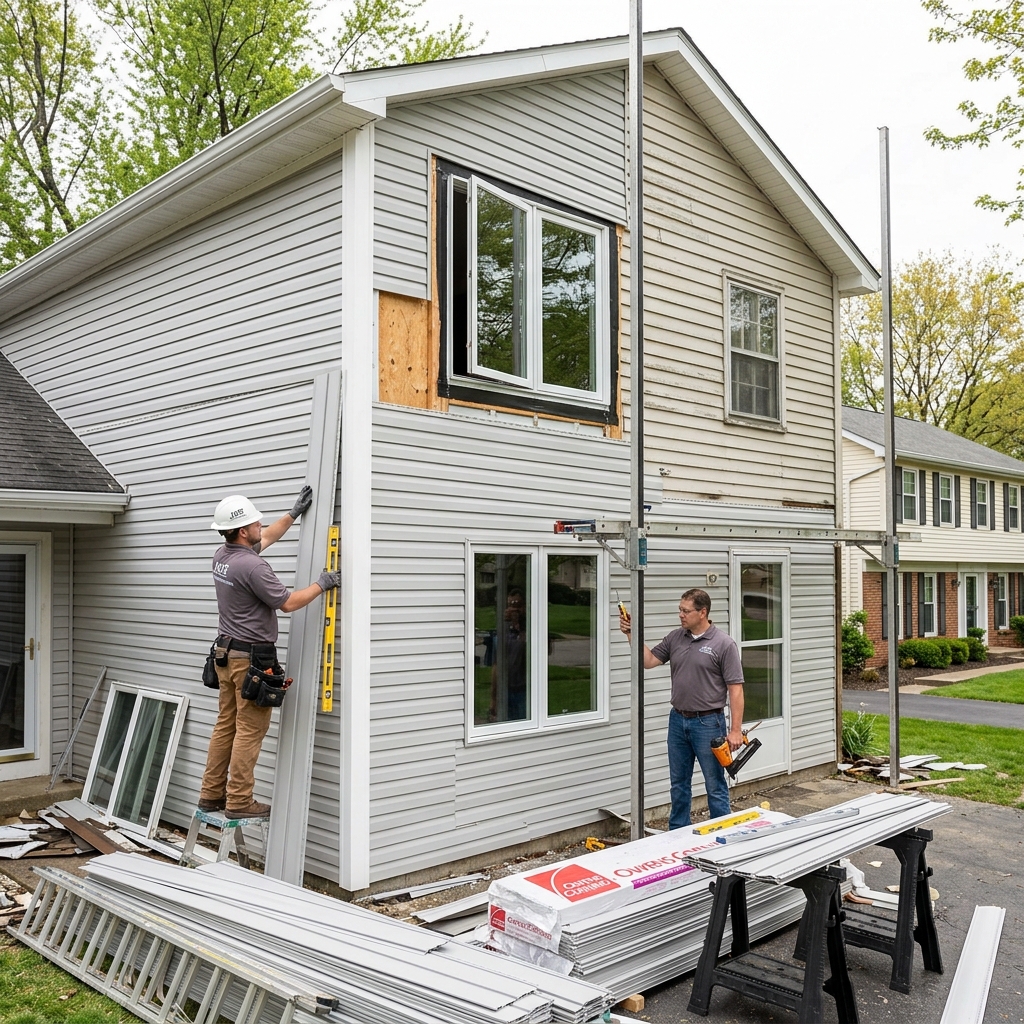
Certified vs. Independent Roofers: Why Kentuckiana Homeowners Choose Licensed Professionals

Why Roofing Quality Matters for Your Kentuckiana Home

Your roof is arguably your home’s most critical investment. It protects everything underneath from Kentucky’s unpredictable weather patterns, including heavy spring storms, ice buildup in winter, and intense summer heat. When a roof fails, the damage cascades quickly. Water infiltration leads to mold, structural rot, insulation damage, and compromised drywall. What starts as a small leak can cost tens of thousands in repairs if left unaddressed.

The Kentuckiana region experiences significant weather variability. Spring storms bring high winds and hail. Winter ice dams create water backup. Summer humidity stresses roofing materials. This climate demands proper installation and material selection from the start. A poorly installed roof might hold up for three years, then fail during the next major storm, leaving you facing emergency repairs or complete replacement sooner than expected.

Quality roofing work directly affects your home’s resale value, energy efficiency, and peace of mind. When you invest in a roof replacement or repair, you need to know the work will last and be done to standard. This is why the choice between a certified roofing contractor and an independent operator matters more than many homeowners realize.

Action step: Before getting quotes, verify that any contractor you contact is properly licensed and insured. This simple check prevents costly problems down the road.

The Risk of Hiring Uncertified Roofers

Uncertified roofers might offer lower prices, but those savings often come with hidden risks. Without proper credentials, there’s no guarantee they follow industry standards, use quality materials, or carry adequate insurance.

Consider what happens when an uncertified roofer causes damage during installation. If their work damages your home’s fascia, attic ventilation, or interior ceiling, you have limited recourse. Many uncertified operators work without general liability insurance. If something goes wrong, you end up paying out of pocket for repairs. If they’re injured on your property, your homeowner’s insurance may deny a claim because you hired an unlicensed contractor.

Uncertified roofers often lack manufacturer training. They might install shingles incorrectly, leading to premature failure. They may not understand proper ventilation requirements specific to your attic, which can void manufacturer warranties. Some simply don’t know local building codes or permit requirements, meaning the work might not pass inspection.

Warranty issues create another problem. Major roofing material manufacturers like Owens Corning only honor warranties when certified contractors perform the installation. An uncertified roofer’s work voids that protection. If shingles fail prematurely, you’re on your own for replacement costs.

Beyond technical concerns, there’s the reliability factor. Uncertified contractors sometimes abandon jobs mid-project or disappear entirely if disputes arise. You have minimal legal protection and limited options for resolution.

Action step: Always ask potential contractors for proof of licensing, insurance certificates, and references from recent projects. Request these documents before signing any contract.

What Certification Actually Means in the Roofing Industry

Roofing certification comes in multiple forms, and understanding the differences helps you make an informed choice.

A licensed roofing contractor has passed examinations covering local building codes, safety practices, business ethics, and installation techniques. Licensing requirements vary by state and locality, but Kentucky requires roofing contractors to be registered with the Kentucky Board of Contractors. This ensures baseline competency and accountability.

Manufacturer certifications go deeper. Companies like Owens Corning offer Platinum Preferred Contractor programs that recognize contractors meeting their highest standards. To earn and maintain these certifications, contractors must demonstrate consistent training, quality workmanship, and customer satisfaction. These programs include ongoing education requirements to keep technicians current on the latest materials and techniques.

Training certifications verify that specific technicians have completed manufacturer courses on proper installation methods. A contractor might have a shingle certification, a flat-roof certification, or both. These focus on the technical details that affect performance and longevity.

Insurance and bonding represent another credential. Licensed contractors carry liability insurance protecting you if something goes wrong. A performance bond guarantees they’ll complete the work as promised.

Additionally, professional memberships in organizations like the National Roofing Contractors Association (NRCA) show a commitment to industry standards and ongoing professional development. Members must adhere to a code of ethics and stay informed about best practices.

Action step: When comparing contractors, ask specifically about their manufacturer certifications and which programs they’re enrolled in. This tells you whether they invest in ongoing training and hold themselves to elevated standards.

How Jeff Home Improvements Maintains Our Platinum Status

We earned our Owens Corning Platinum Preferred Contractor designation through years of consistent performance, and maintaining it requires ongoing commitment from our entire team.

The Platinum program means we’re in the top tier of Owens Corning-certified contractors nationwide. To qualify, we had to demonstrate excellence in installation quality, warranty claims, customer satisfaction, and business practices. But earning the badge was just the beginning. Staying Platinum requires us to maintain those standards every single project.

Our team completes regular training on the latest Owens Corning products, installation techniques, and safety protocols. We stay updated on changes to building codes and manufacturer specifications. When new shingle technologies or installation methods come out, our technicians get trained before we use them on customer homes.

We track our performance carefully. Owens Corning monitors our warranty claims, customer reviews, and project completeness. If our metrics slip, we lose our Platinum status. This accountability keeps us focused on delivering quality work consistently, not just on our best days.

Our investment in training, equipment, and quality materials directly benefits you. We understand proper ventilation requirements for the Kentuckiana climate. We know exactly how to install different shingle styles to maximize their lifespan. We follow manufacturer specifications precisely, which means your roof is eligible for Owens Corning’s full warranty coverage from day one.

This certification also gives us early access to new products and special pricing on quality materials. Those savings don’t go in our pocket. We pass them along, giving you better materials at competitive pricing than you’d find with uncertified competitors.

Action step: When you request an estimate from Jeff Home Improvements, ask to see our current Platinum certification documentation. This confirms our standing and shows our commitment to staying at the industry’s top level.

Insurance and Liability Protection You Get With Certified Contractors

Insurance separates professional contractors from unlicensed operators. We carry comprehensive general liability insurance covering property damage, bodily injury, and legal defense costs. We also carry workers’ compensation insurance protecting our employees and you from liability if someone is injured during the job.

Here’s a real scenario: Our team is replacing your roof. One of our workers accidentally damages your gutter during the installation. Because we carry liability insurance, our policy covers the cost of repairs. Without insurance, that becomes your problem, and you’re left trying to recover costs from a contractor who may have disappeared.

Workers’ compensation insurance matters just as much. If an uncertified roofer is injured on your property and doesn’t have workers’ comp, they might try to claim your homeowner’s policy should cover their medical bills. These claims can be contentious, potentially raise your premiums, or create legal disputes. When you hire a licensed contractor with workers’ comp, these situations are handled through our insurance, not yours.

Many homeowner insurance policies actually require proof that contractors are licensed and insured. If you hire an uncertified operator and something goes wrong, your insurer might deny your claim, arguing you didn’t follow the policy’s safety requirements. You’d be left covering costs that insurance should have paid.

Permits and inspections also tie to insurance. Most roofing jobs require permits ensuring work meets current codes. Licensed contractors know permit requirements and ensure inspections happen at the right stages. If work isn’t permitted or passes inspection from an unlicensed crew, code violations might arise later, affecting your home’s marketability or forcing expensive corrections.

Action step: Before hiring any contractor, request a copy of their insurance certificate and verify it’s current. Call the insurance company to confirm coverage if you have any doubts. This takes five minutes and prevents major headaches.

Storm Damage Repairs Done Right the First Time

Kentucky’s spring and summer storms frequently damage roofs. Hail, high winds, and fallen branches create impacts that need professional assessment and repair. Storm damage requires specific expertise that separates certified contractors from those just trying to patch holes.

When we assess storm damage, we look beyond obvious impacts. Hail damage isn’t always visible from the ground. Shingles might have bruising that impacts their ability to shed water, even if they aren’t obviously cracked. We inspect the entire roof systematically, checking shingle condition, flashing integrity, and underlayment performance. We photograph everything to document damage for your insurance claim.

Many homeowners don’t realize their insurance will cover roof damage if the damage results from a covered event like hail or high winds. Insurance typically pays for repair or replacement minus your deductible. This is where certified contractor expertise matters. We know how to document damage in ways insurance adjusters recognize. We can explain why certain repairs are necessary and support claims with technical details.

Uncertified roofers often take shortcuts on storm repairs. They might patch damaged shingles instead of replacing them. They might miss underlying issues like compromised flashing or damaged underlayment. These shortcuts create new problems down the road. Water infiltration develops. Additional damage spreads. What could have been fixed right the first time becomes a bigger, more expensive problem.

We approach storm repairs methodically. We replace damaged shingles with matching materials, not patches. We inspect and repair flashing around penetrations. We check gutters and gutter systems for damage. We ensure proper water drainage so no moisture gets trapped in your attic. Our goal is restoring your roof to pre-storm condition, not just covering obvious damage.

Action step: After a major storm, document any visible damage with photos and call us for a free inspection. We’ll assess the full scope and help you navigate insurance claims. Don’t wait for small leaks to become visible water damage inside.

Why Warranties Matter When You Choose Certified Professionals

Warranties represent a manufacturer’s promise that materials will perform as designed. But here’s the catch: most roofing warranties are only valid when the installation is performed by a certified contractor.

Standard Owens Corning shingles come with a manufacturer warranty covering defects in materials and workmanship. This warranty typically lasts 10 to 30 years depending on the product. But read the fine print and you’ll find a requirement: installation must be completed by a certified Owings Corning contractor. Installation by anyone else voids the warranty.

Think about what that means. If an uncertified roofer installs your shingles and they fail prematurely due to a manufacturing defect, you can’t claim warranty coverage. You’re paying out of pocket for replacement, potentially years sooner than expected. With a certified contractor, that scenario is protected.

We also back our work with labor warranties. This isn’t the same as the manufacturer’s material warranty. Our labor warranty covers the quality of our installation. If our team makes a mistake or our work fails prematurely, we fix it. This creates accountability and gives you confidence that we stand behind what we do.

Some manufacturers offer extended warranties for certified contractor installations. Owens Corning’s Platinum program, for example, includes enhanced warranty options that go beyond standard coverage. Certified contractors can offer additional protection that uncertified operators simply can’t access.

Warranties also simplify future claims. If a shingle fails ten years after installation and you call us, we have documentation of the original install. We can reference our certification status at the time of installation. We can provide photographs and project records. This speeds up claims processing if the manufacturer needs to verify the installation was done correctly.

Action step: Ask any roofing contractor about their labor warranty and ensure it’s in writing. Request details about which manufacturer warranties you’ll receive and confirm your installation qualifies for extended coverage options.

Our Commitment to Quality Workmanship and Customer Satisfaction

Quality isn’t something we add at the end. It’s built into every stage of every project from our initial assessment through final cleanup.

We start with thorough consultations. We listen to your concerns and assess your home’s specific needs. Every roof is different based on slope, ventilation requirements, underlying structure, and climate exposure. We tailor our approach accordingly rather than applying a one-size-fits-all methodology.

Our material selection prioritizes durability and performance, not cost-cutting. We specify products appropriate for your roof’s challenges and your budget. If you’re in an area prone to hail, we’ll recommend impact-resistant shingles. If wind exposure is high, we’ll ensure proper fastening and potentially recommend wind-resistant products. We explain why we’re recommending specific products so you understand the value they provide.

Installation execution follows manufacturer specifications precisely. Our technicians know the exact nailing pattern, fastener type, and spacing required for different conditions. They understand ventilation requirements and ensure proper airflow to prevent moisture buildup and premature deterioration. They protect your home during work, containing dust and debris, and protecting landscaping.

We conduct quality inspections before we consider a project complete. We walk the roof with you, explaining what we did and answering questions. We provide detailed documentation of materials used, warranties provided, and next steps for maintenance. We’re not done until you’re satisfied with the result.

Customer satisfaction doesn’t end at project completion. We’re available for questions about maintenance, warranty claims, or minor touch-ups. We respond promptly and treat your home with the same care we use for our first consultation.

Action step: When reviewing contractor options, ask for references and actually call them. Ask about communication during the project, how they handled problems if they arose, and whether they stood behind their work after completion.

Schedule Your Free Virtual Consultation Today

The choice between a certified roofer and an independent operator affects your home’s protection, warranty coverage, insurance protection, and long-term costs. We’ve served Kentuckiana homeowners since 1989 because we understand local conditions and what it takes to build lasting quality.

We offer free virtual consultations where we assess your roofing needs and provide instant estimates. You don’t need to be home. We can evaluate your roof using photos and information you provide, then walk you through options and pricing over video. This saves you time while ensuring you have complete information to make your decision.

Whether you’re dealing with storm damage, planning a roof replacement, upgrading to new siding, or installing gutter protection, we’re ready to help. Our Owens Corning Platinum Preferred Contractor status means you’re working with a team committed to excellence and backed by manufacturer support and comprehensive warranties.

Contact Jeff Home Improvements today to schedule your free virtual consultation. We’ll answer your questions, assess your situation, and provide a transparent estimate with no pressure or surprises. Let’s protect your Kentuckiana home with work you can trust.

Contact us today for a free in home, no obligation quote on your roof
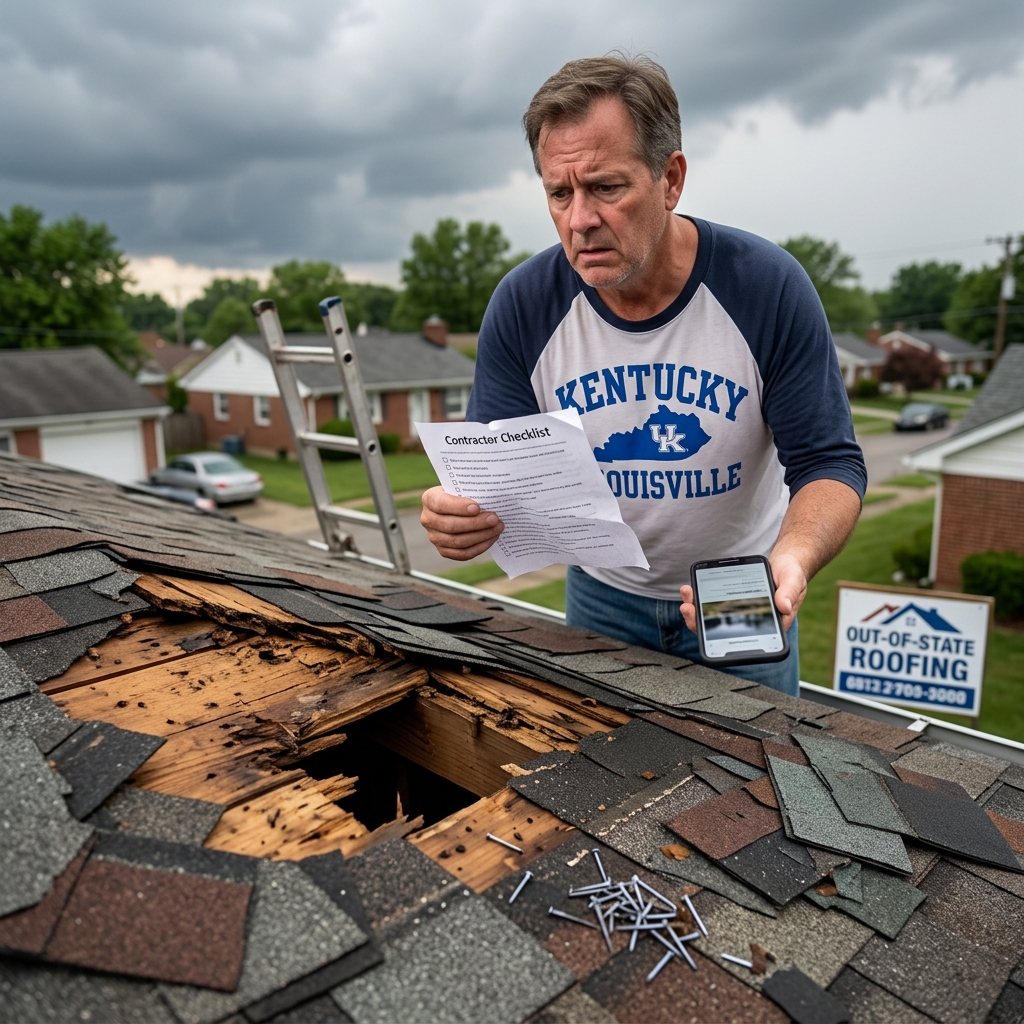
Storm Damage Roof Replacement in St. Matthews, Louisville, KY

Summer storms in Kentucky can leave a residential roof looking fine from the street while hiding damage higher up. That was the concern for this St. Matthews homeowner after storm damage affected the roof during the June to August storm season. They found Jeff Home Improvements through an advertisement, then reached out for help before the next round of weather could make the problem worse.

Once we arrived in St. Matthews, our goal was clear: remove the damaged roof, repair the wood underneath where needed, install new shingles, and leave the home looking better than ever.

From Storm Damage to a Strong New Roof

Storm damage can be stressful because most homeowners cannot see the full story from the ground. Asphalt shingles may be missing, loosened, or weakened. Under the surface, damaged wood can create bigger concerns if it stays covered.

For this St. Matthews home, we started by removing the old roofing materials so we could see what needed attention. That step matters. A roof replacement should not cover up damaged wood and hope for the best. Our crews exposed the roof deck, replaced the damaged wood, and prepared the surface for new shingles.

The aerial view of the project tells the story well.

First, the existing roof showed the wear left behind after the storm. Then, during the tear-off, the wood deck was fully visible while our crew worked section by section. Finally, the completed roof gave the St. Matthews home a cleaner, more finished look from every angle.

The Work Behind the Finished Look

A full roof replacement takes coordination, especially in established neighborhoods like St. Matthews. Homes sit close to neighboring properties, driveways need to stay usable where possible, and crews have to keep materials organized while the work moves forward.

Our team removed the old roof, handled the damaged sections of wood, and installed new shingles across the home. The result was not only a repaired roof, but a sharper exterior that fit the property and the surrounding Louisville neighborhood.

That visual improvement matters.

A roof covers a large part of a home’s exterior, so new shingles can change the whole feel of the property. More importantly, the homeowner gained confidence knowing the damaged wood had been replaced rather than hidden underneath new materials.

A Happy Homeowner in St. Matthews

At the end of the project, the customer was very happy with the results.

That kind of feedback means a lot to us because storm damage repairs often start with worry. The homeowner needed the roof fixed, but they also needed a team that would take the condition of the home seriously.

For us, that means looking beyond the surface.

We do not want to leave behind weak decking, missed damage, or a roof that only looks complete from the curb. On this St. Matthews roof replacement, the process came together the way it should: remove, inspect, repair, rebuild, and clean up the final look.

Need Storm Damage Roof Help in St. Matthews?

If your St. Matthews or Louisville, KY home was hit during summer storm season, schedule a roof visit with our team. We will inspect the roof, review visible storm damage, and explain the next step for a full roof replacement or needed repairs before another storm puts more stress on your home.

Best Roofing Materials for Hail Damage Protection in Kentuckiana

Why Hail Damage Threatens Your Kentuckiana Home

Kentuckiana sits squarely in a climate zone where severe hailstorms arrive without warning. Spring and early summer bring thunderstorms capable of producing hail the size of golf balls, and when those stones strike your roof, the damage can be catastrophic. Your roofing material makes the difference between a roof that sheds hail with minimal impact and one that suffers costly punctures, cracks, and leaks.

We’ve spent over three decades helping homeowners and commercial property managers across Louisville and the surrounding area protect their investments with roofing materials engineered to withstand our region’s worst weather. This guide walks you through the hail-resistant options available, what makes them effective, and how proper installation amplifies their protective benefits.

Hail damage isn’t always obvious at first glance. A large hailstone traveling at 50+ mph can crack or dent traditional asphalt shingles without creating a visible hole, but that damage compromises the material’s water-shedding ability. Over time, those weakened spots become entry points for moisture, leading to wood rot, mold, and structural decay.

The cost of ignoring hail damage escalates quickly. A single compromised area can eventually require a full roof replacement rather than a localized repair. Insurance claims become more complex when damage goes unreported and secondary water damage develops. Property values drop when buyers discover roof issues during inspection.

Kentuckiana’s geography makes hail strikes inevitable rather than exceptional. Our location near the convergence of warm, moist air from the Gulf and cool air from Canada creates ideal conditions for severe thunderstorm development. Between May and July especially, we see multiple hail-producing storms each season. Choosing materials built to withstand this threat is a smart investment that protects both your home’s structural integrity and your peace of mind.

Understanding Impact Ratings and Roofing Classification Systems

When evaluating hail-resistant roofing materials, impact rating systems provide objective standards for comparing durability. The most widely recognized measure is the Underwriters Laboratories (UL) Impact Resistance Rating, which classifies materials from Class 1 (least impact resistant) to Class 4 (most impact resistant).

Class 4 materials represent the gold standard for hail protection. These products withstand impacts from 2-inch steel balls dropped from 20 feet without cracking, puncturing, or separating from the substrate. Think of it as passing the toughest real-world test available.

Another important metric is the Impact Resistant Rating (IRR), which some manufacturers use to denote their own testing standards. Always verify which testing authority certifies the product and whether it meets UL Class 4 standards, as this ensures consistent quality across different brands.

Insurance companies recognize the value of Class 4 rated materials. Many insurers offer premium discounts ranging from 10 to 30 percent for homes protected by certified impact-resistant roofing. This financial incentive effectively reduces your long-term roofing costs while providing superior storm protection. When shopping for materials, always ask your contractor which products carry Class 4 certification and which insurance carriers offer discounts for installation.

Top Hail-Resistant Materials We Install for Maximum Protection

We focus our residential and commercial recommendations on three primary categories of hail-resistant roofing: architectural shingles, metal roofing, and composite alternatives. Each offers distinct advantages depending on your home’s aesthetics, budget, and long-term goals.

Architectural shingles (also called dimensional or laminated shingles) dominate the residential market because they combine affordability with proven impact resistance. Metal roofing stands out for maximum durability and lifespan, appealing to owners willing to invest upfront for 40+ year protection. Composite materials offer emerging technology options that blend benefits of traditional and modern approaches.

The best choice depends on your priorities: architectural shingles work well for homeowners prioritizing value; metal roofing suits those planning to age in place; composites appeal to environmentally conscious owners seeking alternatives to petroleum-based products.

Architectural Shingles: Our Preferred Choice for Local Homes

Architectural shingles remain our most common recommendation for Kentuckiana homes. These multi-layer shingles combine a durable fiberglass mat base with asphalt and mineral granules, creating a product that resists hail better than traditional three-tab shingles while maintaining attractive visual depth that enhances curb appeal.

Premium architectural shingles from manufacturers like Owens Corning (we’re a certified Owens Corning Platinum Preferred Contractor) achieve Class 4 impact ratings through engineered formulations and thicker construction. The granule composition and adhesive systems are specifically designed to absorb impact energy without cracking.

Key advantages of architectural shingles for hail protection include:

  • Class 4 impact rating available from leading manufacturers
  • 25-30 year lifespan, balancing durability with economics
  • Immediate visual appeal, no special finishes or aging period required
  • Installation familiarity, ensuring quality work from any certified contractor
  • Cost efficiency, typically 30-40% less expensive than metal alternatives

A typical installation lasts through multiple hail seasons without degradation. We’ve inspected roofs we installed a decade ago still showing minimal granule loss and no stress cracks on homes that experienced several significant hailstorms. That track record gives homeowners confidence in their investment.

When selecting architectural shingles, confirm the manufacturer’s Class 4 certification and ask whether the specific product line includes enhanced adhesive systems rated for impact resistance. Not all architectural shingles meet Class 4 standards, so verification at purchase protects your interests.

Metal Roofing: The Premium Solution for Storm Protection

Metal roofing represents the ultimate investment in hail protection for homeowners planning decades-long occupancy or building significant equity in their property. Standing seam and metal shingle products offer unmatched durability, with many products surviving 50+ years and multiple major storms without meaningful degradation.

Modern metal roofing systems come in several formats:

  • Standing seam panels (vertical ribs with concealed fasteners) offer sleek aesthetics and superior water management
  • Metal shingles (shaped like traditional asphalt shingles but fabricated from aluminum or steel) provide familiar styling with metal durability
  • Corrugated panels (most economical option) work well for commercial applications and agricultural structures

Hail impact on metal roofing rarely causes structural failure. Aluminum and steel naturally absorb impact energy without cracking. While denting can occur during extreme hail events, dented metal roofing continues shedding water effectively and protects the structure underneath. Cosmetic dents don’t require repair unless aesthetics become a priority concern.

Metal roofing advantages for Kentuckiana properties:

  • 50+ year lifespan, potentially outlasting the structure itself
  • Superior hail resistance, with Class 4 impact ratings standard on premium products
  • Energy efficiency, reflecting solar heat and reducing cooling costs
  • Minimal maintenance, requiring only occasional gutter cleaning and inspection
  • High insurance discounts, often 35-40% from carriers recognizing reduced claim likelihood

The primary drawback is upfront cost. Metal roofing typically runs 2-3 times the price of architectural shingles. However, the math changes dramatically when you factor 50-year lifespan, avoided replacement costs, insurance savings, and energy efficiency. Many owners find metal roofing becomes economical over their ownership period.

Installation quality matters significantly with metal roofing. Improper fastener spacing, inadequate flashing detail, or incorrect panel alignment compromises water management despite the material’s inherent durability. Working with experienced contractors familiar with metal roofing prevents costly installation mistakes.

Composite Shingles and Alternative Materials Worth Considering

Composite roofing materials blend traditional construction with modern engineering, offering alternatives that appeal to environmentally conscious homeowners or those seeking unique aesthetics.

Werner Fall Protection Roofing Safety System Compliance Kit ...
Werner Fall Protection Roofing Safety System Compliance Kit …

Synthetic slate and shake composites recreate historic materials using synthetic polymers or recycled content. These products typically achieve Class 4 impact ratings while weighing significantly less than genuine slate, eliminating structural reinforcement costs required for authentic slate roofing. They cost more than architectural shingles but less than true slate, positioning them as a middle-ground option for aesthetic preferences.

Recycled polymer and rubber shingles incorporate post-consumer waste materials, appealing to owners prioritizing environmental impact. These products offer good impact resistance and durability, though independent testing for Class 4 certification varies by manufacturer. Always verify independent UL certification rather than relying on manufacturer claims alone.

Composite materials shine when:

  • Distinctive architectural aesthetics matter (historic homes, high-visibility structures)
  • Environmental values influence purchasing decisions
  • Budget allows moderate premiums above standard shingles
  • Long-term durability justifies higher upfront investment

Before selecting composites, research product-specific insurance discounts and verify warranty terms. Some insurers apply higher discounts to composites than traditional materials, while others maintain standard schedules. Understanding insurance implications prevents surprises during claims processing.

How Our Installation Process Maximizes Your Material Performance

Choosing impact-resistant materials represents only half the equation. Installation quality determines whether those materials deliver their rated performance or fall short during actual hailstorms.

We follow manufacturer specifications precisely, understanding that shortcuts at installation erode the protective benefits built into premium materials. Proper deck preparation, ventilation management, fastener placement, and flashing detail all contribute to system performance under hail impact.

Our installation approach includes:

Deck inspection and repair: We identify and correct underlying structural issues before installing new roofing. Soft spots, rot, and previous damage compromises new material performance.

Ventilation optimization: Proper attic airflow extends roof lifespan by reducing heat buildup and moisture accumulation. We ensure soffit, ridge, and gable vents work together effectively.

Fastener precision: Nails driven at precise spacing and angle, hitting solid substrate, prevent shingle blow-off in high winds and improve hail impact distribution across the system.

Flashing excellence: Valleys, penetrations, and edges receive careful waterproofing detail that prevents leaks even after hail damage. Poor flashing negates material benefits.

Cleanup and debris removal: We remove old materials responsibly and ensure the finished site is clear of debris and fasteners that create hazards.

Quality installation extends material lifespan significantly. We’ve observed architectural shingles lasting 15+ years beyond manufacturer ratings when installed carefully, and metal roofing performing flawlessly through decades of storms when properly fastened and sealed.

Insurance Benefits of Choosing Impact-Resistant Roofing

Insurance companies actively encourage hail-resistant roofing installation because it reduces claim frequency and severity. This economic incentive translates directly into premium discounts for homeowners.

Most Kentucky insurers offer discounts structured around impact rating levels:

  • Class 3 rated materials: 10-15% discount
  • Class 4 rated materials: 20-30% discount
  • Metal roofing: 25-40% discount
  • Combined improvements: Discounts stack when installing hail-resistant roofing alongside storm-resistant windows or reinforced garage doors

A typical Kentuckiana home with a $120,000 roof replacement might see annual premium reduction of $1,200-$3,600 from impact-resistant material installation. Over 25 years, that accumulates to $30,000-$90,000 in cumulative savings, often exceeding the material upgrade cost.

Document your installation with manufacturer’s certification and the contractor’s completion photos. Provide this documentation to your insurance agent before the next policy renewal. Some carriers require formal notification and inspection before applying discounts, so proactive communication ensures you receive all available savings.

After major hail events, your Class 4 rated materials become evidence supporting claim disputes. Insurers more readily approve full replacement when impact-resistant materials fail after significant hail, versus denying claims for standard materials that perform “as expected.”

Protecting Your Investment Through Maintenance and Inspections

Even Class 4 impact-resistant roofing requires periodic inspection and maintenance to sustain peak performance. Weather exposure, debris accumulation, and minor damage from non-hail causes gradually compromise roofing systems if left unaddressed.

We recommend annual inspections, with additional inspections scheduled shortly after significant hailstorms. Timely inspections catch problems when repairs remain possible, preventing expensive total replacement.

Routine maintenance tasks include:

  • Gutter and downspout cleaning (twice yearly), preventing water backup and ice dam formation
  • Debris removal, especially tree branches and leaves that trap moisture
  • Flashing inspection, checking for separation or corrosion that creates leak paths
  • Granule loss monitoring, indicating shingle aging (normal wear vs. impact damage)
  • Professional inspection every 5 years, identifying issues before they become problems

We provide virtual consultations and instant estimates for inspection and maintenance work. After hailstorms, homeowners can submit photos through our consultation platform, and we identify whether visible damage requires professional repair or insurance claims attention.

Tree management around your home extends roofing life by reducing debris contact and branch damage risk. Trimming trees to create clearance prevents needless impact stress and improves roofing system performance.

Get Your Free Virtual Estimate for Hail-Resistant Solutions

Protecting your Kentuckiana home from hail damage starts with choosing the right materials and installer. We’ve helped thousands of homeowners and commercial property managers navigate material selection, maximize insurance benefits, and install systems that perform when storms arrive.

Jeff Home Improvements offers complimentary virtual consultations where we review your current roof condition, discuss hail-resistant options matching your budget and aesthetics, and provide instant estimates for comparison shopping. As an Owens Corning Platinum Preferred Contractor, we specialize in high-performance materials backed by manufacturer warranties and our own craftsmanship guarantee.

Reach out today to discuss your roofing protection needs. Whether you’re planning a proactive upgrade before spring storm season or addressing recent hail damage, we’ll guide you toward solutions that protect your investment for years to come.


Best Roofing Companies in Louisville: Why Local Expertise Matters for Your Home

Why Louisville Homeowners Need Local Roofing Expertise

Your roof endures Louisville’s specific weather patterns year-round: heavy spring storms, intense summer heat, humid winters, and the occasional ice event. These conditions create unique challenges that generic, out-of-state roofing crews simply don’t anticipate.

Local roofing contractors understand how Kentucky’s climate accelerates wear on certain materials, which ventilation systems perform best in our humidity levels, and how to properly handle storm damage that’s common in our region. We’ve spent decades working on Louisville-area homes, and that experience translates directly to better decisions on your project.

When you hire a local company, you’re also getting someone who will be here tomorrow if something needs attention. A fly-by contractor that rolls into town for a quick job won’t answer your call in six months if there’s an issue. Local expertise means accountability, familiarity with permitting requirements specific to Louisville and surrounding counties, and understanding the architectural styles that dominate Kentuckiana neighborhoods.

Choosing local also supports your community and ensures your contractor knows the regional suppliers, building codes, and seasonal timing that affects project quality.

The Hidden Costs of Choosing Inexperienced Contractors

Cutting corners on contractor selection often costs far more than the initial savings suggest. We’ve replaced roofs installed improperly by less experienced crews, and the damage compounds quickly.

Here are real costs homeowners face after hiring inexperienced contractors:

  • Warranty voidance: Poor installation voids manufacturer warranties, leaving you unprotected if shingles fail prematurely or leaks develop.
  • Structural damage: Incorrect flashing, ventilation, or fastening allows water infiltration that rots decking and framing. Repairs jump from thousands to tens of thousands.
  • Insurance complications: Work done without proper permits or licensing may not be covered by your homeowner’s policy, especially if damage occurs later.
  • Building code violations: Louisville and surrounding areas have specific codes. Non-compliance can delay future sales, trigger costly corrections, or create safety hazards.
  • Rushed timelines: Inexperienced crews often underestimate project scope, leading to incomplete work, sloppy finishing, or abandoned projects.

The difference between a budget contractor and a certified, local professional often amounts to a few thousand dollars on a roof replacement. The difference in long-term protection and peace of mind is substantial.

What Sets Jeff Home Improvements Apart in the Louisville Market

We’re a family-owned business that’s been serving Louisville and Kentuckiana since 1989. That’s 35+ years of relationships, reputation, and continuous improvement in how we approach every project.

Our approach centers on three core commitments:

Transparency from start to finish. We provide virtual consultations and instant estimates so you understand costs upfront. No surprises, no hidden fees.

Certified expertise. We maintain Owens Corning Platinum Preferred Contractor status, which requires ongoing training, quality standards, and proven performance metrics that far exceed industry minimums.

Residential and commercial scope. Whether you own a single-family home or manage commercial properties, we bring the same professional standards and attention to detail.

We also handle the full spectrum of exterior work: roof replacement, storm damage restoration, vinyl siding, windows, gutters, and gutter protection systems. This breadth means we often catch problems that narrowly-focused contractors miss. A roofer might not notice siding issues, but we evaluate your whole exterior envelope.

Our Owens Corning Platinum Preferred Contractor Certification

The Owens Corning Platinum Preferred Contractor designation represents one of the roofing industry’s most rigorous certification standards. It’s not automatic or easy to maintain.

To earn and keep Platinum status, we must:

  • Meet strict installation quality benchmarks verified through third-party inspections.
  • Complete ongoing factory training for new products and techniques.
  • Maintain a minimum customer satisfaction rating and handle warranty claims properly.
  • Use only genuine Owens Corning materials on qualifying jobs.
  • Demonstrate business stability and proper licensing.

This certification matters because it’s an independent verification that we know what we’re doing. When a homeowner hires us for an Owens Corning roof system, they’re getting installation backed by both our 35+ years of experience and Owens Corning’s rigorous vetting process.

We also carry manufacturer warranties that reflect our confidence in our work. Homeowners get extended protection on materials and labor, something you won’t find with cut-rate contractors.

Residential and Commercial Roof Replacement Solutions We Provide

Roof replacement is one of the largest exterior investments a property owner makes. We approach it as a permanent solution, not a temporary patch.

Our residential roof replacement process starts with a thorough inspection to assess not just the roofing material, but the underlying structure, ventilation, flashing, and potential water damage. Many roofs fail not because shingles wear out, but because underlying systems are compromised.

We then present options: asphalt shingles in various grades and colors, premium architectural shingles for longer life, or other materials depending on your home’s style and budget. Each option includes cost, lifespan, and maintenance expectations so you can decide with full information.

For commercial properties, roof replacement takes on additional complexity. We coordinate work schedules to minimize tenant disruption, navigate more complex warranty requirements, and manage larger crews for faster completion.

Our installation follows manufacturer specifications precisely. This includes:

  • Proper ventilation to extend roof life and reduce moisture issues.
  • Correct flashing around penetrations, valleys, and transitions.
  • Appropriate fastening patterns for your climate and roof pitch.
  • Adequate attic or deck ventilation to prevent heat buildup and ice damming in winter.

We also handle partial replacements when storm damage affects only portions of your roof, spot repairs for specific leak sources, and preventative maintenance to extend the life of existing roofs.

How We Handle Storm Damage Repair and Restoration

Kentucky storms can strike suddenly, and the window to document and repair damage is short. We’ve handled thousands of storm claims across Kentuckiana, and we understand how to work with insurance processes efficiently.

When severe weather damages your roof, siding, or other exterior elements, contact us for an immediate assessment. We document damage with detailed photos and notes that support insurance claims. Many homeowners don’t realize their damage is covered until a professional evaluates the property.

Our storm restoration process includes:

  • Same-day emergency assessments for severe damage.
  • Coordination with your insurance adjuster and claim process.
  • Temporary tarping to prevent further water infiltration.
  • Complete restoration matching your original materials and colors when possible.
  • Coordination with other trades if interior damage requires drywall, flooring, or painting work.

We also help with the often-frustrating reality that insurance payments may not cover your full deductible or may arrive after you’ve already paid for repairs. Our transparent pricing and flexible scheduling help bridge that gap.

Storm damage varies widely: hail might dent metal gutters but leave shingles intact, while high winds can strip shingles clean. Tornadoes create catastrophic damage requiring structural assessment. We’ve seen all of it and know what’s repairable versus what requires full replacement.

Virtual Consultations and Instant Estimates for Your Roofing Project

We know scheduling is difficult and that weather often complicates in-person visits. That’s why we offer virtual consultations using video calls so you can walk us through damage, concerns, or specific questions from your phone.

For many situations, a virtual consultation provides enough information to generate an instant estimate. You see cost breakdowns immediately, which helps with insurance claims, budgeting, and decision-making. No waiting days or weeks for a quote.

If your situation requires an in-person inspection, we schedule that at your convenience. Either way, the goal is getting you reliable information quickly so you can move forward with confidence.

Our instant estimate process accounts for:

  • Your home’s age, size, and roof pitch.
  • Current roofing material and condition.
  • Local labor costs and supply availability.
  • Material grades and warranty options you’ve selected.

For commercial properties with larger, more complex roofs, we may need additional site specifics, but we still turn around detailed quotes faster than traditional contractors.

Quality Craftsmanship Through 35+ Years of Family Leadership

Family ownership creates accountability that corporate chains often lack. When we sign our name to a project, it genuinely represents our family’s reputation built over decades.

Our longevity in Louisville means:

  • We’re here tomorrow, next year, and beyond to honor warranties and handle any issues.
  • We’ve trained multiple generations of installers to maintain consistent quality standards.
  • We understand long-term relationships matter more than squeezing profit from any single job.
  • We invest in our crews’ training, tools, and certifications because quality workmanship depends on it.

The roofing business is often transactional for large national companies. They show up, complete the job, and disappear. We’re invested in the Louisville community. Many of our employees have worked here 10, 15, or 20+ years. They take pride in work they can drive past years later and point to their families.

This mindset changes how we work. Detailed craftsmanship, proper cleanup, communication during the project, and follow-up after completion reflect a company that plans to be here long-term.

Why Kentuckiana Property Owners Trust Our Team

Trust isn’t claimed, it’s earned through consistent performance. Over 35 years, we’ve built relationships with thousands of homeowners and commercial property managers across Louisville and surrounding counties.

That trust stems from several factors:

Honest assessments. We sometimes tell clients their roof has several good years remaining rather than pushing unnecessary replacement. That honesty builds confidence in our recommendations when replacement actually is necessary.

No pressure sales. Virtual consultations and written estimates let you compare options without anyone hovering over you in your home. You decide on your timeline and budget.

Insurance claim expertise. We’ve processed thousands of insurance claims and know how to maximize coverage while navigating the claims process professionally.

Warranty backing. We stand behind our work with comprehensive warranties that reflect our confidence in installation quality.

Community involvement. We sponsor local youth sports, support neighborhood initiatives, and participate in community events. We’re not just a business, we’re neighbors.

Homeowners and property managers recommend us because we deliver what we promise, follow through on details, and treat their homes with the same respect we’d treat our own.

Getting Started with Your Free Roofing Assessment

If you’re considering roof replacement, need storm damage evaluated, or want to extend your roof’s life through maintenance, the first step is a professional assessment.

Contact Jeff Home Improvements to schedule your free roofing assessment. You can request a virtual consultation if that’s more convenient, or we can arrange an in-person visit at your preferred time.

Here’s what to expect:

  1. We evaluate your roof’s condition, age, and potential issues.
  2. We assess ventilation, flashing, gutters, and other exterior elements.
  3. We discuss options and timelines that fit your budget and needs.
  4. We provide an instant estimate with clear pricing and warranty details.

Whether you’re a Louisville homeowner with a 20-year-old roof or a commercial property manager planning capital improvements, we bring the same professional expertise and family commitment to every project.

Your roof protects everything beneath it, so it deserves experienced, local expertise you can trust. Reach out today and see why thousands of Kentuckiana property owners have partnered with us since 1989.

Request Estimate